Dal Protein Completeness Checker
Select foods to see if your meal provides a complete protein profile.
Meal Analysis
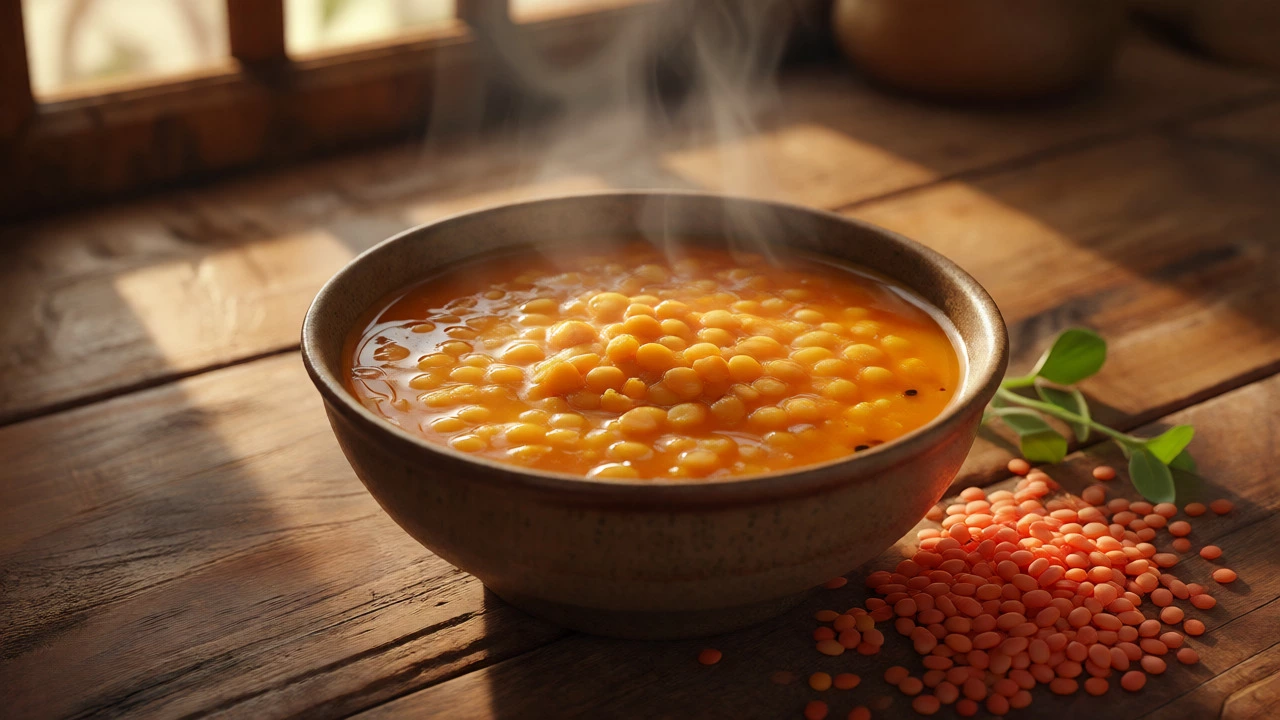
You have probably heard the claim that dal is not a complete protein. It sounds alarming, especially if you rely on it as your main source of fuel. But here is the twist: dal isn't "bad" or "useless." It is just incomplete. And in the world of nutrition, that distinction changes everything about how you eat.
If you grew up eating Indian food, you know dal is everywhere. It is comfort in a bowl. But when you start digging into fitness forums or reading health blogs, suddenly your favorite lunch becomes suspect. Is it really enough? Do you need to add something else? This article breaks down exactly what "complete protein" means, why lentils fall short on paper, and how simple cooking habits already fix the problem without you needing a supplement shelf.
The Quick Answer: What Does "Complete Protein" Actually Mean?
Before we judge dal, we need to define the standard. A complete protein is a food source that contains all nine essential amino acids in sufficient quantities for human needs. These are the building blocks your body cannot make on its own. You must get them from food.
Your body uses these amino acids to repair muscle, produce enzymes, and keep your immune system running. If you miss even one, your body struggles to build new tissue efficiently. Animal products like eggs, chicken, and dairy are naturally complete. Most plants are not. They are missing one or more of these key pieces. That is where the confusion starts.
Why Dal Fails the Completeness Test
Dal comes from lentils, which are legumes. Legumes are fantastic sources of iron, fiber, and complex carbs. But they have a specific weakness. They are low in an amino acid called methionine. Methionine is one of those nine essential players. Without enough of it, your body hits a bottleneck. It cannot fully utilize the other amino acids present in the dal.
This doesn't mean dal has zero value. It means it is unbalanced. Think of it like a construction crew. You have plenty of bricklayers (other amino acids) but only one plumber (methionine). No matter how many bricks you stack, you can't finish the house until the plumbing is done. That is why eating plain dal alone might leave you feeling less satiated or recovering slower after a workout compared to someone eating eggs.
The Myth of "Protein Combining" at Every Meal
For decades, nutritionists told vegetarians they had to eat rice and beans in the same bite to make a complete protein. This concept is called protein complementation. While true in theory, modern science says it is far less strict than we thought.
Your body maintains an amino acid pool. It stores excess amino acids from previous meals and releases them when needed. So, if you eat dal for lunch and nuts for dinner, your body combines them internally. You do not need to stress about perfect pairing at every single meal. However, ensuring variety throughout the day is still smart. It prevents long-term gaps.
How Traditional Indian Cooking Already Fixes the Problem
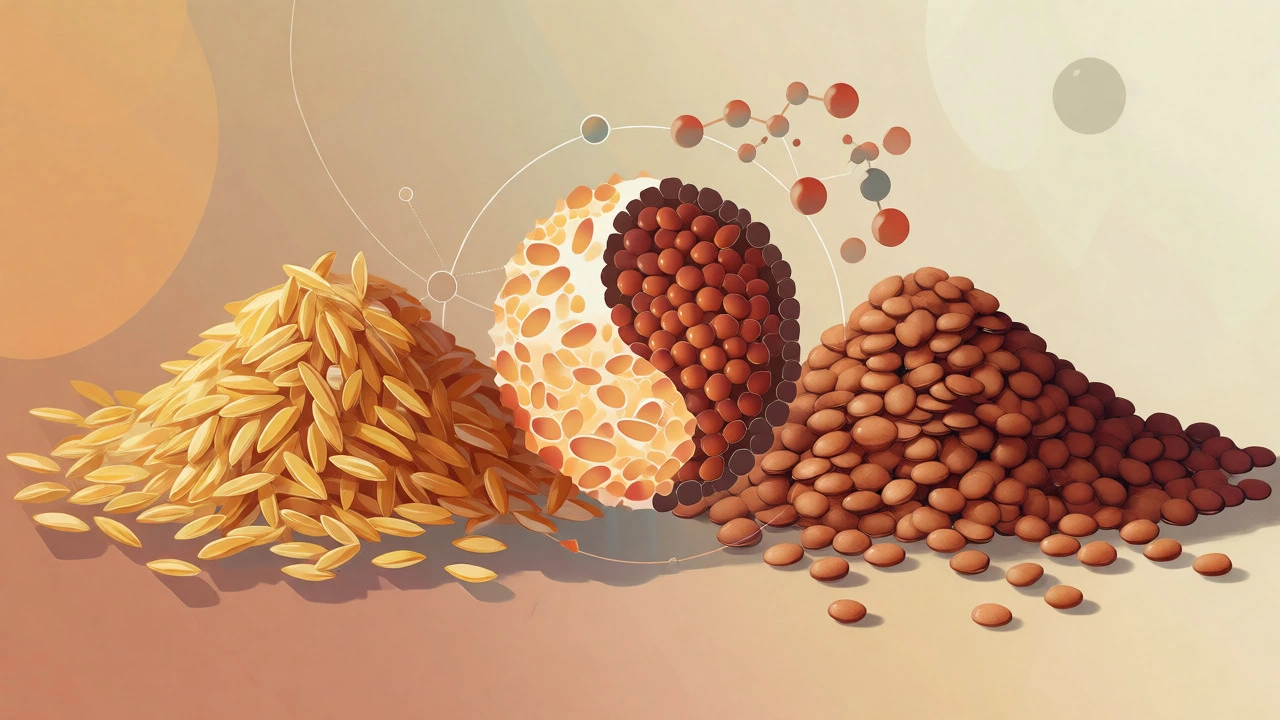
Here is the good news. Our grandparents knew this intuitively. Look at any traditional thali. You rarely see dal served alone. It is almost always paired with a grain. Rice, roti, paratha, or naan. Why? Because grains are high in methionine but low in lysine. Lentils are high in lysine but low in methionine.
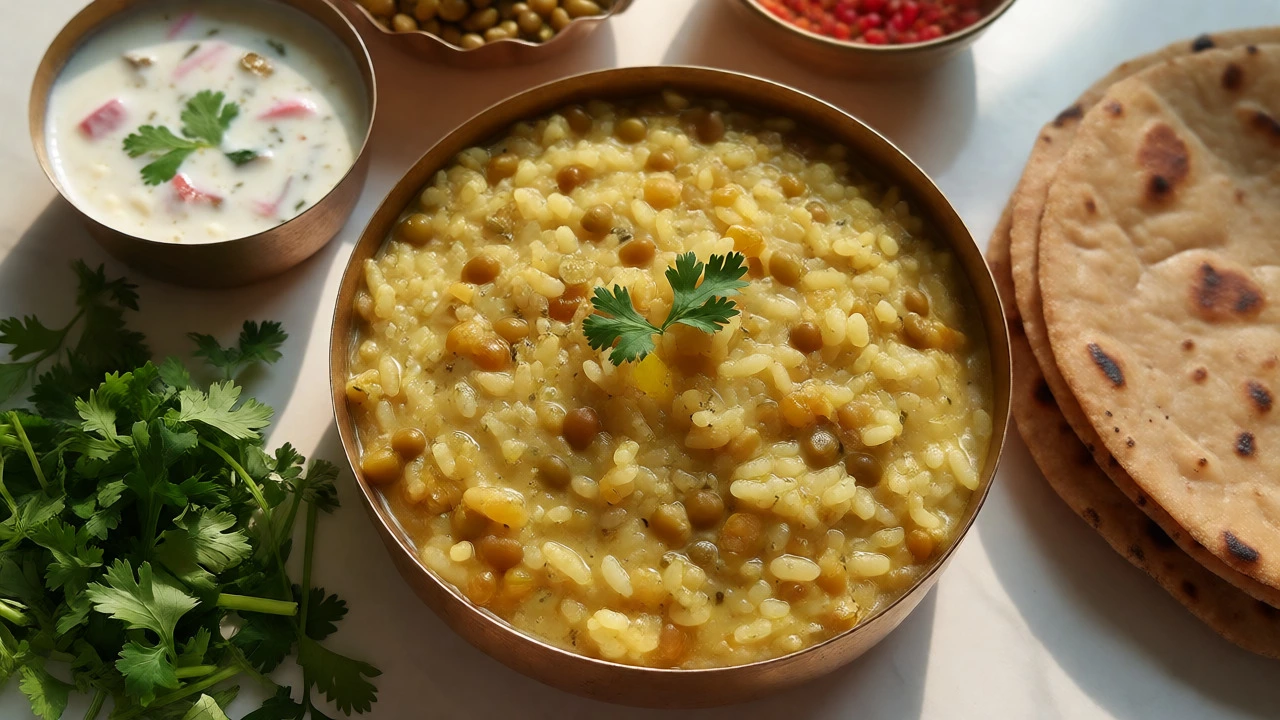
When you combine them, you create a complete protein profile. This is why khichdi-a mix of rice and moong dal-is considered such a nourishing, balanced meal. It is biologically superior to either ingredient eaten alone. The same logic applies to dal and chapati. You are getting the best of both worlds without trying.
| Food Source | Lysine Level | Methionine Level | Protein Quality |
|---|---|---|---|
| Dal (Lentils) | High | Low | Incomplete |
| Rice/Wheat | Low | High | Incomplete |
| Dal + Rice Combo | Balanced | Balanced | Complete |
Nutritional Breakdown: What Else Dal Brings to the Table
Focusing only on protein misses the bigger picture. One cup of cooked masoor dal provides roughly 18 grams of protein. That is significant. But it also delivers:
- Fiber: About 15 grams per cup, crucial for gut health and blood sugar control.
- Iron: Essential for oxygen transport, though plant-based iron absorbs better with Vitamin C.
- Folate: Vital for cell division and DNA synthesis.
- Magnesium: Supports muscle function and sleep quality.
These nutrients work synergistically. The fiber slows digestion, keeping you full longer. The magnesium helps reduce inflammation. Even if the protein isn't "complete" on its own, the overall nutritional density is high.
Simple Ways to Boost Protein Quality in Your Dal Recipes
If you want to maximize the benefit, small tweaks go a long way. You don't need fancy ingredients. Just leverage the chemistry of food combining.
- Add a Grain: Always serve dal with rice, quinoa, or whole-wheat roti. This instantly completes the amino acid profile.
- Toss in Nuts or Seeds: Pumpkin seeds and sunflower seeds are high in methionine. Sprinkle them on top for crunch and balance.
- Pair with Dairy: A side of raita or a splash of cream adds casein and whey, which are complete proteins.
- Include Vegetables: Leafy greens like spinach add extra micronutrients and a small amount of complementary protein.
Consider adding paneer cubes to your dal tadka. Paneer is a complete protein. Mixing it with the lentils creates a powerhouse dish that supports muscle maintenance and satiety.
Who Should Worry About Incomplete Proteins?
Most people do not need to obsess over this. If you eat a varied diet including grains, vegetables, and some animal products or dairy, you are fine. Athletes or those with high protein requirements might need to be more mindful. They should track their total daily intake rather than stressing about individual meals.
Strict vegans who avoid all grains and dairy need to be careful. Relying solely on legumes without grains or nuts could lead to deficiencies over time. But again, diversity solves this quickly.
Key Takeaways
- Dal is not a complete protein because it lacks sufficient methionine.
- Combining dal with grains (rice, wheat) creates a complete protein profile.
- Your body pools amino acids throughout the day; immediate combining isn't strictly necessary.
- Dal remains highly nutritious due to fiber, iron, and folate content.
- Traditional Indian diets already solve the protein gap through natural pairings.
Is dal bad for muscle building?
No, dal is excellent for muscle building when consumed correctly. Because it is an incomplete protein, pair it with grains like rice or roti to provide the missing amino acids. This combination supports muscle repair effectively.
Which dal has the most protein?
Moong dal and Masoor dal are among the highest in protein content per serving. Soybeans technically have the highest protein among legumes, but they are often processed differently. For traditional dals, Moong is a top choice for digestibility and protein density.
Do I need to eat dal and rice together?
Not necessarily in the same bite. Eating dal for lunch and rice for dinner works too. Your body stores amino acids and uses them as needed. However, eating them together ensures you get a balanced profile immediately, which can aid satiety.
Can I replace meat with dal?
Yes, but watch portion sizes. To match the protein content of a chicken breast, you would need to eat a larger volume of dal. Pair it with tofu, paneer, or quinoa to boost the protein count without excessive calories from carbs.
Does soaking dal improve protein absorption?
Soaking reduces anti-nutrients like phytates, which can block mineral absorption. While it doesn't directly change the amino acid profile, it improves overall digestibility and nutrient uptake, making the protein more bioavailable.