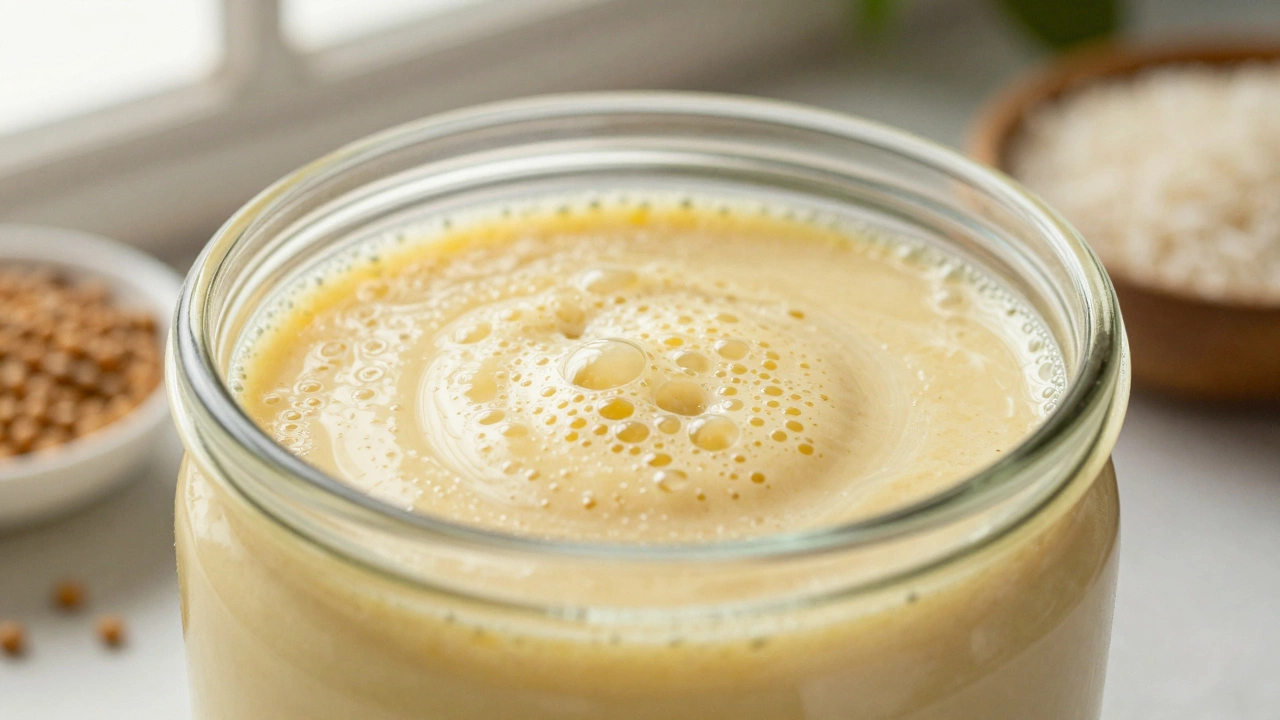
Dosa Batter Fermentation Calculator
Estimate the sourness level and pH of your dosa batter based on temperature, time, and ingredients.
Estimated Result
Have you ever opened your refrigerator after a long weekend only to find that your perfectly balanced dosa batter is a fermented mixture of rice and lentils used to make thin South Indian crepes has turned into something resembling yogurt? Or perhaps you’ve tried to speed up the process in a cold kitchen, only to end up with flat, tasteless pancakes. The sourness of dosa batter is not a mistake; it is the signature flavor profile that defines authentic South Indian cuisine. But getting it right requires understanding the invisible biological work happening inside your jar.
The transformation from raw grains to tangy, fluffy batter is driven by fermentation is a metabolic process that produces chemical changes in organic substrates through the action of enzymes. Specifically, this is lactic acid fermentation. When you soak rice and urad dal (black gram), you activate wild yeasts and bacteria present on the grains and in the air. These microorganisms consume the starches and sugars in the batter and excrete lactic acid as a byproduct. This acid is what gives the dosa its characteristic tang and helps tenderize the gluten-like proteins, resulting in that delicate, crisp texture we all love.
The Microbial Engine: Lactobacillus and Yeast
To understand why your batter goes sour, you need to meet the workers. The primary actors are Lactobacillus is a genus of Gram-positive bacteria that convert carbohydrates into lactic acid and various strains of wild yeast. Lactobacillus is the main driver of sourness. As these bacteria multiply, they lower the pH of the batter. A neutral pH is 7.0. Freshly ground batter sits around 6.5. As fermentation progresses over 12 to 24 hours, the pH can drop to 4.0 or even lower. This acidic environment is what preserves the batter but also creates the sharp taste.
Yeast plays a supporting role here. While bacteria create the sour flavor, yeast produces carbon dioxide gas. This gas gets trapped in the starch network, causing the batter to rise and become airy. If you have too much bacterial activity and not enough yeast activity, your batter will be very sour but dense. If you have too much yeast, it might smell alcoholic rather than tangy. The ideal dosa batter strikes a balance between these two microbial forces.
Temperature: The Accelerator
If microbes are the engine, temperature is the gas pedal. Bacteria and yeast are highly sensitive to heat. In the traditional context of South India, where average temperatures often hover between 30°C and 35°C (86°F - 95°F), fermentation happens naturally and quickly. In cooler climates, like Birmingham in England, where temperatures might stay below 20°C (68°F) for months, the process slows down dramatically.
When the temperature rises, microbial metabolism speeds up. For every 10°C increase in temperature, the rate of reaction roughly doubles. This means that if you leave your batter out in a warm room (around 28°C-30°C) for just six hours, it might achieve the same level of sourness that would take 24 hours in a cool room (18°C). Conversely, if you refrigerate the batter immediately after grinding, you put the microbes into a state of dormancy. They don’t stop completely, but they slow down significantly, allowing you to control exactly when the sourness peaks.

Time: The Duration Factor
Time is the other critical variable. Even at a constant temperature, the longer the batter ferments, the sourer it becomes. This is because the lactic acid accumulates over time. There is no limit to how sour it can get, provided the bacteria have food (starch/sugar) to eat. Once the available sugars are depleted, the fermentation stops, but the acid remains.
Most home cooks aim for a "medium" sourness, which typically takes about 12 to 16 hours in a warm climate. If you want a milder taste, you might ferment for only 8 hours. If you prefer the robust, punchy flavor of a street-side dosa, you might let it go for 24 hours or more. However, leaving it too long can lead to over-fermentation, where the structure breaks down, and the batter becomes watery and excessively sour, sometimes developing off-flavors.
The Role of Ingredients
Not all dosas are created equal. The ratio of rice to dal, and the type of rice used, influences the fermentation speed and final acidity. Urad dal ferments faster than rice because it contains more readily available sugars and proteins. A batter with a higher proportion of dal will generally become sourer quicker than one dominated by rice.
The variety of rice matters too. Short-grain varieties like Ponni rice absorb water differently and release starches at different rates compared to long-grain Basmati. Some recipes include a small amount of cooked rice or idli rice, which provides pre-digested starches that feed the bacteria immediately, kickstarting the souring process. Adding a pinch of sugar or a spoonful of old batter (often called "mother dough") can also inoculate the mix with active cultures, speeding up the sourness development.
| Factor | Effect on Sourness | Recommended Action |
|---|---|---|
| High Temperature (>30°C) | Rapid Increase | Refrigerate if not cooking within 6-8 hours |
| Low Temperature (<20°C) | Slow Increase | Use a warm spot or oven light to encourage fermentation |
| Long Duration (>24 hrs) | Very High Sourness | Add baking soda to neutralize excess acid |
| High Dal Ratio | Moderate Increase | Balance with more rice for milder taste |
| Adding Sugar/Old Batter | Faster Onset | Use to jump-start fermentation in cold weather |
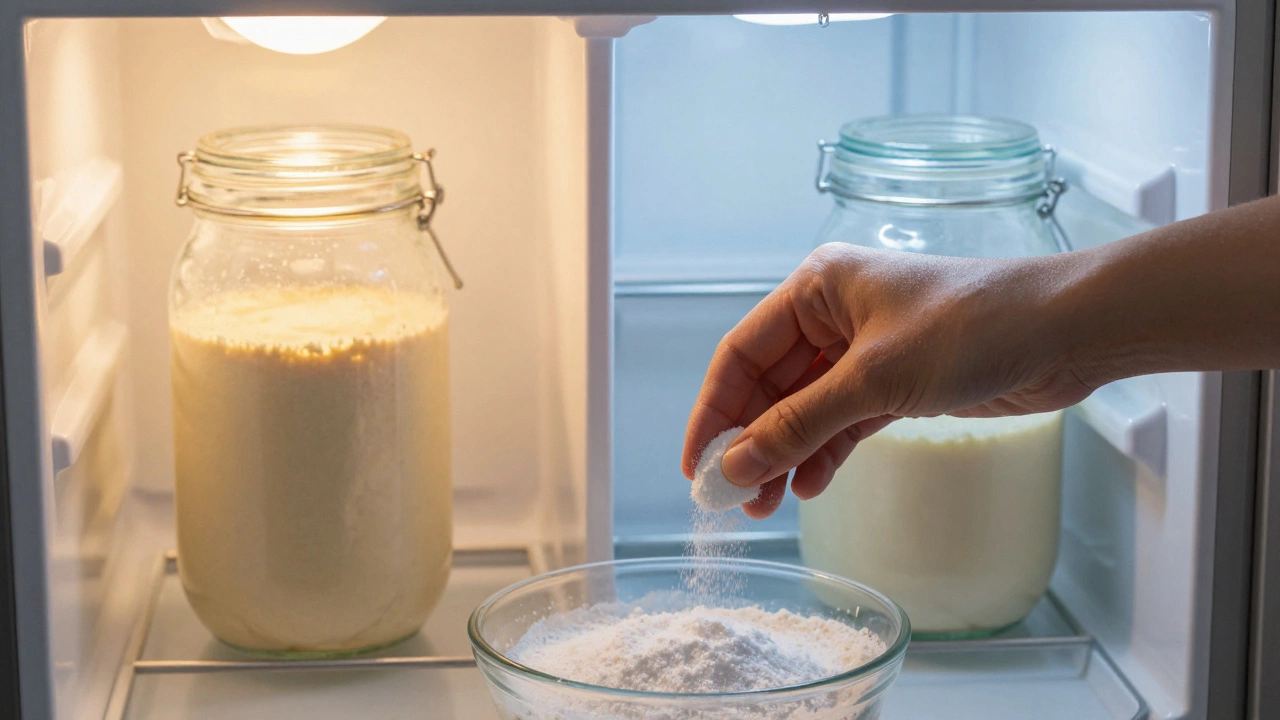
Controlling the Sourness: Practical Tips
So, how do you manage this volatile ingredient? First, monitor your environment. If you live in a hot climate, plan your grinding schedule accordingly. Grind late in the evening so the batter ferments overnight while you sleep, ready for breakfast. If you are in a cooler place, start earlier or use a makeshift incubator-like placing the jar in an oven with just the light on, which maintains a gentle warmth.
If your batter has become too sour, don’t panic. You can neutralize some of the acidity by adding a tiny pinch of baking soda (sodium bicarbonate) before making the dosas. The baking soda reacts with the lactic acid to produce carbon dioxide, giving the batter an extra lift and reducing the sharp tang. Be careful not to add too much, or your dosas will taste metallic.
Another trick is to dilute the batter. If it’s overly acidic, you can grind a fresh batch of mild rice and dal and mix it in. This resets the pH balance slightly. Alternatively, serve the sour dosas with sweeter chutneys, like coconut or jaggery-based ones, to balance the palate.
Signs of Good vs. Bad Fermentation
It is crucial to distinguish between desirable sourness and spoilage. Good fermentation smells tangy, earthy, and slightly yeasty. The batter should have increased in volume and look bubbly. Bad fermentation, caused by contamination with harmful bacteria or molds, will smell rotten, foul, or distinctly alcoholic in a bad way. If you see pink, green, or black spots on the surface, discard the batter immediately. Never risk food poisoning for a crispy dosa.
Understanding why dosa batter becomes sour empowers you to manipulate the process rather than being at its mercy. Whether you crave the mild comfort of a home-cooked meal or the bold zing of a restaurant-style treat, you now hold the keys to the kingdom. Experiment with time and temperature, and soon, you’ll be able to dial in the exact level of sourness that makes your tastebuds dance.
How long does it take for dosa batter to become sour?
The time varies based on temperature. In warm conditions (above 30°C/86°F), batter can become noticeably sour in 6-8 hours. In moderate temperatures (25°C/77°F), it typically takes 12-16 hours. In cooler environments (below 20°C/68°F), it may take 24 hours or more to develop significant sourness.
Can I reduce the sourness of already fermented batter?
Yes, you can add a very small pinch of baking soda (about 1/8 teaspoon per cup of batter) to neutralize excess acid. This will also help the dosas puff up better. Alternatively, mix in some fresh, unfermented batter to dilute the sourness.
Is sour dosa batter healthy?
Yes, fermented foods are generally considered healthy. The fermentation process increases bioavailability of nutrients and introduces beneficial probiotics (lactic acid bacteria) which aid digestion. However, excessive sourness indicates high acidity, which might irritate sensitive stomachs.
Why is my dosa batter not becoming sour?
If your batter isn't souring, it is likely too cold. Fermentation requires warmth. Try moving the batter to a warmer location, such as near a heater or inside an oven with the light on. Ensure you used enough water during grinding, as thick batter ferments slower.
Does adding salt affect fermentation?
Salt can inhibit bacterial growth if added in large quantities before fermentation. It is best practice to add salt only just before cooking the dosas. This allows the bacteria to work freely without osmotic pressure slowing them down.