Find Your Ideal Indian Breakfast
Select your priorities below to find the perfect morning meal from India's diverse culinary traditions.
Dish Name
Description goes here.
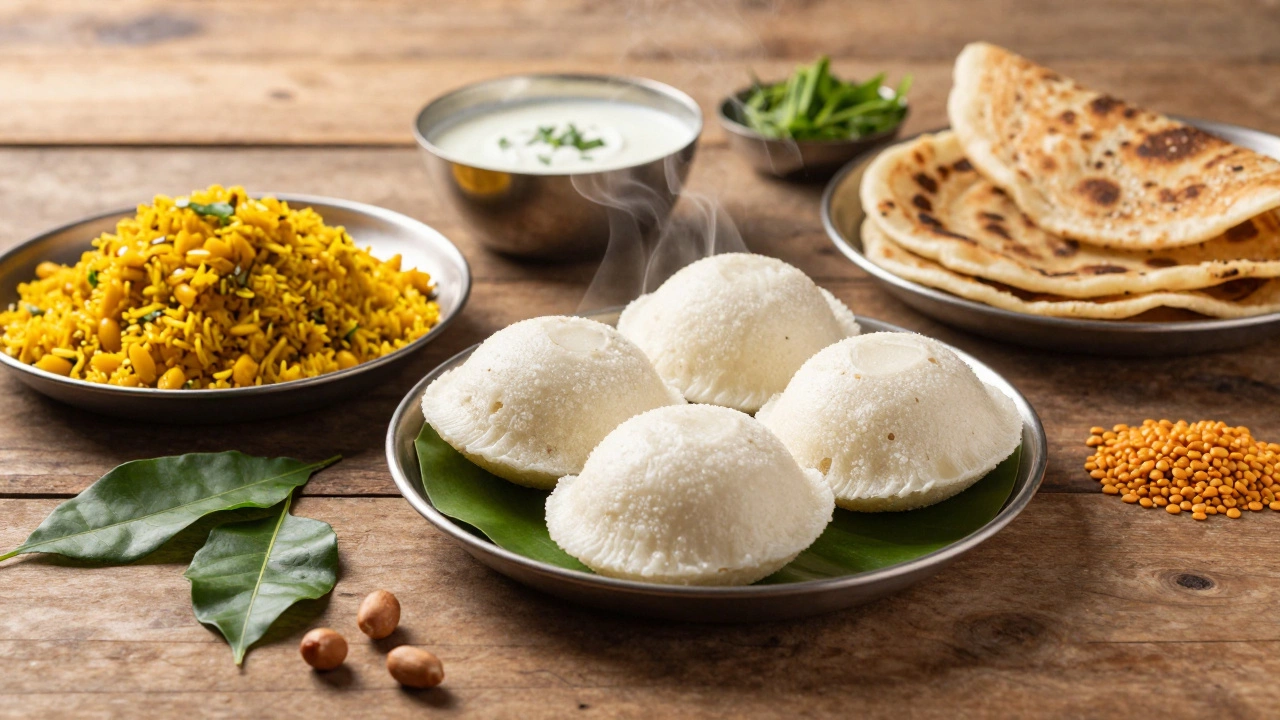
Walk into any home across India at 6:00 AM, and you’ll smell something specific. In Mumbai, it’s the sharp tang of Poha. In Chennai, it’s the fermented sourness of Idli. In Delhi, it’s the warm aroma of Paratha. While dinner gets all the social spotlight, breakfast is arguably the most important meal in Indian culture. It sets the tone for the day, fuels long work hours, and connects generations through shared recipes.
If you’re looking for a quick breakfast India style, or just curious about why this meal matters so much, you’re in the right place. The answer isn’t just about nutrition; it’s about rhythm, region, and resilience.
Why Breakfast Holds the Crown in Indian Culture
In many Western cultures, dinner is the main event. In India, the hierarchy often flips. Breakfast is sacred because it happens before the chaos begins. For millions of Indians, especially those working in cities like Bangalore or Hyderabad, the morning routine is tight. You need fuel that is light yet filling, easy to digest, and culturally comforting.
The concept of Sattvic diet, rooted in Ayurveda, plays a huge role here. Sattvic foods are believed to promote clarity, calmness, and energy. That’s why you rarely see heavy, fried meats at an Indian breakfast table. Instead, you find steamed rice cakes, spiced lentils, and fresh fruits. This dietary approach ensures that the body starts the day with mental clarity rather than sluggishness.
Consider the student preparing for exams or the office worker commuting on crowded trains. They need sustained energy without the mid-morning crash. Indian breakfasts deliver exactly that through complex carbohydrates and fiber-rich ingredients like ragi (finger millet) or oats mixed with traditional spices.
The Regional Breakdown: One Country, Many Mornings
India is not a monolith. Its breakfast menu changes every few hundred kilometers. Understanding these regional variations helps you appreciate why there is no single "most important" dish, but rather a collection of essential staples.
| Region | Key Dish | Main Ingredients | Prep Time |
|---|---|---|---|
| South India | Idli & Sambar | Rice, Urad Dal, Lentils | Fast (Steamed) |
| West India | Poha | Flattened Rice, Peanuts, Turmeric | Very Quick (5-10 mins) |
| North India | Aloo Paratha | Whole Wheat Flour, Potatoes, Spices | Medium (20 mins) |
| East India | Cholar Dal Chilla | Split Black Gram, Vegetables | Quick (10 mins) |
In the South, fermentation is king. Dosa and Idli rely on a batter of rice and urad dal (black gram) that ferments overnight. This process breaks down starches, making them easier to digest and boosting probiotic content. It’s a natural prebiotic meal that supports gut health before you even step out the door.
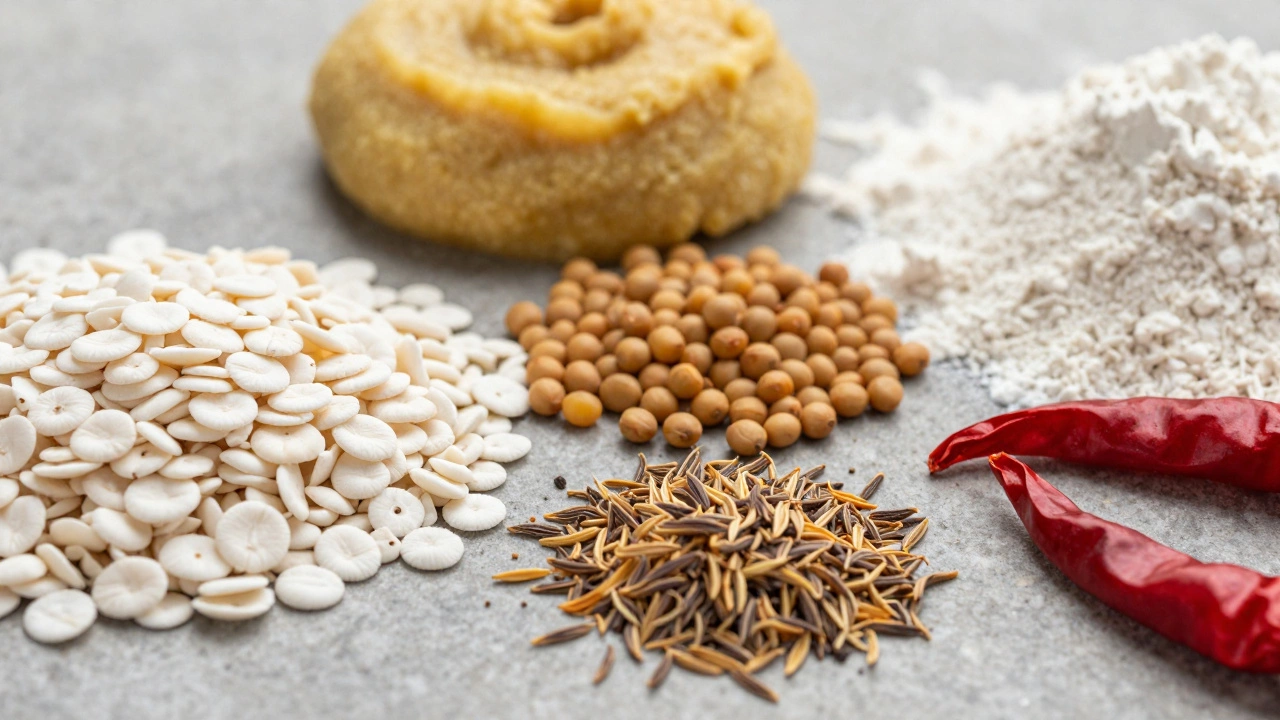
Move west to Maharashtra and Gujarat, and speed becomes the priority. Poha is the ultimate quick breakfast. Made from flattened rice flakes, it’s sautéed with turmeric, mustard seeds, curry leaves, and peanuts. It’s light, savory, and ready in under ten minutes. For busy professionals, Poha is the unsung hero of productivity.
In the North, heartiness rules. Paratha-stuffed flatbreads made from whole wheat-are cooked on a griddle with ghee or oil. Stuffed with potatoes, paneer (cottage cheese), or radish, they provide dense calories needed for colder climates and physical labor. Paired with yogurt and pickle, it’s a complete protein-carb-fat meal.
Nutritional Powerhouses: More Than Just Carbs
You might think Indian breakfasts are just carbs, but that’s a misconception. The nutritional profile is surprisingly balanced when prepared traditionally.
Lentils (Dal) are a cornerstone. Whether it’s the thick Chana Dal chilla in Punjab or the watery Sambar in Tamil Nadu, lentils provide plant-based protein and iron. This is crucial in a country where vegetarianism is widespread due to cultural and religious reasons.
Millets are making a comeback. Ragi (finger millet) mudde or porridge is rich in calcium and amino acids. Traditionally eaten in Karnataka and parts of Andhra Pradesh, Ragi provides slow-release energy, preventing blood sugar spikes. If you’re managing diabetes or weight, swapping white rice for millets at breakfast is a game-changer.
Fresh vegetables aren’t an afterthought. Avakaya (mango pickle) or Kosambari (carrot-beet salad) add crunch, vitamins, and digestive enzymes. The use of raw garlic, ginger, and curry leaves in tempering adds antimicrobial properties, helping fight off infections in humid climates.
The Rise of Quick Breakfast Options in Urban India
Life in 2026 is faster. With remote work, hybrid schedules, and longer commutes, the traditional hour-long breakfast ritual is shrinking. This has led to a boom in quick breakfast India trends that blend tradition with convenience.
Oats have found a new home in Indian kitchens. But they’re not served plain. You’ll find Masala Oats-savory oats cooked with peas, carrots, onions, and chaat masala. It mimics the texture of upma (semolina porridge) but cooks in half the time. It’s a favorite among fitness enthusiasts who want a low-glycemic start.
Protein pancakes using besan (gram flour) or soy chunks are trending in metros like Delhi and Mumbai. These cater to the growing health-conscious demographic that wants to avoid refined flour (maida). You can make them in five minutes, top them with nuts or banana slices, and go.
Even street food has adapted. Vada Pav, once a late-night snack, is now a common morning grab-and-go option for students. It’s a potato fritter in a bread bun, spicy and satisfying. While not the healthiest choice daily, its accessibility makes it a staple for many.
How to Choose Your Ideal Indian Breakfast
So, what should you eat? It depends on your goals.
- For Weight Loss: Stick to high-fiber options like Ragi Porridge or Vegetable Dalia (broken wheat porridge). Avoid deep-fried items like puri or vada.
- For Muscle Gain: Opt for protein-rich meals like Paneer Bhurji (scrambled cottage cheese) with toast, or lentil-based chillas with a side of Greek yogurt.
- For Busy Mornings: Keep canned poha or instant oats handy. Pre-chop vegetables for masala oats. Fermented batters like idli can be frozen and reheated in minutes.
- For Gut Health: Prioritize fermented foods. Idli, dosa, and kanji (fermented rice soup) introduce beneficial bacteria that aid digestion throughout the day.
Avoid the trap of skipping breakfast to "save calories." Studies show that skipping the first meal leads to overeating later and poorer concentration. In India, where lunch is often the largest meal, a light but nutrient-dense breakfast prevents the afternoon slump.
Cultural Rituals: The Social Side of Morning Meals
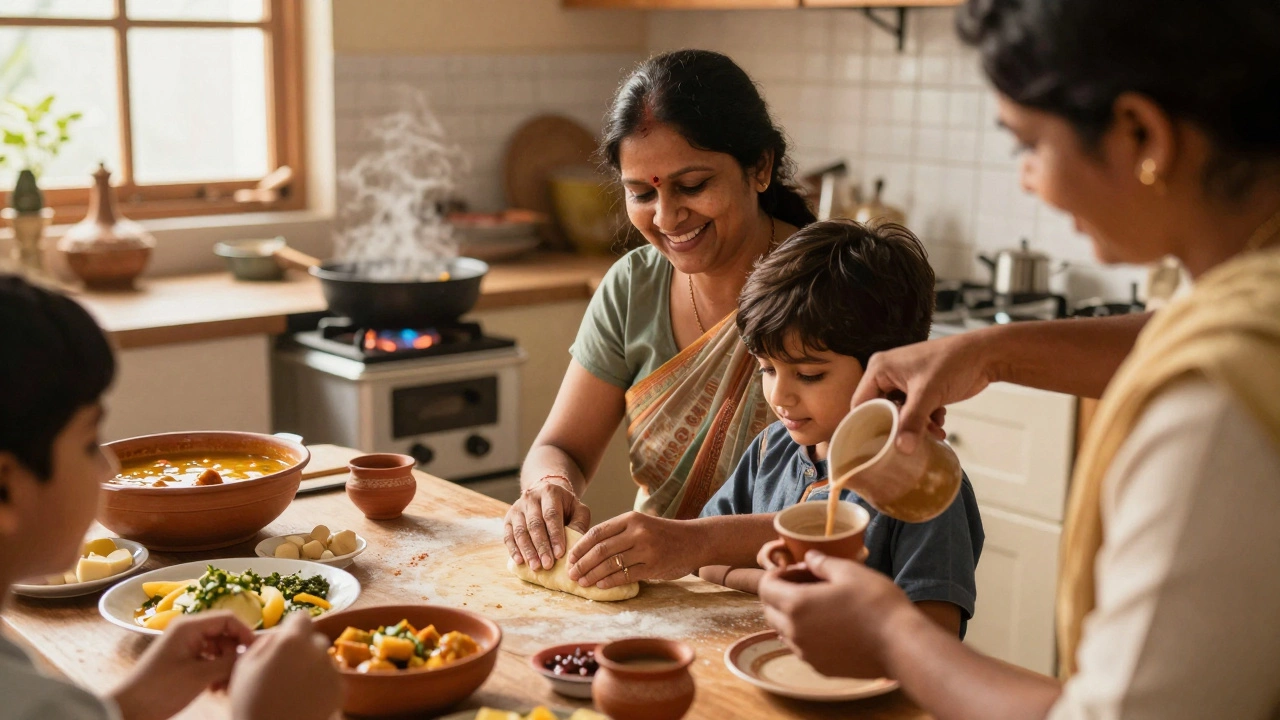
Breakfast in India is also a social anchor. On weekends, families gather to make Medu Vada or Puri Bhaji. It’s not just about eating; it’s about bonding. Children learn cooking skills by watching their parents knead dough or grind spices.
During festivals like Navratri or Karwa Chauth, fasting rules dictate specific breakfasts. People might consume only fruits, almonds, and sabudana (tapioca pearls) khichdi. These restrictions highlight the spiritual significance of food-it’s not just fuel; it’s discipline.
Even in corporate settings, the "chai break" is intertwined with breakfast. A cup of Masala Chai with a biscuit or paratha is a mandatory pause button. It resets the mind and fosters team connection. You won’t find this level of morning ritualism in many other cultures.
Common Mistakes to Avoid
While Indian breakfasts are generally healthy, modern adaptations have introduced pitfalls.
First, excessive oil. Traditional parathas use minimal ghee, but restaurant versions often soak them in oil. At home, control the fat. Use non-stick pans and measure your ghee.
Second, hidden sugars. Sweet laddus or jaggery-heavy porridges can spike insulin. Balance sweetness with nuts or switch to savory options. If you crave sweet, try Fruit Chaat with mint and lime instead.
Third, ignoring portion sizes. Even healthy foods like idli can become calorie bombs if you eat eight pieces. Pair two idlis with a bowl of sambar and a small coconut chutney for balance.
Final Thoughts on the Indian Morning Plate
There is no single "most important" meal in India because importance varies by region, lifestyle, and health goals. However, the consensus is clear: breakfast must be intentional. It should nourish, energize, and connect you to your roots. Whether you choose a quick bowl of poha or a elaborate spread of dosas, the key is consistency and quality ingredients.
As you navigate your mornings, experiment with these traditional options. You’ll find that the diversity of Indian breakfast culture offers something for everyone-from the fitness buff to the busy parent. Start small, swap one refined grain for a millet, and watch how your energy levels transform.
What is the most common breakfast in India?
The most common breakfast varies by region. In South India, Idli and Dosa are staples. In West India, Poha and Upma are popular. In North India, Paratha with Aloo (potato) stuffing is widely consumed. Overall, rice-based and wheat-based dishes dominate due to agricultural availability.
Is Indian breakfast healthy for weight loss?
Yes, if chosen wisely. High-fiber options like Ragi, Oats, and Lentil Chillas are excellent for weight loss. Avoid deep-fried items like Puri and Vada. Focus on portion control and include protein sources like yogurt or paneer to stay full longer.
What is a quick Indian breakfast recipe?
Poha is the quickest. Soak flattened rice for 5 minutes, then sauté with mustard seeds, curry leaves, turmeric, green chilies, and peanuts. Add chopped onions and lemon juice. It takes under 10 minutes and requires no fermentation or advance prep.
Why do Indians eat so early in the morning?
Cultural and climatic factors play a role. Early rising is encouraged in many households for spiritual practices or exercise. Additionally, starting digestion early aligns with circadian rhythms, ensuring energy peaks during work hours. In hotter regions, eating early avoids the midday heat.
Can I eat Indian breakfast every day?
Absolutely. Variety is key. Rotate between rice-based (Idli/Dosa), wheat-based (Paratha/Poha), and millet-based (Ragi/Jowar) options to get diverse nutrients. Ensure each meal includes some protein and fiber to maintain metabolic health.