Tandoori Chicken Meal Planner
Select Your Sides
Choose one option from each category to build your plate.
Make selections and click "Build My Plate" to see how well your meal balances!
There is nothing quite like the smoky, charred aroma of tandoori chicken is a classic North Indian dish where chicken marinated in yogurt and spices is cooked in a clay oven called a tandoor. The meat is tender, juicy, and packed with bold flavors from turmeric, cumin, coriander, and Kashmiri chili. But here is the thing about tandoori chicken: it is intense. It is spicy, tangy, and rich. If you serve it alone, it can feel a bit one-dimensional. That is why choosing the right sides matters just as much as the marinade itself.
You want sides that balance the heat, soak up those delicious juices, or add a fresh crunch. In Birmingham, where I live, we have access to incredible fresh produce and authentic ingredients, which makes experimenting with these pairings easier than ever. Whether you are hosting a dinner party or just making a quick weeknight meal, getting the balance right turns a good meal into a memorable one. Let’s look at the best companions for your tandoori chicken.
The Essential Base: Breads and Rice
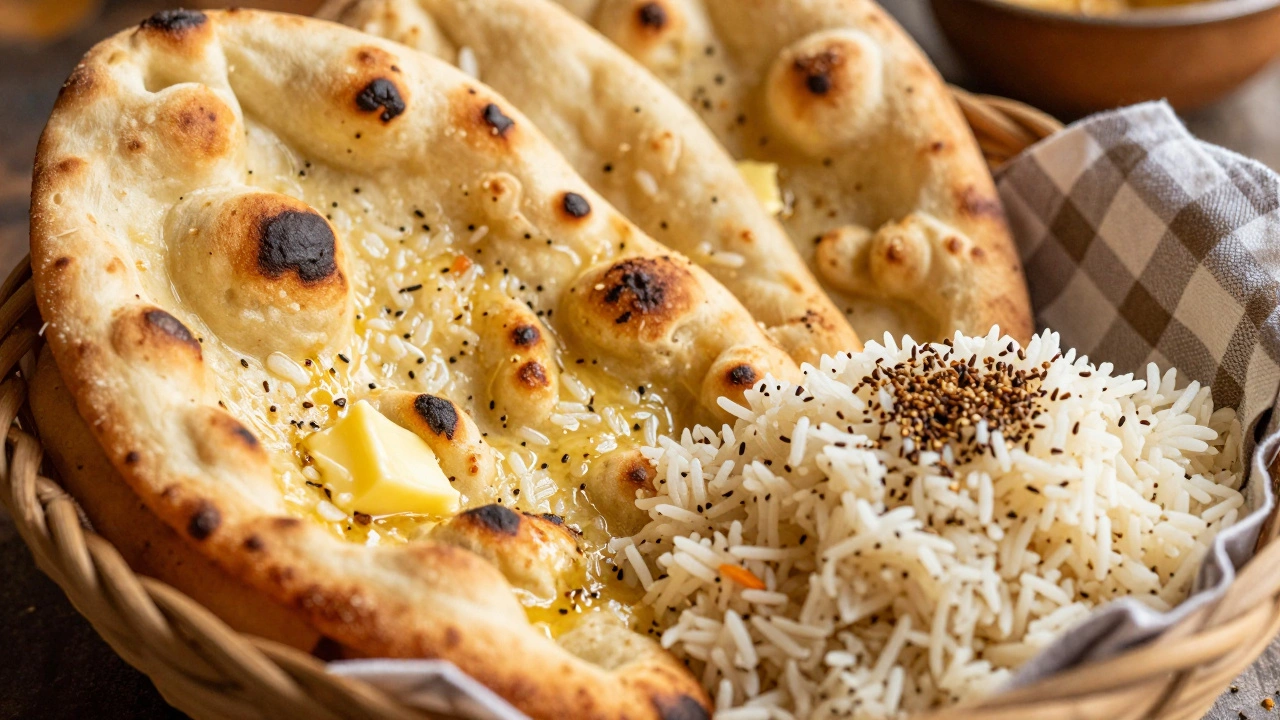
If you ask any Indian chef what goes with tandoori chicken, they will likely point to bread first. Tandoori chicken is dry on the outside (in the best way possible) and needs something soft to contrast with that texture. Naan is a leavened flatbread traditionally baked in a tandoor, known for its pillowy texture and slightly charred spots. Garlic naan is the gold standard here. The pungency of the garlic cuts through the richness of the chicken fat, while the soft dough acts as a vehicle for scooping up every last drop of sauce.
If you don’t have a tandoor at home-which most of us don’t-don’t worry. You can get great results in a regular oven by using a baking steel or stone, or even just a heavy cast-iron skillet preheated on high. For those who prefer rice, Jeera rice is basmati rice tempered with cumin seeds, offering a light, aromatic base that doesn't compete with the strong flavors of the chicken. Unlike biryani, which is heavily spiced and layered, jeera rice is subtle. It lets the tandoori chicken shine while providing a comforting, starchy foundation.
- Garlic Naan: Soft, buttery, and infused with roasted garlic.
- Plain Naan: Versatile and perfect for soaking up sauces.
- Jeera Rice: Lightly spiced basmati rice with cumin.
- Matki Pulao: A healthier option with moong dal and peas.
Cooling Down: Raita and Yogurt-Based Sides
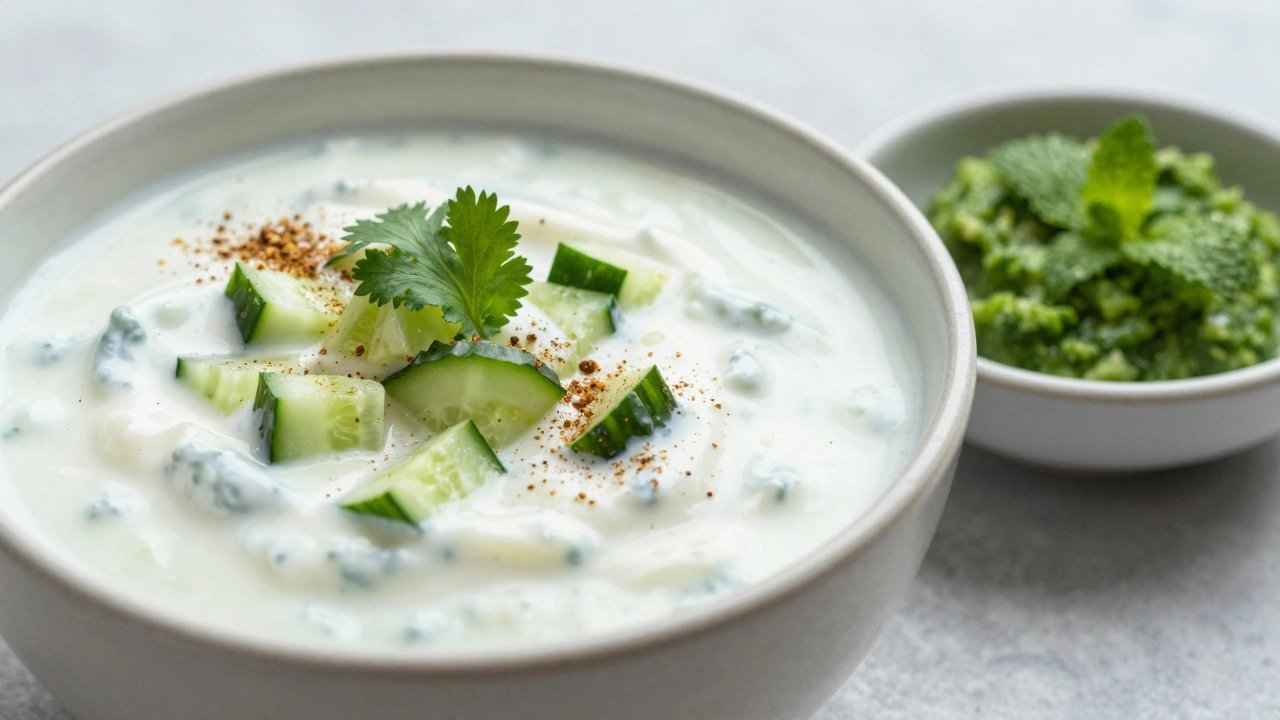
Tandoori chicken often packs a punch, especially if you use red chili powder in the marinade. To keep your palate from burning, you need cooling elements. This is where Raita is a yogurt-based condiment mixed with grated vegetables, herbs, and spices, used to cool down spicy Indian dishes. Raita isn’t just a side; it’s a necessity. The lactic acid in the yogurt helps neutralize capsaicin, the compound that makes chilies hot.
You can make raita simple or complex. A basic cucumber raita involves grating a cucumber, squeezing out the excess water (this step is crucial to prevent watery raita), and mixing it with thick Greek yogurt, salt, and a pinch of roasted cumin powder. For a more vibrant option, try mint-coriander raita. Blend fresh mint leaves and cilantro with yogurt until smooth. The herbal freshness lifts the heaviness of the meal. Another favorite is boondi raita, which uses crispy fried chickpea flour balls (boondi) mixed with yogurt, adding a delightful textural contrast to the creamy base.
| Raita Type | Main Ingredients | Flavor Profile | Best For |
|---|---|---|---|
| Cucumber Raita | Grated cucumber, yogurt, cumin | Fresh, cooling, mild | Balancing high spice levels |
| Mint-Coriander Raita | Blended mint, cilantro, yogurt | Herbal, bright, zesty | Adding freshness to rich meats |
| Boondi Raita | Fried chickpea balls, yogurt, pomegranate | Creamy with crunchy texture | Dinner parties and festive meals |
| Onion Raita | Sliced red onion, yogurt, chaat masala | Pungent, tangy, savory | Those who love bold onion flavors |
Vegetable Companions: Grilled and Stir-Fried
While tandoori chicken is the star, vegetables play a vital supporting role. They add color, nutrition, and variety to the plate. Tandoori vegetables are seasonal vegetables like bell peppers, onions, and mushrooms marinated in similar spices as the chicken and grilled alongside it. Since you already have the grill or oven hot for the chicken, throwing in some veggies is efficient. Bell peppers (capsicum) caramelize beautifully, becoming sweet and smoky. Mushrooms absorb the marinade well and offer a meaty texture.
For a different approach, consider a stir-fry. Aloo Gobi is a dry curry made with potatoes and cauliflower, seasoned with turmeric, ginger, and green chilies. This dish is earthy and comforting. The potatoes provide a hearty chew, while the cauliflower adds a slight bitterness that balances the sweetness of the chicken skin. Another excellent option is bhindi fry (okra). When cooked properly with plenty of lemon juice and mustard seeds, okra stays crisp and non-slimy, offering a unique texture that complements the soft chicken.
Zest and Crunch: Chutneys and Salads
No Indian meal is complete without a touch of acidity and crunch. This is where chutneys and salads come in. Mango chutney is a sweet and tangy sauce made from ripe mangoes, sugar, vinegar, and spices, providing a fruity counterpoint to savory dishes. The sweetness of the mango chutney contrasts sharply with the salty, spicy chicken, creating a complex flavor profile in every bite. If you prefer something less sweet, go for a green chutney made from cilantro, green chilies, and lime juice. It’s sharp, acidic, and wakes up the taste buds.
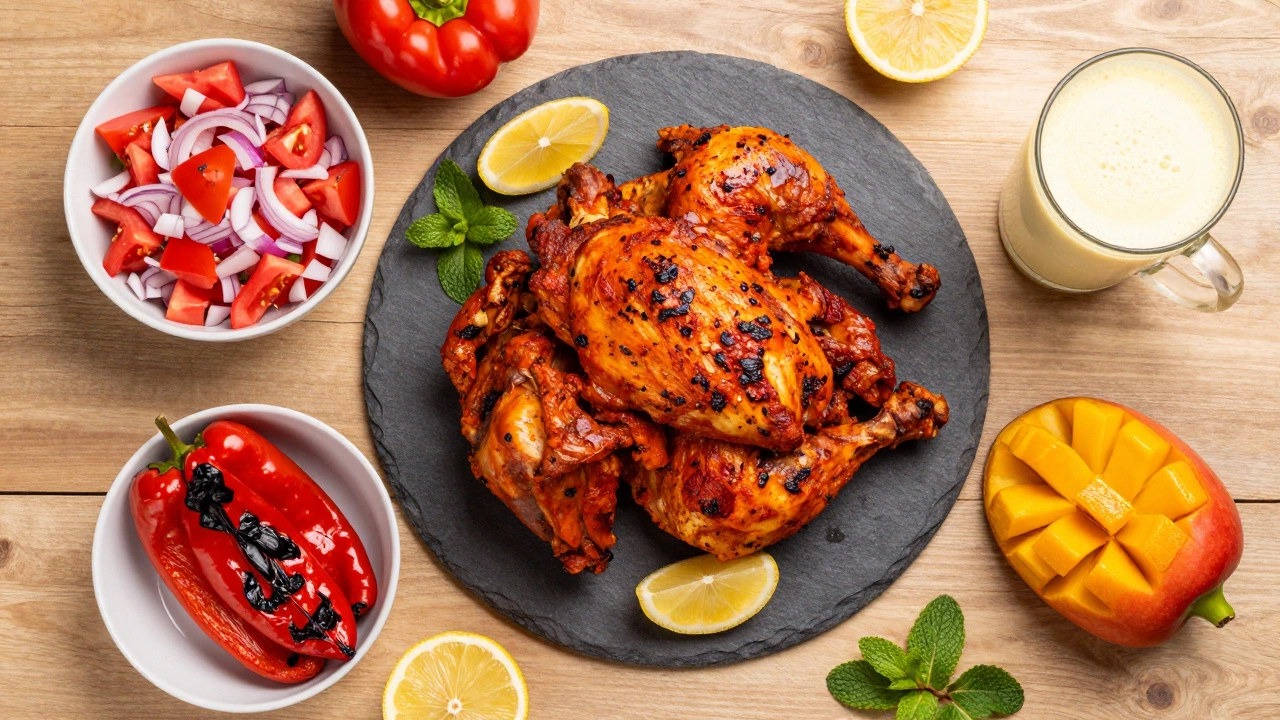
For crunch, a simple kachumber salad is unbeatable. Dice tomatoes, cucumbers, and red onions finely. Toss them with lemon juice, salt, and fresh coriander leaves. The raw vegetables provide a refreshing break from the cooked components of the meal. Serve this on the side so guests can add it to their plates as desired. It keeps the meal feeling light despite the richness of the chicken and naan.
Traditional Gravies: Butter Chicken and Korma
Some people prefer to eat tandoori chicken with a gravy rather than just bread and raita. While purists might argue against it, pairing tandoori chicken with Butter Chicken is a creamy, tomato-based curry with a mild spice level, originally created to use leftover tandoori chicken is actually historically accurate. The dish was invented in Delhi in the 1950s specifically to utilize leftover tandoori pieces. The creamy, buttery sauce coats the dry chicken, making it incredibly indulgent. If you find butter chicken too heavy, try a paneer korma. The mild, nutty flavor of the korma sauce pairs well with the robust spices of the tandoori chicken without overpowering it.
Drinks to Wash It Down
Don’t forget the beverages. Water is fine, but traditional drinks enhance the experience. Lassi is a traditional yogurt-based drink from India, available in sweet or salty varieties, perfect for cooling the palate. A sweet mango lassi feels like dessert, while a salty lassi with a hint of cumin aids digestion. For a non-dairy option, jaljeera is a refreshing drink made with cumin, black salt, tamarind, and mint. It’s fizzy, tangy, and incredibly thirst-quenching after eating spicy food. If you are serving alcohol, a crisp lager or a light white wine works well to cut through the fat and spice.
Practical Tips for Serving
When planning your menu, think about workflow. Can you prepare the sides while the chicken cooks? Raita and chutneys can be made ahead of time and stored in the fridge. Rice takes about 20 minutes, which aligns well with cooking times for many proteins. If you are making naan from scratch, do it last so it comes out hot and fresh. Pre-made frozen naan can be heated quickly in an oven or pan. Presentation matters too. Serve the tandoori chicken on a large platter in the center, surrounded by bowls of raita, chutney, and salad. Place the naan in a basket lined with a cloth to keep it warm and soft. This communal style encourages sharing and makes the meal feel festive.
Avoid overcomplicating the sides. Tandoori chicken has a strong personality. If your sides are too spicy or heavily flavored, they will clash. Stick to cooling, neutral, or complementary flavors. Also, consider dietary restrictions. If you have vegetarian guests, ensure there are enough vegetable sides like aloo gobi or paneer dishes so they aren’t left out. Offering gluten-free options like rice instead of naan is also a thoughtful touch.
Conclusion
The beauty of tandoori chicken lies in its versatility. It pairs well with almost anything that offers contrast-cooling against hot, soft against charred, sweet against savory. By combining a good base like naan or jeera rice, a cooling element like raita, and a fresh component like kachumber salad, you create a balanced and satisfying meal. Experiment with different combinations to find what suits your taste. Whether you stick to tradition or add your own twist, the key is harmony on the plate.
What is the best bread to serve with tandoori chicken?
Garlic naan is widely considered the best bread to serve with tandoori chicken. Its soft, pillowy texture contrasts nicely with the charred exterior of the chicken, and the garlic flavor complements the spices in the marinade. Plain naan is also an excellent choice if you prefer a milder flavor that lets the chicken shine.
Can I serve rice with tandoori chicken?
Yes, rice is a fantastic alternative to bread. Jeera rice (cumin rice) is the most popular choice because its subtle flavor doesn't compete with the strong spices of the tandoori chicken. Basmati rice is preferred due to its long grains and fragrant aroma. You can also try matki pulao, which includes moong dal and peas for added nutrition.
Why is raita important when eating tandoori chicken?
Raita serves two main purposes. First, it cools down the palate, which is essential since tandoori chicken can be quite spicy. The yogurt in raita contains casein, which helps break down capsaicin, the compound responsible for the heat in chilies. Second, it adds a creamy, tangy element that balances the richness of the chicken.
What vegetables go well with tandoori chicken?
Several vegetables pair well with tandoori chicken. Grilled bell peppers, onions, and mushrooms are great because they can be cooked alongside the chicken in the same oven or grill. For a side dish, aloo gobi (potatoes and cauliflower) or bhindi fry (okra) are excellent choices. These dishes offer earthy flavors and varied textures that complement the chicken.
Is it okay to eat tandoori chicken with butter chicken sauce?
Absolutely. In fact, butter chicken was originally created to use leftover tandoori chicken. The creamy, tomato-based sauce of butter chicken coats the dry, smoky pieces of tandoori chicken, creating a rich and indulgent combination. It’s a popular way to enjoy both dishes together, especially in restaurants.
What drinks pair best with tandoori chicken?
Traditional Indian drinks like lassi (yogurt drink) and jaljeera (cumin-mint soda) are excellent choices. Lassi provides a cooling effect, while jaljeera offers a refreshing, tangy kick. For alcoholic beverages, a crisp lager or a light white wine works well to cut through the richness and spice of the dish.
How do I make my tandoori chicken sides gluten-free?
To make your meal gluten-free, skip the naan and opt for rice-based sides like jeera rice or matki pulao. Ensure that your raita and chutneys are made with gluten-free ingredients. Most vegetables and salads are naturally gluten-free, but always check labels on packaged spices or sauces to avoid hidden gluten.