Dosa Batter Fermentation Calculator
Not sure how much sugar to add? Use this tool to determine the right amount for perfect rise and browning.
Recommendation
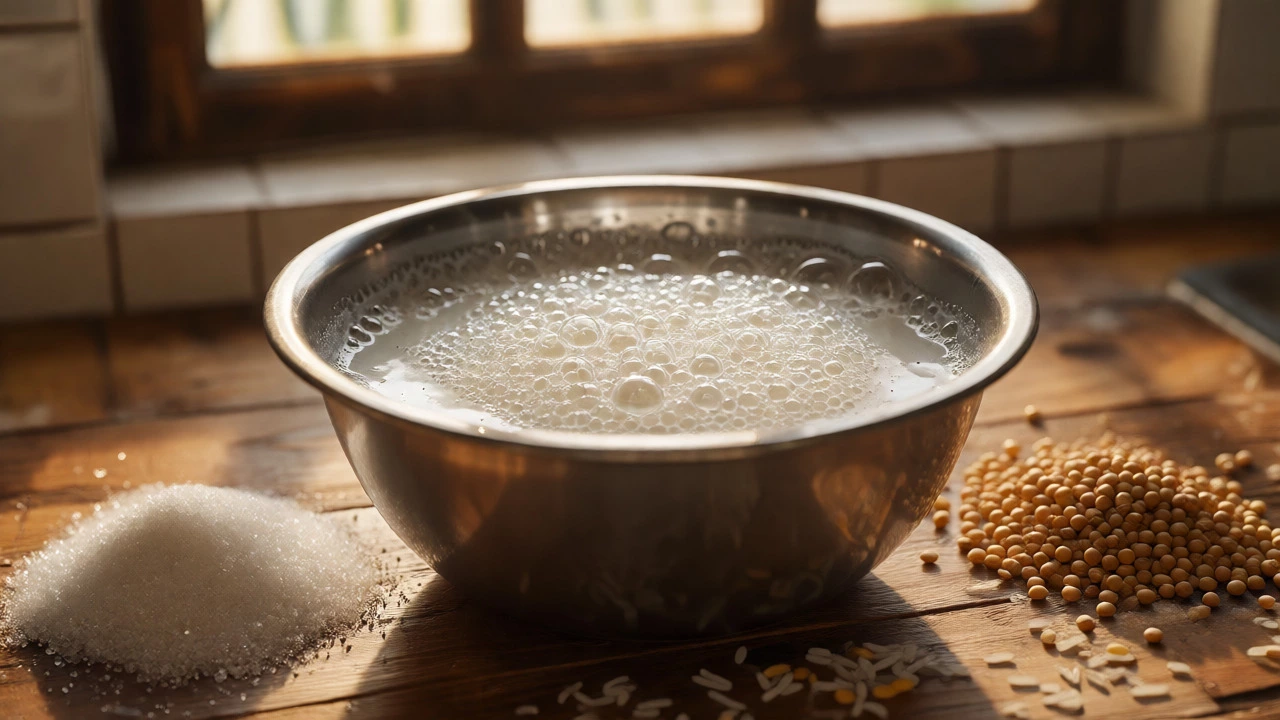
You’re standing in your kitchen, staring at a bowl of white, bubbly batter. It smells slightly sour, which is good-that means the fermentation is working. But then you see it: a small pile of granulated sugar sitting next to your urad dal and rice flour. Your instinct screams "sweet." You want to make crispy, savory dosas, not pancakes for dessert. So why does every grandmother’s recipe, from Chennai to Bangalore, insist on adding sugar to the mix?
It’s not about sweetness. In fact, if you taste the final cooked dosa, you won’t find any hint of sugar. The sugar disappears. It gets consumed. This is one of those culinary secrets that feels like magic until you understand the biology behind it. Adding sugar isn’t a flavor choice; it’s a fuel source. Specifically, it’s rocket fuel for the wild yeast and bacteria living in your batter.
The Microbial Buffet: Feeding the Fermenters
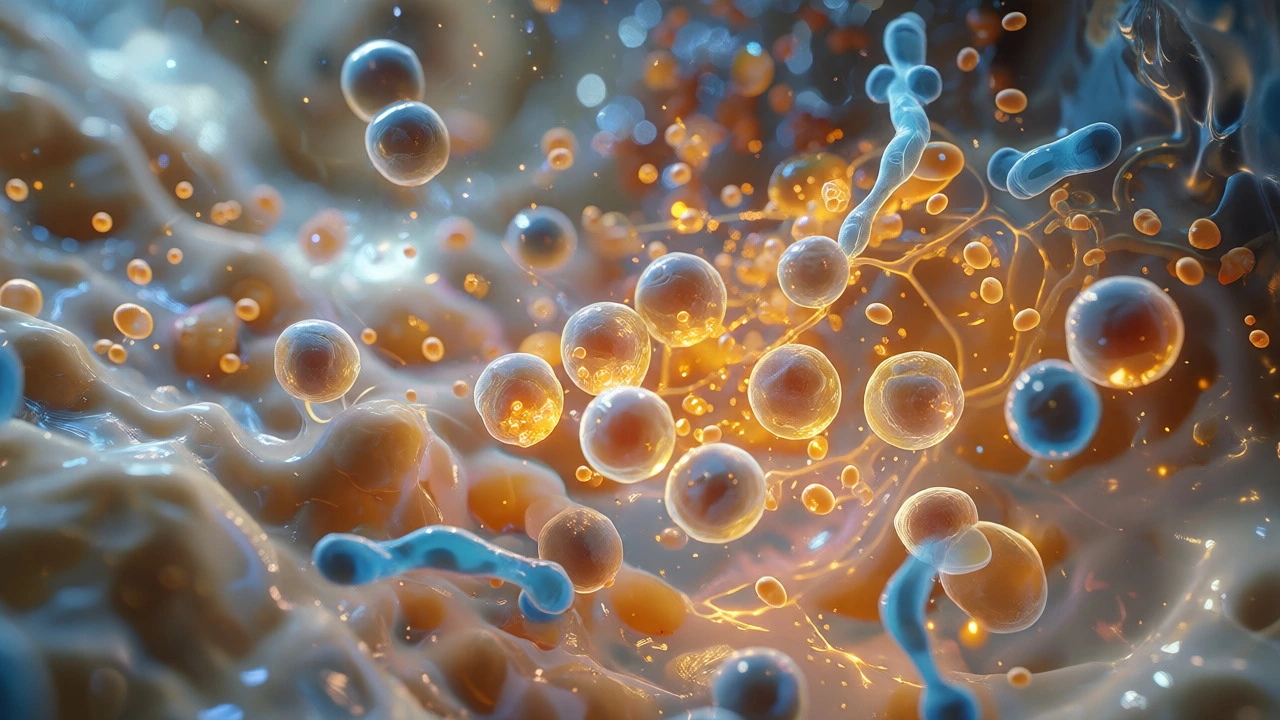
To understand why sugar is non-negotiable for many home cooks, you have to look at what’s actually happening inside that pot. Dosa batter is a complex ecosystem. It primarily relies on two types of microorganisms: Lactobacillus bacteria and wild yeasts like Saccharomyces cerevisiae. These microbes are responsible for the rise, the texture, and the characteristic tangy aroma of a perfect dosa.
Here’s the problem: rice and urad dal (black gram) don’t provide an easily accessible energy source for these microbes right away. The starches in rice are long chains of glucose molecules, tightly bound together. The proteins in urad dal are similarly complex. Breaking these down takes time and enzymatic effort. If you just mix rice and dal with water and wait, the fermentation process can be sluggish, especially if your kitchen is cool.
This is where sugar steps in. Sucrose (table sugar) is simple. It breaks down instantly into glucose and fructose. For the yeast and bacteria, this is an all-you-can-eat buffet available immediately upon mixing. They devour this easy energy, multiply rapidly, and kickstart the metabolic processes needed to ferment the rest of the batter. Without this initial boost, you might end up with a flat, dense batter that tastes more like wet cement than fluffy crepes.
| Ingredient | Primary Function | Impact on Microbes |
|---|---|---|
| Rice Flour | Structure & Crispness | Slow-release energy; provides bulk but hard to digest initially. |
| Urad Dal | Protein & Rise | Source of nitrogen and amino acids; supports bacterial growth. |
| Sugar | Quick Energy Source | Rapidly consumed by yeast/bacteria to accelerate fermentation start. |
| Fenugreek Seeds | Flavor & Color | Adds mild bitterness; may aid digestion but less critical for rise. |
Crispiness vs. Softness: The Texture Trade-Off
Have you ever made a dosa that was rubbery? Or maybe one that tore apart before you could flip it? That’s often a sign of inconsistent fermentation. Sugar helps regulate this consistency. When the microbes eat the sugar, they produce carbon dioxide gas. This gas gets trapped in the gluten-like network formed by the urad dal proteins, creating bubbles. More bubbles mean a lighter, airier batter.
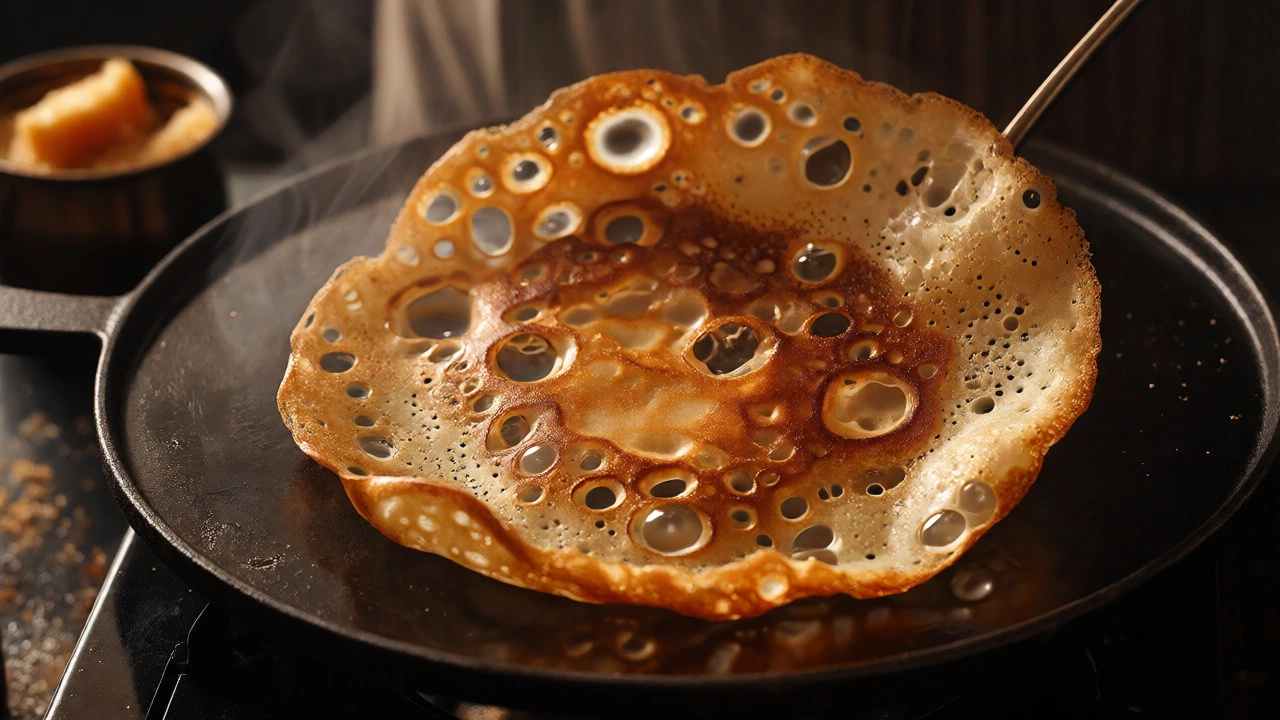
But there’s another chemical reaction at play here: the Maillard reaction. This is the browning process that gives toasted bread, seared steaks, and yes, golden-brown dosas their delicious flavor and color. The Maillard reaction requires reducing sugars and amino acids. By adding a small amount of sugar, you’re essentially pre-loading the batter with reactants. Even though most of the sugar is eaten during fermentation, the residual sugars and the breakdown products help the dosa brown faster and more evenly on the tawa (griddle).
If you skip the sugar entirely, especially in colder climates like Birmingham where I live, you’ll notice a difference. The batter might take 18-24 hours to rise instead of 8-10. The resulting dosa will likely be paler, requiring longer cooking times to get that golden hue. Longer cooking often leads to dryness rather than crispness. A pinch of sugar ensures you get that desirable crunch without overcooking the delicate crepe.
Regional Variations: To Sweeten or Not to Sweeten?
Not everyone adds sugar. If you’ve traveled through South India, you’ll know that recipes vary wildly by household and region. In some traditional households, particularly among certain Brahmin communities, no sugar is added. Instead, they rely on natural sweeteners or simply allow for a much longer fermentation period. Sometimes, a small piece of ripe banana or even a splash of pomegranate juice is used as a natural sugar substitute.
Commercial dosa mixes almost always contain added sugar or dextrose. Why? Consistency. Manufacturers need the batter to behave predictably regardless of whether the customer is in humid Kerala or dry Rajasthan. Sugar acts as a stabilizer for the microbial activity, ensuring the product rises reliably within the stated timeframe on the packet.
However, health-conscious cooks often ask: "Is this making my dosa unhealthy?" The answer is generally no. The amount of sugar used is typically minimal-about half a teaspoon per cup of rice. Given that most of it is metabolized by the bacteria, the actual glycemic load added to your plate is negligible. Unless you are strictly monitoring every milligram of carbohydrate intake, the health impact is trivial compared to the benefits of proper fermentation.
Troubleshooting: When Your Batter Won’t Rise
If you’ve been skipping the sugar and struggling with flat batter, try this experiment. Next time, add half a teaspoon of sugar per cup of dry ingredients. Mix well and leave it in a warm spot. Here is a quick checklist to diagnose why your previous batches failed:
- Temperature Check: Yeast loves warmth (around 30°C/86°F). If your kitchen is cold, the microbes go dormant. Sugar helps them wake up faster, but they still need heat. Use an oven with just the light on, or wrap the pot in a towel.
- Water Quality: Chlorinated tap water can kill wild yeast. Let your water sit out for 24 hours to let chlorine evaporate, or use filtered water.
- Ratio Matters: Too much rice makes the batter heavy and hard to ferment. Stick to a standard ratio, usually 3 parts rice to 1 part urad dal, or adjust based on your preference for crispness versus softness.
- Time Patience: Don’t rush it. Even with sugar, fermentation takes time. If it hasn’t risen after 12 hours, give it another 4-6 hours.
One common mistake is adding too much sugar. Remember, we aren’t making cake batter. Over-sweetening can lead to excessive acidity or a sticky texture that burns quickly on the pan. Start small. You can always add more next time if the rise is insufficient, but you can’t take it out once it’s mixed.
Beyond Sugar: Other Natural Boosters
If you prefer to avoid refined sugar, you have options. Many experienced cooks swear by alternatives that serve the same purpose: feeding the microbes while adding subtle complexity to the flavor profile.
Jaggery is a popular alternative. It’s unrefined cane sugar, retaining trace minerals and molasses flavors. It works exactly like white sugar for fermentation but adds a deeper, earthier note to the batter. Just ensure it dissolves completely in the soaking water or grinding stage so it doesn’t create hotspots of high osmotic pressure that could shock the microbes.
Another trick is using a small amount of cooked rice. The gelatinized starch in cooked rice is easier for enzymes to break down than raw rice flour. This provides a slow, steady release of sugars throughout the fermentation process, rather than the immediate spike provided by sucrose. Some families also add a few fenugreek seeds, which not only aid fermentation but contribute to the signature aroma of idlis and dosas.
The Final Verdict: Should You Add It?
So, do you need to add sugar to your dosa batter? If you are a beginner, or if you live in a cooler climate, absolutely yes. It removes the guesswork from fermentation. It guarantees a rise, improves browning, and ensures a consistent texture. It transforms a risky biological experiment into a reliable cooking routine.
If you are an expert who controls temperature perfectly and has access to strong starter cultures, you might manage without it. But for the vast majority of home cooks, that tiny pinch of sugar is the secret ingredient that separates a mediocre homemade dosa from the restaurant-quality crisp you crave. It’s not about sweetness; it’s about success.
Does adding sugar make dosa sweet?
No, it does not. The sugar is consumed by the yeast and bacteria during the fermentation process. By the time you cook the dosa, nearly all the added sugar has been converted into carbon dioxide (for rising) and alcohol/acids (for flavor), leaving no residual sweetness.
How much sugar should I add to dosa batter?
A general rule of thumb is 1/2 to 1 teaspoon of sugar per cup of dry rice/dal mixture. This is enough to feed the microbes without altering the chemistry negatively. Adjust based on how well your batter ferments in your specific environment.
Can I use honey or jaggery instead of sugar?
Yes, both work well. Jaggery is a great traditional alternative that adds depth of flavor. Honey can also be used, but because it contains natural antimicrobial properties, use it sparingly and ensure it is fully dissolved to avoid inhibiting the fermentation process.
What happens if I forget to add sugar?
Your batter may ferment more slowly, especially in cool weather. It might result in a flatter, denser dosa that browns slower. If you realize early, you can stir in a little sugar solution, but it’s best to add it during the initial mixing phase for even distribution.
Is sugar necessary for commercial dosa mixes?
Most commercial mixes include sugar or dextrose to ensure consistent fermentation results for consumers worldwide, regardless of their local climate conditions. It acts as a stabilizer for the dried yeast cultures included in the package.