Curry Powder: What It Is, How It’s Used, and Why It’s Essential in Indian Kitchens
When you think of curry powder, a blended spice mix used across Indian and global kitchens to build depth and warmth in dishes. Also known as curry spice blend, it’s not a single recipe but a flexible foundation—each home, region, and cook tweaks it to match their taste. It’s not just a store-bought jar you toss into a pot. Real curry powder starts with whole spices toasted, ground, and balanced—cumin for earthiness, coriander for brightness, turmeric for color and calm, fenugreek for a hint of bitterness that ties it all together.
What most people don’t realize is that Indian curry spices, the individual components that make up curry powder are rarely used pre-blended in traditional homes. Instead, cooks toast cumin seeds, mustard seeds, or dried red chilies fresh for each dish. But curry powder? That’s the shortcut that still delivers real flavor—when it’s good. It’s what turns plain chicken or lentils into something comforting and complex. And while garam masala, a finishing spice blend added at the end of cooking, often confused with curry powder is warmer and more aromatic, curry powder is the base—built to bloom in oil, release its oils, and carry the dish from start to finish.
Curry powder doesn’t just belong in the kitchen. It’s tied to history, trade, and adaptation. British colonists brought Indian spice blends back home, simplified them, and turned them into the red-orange powder we see on supermarket shelves today. But in India, the real magic is in the variation—South Indian curry powders lean toward coconut and dried chilies, while North Indian versions use more cumin and asafoetida. Even within families, no two blends are exactly alike. That’s why when you see posts here about curry ingredients, you’ll find people asking how to fix a bland curry, what to swap if they’re out of turmeric, or how to make their own blend from scratch.
You’ll also find stories about how curry powder plays into bigger habits—like using it in chutneys to deepen flavor, or how it’s the secret behind the color and warmth in tandoori marinades. It’s not just a spice. It’s a flavor language. And if you’ve ever wondered why your curry tastes flat, or why restaurant versions always seem richer, the answer often starts with the blend you’re using—or not using.
Below, you’ll find real questions from real cooks: how to replace it when you’re out, how to make it without a grinder, which brands actually work, and how to use it beyond chicken curry. No fluff. No theory. Just what works in the kitchen, day after day.
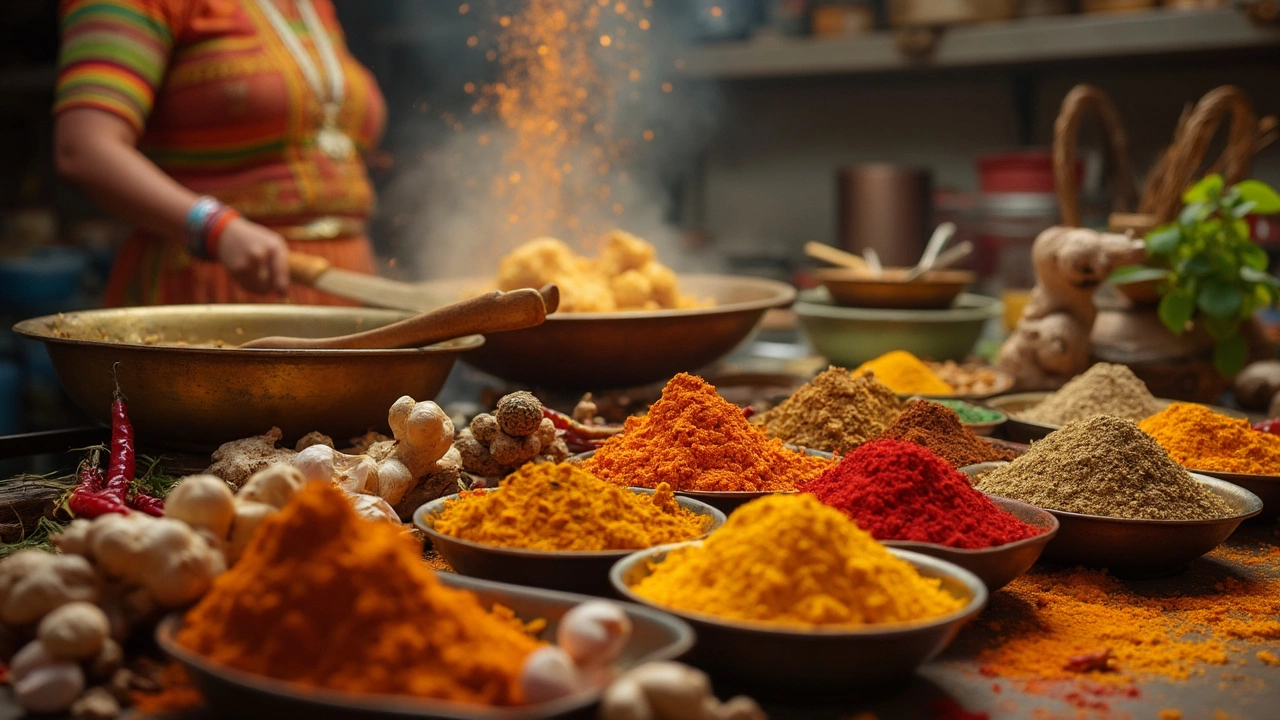
Curry Powder: The Popular Spice Behind Chicken Curry’s Magic
Discover what makes curry powder so popular in chicken curry, and learn about the key ingredients that give it the signature flavor. This article covers interesting facts, handy tips, and common mistakes when using curry spices. Understand the difference between curry powder and garam masala, and get ideas for making your own blend at home. Perfect for anyone wanting to up their curry game.