Curry Spice: Essential Flavors and How They Work in Indian Cooking
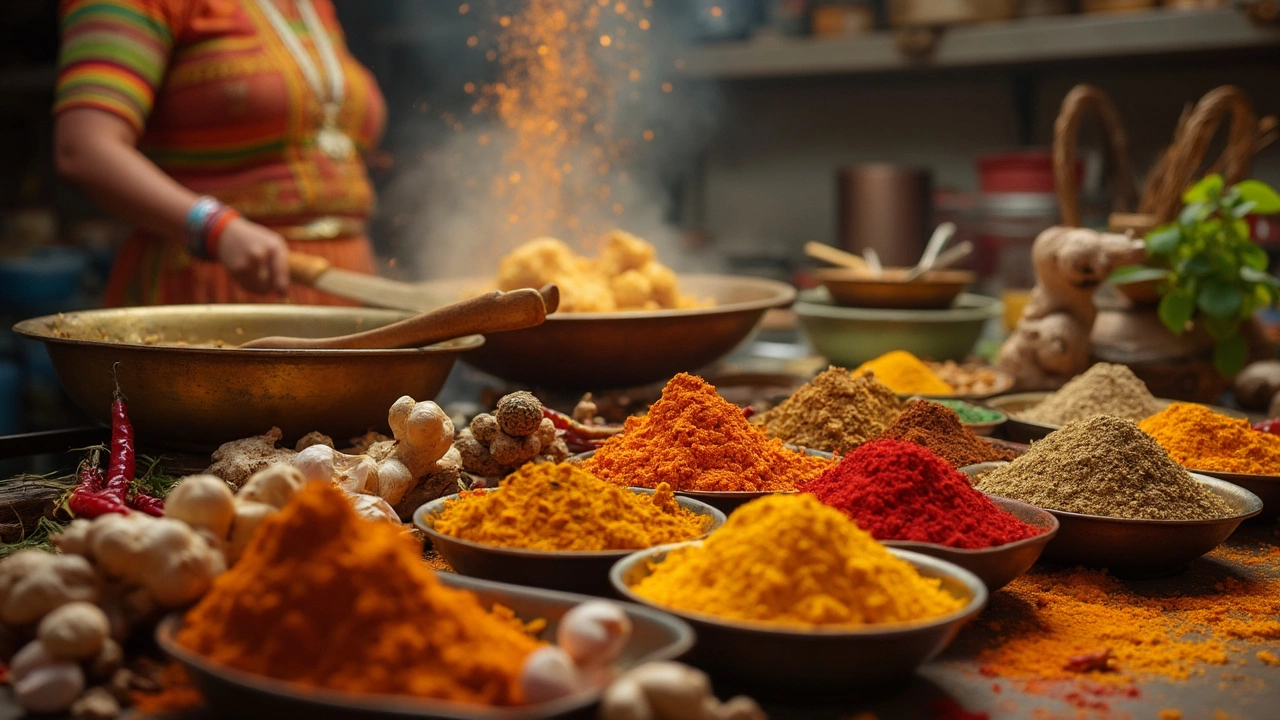
When you think of curry spice, a dynamic blend of ground spices used to build depth and warmth in Indian dishes. Also known as curry powder, it’s not a single ingredient but a signature mix that varies by region, family, and cook. This isn’t the stuff you find in a generic jar at the supermarket. Real curry spice starts with toasted whole seeds—cumin, coriander, mustard—then ground with turmeric, fenugreek, chili, and sometimes cardamom or cloves. It’s the backbone of dals, chicken curries, and vegetable stews across India.
What makes curry spice so powerful isn’t just heat—it’s balance. turmeric, the golden root that gives curry its color and anti-inflammatory properties works with cumin, a earthy, warm seed that aids digestion and adds body to create layers that linger. You don’t just add it to food—you bloom it in oil, letting the heat unlock its oils and aromas. That’s why your mom’s curry tastes different from your neighbor’s. It’s not about the recipe—it’s about how the spices are treated.
Curry spice doesn’t exist in a vacuum. It’s tied to how you cook: the oil temperature, the order you add onions or garlic, even the type of pot you use. In South India, curry spice leans into coconut and tamarind. In the North, it’s richer with garam masala and cream. And in home kitchens, it’s often made fresh—ground in a mortar and pestle or a small grinder right before cooking. That’s why store-bought blends often fall flat. Freshness matters more than quantity.
You’ll find curry spice in almost every recipe here—from the yogurt-marinated tandoori chicken to the anti-inflammatory dal recipes that use turmeric as medicine. It’s in the chutneys that cut through richness, the roti fillings that warm the belly, and the biryani rice that smells like a festival. Whether you’re making paneer from scratch or fixing bitter lentils, curry spice is the quiet hero that ties it all together.
What you’ll find below isn’t just a list of recipes. It’s a look at how curry spice shows up in real kitchens—how it’s used, adjusted, and sometimes even replaced when ingredients are missing. You’ll see how it works with lemon substitutes in paneer, how it transforms street food, and why some dishes rely on it more than others. No fluff. Just real, usable insights from people who cook this every day.
Curry Powder: The Popular Spice Behind Chicken Curry’s Magic
Discover what makes curry powder so popular in chicken curry, and learn about the key ingredients that give it the signature flavor. This article covers interesting facts, handy tips, and common mistakes when using curry spices. Understand the difference between curry powder and garam masala, and get ideas for making your own blend at home. Perfect for anyone wanting to up their curry game.

Unveiling the Key Spice in Chicken Curry
Curious about the most vital spice in chicken curry? This article uncovers the secret behind that mouth-watering aroma and flavor, exploring why one particular spice stands out. Discover interesting facts and practical cooking tips to elevate your dish. Dive into the history and regional variations that make curry such a beloved meal.