Dosa: The Crispy South Indian Pancake Made Simple
When you think of dosa, a thin, crispy fermented pancake made from rice and lentils, popular across South India and beyond. Also known as dosai, it’s more than just breakfast—it’s a daily ritual in millions of homes, served with coconut chutney, sambar, and sometimes even potato curry. This isn’t just a snack. It’s a dish built on patience, tradition, and the science of fermentation.
What makes a good dosa? It starts with the batter. A mix of rice and urad dal (black gram), soaked, ground, and left to ferment overnight. The magic happens when bacteria and yeast turn the sugars into bubbles, making the batter light and airy. Without fermentation, you get a flat, dense disc. With it, you get that signature crisp edge and soft center. You don’t need fancy tools—just a bowl, a grinder, and time. And while traditional recipes stick to rice and dal, modern versions use oats, millet, or even quinoa for gluten-free or higher-protein twists. The core hasn’t changed: it’s about balance, texture, and heat.
People often confuse dosa with other Indian flatbreads like roti or chapati, but they’re totally different. Roti is made from wheat and cooked on a dry griddle. Dosa is a batter-based crepe, fried with oil, and meant to be crispy. It’s also naturally vegan when made without ghee, which is why it’s one of the most popular vegan Indian dishes, plant-based meals that require no dairy or animal products. You’ll find it in street stalls, home kitchens, and even upscale restaurants. And because it’s so versatile, you can fill it with spiced potatoes, paneer, or just eat it plain with chutney.
There’s a reason dosa shows up in nearly every Indian breakfast guide. It’s quick to cook once the batter’s ready, keeps well in the fridge for days, and freezes beautifully. Plus, it’s a gateway dish—once you master the batter, you can try masala dosa, neer dosa, or even sweet versions with jaggery. The posts below cover everything from how to fix a batter that won’t ferment, to why your dosa sticks to the pan, to what happens when you swap rice for millet. You’ll find real tips from people who make this every day—not theory, not fluff. Just what works.
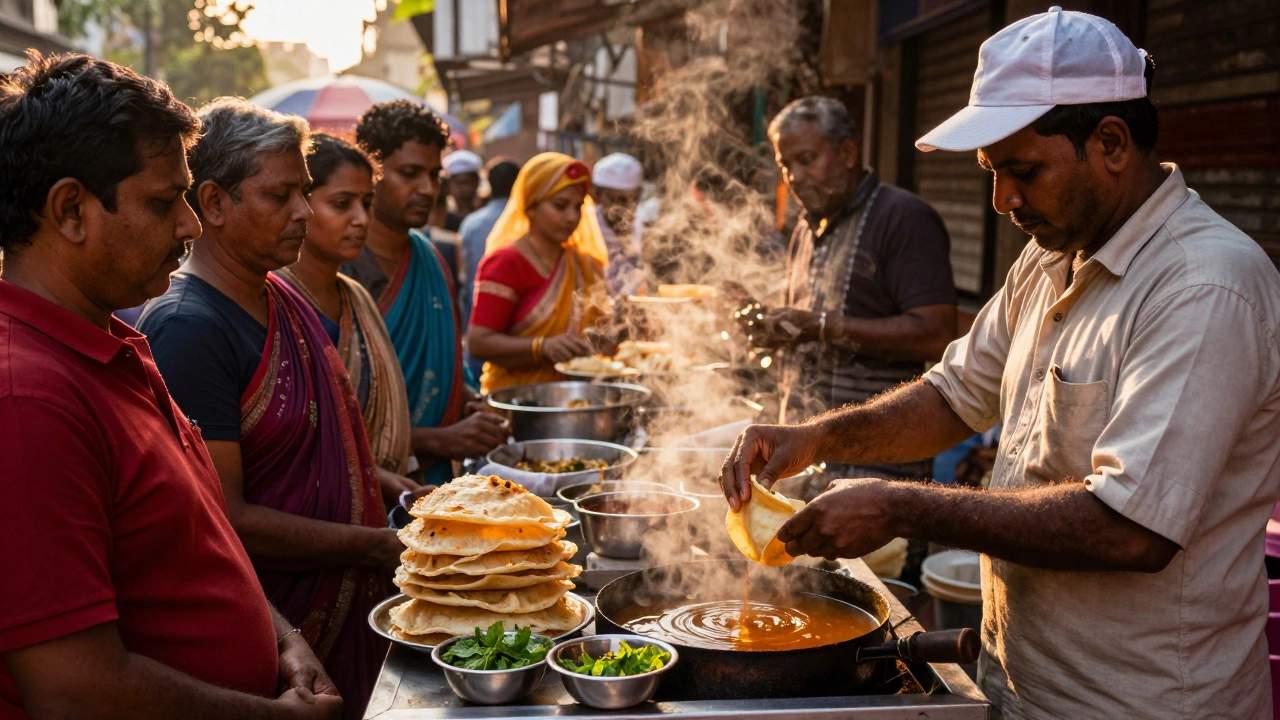
What Is the Main Street Food in India? Top Picks Across the Country
India doesn't have one single main street food, but pani puri comes closest-eaten from Mumbai to Kolkata, it's cheap, crunchy, and bursting with flavor. Discover the top street dishes across regions and how to eat them like a local.
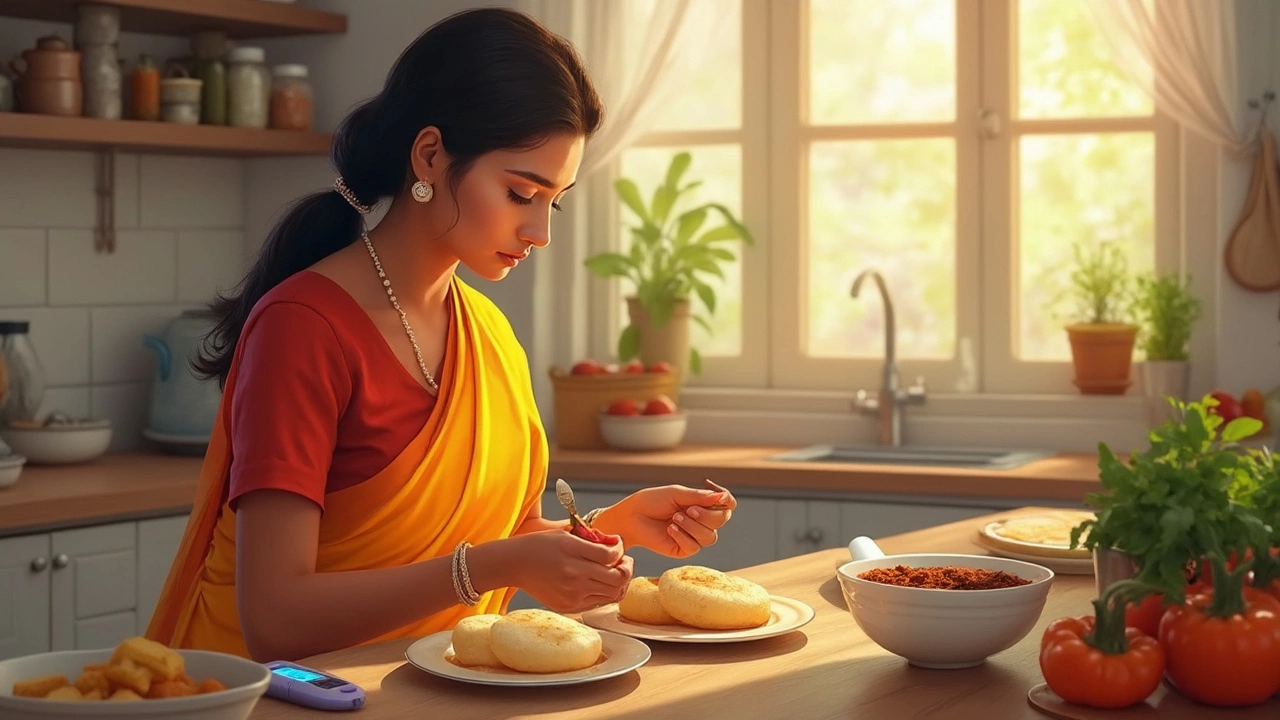
Can a Diabetic Person Eat Idli and Dosa? Expert Answers & Tips
Wondering if idli and dosa are safe for people with diabetes? This article dives deep into what happens when a diabetic person eats these South Indian staples, breaking down real nutrition facts, portion tips, and simple ways to make them healthier. Get concrete advice for managing your blood sugar without missing out on your favorite breakfast. Easy swaps, common pitfalls, and actionable tips included. No confusing jargon, just practical help.
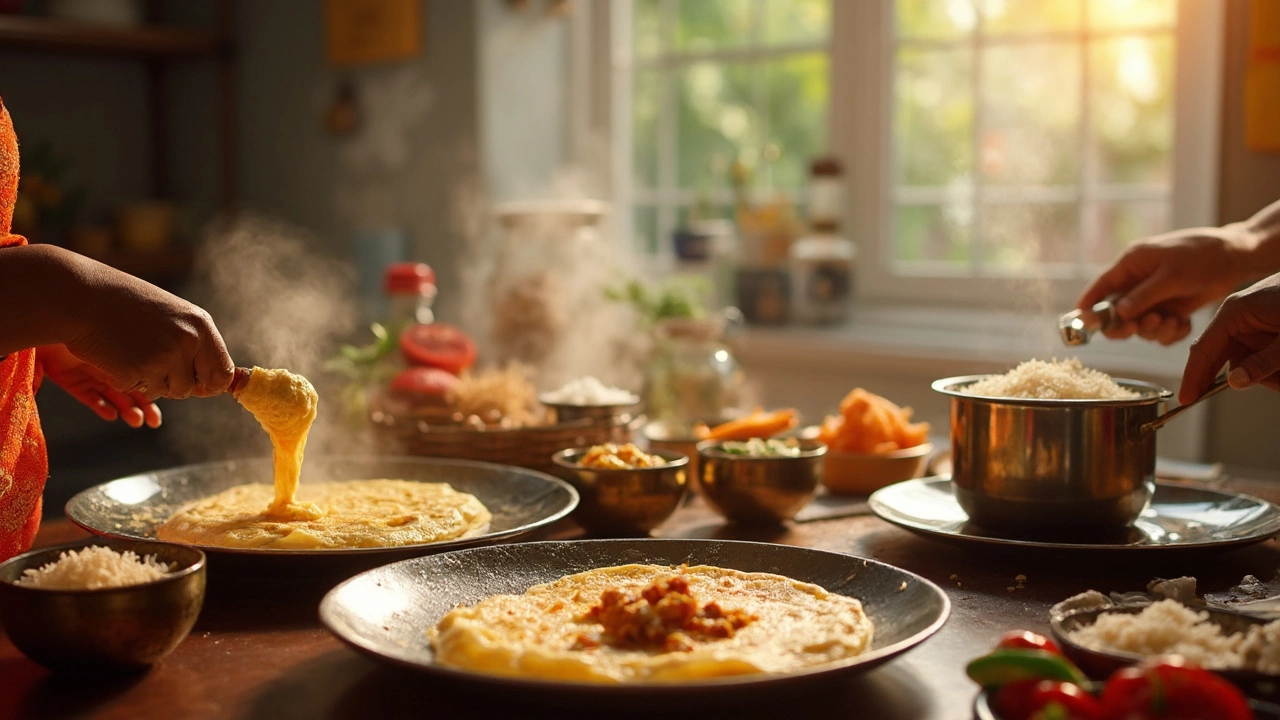
Is Dosa Healthier or Rice? Nutrition Facts You Should Know
Figuring out if dosa is healthier than plain rice isn’t as clear-cut as you’d think. Both are staple foods you’ll find on most Indian tables, but their nutrition, benefits, and impact on your body can be surprisingly different. This article breaks down calories, nutrients, and even little-known facts about how they’re made. If you’re torn between dosa and rice, or simply want to know which fits better into your diet, you’ll find practical answers here. You’ll also get useful tips to make both options healthier at home.