Dosa Batter: What It Is, How It Works, and Why It Matters
When you think of dosa batter, a fermented mixture of rice and urad dal used to make thin, crispy Indian crepes. Also known as dosa batter mixture, it’s the foundation of one of India’s most loved breakfasts and street food staples. This isn’t just flour and water—it’s a living, breathing culture that transforms simple grains into something light, tangy, and crisp. The magic happens overnight, as wild yeast and bacteria do their work, turning starch into bubbles and flavor. Without proper fermentation, you don’t get a dosa—you get a flat, dense pancake.
What goes into dosa batter? The classic recipe uses rice, a short-grain variety that softens well and gives structure and urad dal, black gram lentils that whip up into a fluffy, sticky foam when ground. The ratio matters: too much rice and it’s brittle; too much dal and it’s gummy. Salt, water, and sometimes fenugreek seeds (for better rise) complete the mix. It’s not complicated, but it’s precise. And temperature? It’s everything. In colder climates, you need a warm spot—a turned-off oven with the light on, a sunny windowsill, even a thermos with warm water. If it’s too cold, the batter won’t ferment. Too hot, and it turns sour too fast.
People often confuse dosa batter with idli batter—they’re cousins, not twins. Idli batter is thicker, steamed, and softer. Dosa batter is thinner, fried, and crisp. But both rely on the same fermentation process. That’s why knowing how to fix a failed batch matters. If it doesn’t rise, you can try adding a pinch of baking soda (not ideal, but it helps). If it smells off, toss it. Fermentation isn’t guesswork—it’s science you can taste. And once you get it right, you’ll make dosas, uttapams, even fermented rice pancakes for your kids’ lunchboxes.
You’ll find posts here that break down exactly what ingredients work best, how to adjust for humidity, what happens if you skip soaking the dal, and how to store batter for later use. Some share tricks from South Indian grandmothers. Others test alternatives like millet or quinoa for gluten-free versions. There’s no single ‘right’ way—but there are plenty of ways that work. Whether you’re trying to make your first dosa or perfect your 50th, this collection gives you the real, tested advice you need—no fluff, no hype, just what happens when you mix rice, dal, and time.
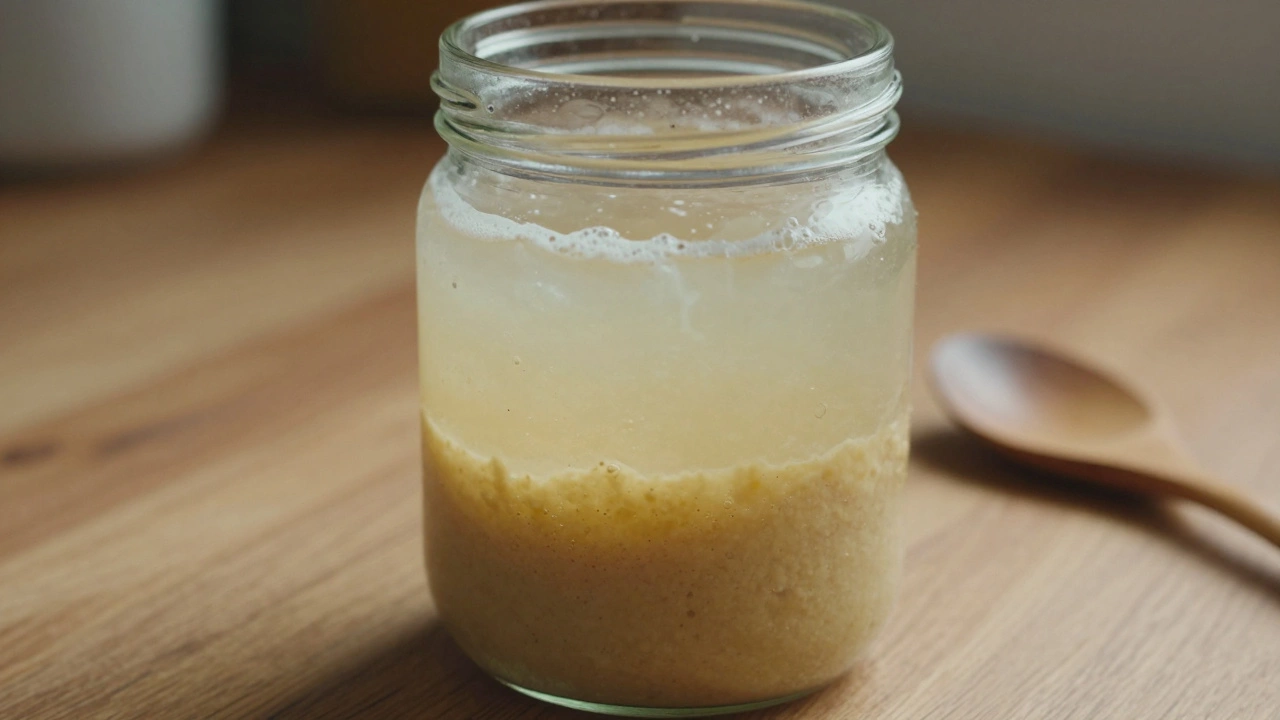
Can You Use 2-Week-Old Dosa Batter? Safety, Flavor, and What Really Happens
Can you use 2-week-old dosa batter? While it may not be moldy, over-fermented batter loses texture and flavor. Learn when it's safe, when to throw it out, and why fresh batter always tastes better.
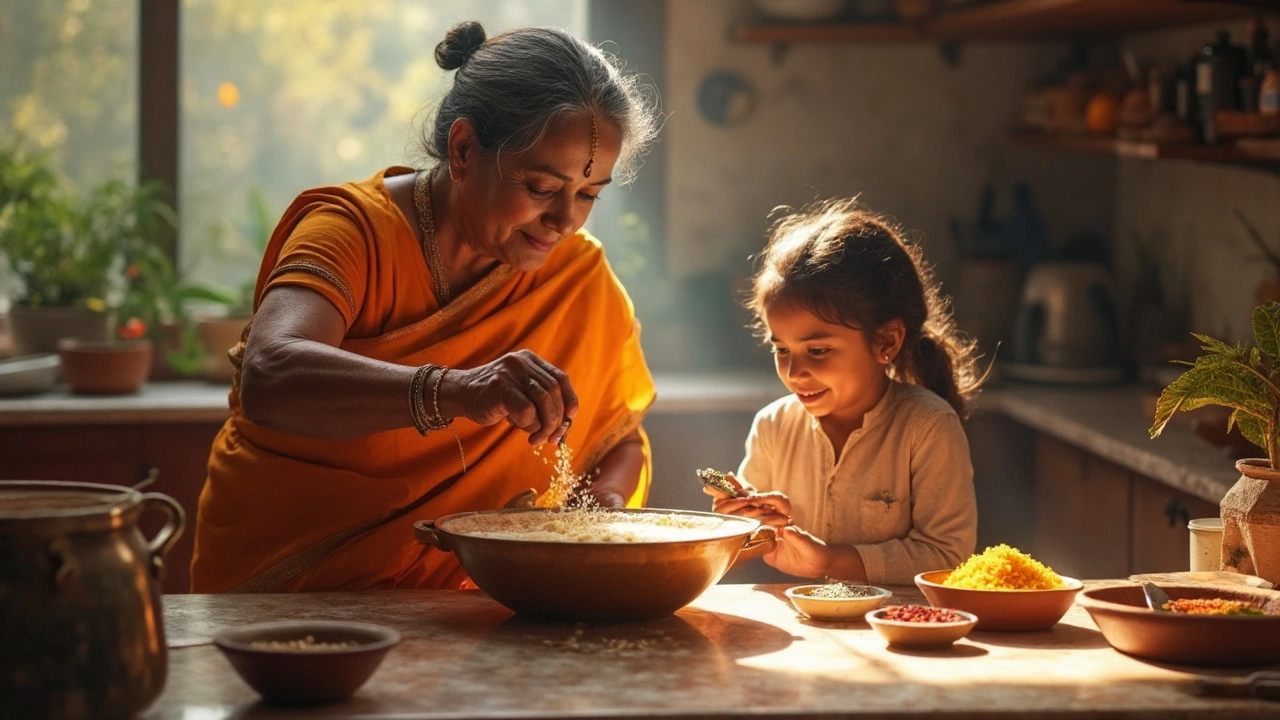
Why is Fenugreek Added to Dosa Batter? The Crucial Ingredient Explained
Fenugreek isn't just thrown into dosa batter for tradition's sake—it plays a serious role in texture, taste, and fermentation. Wonder why your homemade dosas aren't as fluffy or crispy as the ones at your favorite South Indian joint? The secret could be a pinch of fenugreek. This article breaks down what exactly fenugreek does in the batter, how much you need, and smart hacks to perfect your dosas every time. You’ll get practical tips to make your dosa game strong, whether you're a beginner or a kitchen veteran.