Ghee in Indian Cooking: Uses, Benefits, and How It Fits Into Everyday Meals
When you think of Indian cooking, ghee, a clarified butter used for centuries in South Asian kitchens, known for its rich flavor and high smoke point. Also known as clarified butter, it’s not just a fat—it’s a carrier of flavor, a ritual in many homes, and a key ingredient that turns simple meals into something deeper. You’ll find it in the tempering of dal, brushed on warm roti, or fried into rice for biryani. It’s the reason some dishes taste like home—even if you’ve never been to India.
Ghee isn’t just about taste. It’s made by slowly simmering butter until the milk solids separate and brown, leaving behind pure golden fat. That process removes water and lactose, making it a go-to for people avoiding dairy. Unlike regular butter, it doesn’t burn easily, so it’s perfect for frying spices or searing vegetables. In many households, ghee is stored in jars and used for months. It doesn’t need refrigeration. It lasts. And it carries the scent of toasted nuts and caramelized milk—something you can’t replicate with oil or margarine.
It’s also tied to health traditions. Ayurveda calls ghee a healing fat, used to aid digestion and soothe inflammation. Modern cooks notice its role in carrying fat-soluble vitamins and enhancing the absorption of turmeric and other spices. You won’t find ghee in every Indian dish—some regions use coconut oil or mustard oil—but where it appears, it’s intentional. It’s not an accident that tandoori chicken gets its richness from ghee, or that sweet halwa gets its melt-in-your-mouth texture from it.
What’s interesting is how ghee connects to so many of the recipes you’ll find here. Making paneer? Some recipes use ghee to fry the cheese. Making roti? A dab on the hot tawa keeps it soft. Cooking biryani? Ghee layers the rice. Even chutneys get a splash of ghee to deepen their flavor. It’s the quiet backbone of flavor in Indian kitchens—not flashy, but always there.
You’ll see it in the difference between a bland dal and one that sings. You’ll taste it in the crisp edge of a dosa. You’ll feel it in the way a simple rice dish becomes comforting. This collection doesn’t just show you how to use ghee—it shows you how it shapes the soul of Indian cooking. Whether you’re making it from scratch, buying it at the store, or just wondering why your mom always kept a jar on the counter, you’ll find answers here. These posts aren’t just recipes—they’re stories about how one simple fat holds together meals, memories, and traditions.
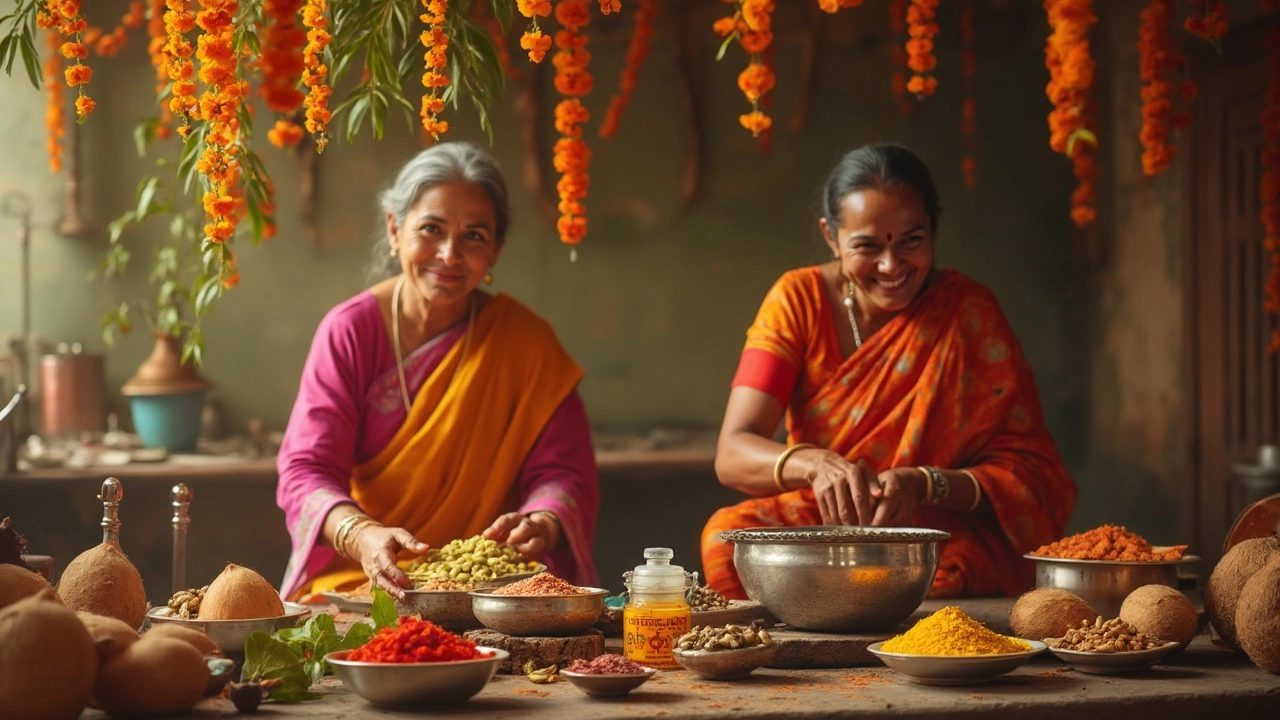
Main Ingredients of Indian Sweets: Ghee, Milk, Sugar & More Explained
Ever wondered what gives Indian sweets their signature taste? Explore the real heroes behind laddus, barfi, jalebi and rasgulla, plus tips and facts.