Hindi word for sugar: What Indians call it and why it matters in cooking
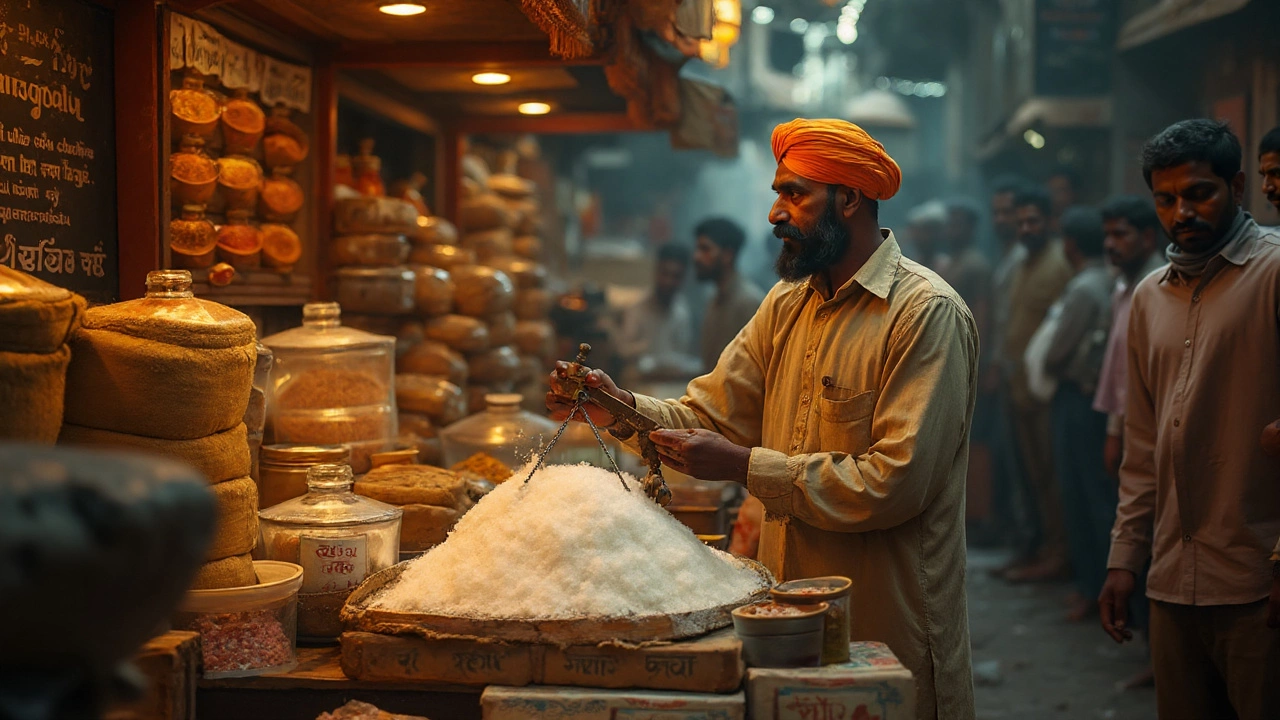
When you hear the Hindi word for sugar, the most common term used in homes and markets across India is "shakkar". Also known as "chini", it’s the everyday sweetener in tea, desserts, and snacks—but it’s not the only kind used. In Indian kitchens, sugar isn’t just one thing—it’s a family of sweeteners, each with its own flavor, texture, and purpose.
Then there’s gur, unrefined jaggery made from sugarcane or date palm sap. It’s darker, richer, and full of minerals, often used in winter sweets like gur ki roti or ladoos. Unlike white shakkar, gur has a molasses depth that changes the whole taste of a dish. And don’t forget khandsari, a coarse, semi-refined sugar still common in rural areas and traditional recipes. These aren’t just synonyms—they’re different ingredients with different roles. Using the wrong one can turn a sweet dish into something bitter, gritty, or too heavy.
Why does this matter? Because Indian cooking doesn’t treat sugar like a background player. It’s part of the spice balance—sweetness cuts heat, softens tang, and rounds out flavors. In chutneys, gur adds body. In dal, a pinch of shakkar lifts the spices. In biryani, sugar helps caramelize onions and gives that subtle crust on the bottom. Knowing the Hindi word for sugar is just the start. Knowing which sugar to use, when, and why? That’s what turns good cooking into great cooking.
Looking at the recipes on this site, you’ll see how often sugar shows up—not just in desserts, but in savory dishes, pickles, and even chutneys. From perfecting paneer without lemon to making chutney that lasts, the type of sweetener changes everything. You’ll find guides on how to substitute sugar in traditional recipes, how to use jaggery instead of white sugar for better health, and why some Indian grandmothers still swear by hand-ground gur. This isn’t about spelling—it’s about understanding the soul of Indian sweetness.
What Is the Indian Word for Sugar? Hindi Name, Regional Variants, Meaning & Pronunciation
Wondering what Indians call sugar? Get the Hindi name, regional equivalents, pronunciations, and quick phrases for shops and recipes. Clear, useful, and no fluff.