Historical Desserts India: Sweet Traditions from India's Past
When you think of historical desserts India, sweet treats shaped by royal kitchens, temple rituals, and village harvests over centuries. Also known as traditional Indian sweets, these desserts aren’t just sugar and spice—they’re stories served on a plate. Long before modern bakeries, Indian households made sweets using jaggery, ghee, milk solids, and nuts, passed down through generations. These weren’t snacks—they were offerings, celebrations, and symbols of hospitality.
The Mughal desserts, rich, nut-heavy confections born in imperial courts. Also known as royal Indian desserts, it brought saffron, rosewater, and cardamom into the mix. Gulab jamun, barfi, and phirni didn’t just appear overnight—they evolved from Persian influences, refined by cooks in Delhi and Lucknow. Meanwhile, in South India, temple kitchens made payasam from rice, jaggery, and coconut milk, offering it as prasadam. These weren’t fancy dishes—they were sacred, simple, and made with what the land provided.
Across India, ancient Indian confections, sweet foods rooted in Ayurveda and seasonal cycles. Also known as village sweets, it used natural sweeteners like date palm jaggery or honey, not refined sugar. In Rajasthan, ghevar was fried in ghee and soaked in syrup during monsoons. In Bengal, sandesh emerged from chhena, the same cheese used in paneer, but turned into delicate, melt-in-mouth bites. These desserts didn’t need fancy tools—just clay pots, wood fires, and hands that knew exactly how long to stir.
Today, you’ll find these same recipes in homes from Varanasi to Vellore. But the stories behind them? Few remember. The historical desserts India you taste today carry the weight of kings, farmers, monks, and grandmothers who never wrote down their recipes—they taught them by doing. What you’ll find below are real posts that dig into how these sweets were made, why they mattered, and how you can still make them today without a royal kitchen.
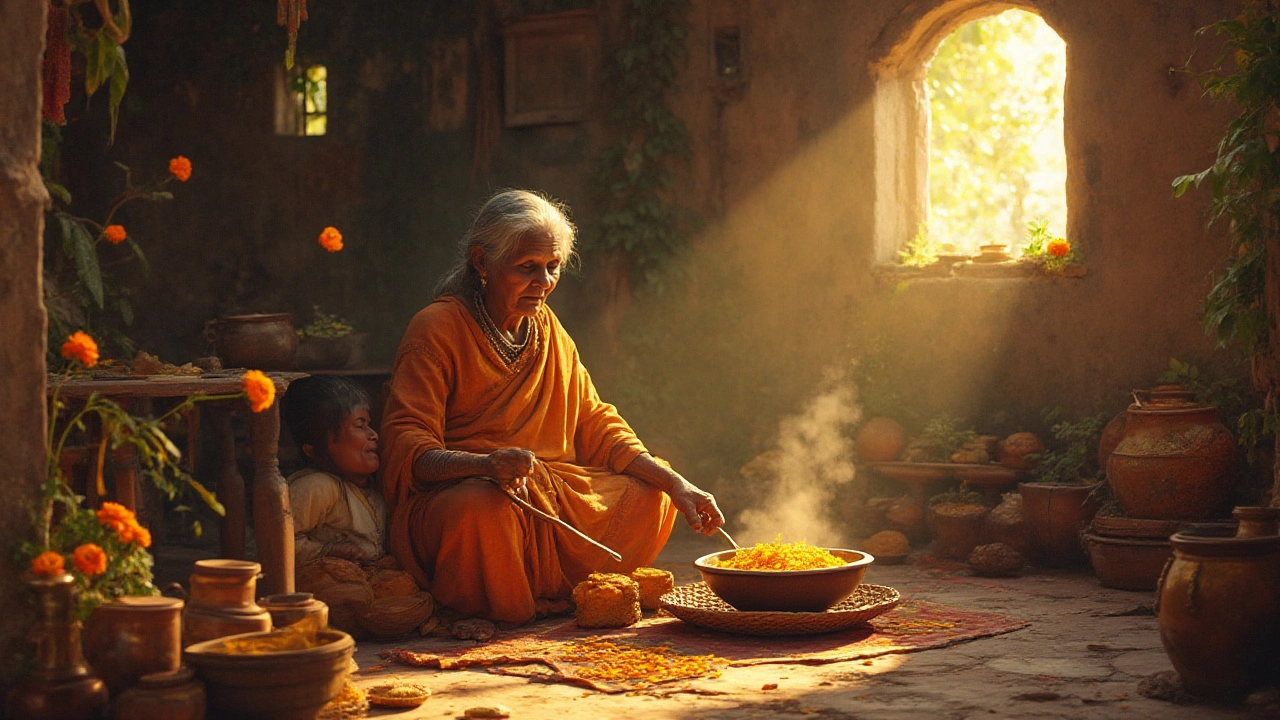
Oldest Indian Dessert: Tracing the Ancient Sweets of India’s Culinary Heritage
Discover the oldest Indian dessert and unravel the fascinating stories, ancient recipes, and cultural importance behind India’s timeless sweet traditions.