Indian Cheese: What It Is, How It's Made, and Why It's Different
When people think of Indian cheese, a category of fresh, non-melting dairy products central to South Asian cooking, especially paneer. Also known as paneer, it is a staple in homes from Delhi to Chennai, used in curries, snacks, and even desserts. Unlike the aged, melty cheeses you find in Europe or North America, Indian cheese is made fresh daily—no aging, no rinds, no complex cultures. It’s simple: heat milk, add acid to curdle it, strain the solids, and press them into a firm block. That’s it. No rennet. No aging. Just milk, heat, and a splash of lemon or vinegar.
This is why paneer, a soft, crumbly cheese made by curdling milk with acid. Also known as Indian cottage cheese, it is the most common form of Indian cheese shows up in so many recipes. It holds its shape when fried, grilled, or simmered in gravy—something most Western cheeses can’t do. That’s why you’ll find it in paneer tikka, palak paneer, and even paneer butter masala. It’s not just a substitute for meat—it’s a flavor carrier, a texture anchor, and a protein powerhouse. And it’s cheap to make at home, which is why most Indian households don’t buy it from the store. They make it themselves, often daily.
But Indian cheese isn’t just paneer. There’s chhena, a softer, moister version of paneer used in sweets like rasgulla and sandesh. Also known as cottage cheese for desserts, it is the base for many Bengali and Odia sweets. Then there’s kalari, a stretched-curd cheese from Jammu and Kashmir, often grilled or fried like a cheese stick. Also known as Kashmiri mozzarella, it is a regional specialty rarely found outside the Himalayas. These aren’t just regional oddities—they’re proof that Indian cheese is diverse, deeply tied to local traditions, and rarely imported. Most of it is made in village homes, small dairies, or street-side stalls.
What makes Indian cheese unique isn’t just how it’s made—it’s how it’s used. It doesn’t melt over pizza. It doesn’t go on a charcuterie board. It’s fried until golden, simmered in creamy sauces, stuffed into parathas, or soaked in syrup. It’s not a garnish—it’s the main event. And because it’s made fresh, it’s always mild, never sharp. That’s why so many people ask, "Why does my paneer taste bland?"—it’s supposed to. The flavor comes from the spices, the yogurt marinade, the garlic and ginger paste. The cheese just holds it all together.
That’s why you’ll find posts here about how to make paneer without lemon, why it costs so much, and how to keep it from falling apart in curries. You’ll see how it compares to tofu, what to use if you’re out of acid, and how to get that perfect firm texture every time. This isn’t about cheese as a global commodity. This is about cheese as a daily ritual—made in kitchens across India, one batch at a time.
Below, you’ll find real, tested ways to work with Indian cheese—whether you’re making it from scratch, fixing a crumbly batch, or just trying to understand why your paneer didn’t turn out right. No fluff. No theory. Just what works.
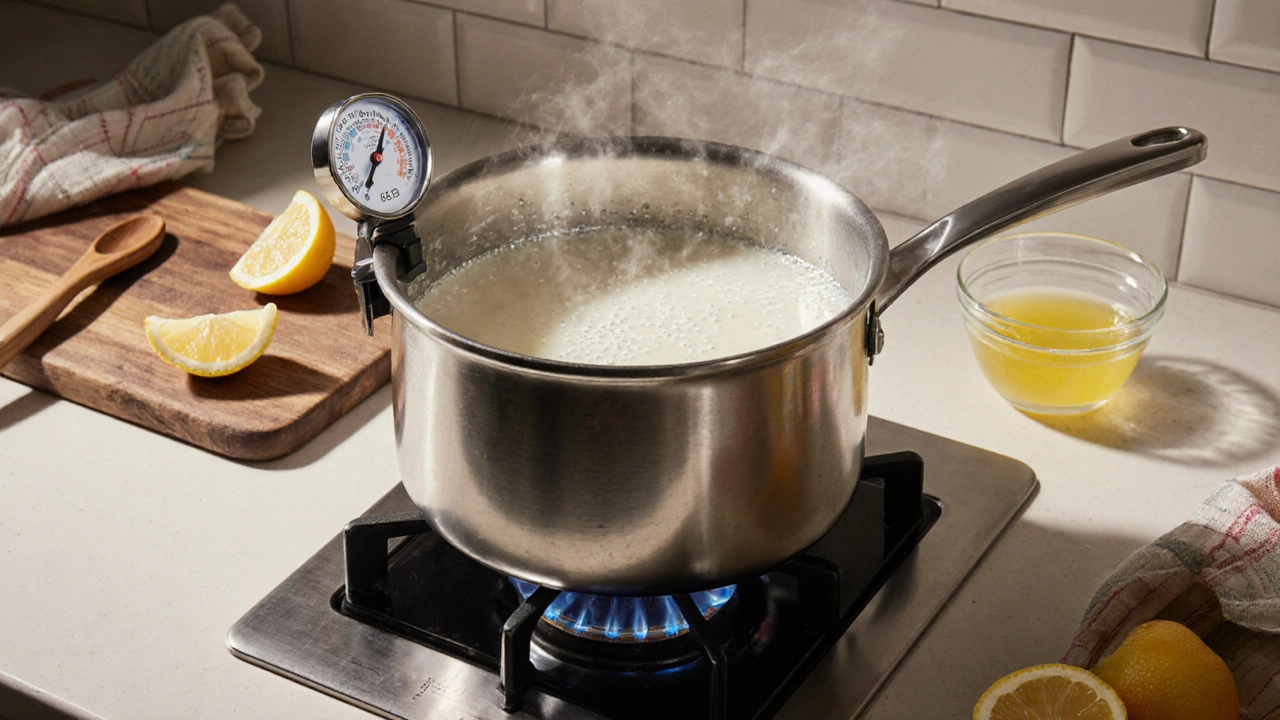
Homemade Paneer: Step‑by‑Step Recipe from Fresh Milk
Learn how to make fresh paneer at home with step‑by‑step instructions, ingredient tips, pressing tricks, storage advice, and FAQs for perfect cheese every time.
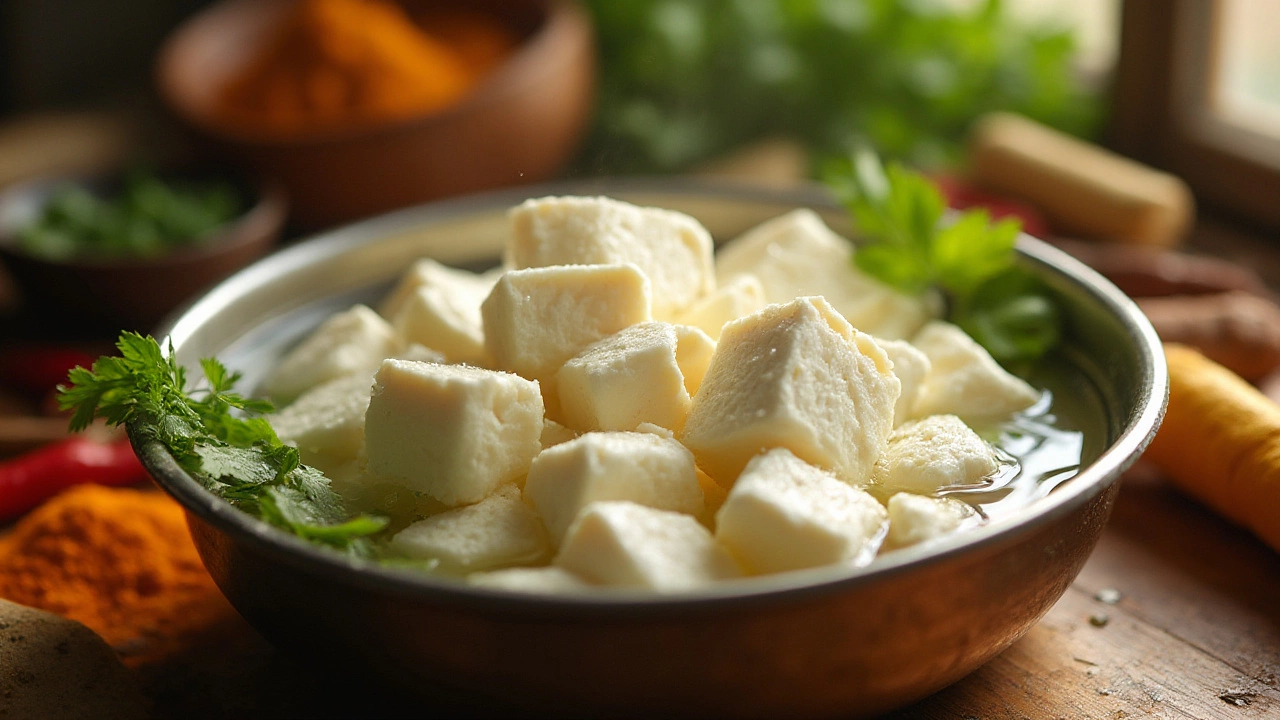
Why Soak Paneer in Water? Secrets to Soft and Tasty Paneer Dishes
Ever wondered why people soak paneer in water before cooking? Discover the real reasons and pro tips for getting the softest, tastiest paneer in your dishes.