Indian Desserts History: Origins, Traditions, and Classic Treats
When you think of Indian desserts, sweet treats deeply rooted in centuries of ritual, celebration, and regional pride. Also known as mithai, these confections aren’t just sugar and milk—they’re edible history. Every bite of jalebi, gulab jamun, or rasgulla carries a story of trade routes, royal courts, and village kitchens that passed down recipes without ever writing them down.
The Indian confectionery, a blend of dairy, sugar, and spice traditions shaped by Persian, Mughal, and local influences didn’t evolve overnight. Ancient texts mention honey-based sweets made during Vedic rituals, but the real transformation came with the arrival of refined sugar from the Gangetic plains and later, Persian techniques like syrup soaking. The jalebi history, traced back to the Middle Eastern zulbiya, arrived in India through Mughal chefs who adapted it with local milk solids and saffron. Meanwhile, gulab jamun origins, likely born in royal kitchens where khoya was fried and soaked in rose-scented syrup, became a symbol of festive abundance. These weren’t just desserts—they were gifts, offerings, and markers of celebration.
What makes Indian sweets unique isn’t just their taste—it’s how they’re tied to life events. A wedding without barfi? Unthinkable. A Diwali without laddoo? Inconceivable. Even today, families make these sweets from scratch, using techniques unchanged for generations. You won’t find preservatives in traditional mithai—just milk, sugar, cardamom, and patience. The rise of packaged sweets didn’t erase that tradition; it just made it more visible. And now, with urban kitchens rediscovering homemade versions, the real story behind these treats is coming back into focus.
What you’ll find in the collection below isn’t just recipes—it’s a look at how Indian desserts evolved, what they meant to people, and why they still matter. From the science of frying khoya to the cultural reasons behind why some sweets are served warm and others chilled, these posts connect the dots between flavor, history, and everyday life. No fluff. Just the real, tasty truth behind what’s on your plate.
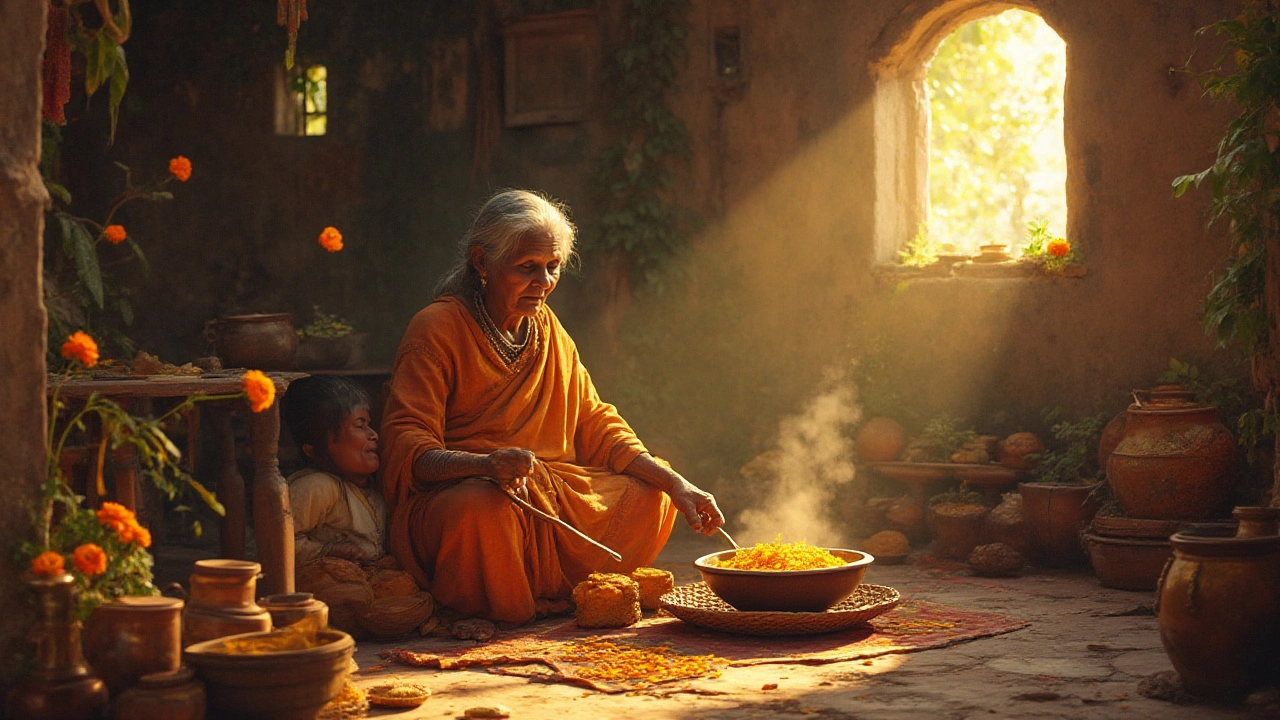
Oldest Indian Dessert: Tracing the Ancient Sweets of India’s Culinary Heritage
Discover the oldest Indian dessert and unravel the fascinating stories, ancient recipes, and cultural importance behind India’s timeless sweet traditions.