Indian Flatbread: Types, Tips, and How to Make Them Perfect at Home
When you think of Indian food, you probably picture spicy curries or fragrant biryanis—but none of it lands right without Indian flatbread, a staple bread made from simple flour, water, and heat, eaten daily across households from Punjab to Tamil Nadu. Also known as chapati, roti, or phulka, it’s not just a side—it’s the utensil, the scoop, the comfort. You don’t need a tandoor to make it. Just flour, water, a pinch of salt, and a hot skillet. The magic happens in the flip.
Not all Indian flatbreads are the same. Roti, the everyday whole wheat bread, thin and soft, made without oil or ghee is what most families eat twice a day. Then there’s naan, a leavened bread, puffier and richer, often baked in clay ovens but easy to mimic on a stovetop, brushed with butter and garlic. And paratha, a layered, flaky flatbread, sometimes stuffed with potatoes, spinach, or paneer, fried until golden—it’s breakfast, lunch, and dinner rolled into one. Each one has its own texture, technique, and tradition. You can’t swap them. Roti holds curry. Naan soaks it. Paratha crumbles into it.
What makes them stick together? The dough. Too dry? Cracks. Too wet? Sticks to everything. The secret isn’t in the recipe—it’s in the feel. Knead until it’s soft like an earlobe. Let it rest. Roll it thin, but not too thin. Cook it hot, and let it puff up like a balloon. That’s when you know you got it right. And if it doesn’t puff? Don’t panic. It still tastes fine. Even imperfect roti beats store-bought bread any day.
Want to keep them soft for days? Wrap them in a clean cloth while still warm. Reheat on a dry pan. No microwave. No plastic. That’s how it’s done in Indian homes. No preservatives. Just technique. And if you’ve ever tried to make perfectly round roti and ended up with a lopsided disc—you’re not alone. It’s not about having a perfect rolling pin. It’s about the rhythm. Roll, flip, rotate. Repeat. Your hands learn before your eyes do.
Indian flatbread isn’t just food. It’s a daily ritual. A connection to the kitchen, to family, to the smell of wheat toasting on a hot griddle. Whether you’re eating it with dal, dipping it in chutney, or using it to scoop up tandoori chicken, it’s the quiet hero of every meal. And now, with the recipes and tips below, you’ll know how to make it right—every time.
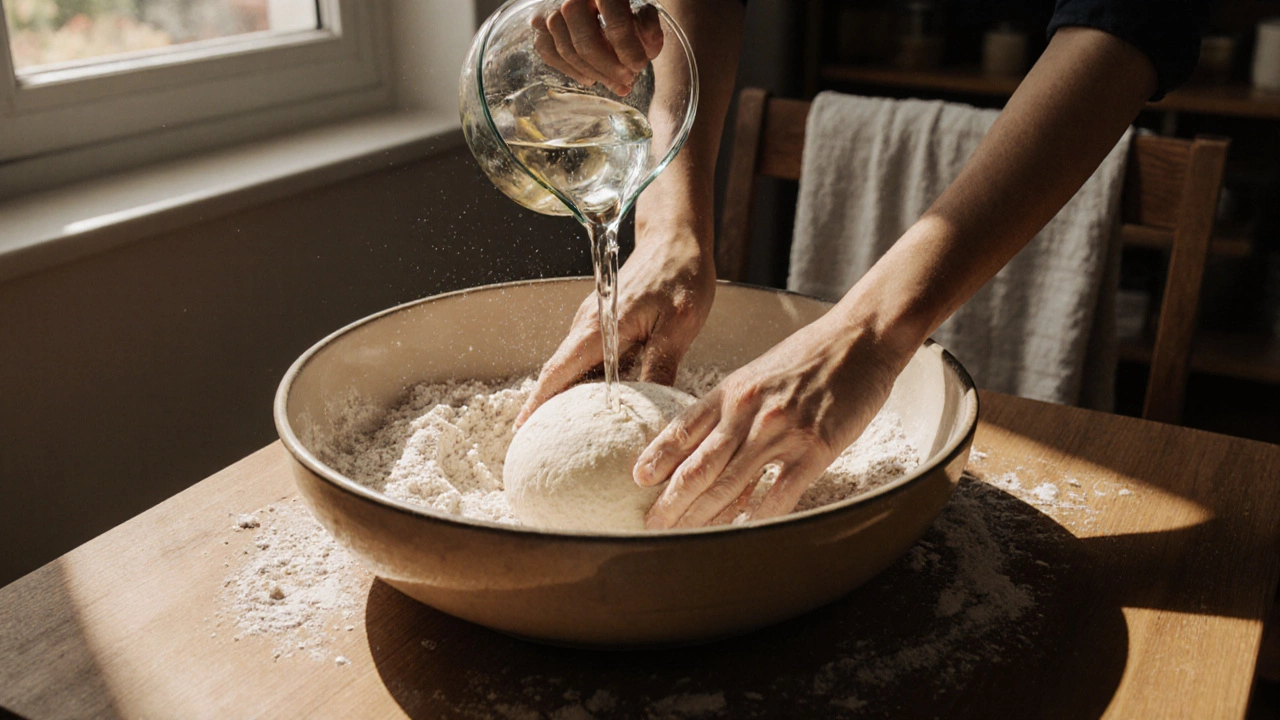
Soft Roti Made Easy: The Secret Trick
Learn the single trick-30‑minute rest and steam burst-that guarantees soft, fluffy roti every time. Step‑by‑step guide, common mistakes, and FAQs.