Indian Street Food Culture: Bold Flavors, Real Risks, and What You Need to Know
When you think of Indian street food culture, the vibrant, chaotic, and deeply rooted tradition of eating flavorful, affordable meals from roadside stalls across India. Also known as urban Indian snacking, it’s not just food—it’s a daily ritual for millions, from Mumbai’s vada pav to Delhi’s chaat, Kolkata’s jhal muri to Chennai’s pani puri. This isn’t some tourist gimmick. It’s how most Indians eat lunch. It’s how students grab a quick bite between classes. It’s how factory workers fuel their shifts. And yes, it’s often the most delicious meal you’ll have all day.
But here’s the real question: Is Indian street food culture healthy? The answer isn’t yes or no—it’s complicated. The spices—turmeric, ginger, garlic, chili—have real anti-inflammatory power. The fresh chutneys, made daily with coriander, mint, and tamarind, pack probiotics and antioxidants. But the oil? Sometimes reused. The water? Sometimes unfiltered. The hands that handle your food? Not always clean. That’s why you’ll find posts here on street food hygiene, the practices that keep food safe from contamination, from clean utensils to proper storage, and on healthy Indian street food, dishes like bhel puri, grilled corn, or roasted chana that can be both tasty and safe when prepared right. You’ll also learn what to avoid—like raw onions in unclean environments or milk-based sweets left out in the sun.
What makes this culture so powerful isn’t just taste. It’s accessibility. It’s speed. It’s the fact that you can get a full, satisfying meal for under 50 rupees. It’s the way a single vendor can serve 200 people before noon and still make each plate feel personal. But it’s also fragile. A single bad batch of oil, one contaminated water source, or a vendor forced to cut corners because of rising costs can turn a beloved snack into a health risk. That’s why understanding the difference between authentic, well-made street food and risky shortcuts matters. You don’t have to give it up—you just need to know how to pick wisely.
Below, you’ll find real, practical advice from people who’ve eaten their way across India. Learn how to spot clean stalls, which dishes are safest, how to make your own version at home without losing the flavor, and what science says about the spices that make this food so good. This isn’t about fear. It’s about confidence. You don’t need to avoid Indian street food. You just need to know how to enjoy it the right way.
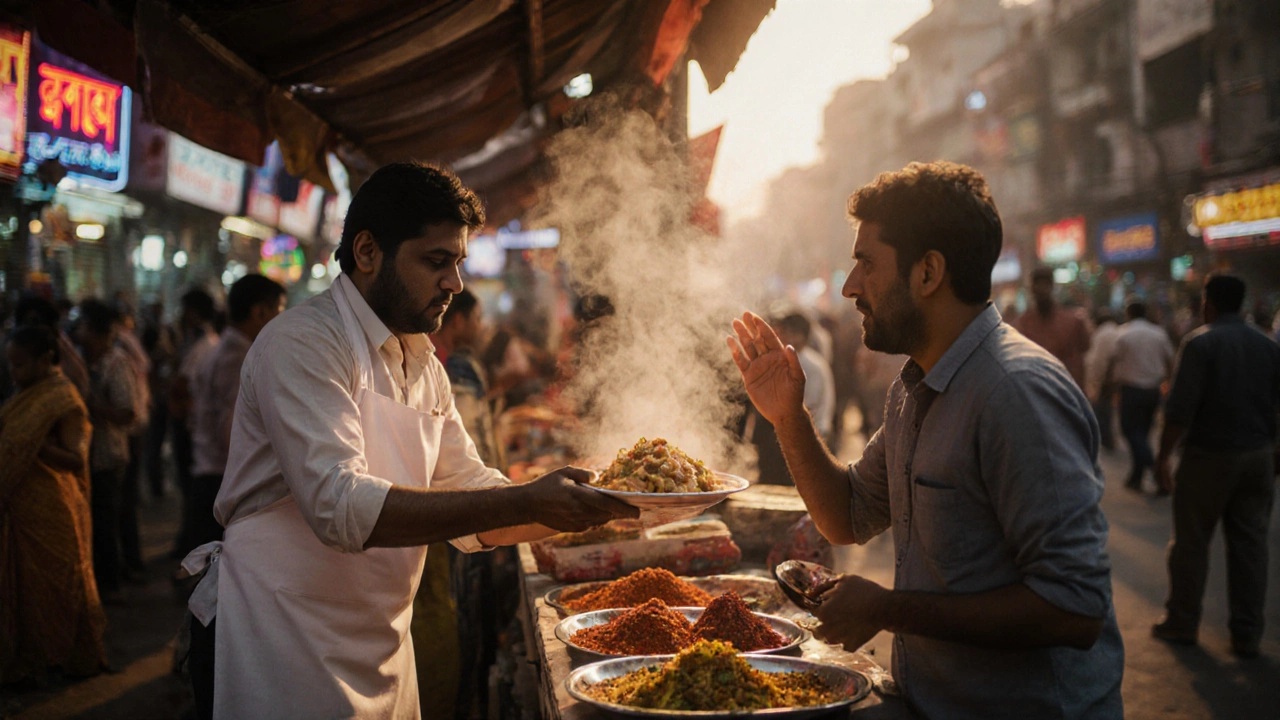
Why Do Indians Say Tata Instead of Bye? The Real Story Behind the Street Food Goodbye
Why do Indians say 'Tata' instead of 'bye'? It's not a mistake-it's a cultural habit born from street food culture, where speed, warmth, and simplicity meet. Discover how this simple word became a nationwide farewell.