Jaggery vs Sugar: What's the Real Difference and Which One Should You Use?
When you reach for a sweetener in your kitchen, you might grab jaggery, a traditional, unrefined cane sugar product made by boiling sugarcane juice until it solidifies. Also known as gur, it’s been used in Indian homes for centuries—not just as a sweetener, but as part of rituals, remedies, and daily meals. On the other hand, refined white sugar, a processed crystal made from sugarcane or sugar beet, stripped of all nutrients except pure sucrose is everywhere—in tea, desserts, snacks, even packaged foods. But here’s the thing: they’re not interchangeable, and knowing why matters for your health, your cooking, and your body’s response to sweetness.
Jaggery isn’t just brown sugar. It’s made by slowly boiling raw sugarcane juice, letting it cool and harden into blocks. That slow process keeps trace minerals like iron, magnesium, and potassium intact. Sugar? It’s boiled, bleached, filtered, and crystallized until nothing’s left but empty calories. One tablespoon of jaggery has a little more than sugar, sure—but it also has a deeper flavor, a hint of molasses, and a slower impact on blood sugar. Studies from the Indian Journal of Medical Research show jaggery has a lower glycemic index than white sugar, meaning it doesn’t spike your energy like a rollercoaster. That’s why many Indian households still use it in dal, roti dough, or even as a natural remedy for colds.
And it’s not just about nutrition. Jaggery plays a role in traditional recipes you won’t find in modern cookbooks—like the way it’s added to lentils to balance sourness, or used in festive sweets like gur ka halwa. Sugar gives you sweetness. Jaggery gives you sweetness with character. You’ll notice it in the color of your chutney, the depth of your kheer, even the texture of your homemade ladoos. But it’s not perfect—jaggery still contains sugar, so moderation matters. If you’re switching from sugar to jaggery, start by using less. You might find you don’t need as much to get the same satisfaction.
What you’ll find in the posts below are real, tested insights from Indian kitchens. You’ll learn how jaggery behaves differently than sugar in paneer recipes, why some families avoid it during monsoons, how it affects fermentation in dosa batter, and whether it’s truly better for inflammation. There’s no fluff. Just what works in actual homes, tested over years, not just trends. Whether you’re trying to cut down on sugar, cook more traditionally, or just understand why your grandma always reached for the jaggery block, you’ll find answers here.
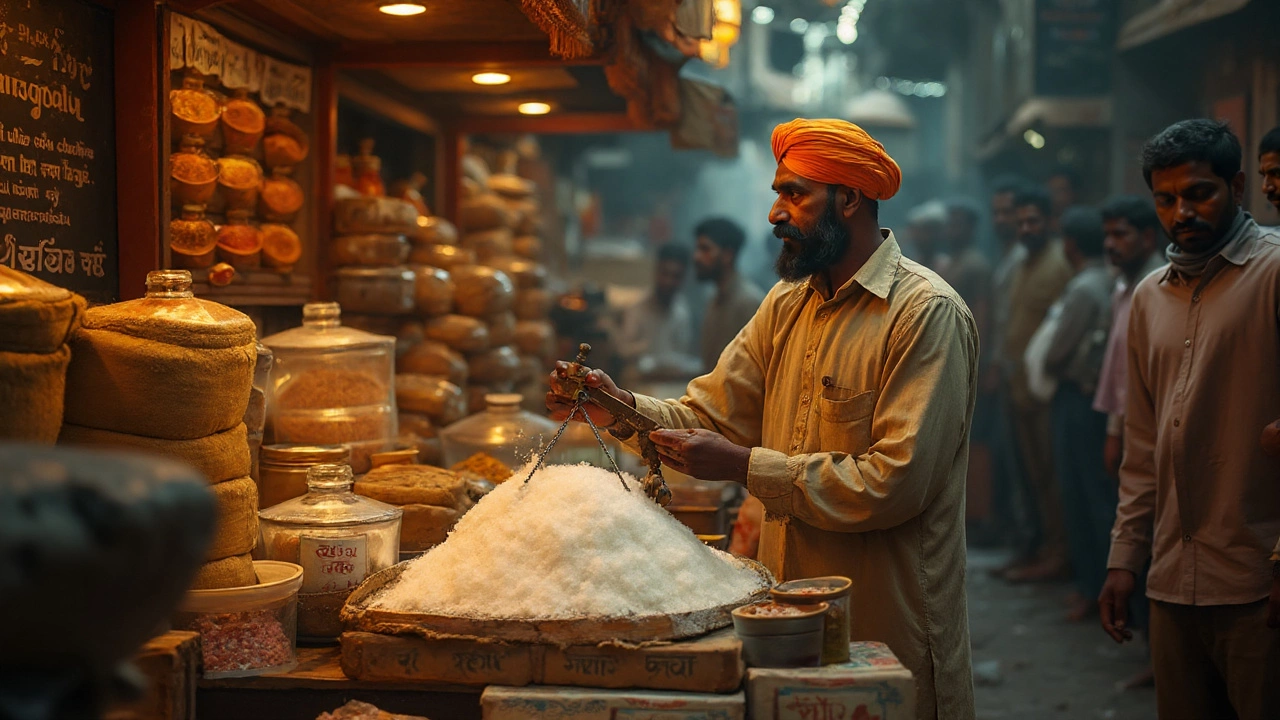
What Is the Indian Word for Sugar? Hindi Name, Regional Variants, Meaning & Pronunciation
Wondering what Indians call sugar? Get the Hindi name, regional equivalents, pronunciations, and quick phrases for shops and recipes. Clear, useful, and no fluff.