Main Ingredient in Indian Cooking: What Really Makes a Dish Work
When you think of main ingredient, the core component that defines the flavor, texture, and identity of a dish. Also known as key ingredient, it’s not just what you put in first—it’s what you can’t take out without breaking the whole thing. In Indian cooking, the main ingredient isn’t always the star you expect. It might be the yogurt in your tandoori chicken, the turmeric in your dal, or even the water you soak your lentils in. These aren’t just additions—they’re the quiet backbone of flavor, structure, and tradition.
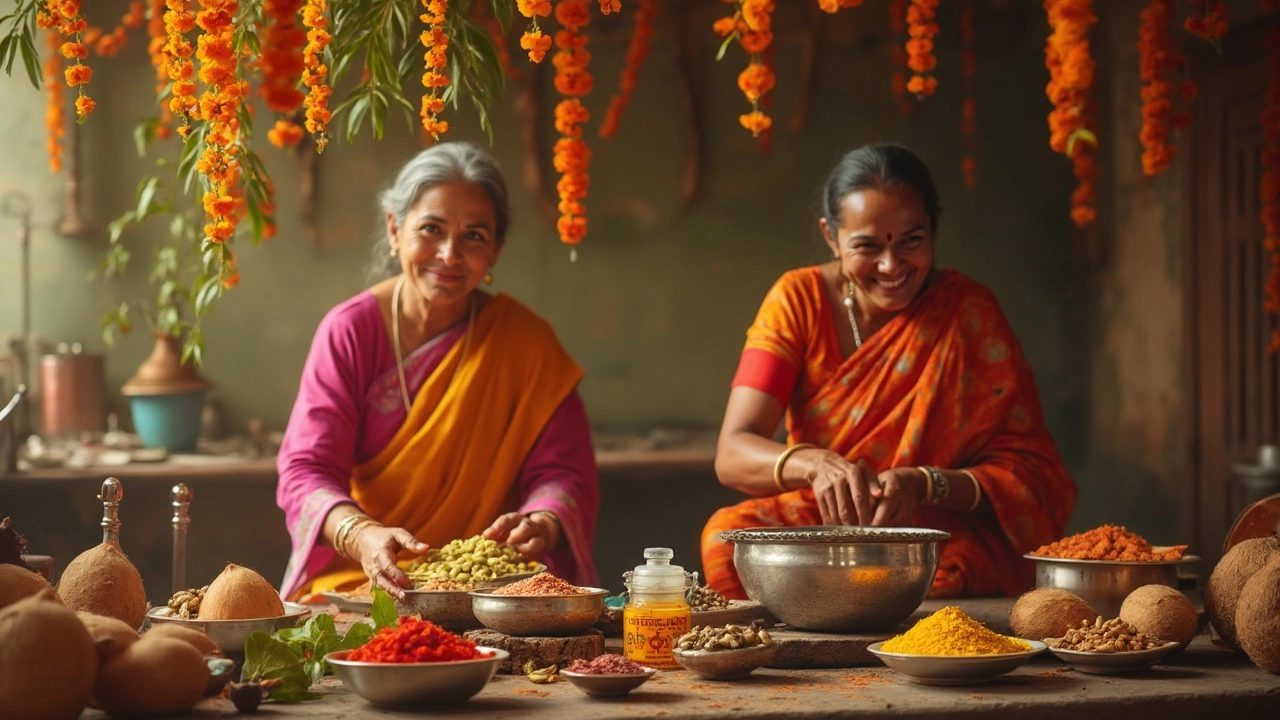
Take curry spices, the blend of ground seeds, roots, and pods that give Indian dishes their signature depth. Cumin, coriander, turmeric—they’re not just seasonings. They’re the reason a simple chicken curry turns into something that lingers on your tongue. Without them, you’ve got boiled meat and vegetables. With them? You’ve got history on a plate. Then there’s paneer, a fresh, unaged cheese made by curdling milk with acid. It’s not just a protein. It’s the canvas. Whether you’re tossing it in a spicy gravy or grilling it with garlic, paneer holds its shape because of how it’s made—not what’s added after. And let’s not forget roti, the everyday flatbread made from whole wheat flour and water. Its softness, its roundness, its ability to soak up gravy—it all comes down to one thing: the dough. Not the oil. Not the pan. The dough. Get that right, and you’ve got a meal. Get it wrong, and you’ve got cardboard.
The magic of Indian cooking doesn’t come from fancy tools or imported spices. It comes from knowing which ingredient does the heavy lifting—and how to treat it right. That’s why you’ll find posts here on how to make paneer without lemon, why you sear chicken before adding it to curry, how to keep roti soft for days, and what happens when you skip soaking your lentils. These aren’t tricks. They’re truths. Every recipe here is built around the idea that if you get the main ingredient right, everything else falls into place. You don’t need 20 ingredients to make something great. You just need one, done well.
Below, you’ll find real, tested ways to handle the things that matter most in Indian kitchens—from the spices that start the flavor to the bread that finishes the meal. No fluff. No guesswork. Just what works, day after day, in homes across India.
Main Ingredients of Indian Sweets: Ghee, Milk, Sugar & More Explained
Ever wondered what gives Indian sweets their signature taste? Explore the real heroes behind laddus, barfi, jalebi and rasgulla, plus tips and facts.