Oldest Indian Dessert: Discover the Sweet History Behind India’s Earliest Treats
When you think of oldest Indian dessert, a sweet dish with roots stretching back over 2,000 years, often tied to rituals, festivals, and royal kitchens. Also known as ancient Indian sweets, it’s not just sugar and milk—it’s culture preserved in syrup. The answer isn’t one single dish, but a family of recipes that survived wars, invasions, and changing tastes. Among them, jalebi, a deep-fried, syrup-soaked treat made from fermented batter stands out as one of the most enduring. Archaeological records and ancient texts like the Manasollasa from the 12th century describe jalebi-like sweets being made with wheat flour, fermented overnight, then fried and soaked in sugar syrup. That’s the same method used in homes today.
Another contender for the title is halwa, a dense, rich dessert made from flour, ghee, and sugar, sometimes with nuts or carrots. Its origins trace back to the Middle East, but by the time it reached India during the Mughal era, it had already transformed. In Punjab and Uttar Pradesh, halwa became a staple during weddings and religious ceremonies. Unlike jalebi, halwa didn’t need fancy equipment—just a pot, fire, and patience. It was the perfect dessert for temples, where it was offered as prasad, and for armies on the move, where it packed energy without spoiling. These weren’t just snacks—they were survival foods wrapped in sweetness.
What made these desserts last? Simplicity. No refrigerators. No preservatives. Just ingredients you could grow or trade: milk, jaggery, ghee, flour. They didn’t need to be fancy to be loved. Even today, in rural villages, you’ll find grandmothers making jalebi the old way—using a copper ladle to swirl the batter into hot oil. That’s the real legacy. It’s not about who invented it first, but who kept making it. The oldest Indian dessert isn’t just a recipe—it’s a chain of hands passing down warmth, memory, and flavor.
What you’ll find in the posts below isn’t a list of recipes—it’s a collection of stories. From how jalebi became a street food icon to why halwa still shows up at every Diwali, these articles dig into the why behind the sweetness. You’ll learn how regional variations evolved, what ingredients were swapped over centuries, and why some desserts survived while others vanished. No fluff. Just real history, real food, and the people who kept it alive.
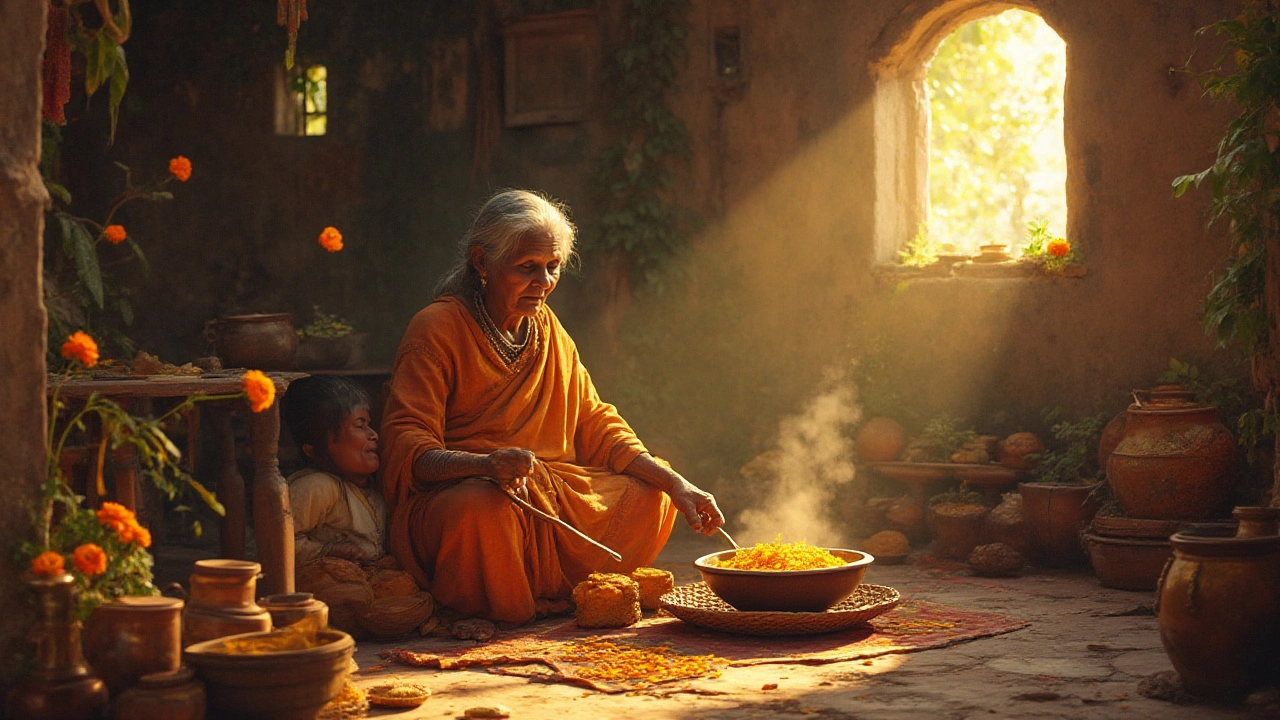
Oldest Indian Dessert: Tracing the Ancient Sweets of India’s Culinary Heritage
Discover the oldest Indian dessert and unravel the fascinating stories, ancient recipes, and cultural importance behind India’s timeless sweet traditions.