South Indian Cooking: Essential Dishes, Techniques, and Flavors
When you think of South Indian cooking, a vibrant, spice-driven cuisine from the southern states of India known for its use of rice, lentils, coconut, and tamarind. Also known as Dravidian cuisine, it’s not just food—it’s a daily ritual built on fermentation, freshness, and balance. This isn’t about heavy curries or cream-laden dishes. It’s about light, flavorful meals that start with soaking lentils overnight and end with a crisp dosa dipped in coconut chutney. The magic happens slowly: batter ferments in warm kitchens, spices toast in hot oil, and tamarind brings a sour punch that wakes up every bite.
At the heart of this style are a few key players. Dosa batter, a fermented mix of rice and black lentils that turns airy and crisp when cooked is the foundation for breakfasts across Tamil Nadu, Karnataka, and Kerala. Sambar, a lentil-based vegetable stew flavored with tamarind and a special spice blend called sambar powder is served with almost every meal—not as a side, but as the soul of the plate. And chutney, not just a condiment but a flavor engine made from coconut, coriander, or tamarind, changes with the season and the mood. These aren’t recipes you follow once—they’re skills you learn by watching, tasting, and doing.
What makes South Indian cooking different isn’t just the ingredients—it’s the rhythm. You don’t rush fermentation. You don’t skip rinsing rice. You don’t use bottled lemon when tamarind is right there. The food is built for heat, for humidity, for mornings when you need something light but filling. It’s the reason why a simple idli steamed with coconut chutney can feel like a full meal. And it’s why people travel across India just to taste a properly made filter coffee or a crispy masala dosa.
You’ll find all of this in the posts below: how to fix stubborn dosa batter, why chutney must be jarred hot, what makes sambar taste different in Bangalore versus Chennai, and how to make your own paneer without lemon—yes, even in the South, where citrus isn’t always king. Whether you’re trying to replicate a street-side breakfast or just want to understand why rice is served over roti in some homes, you’ll find real, tested methods here. No fluff. No guesswork. Just the way it’s done.
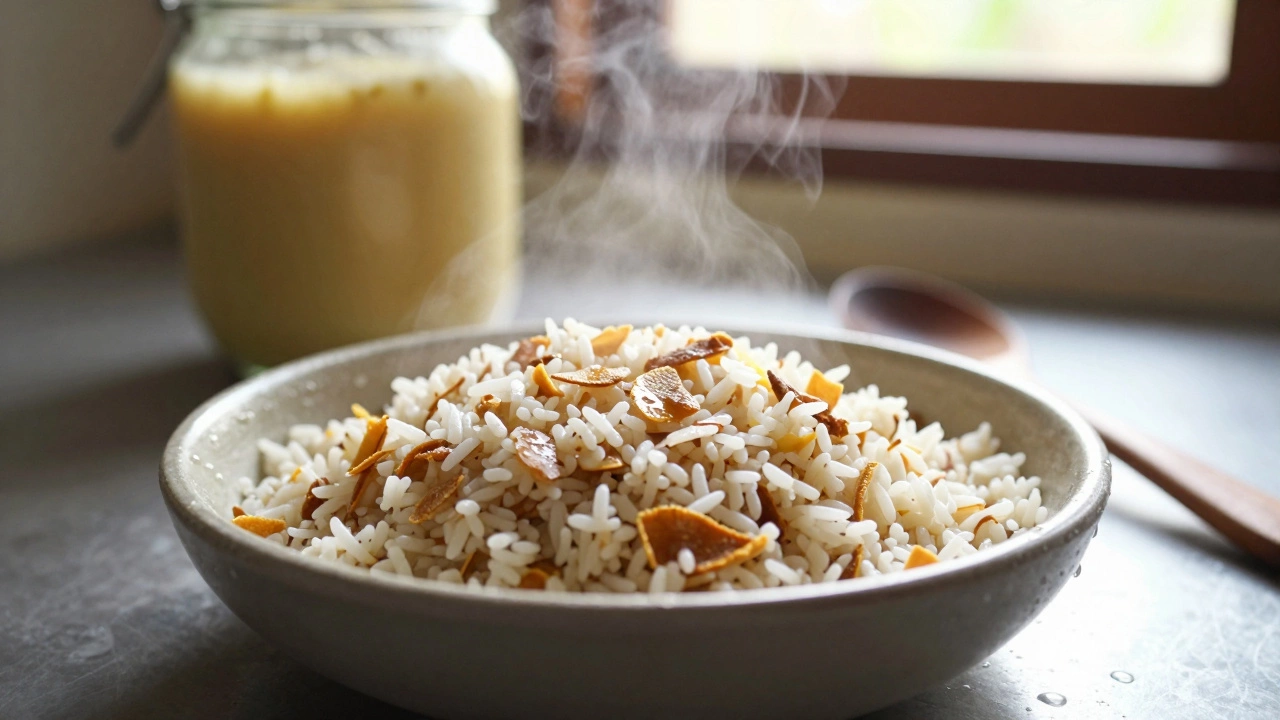
Why Is Poha Added to Dosa Batter? The Real Reason Behind This South Indian Secret
Adding poha to dosa batter isn't just tradition-it's science. It speeds up fermentation, improves crispness, and makes dosas lighter. Learn why this simple ingredient makes all the difference.
Why is Fenugreek Added to Dosa Batter? The Crucial Ingredient Explained
Fenugreek isn't just thrown into dosa batter for tradition's sake—it plays a serious role in texture, taste, and fermentation. Wonder why your homemade dosas aren't as fluffy or crispy as the ones at your favorite South Indian joint? The secret could be a pinch of fenugreek. This article breaks down what exactly fenugreek does in the batter, how much you need, and smart hacks to perfect your dosas every time. You’ll get practical tips to make your dosa game strong, whether you're a beginner or a kitchen veteran.