Sugar in Indian Cooking: Alternatives, Health Effects, and Natural Swaps
When you think of sugar, a simple carbohydrate used to sweeten food and drinks, often linked to energy spikes and long-term health risks. Also known as white granulated sugar, it’s been a quiet star in Indian kitchens for generations — from sweet lassi to jalebi, from chai to kheer. But today, more home cooks are asking: Do we really need it? And if not, what else works?
Indian cooking doesn’t just use sugar — it often hides it. Even savory dishes like chutneys, curries, and pickles carry a pinch to balance heat and acidity. But the real shift isn’t about cutting sweetness — it’s about replacing refined sugar with something that gives flavor without the crash. jaggery, an unrefined cane sugar common in rural and traditional households, made by boiling sap and dried into blocks. Also known as gur, it’s richer in minerals and has a deeper, molasses-like taste that works beautifully in dal, roti dough, and even savory snacks. Then there’s dates, a natural sweetener used in energy balls, desserts, and even as a binder in ladoos. Also known as khajoor, they add fiber, potassium, and a caramel-like depth without any processing. Coconut sugar, maple syrup, and even ripe banana mash are creeping into urban kitchens, replacing sugar in tea, yogurt, and baked goods.
It’s not just about health — it’s about taste. Sugar masks flavor. When you remove it, you start tasting the real ingredients: the earthiness of lentils, the brightness of tamarind, the warmth of cardamom. That’s why so many of the recipes here focus on balance, not sweetness. You’ll find tips on how to make paneer without citrus (which often replaces sugar’s tang), how chutneys can be savory without added sugar, and why dosa batter fermented longer tastes naturally sweeter. Even biryani rice, often sweetened with fried onions and saffron, doesn’t need a spoonful of sugar to shine.
What you’ll find in the posts below isn’t a sugar-free manifesto — it’s a practical guide to eating well in an Indian kitchen. Whether you’re cutting back for diabetes, trying to reduce processed foods, or just curious about what your grandmother used before white sugar became common, there’s something here that clicks. No gimmicks. No supplements. Just real food, real swaps, and real results.
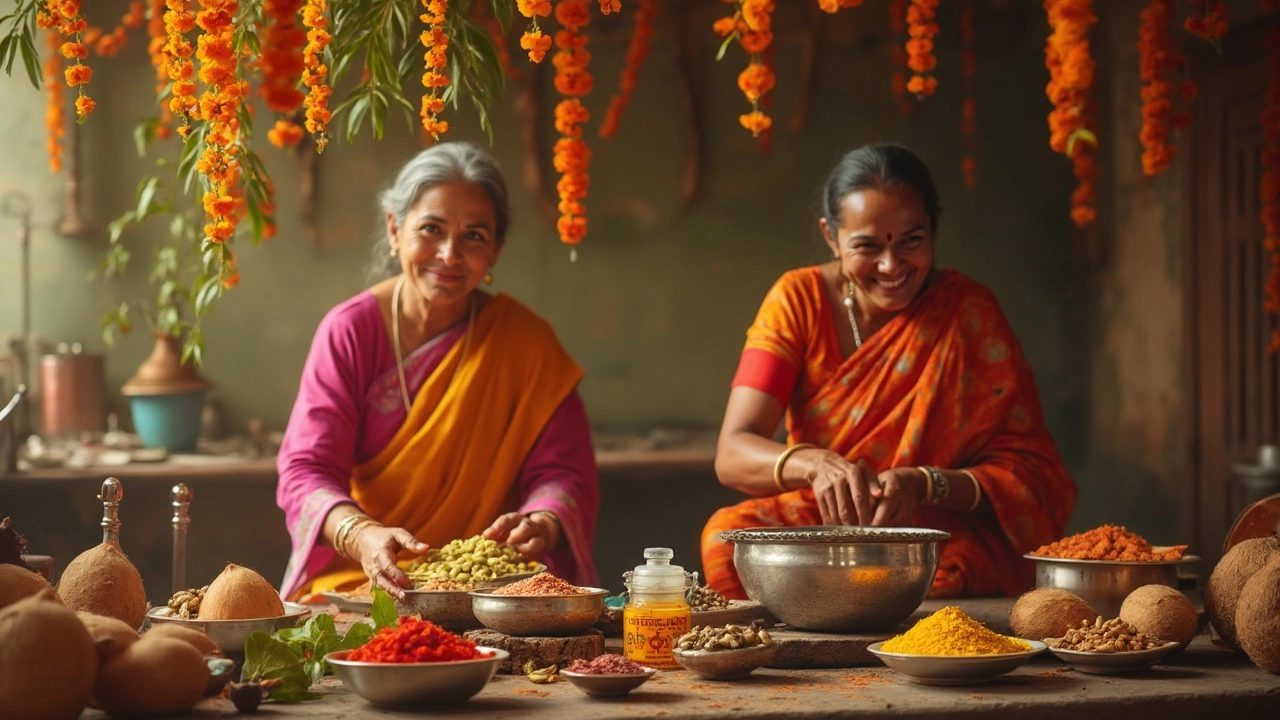
Main Ingredients of Indian Sweets: Ghee, Milk, Sugar & More Explained
Ever wondered what gives Indian sweets their signature taste? Explore the real heroes behind laddus, barfi, jalebi and rasgulla, plus tips and facts.