Traditional Native Meals in India: Authentic Dishes and Cultural Roots
When we talk about traditional Native meals, homegrown Indian dishes passed down through families, not restaurants. Also known as indigenous Indian recipes, these are the meals cooked in rural kitchens, during harvests, and at village festivals—without fancy ingredients or modern gadgets. These aren’t the dishes you see on Instagram. They’re the ones that fed generations before food blogs, before delivery apps, before anyone thought to call it "authentic." They’re simple, seasonal, and tied to the land.
These meals rely on what’s nearby: millets grown in the Deccan, lentils from the Gangetic plains, fish from Kerala’s backwaters, and greens picked before sunrise. You won’t find paneer in most of these recipes—because paneer wasn’t always common everywhere. Instead, you’ll find jowar roti in Maharashtra, red rice in Assam, or fermented rice batter in Tamil Nadu. Each region has its own version of comfort food, shaped by climate, soil, and history. The regional Indian cuisine, the diverse food traditions unique to each state and community in India isn’t just about spices—it’s about survival, rhythm, and memory. A meal in Odisha isn’t the same as one in Punjab, and that’s not a flaw—it’s the point.
What makes these meals special isn’t how they taste alone, but how they’re made. No instant mixes. No pre-ground masalas. Mothers grind spices on stone grinders. Grandmothers ferment batter overnight. Fathers dry mangoes in the sun. These aren’t recipes you follow—they’re rituals you learn by watching. The authentic Indian dishes, foods prepared using time-honored methods without modern shortcuts often use less oil, no cream, and no sugar unless it’s from jaggery grown down the road. They’re not "healthy" because someone labeled them that—they’re healthy because they were made with what the earth gave, not what the market sold.
You’ll find traces of these meals in the posts below. Some talk about how to make perfect roti—something every village woman knows how to roll. Others explain why chutney is jarred hot, a trick passed down to prevent spoilage without refrigeration. You’ll read about biryani’s sweet notes, not from sugar, but from caramelized onions and dried fruits—ingredients used for centuries to balance flavor without modern additives. Even the question about "Tata" instead of "bye" ties back to this: these meals were eaten fast, eaten together, and said goodbye to just as quickly.
There’s no single recipe for a traditional Native meal. But if you’ve ever tasted a simple dal cooked in a clay pot, or eaten rice with roasted chana for breakfast, you’ve had one. These aren’t trends. They’re truths. And below, you’ll find real stories, real tips, and real ways to bring them into your kitchen—without needing a trip to a village or a 100-year-old recipe book.
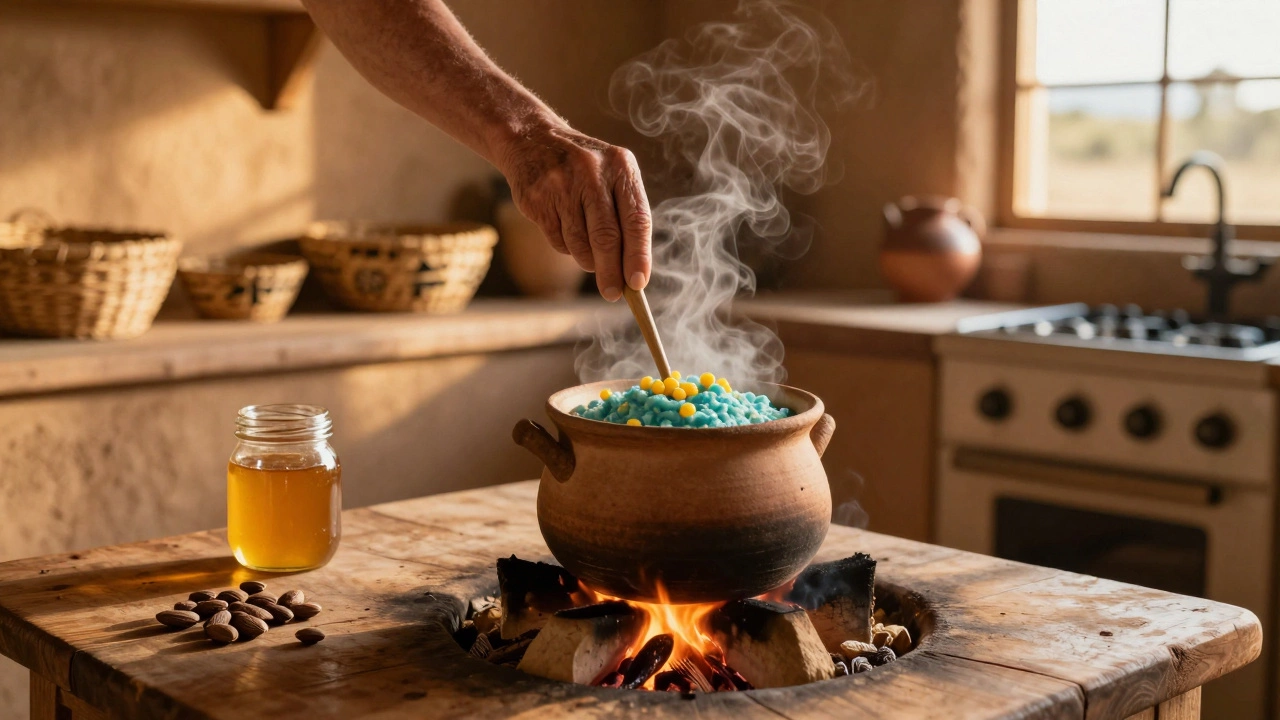
What Do Native American Indians Eat for Breakfast?
Native American breakfasts are rooted in land, season, and tradition-corn mush, smoked salmon, pemmican, and wild berries. These aren't just meals-they're acts of cultural survival and nutrition wisdom passed down for millennia.