Turmeric Benefits: Why This Spice Is a Kitchen Essential in Indian Cooking
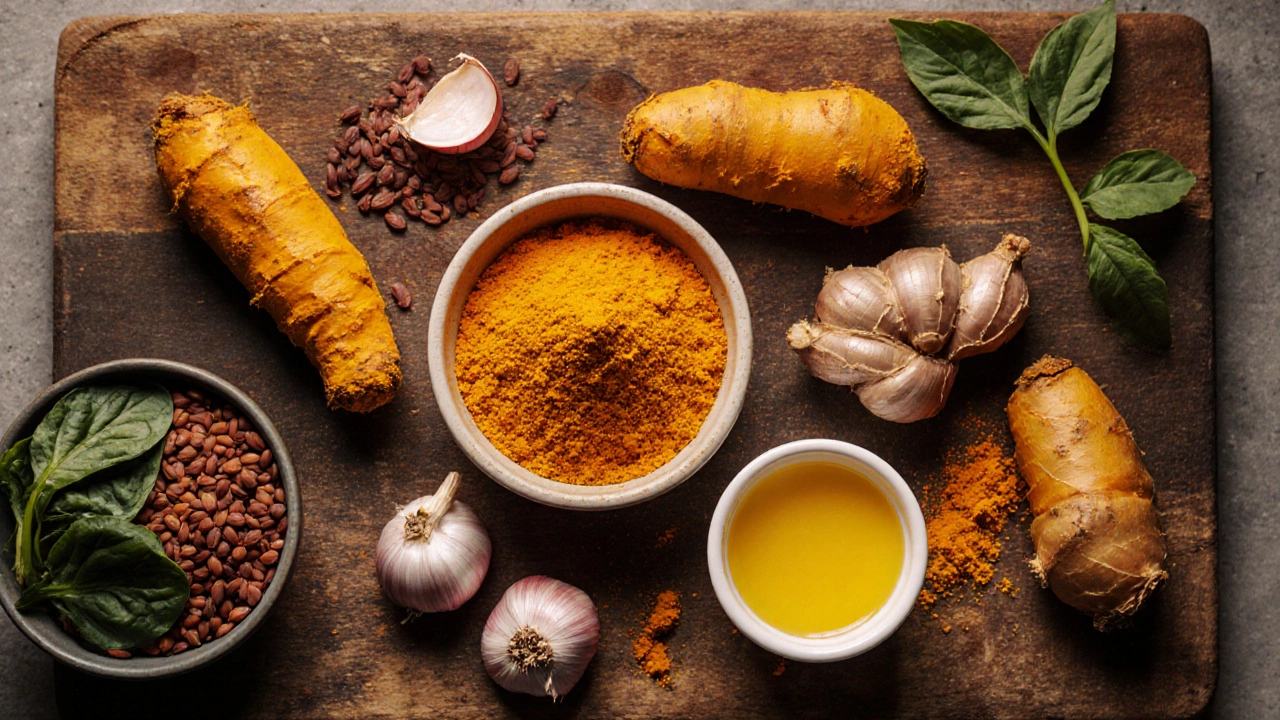
When you think of turmeric, a bright yellow spice made from the root of the Curcuma longa plant, widely used in Indian cooking and traditional medicine. Also known as haldi, it’s not just for coloring curries—it’s one of the most studied spices in the world for its health effects. Every Indian household keeps a small jar of it on the counter, not because it’s traditional, but because it works. Whether it’s mixed into warm milk before bed, rubbed into chicken before grilling, or stirred into dal for extra depth, turmeric shows up in ways you might not even notice—and that’s exactly why it’s powerful.
Its magic comes from curcumin, the main active compound in turmeric that gives it its anti-inflammatory and antioxidant properties. Studies have shown it can help reduce joint pain, ease digestive discomfort, and even support immune function. You don’t need supplements—just cooking with it regularly. In fact, Indian home cooks have been using turmeric for centuries to soothe cuts, calm stomach upset, and fight off colds. It’s not folklore; it’s science that’s been tested in kitchens, not just labs. And it’s not alone. Turmeric works best with black pepper, a common pairing in Indian meals that boosts curcumin absorption by up to 2000%. That’s why you’ll find them together in chutneys, dals, and even roasted vegetables. You don’t need to be a nutritionist to use them right—just add a pinch of pepper when you add turmeric.
What’s interesting is how turmeric connects to other Indian cooking habits you already know. The same anti-inflammatory power that helps with sore joints also helps with the kind of gut irritation that comes from spicy street food. That’s why chutneys loaded with turmeric, like the ones in our chutney and inflammation post, aren’t just flavor boosters—they’re quiet healers. And when you make paneer at home, tossing a little turmeric into the milk doesn’t just make it yellow—it adds a layer of protection your body will thank you for. Even in roti dough, a dash of turmeric isn’t just for looks; it’s a small daily dose of something that fights inflammation without you having to think about it.
You won’t find turmeric in every recipe on this site, but you’ll see its influence everywhere. From tandoori chicken marinades to dal recipes that use it to balance bitterness, it’s the quiet backbone of flavor and function. The posts below cover exactly how it shows up—in food, in tradition, in simple daily habits that add up to real health. You don’t need to take pills. You just need to cook.
Anti‑Inflammatory Indian Foods: Best Choices to Calm Inflammation
Discover which Indian foods fight inflammation, why they work, and simple recipes-like a turmeric‑ginger dal-to add anti‑inflammatory power to everyday meals.