Is Your Tandoori Chicken Safe? Interactive Checker
Step 1: The Smell Test
Bring the chicken close to your nose. What does it smell like?
Step 2: The Touch Test
Touch the white substance. How does it feel?
Step 3: Visual Inspection
Look closely at the white substance and the meat color.
Have you ever pulled a piece of raw chicken from its packaging or taken it out of the marinade for your Tandoori Chicken is a popular Indian dish where chicken is marinated in yogurt and spices before being cooked in a clay oven, only to find a strange, slimy white layer coating the meat? It’s unsettling. You might wonder if the chicken has gone bad, if it’s covered in mold, or if you’re about to serve something dangerous to your family.
The short answer is: it’s usually nothing to panic about. That white substance is most likely one of three things-albumin (a natural protein), excess fat rendering out, or residual marinade ingredients like yogurt or salt. However, distinguishing between harmless chemistry and actual spoilage is critical for your health. Let’s break down exactly what that white stuff is, when it’s safe, and how to ensure your Tandoori Chicken turns out perfect every time.
Albumin: The Natural Protein Coating
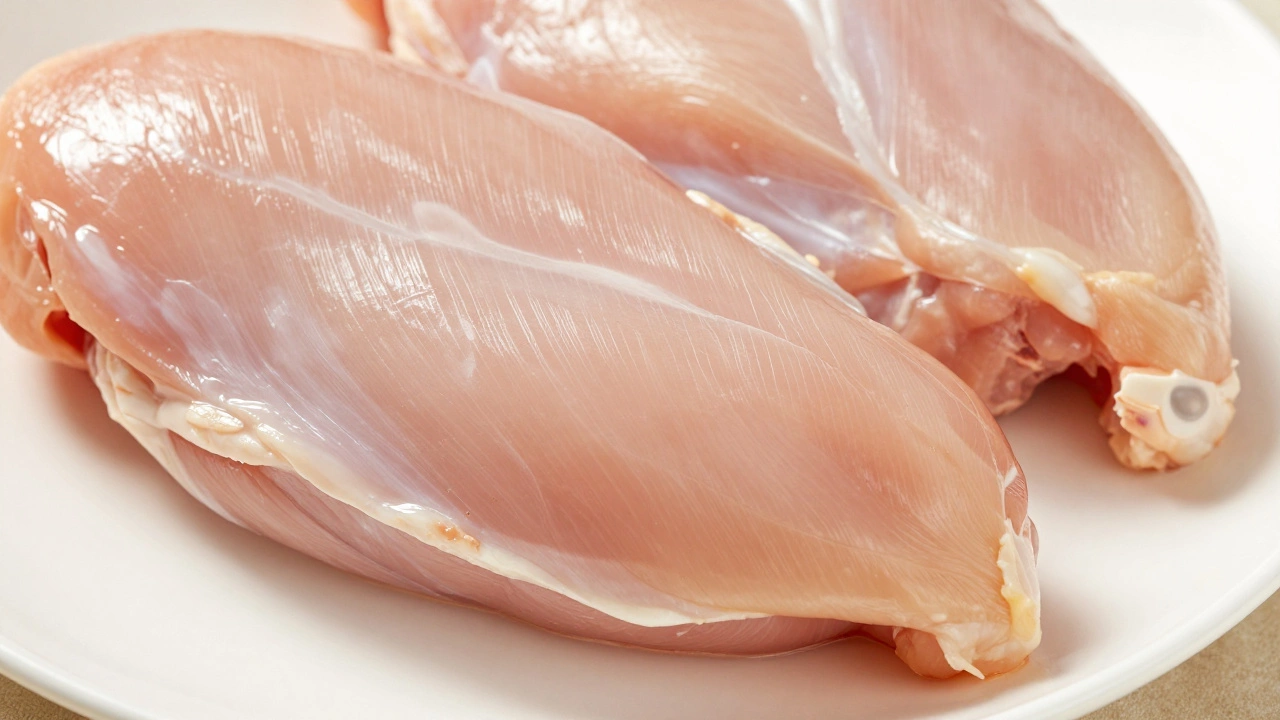
If you’ve ever boiled an egg, you’ve seen albumin. It’s the clear liquid part of the egg white that turns opaque and white when heated. Chicken contains high levels of this same protein. When raw chicken is handled, squeezed, or even just sits under pressure in its packaging, some of this protein leaks out onto the surface.
This is especially common with boneless skinless chicken breasts are lean cuts of poultry muscle that have high water content and significant protein structure. Because they are lean and tightly packed with muscle fibers, they hold a lot of moisture. When you remove them from the vacuum-sealed bag, the sudden change in pressure can cause tiny amounts of blood and protein fluid to seep out. As this fluid oxidizes and dries slightly, it appears as a whitish, sometimes slightly translucent film.
This is completely safe to eat. In fact, it’s a sign that the chicken is fresh and hasn’t been over-processed with additives. If you see this on raw chicken, simply pat it dry with paper towels before seasoning. For your Tandoori Chicken, drying the surface helps the marinade adhere better, leading to that coveted crispy exterior.
Yogurt and Spices: The Marinade Residue
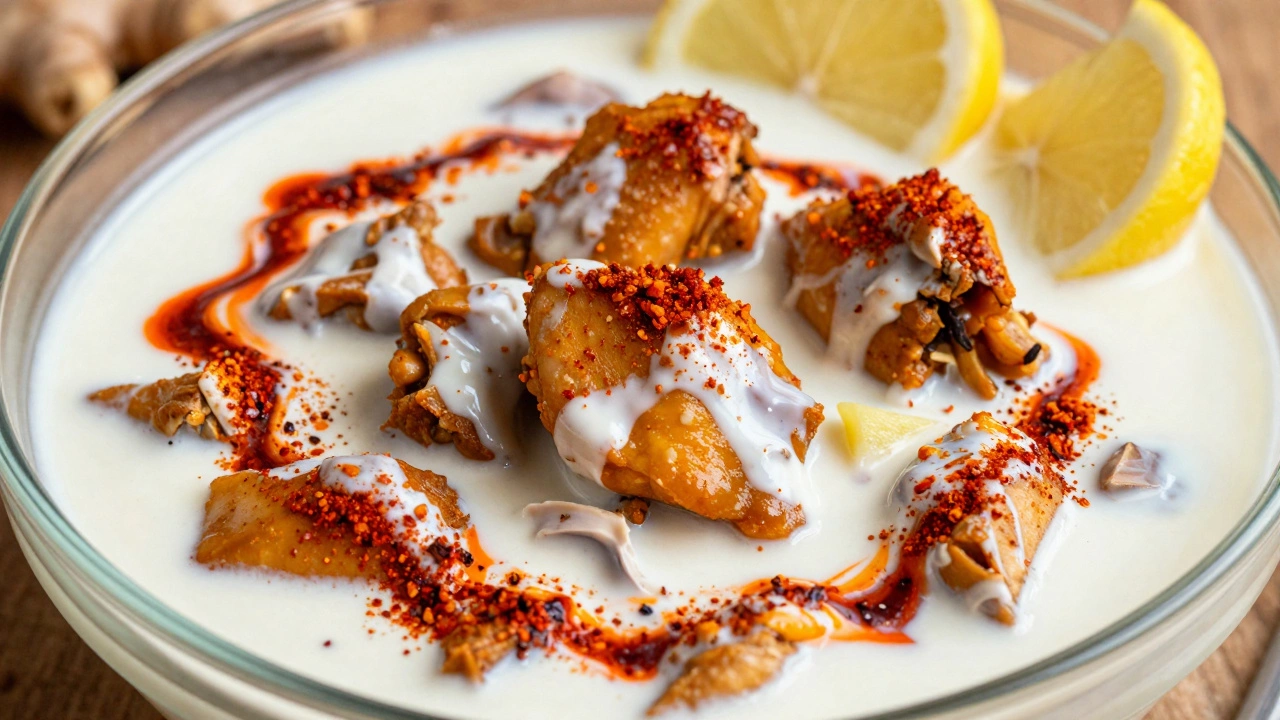
Since we are talking about Tandoori Chicken, there’s another very likely culprit: the marinade itself. Traditional Tandoori recipes rely heavily on curd (yogurt) is a fermented dairy product used in Indian cooking to tenderize meat and add tanginess. Yogurt is thick, white, and clings to the meat. When the chicken chills in the refrigerator during the marination process (which should be at least 4 hours, ideally overnight), the fats in the yogurt solidify.
You might pull the chicken out and see white patches that look like residue. This isn’t mold; it’s just cold dairy fat and curds separating slightly from the whey. Additionally, many marinades include salt is a mineral compound essential for flavor enhancement and protein denaturation in cooking. Salt draws out moisture from the chicken through osmosis. This released moisture mixes with the yogurt and spices, creating a slurry that can look like a weird white paste sitting on top of the meat.
To check if this is the case, smell the chicken. Fresh yogurt and spices smell aromatic, tangy, and savory. If the smell is pleasant and familiar, you’re good to go. Just spread the marinade evenly before grilling or baking.
Fat Rendering: The Cooking Process
If you notice the white stuff appearing *after* you start cooking, particularly if you are using chicken thighs or drumsticks, it’s likely fat. Chicken fat is white when solid and turns clear when melted. As the heat hits the skin or the subcutaneous fat layer, the fat renders out.
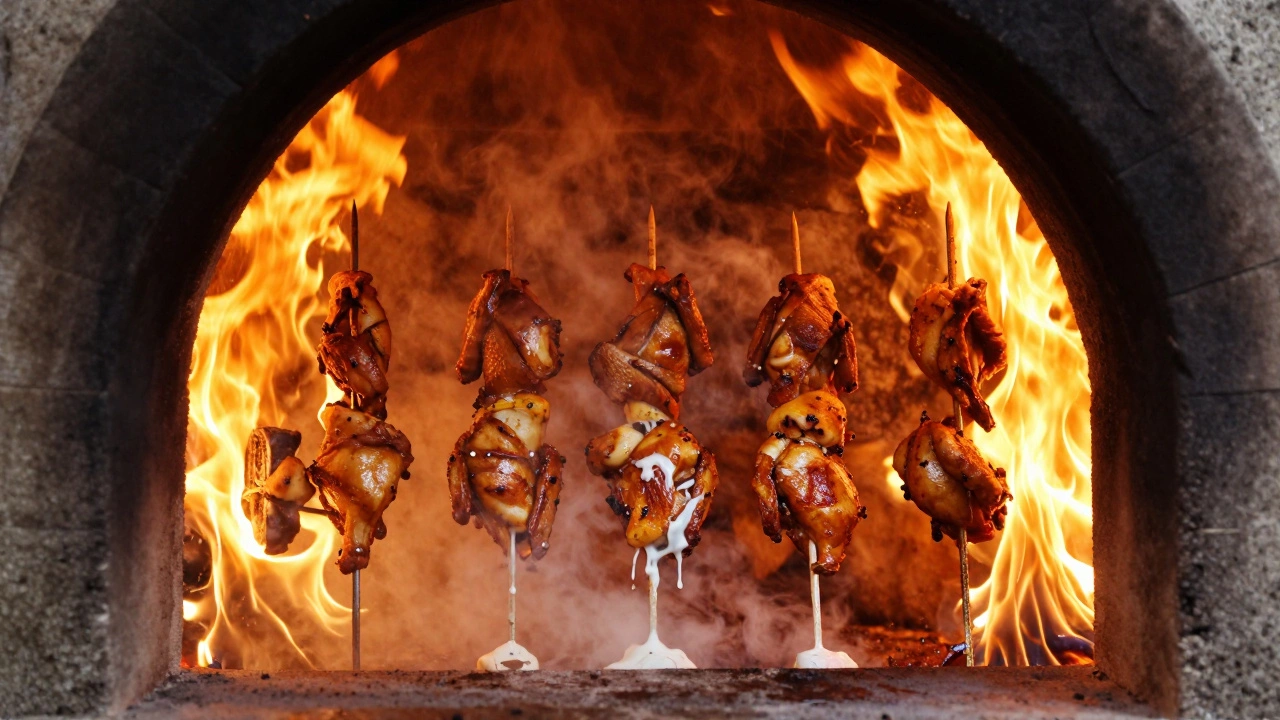
In a traditional tandoor oven is a cylindrical clay oven that reaches extremely high temperatures for baking bread and roasting meats, the intense heat causes rapid rendering. At home, whether you use a grill, an air fryer, or a standard oven, you’ll see pools of white-ish liquid forming around the chicken. This is pure rendered fat mixed with some dissolved proteins. It’s safe, flavorful, and actually helps keep the meat moist.
However, if you are aiming for a healthier version of Tandoori Chicken, you might want to drain this off halfway through cooking. Leaving too much fat can prevent the chicken from browning properly, resulting in steamed rather than roasted meat.
When to Worry: Signs of Spoilage
Not all white substances are benign. There are specific signs that indicate your chicken has gone bad and must be discarded. Foodborne illnesses like Salmonella is a type of bacteria commonly found in raw poultry that can cause severe food poisoning are no joke. Here is how to tell the difference between normal chicken behavior and spoilage:
- Smell: This is your best detector. Fresh chicken has a mild, barely noticeable scent. Spoiled chicken smells sour, sulfurous (like rotten eggs), or distinctly ammonia-like. If it makes you gag, throw it out.
- Texture: Raw chicken should feel firm but slightly soft. If the white stuff feels slimy, sticky, or tacky to the touch-even after rinsing-it indicates bacterial growth. Normal albumin wipes away easily; bacterial slime does not.
- Color: While white spots are often fine, gray, green, or black discoloration is a definite red flag. Pink hues near the bone can be normal due to hemoglobin, but widespread darkening is not.
- Packaging: If the package was bloated or leaking excessive pinkish liquid (not just clear/white), the seal may have broken, allowing bacteria to enter.
Best Practices for Handling Raw Chicken
To minimize confusion and maximize safety, follow these steps when preparing your Tandoori Chicken:
- Keep it Cold: Never leave chicken at room temperature for more than two hours. Bacteria multiply rapidly between 40°F and 140°F (4°C - 60°C).
- Pat Dry: Before marinating, pat the chicken dry with paper towels. This removes excess surface moisture and albumin, helping your spice rub stick better.
- Marinate Properly: Use enough yogurt to coat the chicken fully. The acidity in yogurt helps break down tough fibers, making the meat tender. Don’t skimp on the garlic, ginger, or lemon juice-they add flavor and help inhibit surface bacteria temporarily.
- Cook to Temperature: Always use a meat thermometer. Chicken is safe to eat when the internal temperature reaches 165°F (74°C). Visual cues alone aren’t reliable.
- Clean Up: Wash your hands, cutting boards, and utensils with hot soapy water immediately after handling raw chicken. Avoid washing the chicken itself under the tap, as splashing can spread bacteria to your sink and counters.
Tandoori Chicken Recipe: A Quick Reference
Now that you know what to expect with the chicken, here’s a streamlined approach to getting that authentic taste without the worry.
| Ingredient | Purpose | Quantity |
|---|---|---|
| Plain Yogurt | Tenderizer and base | 1 cup |
| Kashmiri Chili Powder | Color and mild heat | 2 tbsp |
| Ginger-Garlic Paste | Aromatic flavor | 3 tbsp |
| Lemon Juice | Acidity balance | 2 tbsp |
| Salt | Seasoning | To taste |
Mix all ingredients until smooth. Coat the chicken thoroughly. Marinate for at least 4 hours in the fridge. Grill or bake at 450°F (230°C) for 20-25 minutes, flipping halfway, until the internal temperature hits 165°F (74°C). Let it rest for 5 minutes before serving. The white residue will be gone, replaced by beautiful charred marks and juicy meat.
Is white slime on raw chicken safe?
If the white substance is thin, wipes off easily, and the chicken smells neutral or mild, it is likely albumin (protein) and is safe. If it is thick, sticky, and smells sour or foul, it is bacterial growth and should be discarded.
Why does my Tandoori chicken have white spots after cooking?
White spots after cooking are usually coagulated proteins or rendered fat. They are harmless. If the chicken reached 165°F internally, it is safe to eat regardless of minor color variations.
Can I wash chicken to remove the white stuff?
No, do not wash raw chicken under running water. This spreads bacteria via splash contamination. Instead, pat it dry with paper towels and discard the towels immediately.
Does yogurt make chicken slimy?
Yogurt can create a thick coating that feels slick, especially when cold. This is normal for Tandoori marinades. It helps tenderize the meat and adds flavor. It is not slime caused by spoilage unless accompanied by a bad odor.
How long can chicken sit in the marinade?
Chicken can safely marinate in the refrigerator for up to 24 hours. Beyond this, the acid in the yogurt may begin to break down the texture too much, making the meat mushy, though it remains safe if kept cold.