Raw Paneer Safety Checker
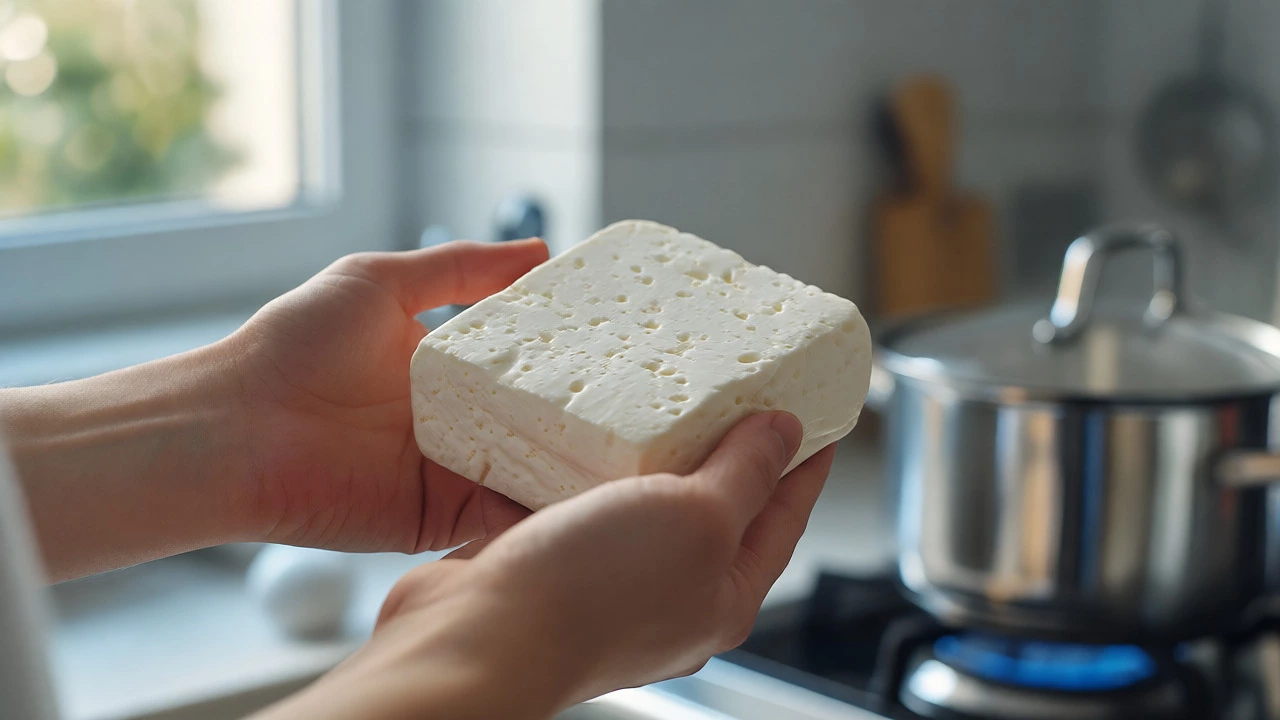
You’re standing in your kitchen, staring at a block of paneer, a non-aged acid-set cheese common in South Asian cuisine. It looks soft, creamy, and incredibly tempting. Your stomach is growling, the curry on the stove needs another twenty minutes, and you just want a bite. But a little voice in your head asks: Is it safe to eat this raw?
The short answer is yes, but with big caveats. Unlike hard cheeses like cheddar or parmesan, which are aged and preserved, paneer is a fresh cheese. This means its safety profile depends entirely on how it was made, how long it’s been sitting out, and whether it’s store-bought or homemade. If you’ve ever worried about food poisoning from dairy, you know that freshness isn’t just a marketing term-it’s a biological reality.
The Science Behind Raw Paneer Safety
To understand if raw paneer is safe, you have to look at what paneer actually is. It’s essentially milk solids separated from whey using an acid (like lemon juice or vinegar) and heat. Because it’s not fermented or aged, it retains high moisture content. In microbiology terms, high moisture plus neutral-to-slightly-acidic pH equals a playground for bacteria if not handled correctly.
Commercially packaged paneer undergoes pasteurization during production. The milk used is heated to kill pathogens like Listeria, a bacterium that can cause serious infection in pregnant women and immunocompromised people, and Salmonella before the curdling process begins. So, if you buy sealed, refrigerated paneer from a reputable brand like Amul or Mother Dairy, eating it straight from the pack is generally low-risk, provided it’s within its expiry date and has been kept cold.
Homemade paneer is different. When you make it at home, you control the hygiene. If you boiled the milk properly and handled the curds with clean hands or utensils, raw consumption is fine. However, if the milk wasn’t brought to a full boil, or if the paneer sat at room temperature for hours while cooling, bacterial growth could have started. Listeria, in particular, thrives in moist environments and can survive even in refrigerated conditions, though it grows slowly. That’s why time and temperature are your best friends here.
Store-Bought vs. Homemade: What’s Safer to Eat Raw?
Let’s break down the risks based on where your paneer came from. This isn’t just about taste; it’s about minimizing the chance of an upset stomach.
| Factor | Store-Bought Paneer | Homemade Paneer |
|---|---|---|
| Pasteurization | Usually uses pasteurized milk; industrial standards apply. | Depends on user; must boil milk thoroughly to ensure safety. |
| Shelf Life (Refrigerated) | 7-10 days unopened; 3-4 days after opening. | 2-3 days maximum; high moisture promotes spoilage. |
| Additives | May contain preservatives or stabilizers. | None; pure milk and acid only. |
| Raw Eating Risk | Low, if stored correctly. | Moderate, if hygiene or cooling was compromised. |
If you bought a packet of paneer today and it’s still icy cold from the fridge, go ahead and slice it into a salad. You’re likely fine. But if you made a batch yesterday afternoon and left it on the counter to drain overnight without covering it properly, you might want to give it a quick rinse or sauté it lightly. The surface area exposed to air is where contamination usually happens.
Nutritional Benefits of Eating Paneer Uncooked
Why would anyone bother eating it raw when it tastes great fried? Well, cooking changes the structure of proteins and fats. While cooked paneer is delicious, raw paneer preserves certain heat-sensitive nutrients. For one, it keeps the calcium more bioavailable in some contexts because excessive heating can sometimes bind minerals, though the difference is marginal. More importantly, raw paneer is lower in calories if you’re avoiding the oil typically used in frying or gravy-based dishes.
A 100-gram serving of plain paneer contains roughly 26 grams of protein and 20 grams of fat. By skipping the oil, you save hundreds of calories per meal. For fitness enthusiasts in Birmingham looking for a post-workout snack, a few cubes of raw paneer with black pepper and salt offer a quick protein hit without the heaviness of a Palak Paneer, a popular North Indian dish featuring spinach and paneer.
Also, consider the texture. Raw paneer has a distinct crumbly yet creamy mouthfeel that melts differently than cooked cheese. It doesn’t stretch like mozzarella, but it provides a satisfying density that works well in cold applications.
How to Make Raw Paneer Taste Amazing
Eating a bland cube of cheese might sound boring, but paneer is a blank canvas. Since you aren’t masking the flavor with heavy spices or sauces, the quality of the milk matters. Here are three ways to elevate raw paneer in your kitchen:
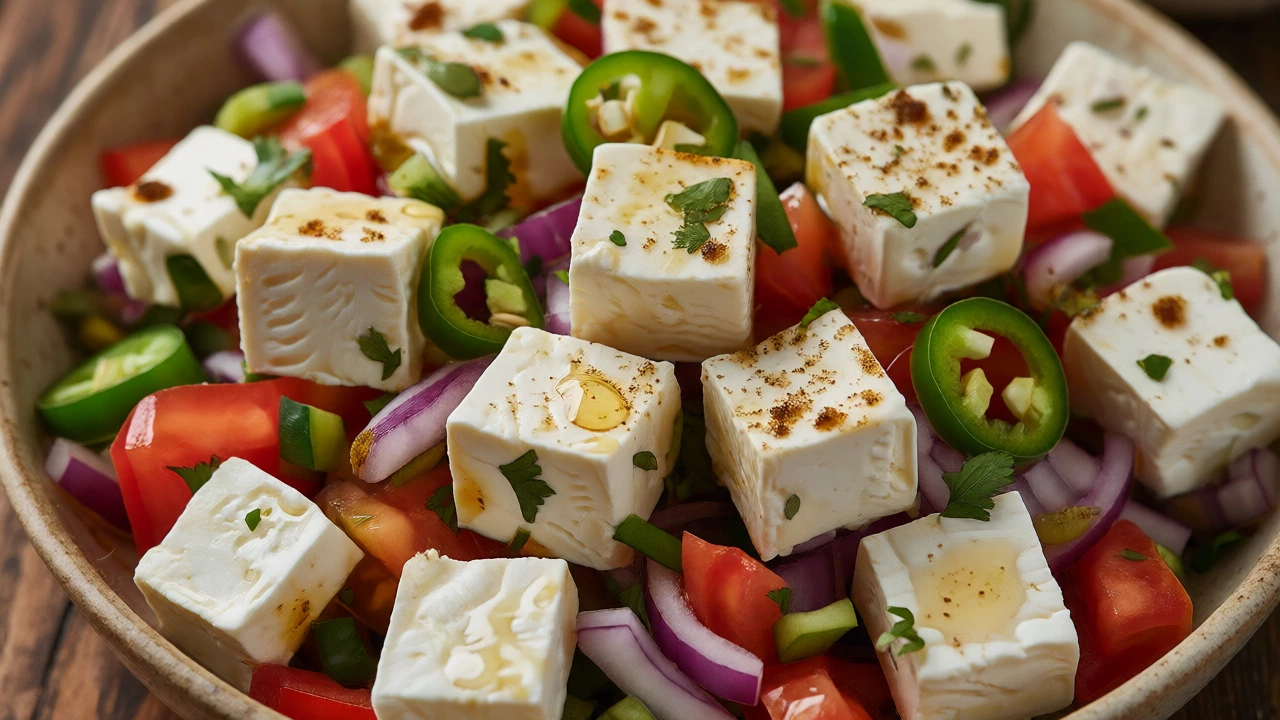
- The Classic Chaat Style: Cube the paneer and toss it with chopped onions, tomatoes, coriander, green chilies, and a squeeze of lemon. Add a pinch of chaat masala. The acidity cuts through the richness of the cheese, making it refreshing rather than heavy.
- Honey and Nut Crunch: For a sweet option, drizzle raw paneer with honey and top with crushed walnuts or pistachios. This works surprisingly well as a dessert substitute or a breakfast addition to yogurt.
- Marinated Salad Topper: Soak small cubes in a mixture of olive oil, garlic powder, dried oregano, and cracked black pepper for ten minutes. Toss them into a cucumber and tomato salad. The marinade softens the exterior slightly, improving the texture without cooking it.
I often do the marinated version when hosting guests who don’t eat meat. It feels substantial enough to be a main course component but light enough to leave room for other dishes.
Signs Your Paneer Is No Longer Safe to Eat Raw
Dairy spoils fast. Even if it’s within the expiry date, trust your senses over the calendar. Here’s how to spot bad paneer before you take a bite:
- Smell Test: Fresh paneer smells mildly milky or sour, similar to yogurt. If it smells yeasty, rancid, or overly pungent, throw it away. Fermentation has started, and that’s not what we want in fresh cheese.
- Texture Check: Good paneer is firm but yields to pressure. If it feels slimy or sticky on the surface, bacteria are multiplying. If it’s rock-hard and dry, it’s stale-safe to eat but unpleasant.
- Color Inspection: Pure white or cream-colored is normal. Yellowing indicates oxidation or age. Pink or green spots mean mold has set in. Do not cut around mold on soft cheese; discard the whole block.
In my experience, homemade paneer tends to yellow faster than commercial brands because there are no preservatives. If your homemade batch turns yellowish-grey after two days, cook it immediately. Don’t risk eating it raw.
Who Should Avoid Raw Paneer?
While most healthy adults can handle raw paneer, certain groups need to be extra cautious. Pregnant women are advised to avoid unpasteurized dairy products due to the risk of listeriosis, which can harm the fetus. If you’re unsure whether your homemade paneer used fully pasteurized milk (store-bought milk is almost always pasteurized, but farm-fresh milk might not be), stick to cooked dishes.
Similarly, individuals with weakened immune systems or elderly people should prioritize cooked dairy. The risk of bacterial infection outweighs the convenience of snacking on raw cheese. Children are generally fine with store-bought pasteurized paneer, but monitor them for any digestive discomfort.
Storage Tips to Keep Paneer Fresh for Raw Consumption
If you plan to eat paneer raw, proper storage is non-negotiable. Here’s the method I use to keep it fresh for up to four days:
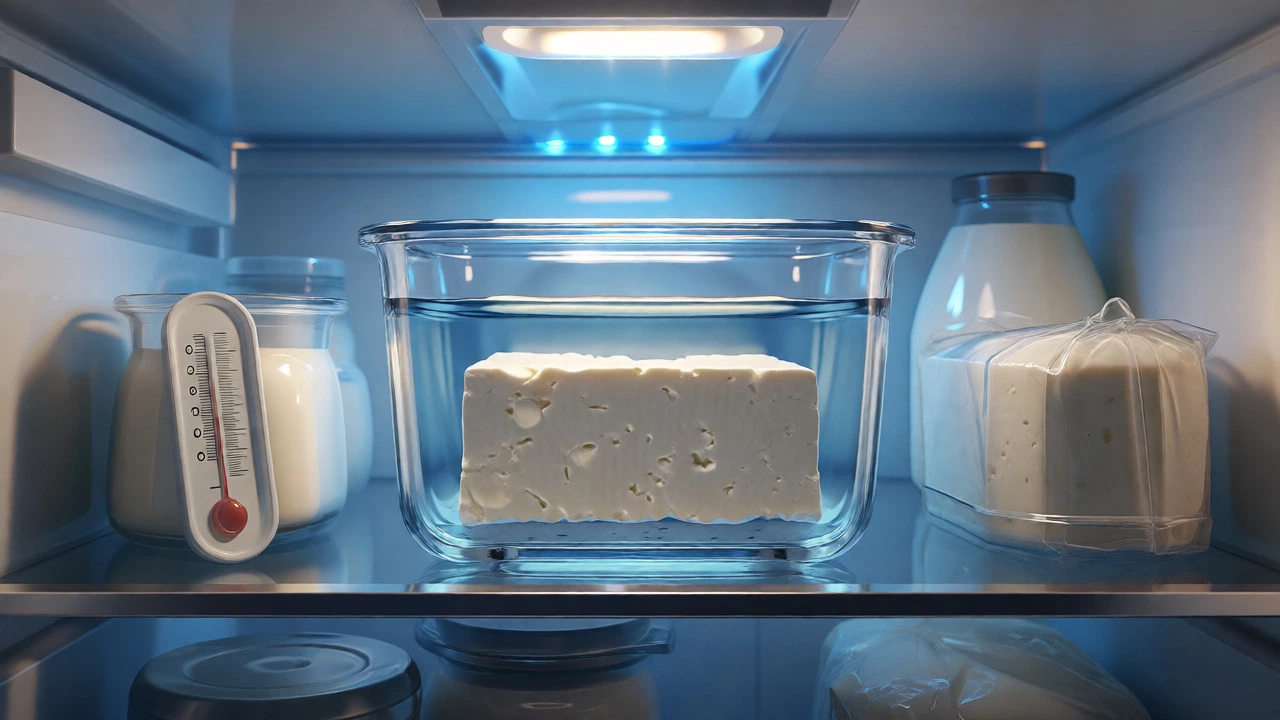
- Submerge in Water: Place the paneer block in a container and fill it with cold water. Change the water every day. This prevents the cheese from drying out and creates a barrier against airborne contaminants.
- Air-Tight Container: If you prefer not to soak it, wrap the paneer tightly in plastic wrap or place it in a sealed glass container. Exposure to air accelerates spoilage and absorbs fridge odors.
- Freezing for Later: Can you freeze paneer for raw use? Technically, yes, but the texture changes. Frozen-thawed paneer becomes crumblier and less creamy. It’s better suited for cooking than raw snacking. If you must freeze it, use it within a month.
Remember, the fridge temperature should stay below 5°C (41°F). In Birmingham, where our fridges sometimes struggle during heatwaves, double-check your appliance settings. A warm fridge is a silent killer for fresh dairy.
Frequently Asked Questions
Is raw paneer good for weight loss?
Yes, raw paneer can be part of a weight-loss diet because it is high in protein and satiating. By eating it raw, you avoid adding extra calories from oils or creams used in cooking. However, portion control is key since paneer is calorie-dense due to its fat content.
Can I eat expired paneer if it looks okay?
If it is only one or two days past the expiration date and has been stored correctly in the fridge, it is likely safe if it passes the smell and texture tests. However, for vulnerable groups like pregnant women, it is safer to discard expired fresh dairy.
Does raw paneer taste different from cooked paneer?
Yes. Raw paneer has a milder, fresher, and slightly tangier taste with a softer, crumblier texture. Cooked paneer develops a firmer texture and absorbs flavors from spices and gravies, often tasting richer due to added fats.
How long does homemade paneer last in the fridge?
Homemade paneer typically lasts 2 to 3 days in the refrigerator when stored submerged in water or wrapped tightly. After this period, the risk of bacterial growth increases, so it is best consumed quickly or frozen for later use.
Is it safe to eat raw paneer during pregnancy?
It is generally safe if the paneer is made from pasteurized milk and handled hygienically. However, many doctors advise pregnant women to consume cooked dairy to eliminate any potential risk of listeria or other bacteria. Consult your healthcare provider for personalized advice.