Post-Meal Drowsiness Risk Calculator
Estimate your risk of experiencing a "food coma" based on meal composition, portion size, and timing.
Your Result:
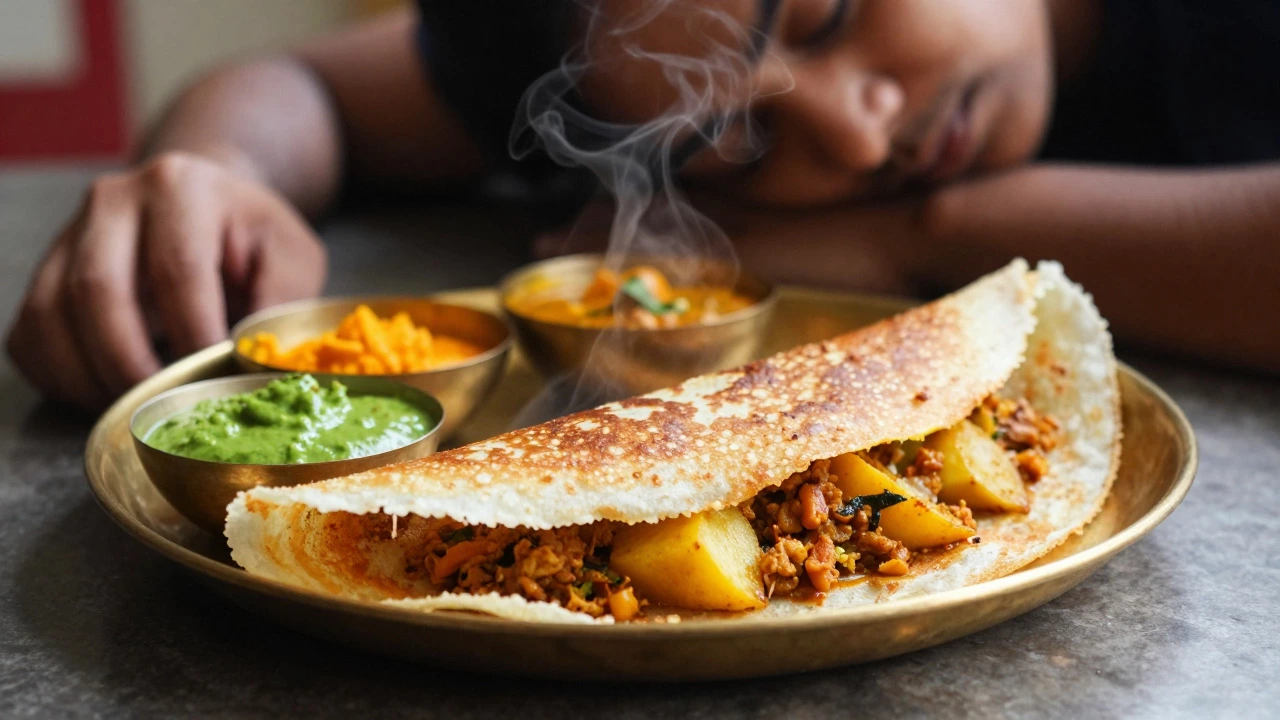
You’ve just finished a plate of crispy, golden dosa is a thin South Indian crepe made from fermented rice and lentil batter, perhaps with some spicy potato filling or coconut chutney. It was delicious. But now, about twenty minutes later, your eyelids feel heavy. Your brain feels foggy. You’re fighting the urge to nap right where you are. You aren’t alone. This phenomenon, often called a "food coma" or postprandial somnolence, is incredibly common after meals rich in carbohydrates and proteins, like the traditional dosa meal.
So, why does this happen? Is it something specific about the fermentation process of the batter? Or is it simply the volume of food? Let’s break down the biology behind that sudden wave of drowsiness and how you can manage it without skipping your favorite comfort food.
The Blood Sugar Rollercoaster
The primary driver of post-meal sleepiness is your body’s reaction to blood sugar levels. Dosa batter is primarily made of rice and urad dal (black gram). Rice is a high-glycemic carbohydrate. When you eat a large portion of dosa, especially if it’s served with white rice or sweetened chutneys, your blood glucose levels spike rapidly.
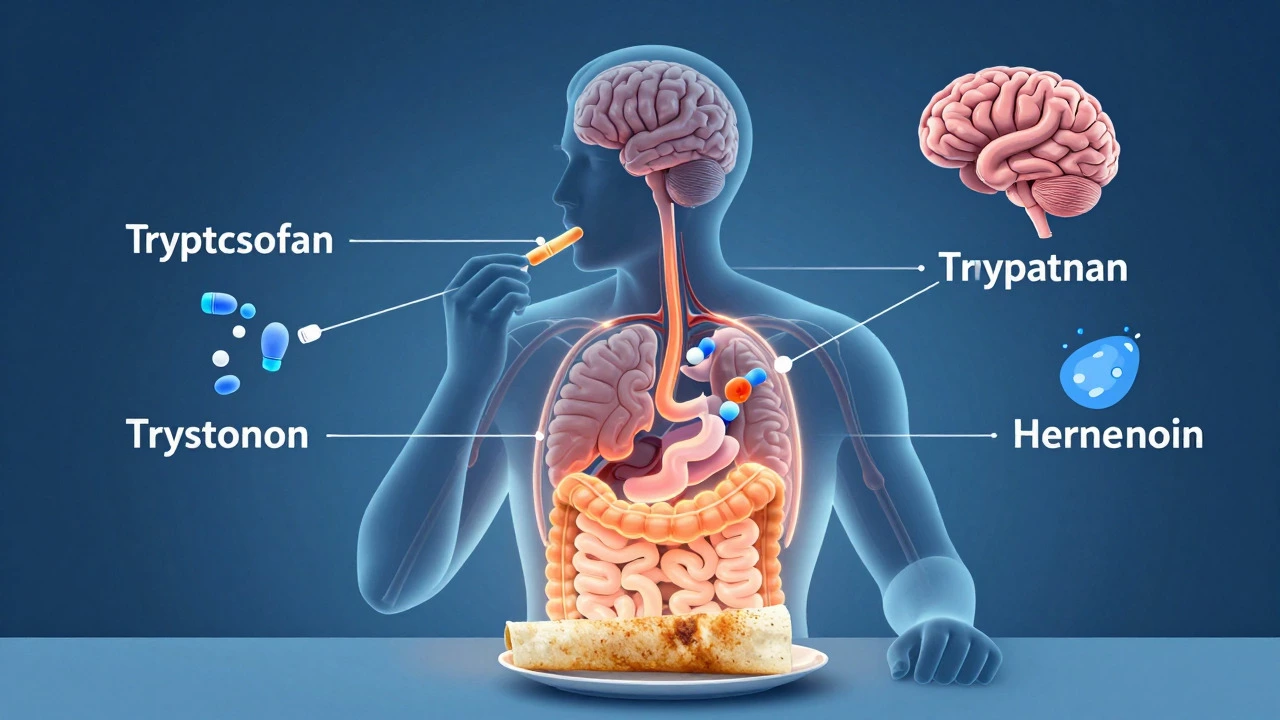
In response to this spike, your pancreas releases insulin. Insulin’s job is to shuttle glucose from your bloodstream into your cells for energy. However, this process isn’t instantaneous. As insulin works, it also helps tryptophan-an amino acid-cross the blood-brain barrier. Once in the brain, tryptophan is converted into serotonin, which then converts into melatonin. Melatonin is the hormone that regulates your sleep-wake cycle. Essentially, your body is chemically preparing you for rest because it thinks you’ve just consumed enough fuel to sustain you for a while.
| Food Item | Glycemic Index (GI) | Drowsiness Risk | Primary Nutrient Driver |
|---|---|---|---|
| Plain White Rice Dosa | High (~70-80) | High | Rapid Carbohydrate Absorption |
| Millet Dosa | Medium (~50-60) | Low-Medium | Fiber-Slowed Digestion |
| Egg Curry with Roti | Low-Medium | Medium | Protein & Fat Satiety |
| Salad with Grilled Chicken | Low | Low | Balanced Macros |
The Role of Fermentation and Digestion
While fermentation makes dosa easier to digest compared to unfermented rice and lentil mixes, it doesn’t eliminate the energy cost of digestion. Digestion is an active process. When you eat a substantial meal, blood flow is redirected from your extremities and brain to your gastrointestinal tract to aid in breaking down food. This shift in blood distribution can lead to a temporary drop in cognitive alertness.
Furthermore, dosa is often eaten as part of a larger meal that includes sambar, chutney, and sometimes fried accompaniments like vada or bajji. These foods are higher in fats and proteins. While fat slows down gastric emptying, keeping you full longer, it also requires more enzymatic effort from your body. If you eat quickly-a common habit when enjoying street-style or restaurant dosa-you consume a larger volume before your brain registers fullness. This overloading exacerbates the blood flow shift and the subsequent crash.
Tryptophan and the Serotonin Connection
We mentioned tryptophan earlier, but it’s worth diving deeper. Urad dal, a key ingredient in dosa batter, contains tryptophan. So do many other legumes. However, the combination of high-carb rice and protein-rich dal creates a perfect storm. Carbohydrates stimulate insulin release, and insulin clears other amino acids from the blood, leaving tryptophan with less competition to enter the brain. More tryptophan means more serotonin. Serotonin makes you feel calm and happy, but in excess, it induces sedation.
This is why a light snack might not make you sleepy, but a heavy, carb-protein combo like dosa and sambar often does. It’s not just the calories; it’s the specific nutrient interaction that triggers neurotransmitter changes in your brain.
Circadian Rhythms and Meal Timing
If you eat your dosa lunch between 1:00 PM and 3:00 PM, you’re likely experiencing a natural dip in your circadian rhythm. Humans have a built-in biological clock that causes a slight decrease in alertness in the early afternoon, regardless of what we eat. This is known as the post-lunch dip. When you combine this natural physiological low with the metabolic effects of a heavy meal, the urge to sleep becomes overwhelming.
In many cultures, including parts of India, a siesta or a short rest after lunch is a traditional practice. This isn’t just cultural preference; it aligns with our biology. However, in modern work environments, this natural dip clashes with productivity demands, making the drowsiness feel more disruptive than it might otherwise be.

How to Avoid the Post-Dosa Slump
You don’t need to give up dosa to stay alert. There are several practical strategies to mitigate the food coma effect:
- Choose Lower-GI Batters: Opt for dosas made with millets (like ragi or jowar) instead of pure white rice. Millets have a lower glycemic index and higher fiber content, which slows down sugar absorption and prevents the sharp insulin spike.
- Control Portion Sizes: Instead of three or four large dosas, have one or two. Fill the rest of your plate with vegetables or a lighter sambar. Smaller portions mean less blood flow diversion to the gut.
- Eat Slowly: Chew thoroughly and take breaks between bites. It takes about 20 minutes for your brain to register satiety signals. Eating slowly helps you stop before you’re overly full.
- Balance Your Plate: Ensure your meal includes plenty of fiber and healthy fats alongside the carbs. A side of cucumber salad or extra chutney can help moderate the blood sugar rise.
- Take a Short Walk: A 10-15 minute walk after eating helps regulate blood sugar levels by using glucose for muscle activity rather than storing it. It also keeps blood flowing to the brain, counteracting the drowsiness.
When Is It a Concern?
Occasional post-meal drowsiness is normal. However, if you find yourself excessively tired after every meal, or if the fatigue lasts for hours, it could indicate an underlying issue. Conditions like insulin resistance, prediabetes, or hypothyroidism can amplify these symptoms. If lifestyle changes don’t help, it’s worth consulting a healthcare provider to check your metabolic health.
Understanding the science behind why we sleep after eating dosa empowers you to make smarter choices. It’s not a flaw in your willpower; it’s your body doing exactly what it’s designed to do. By tweaking your ingredients, portions, and habits, you can enjoy the taste of dosa without paying the price in alertness.
Does fermented dosa cause more sleepiness than non-fermented?
Not necessarily. Fermentation actually breaks down complex carbohydrates and anti-nutrients, making the dosa easier to digest. However, because it digests efficiently, the nutrients are absorbed quickly, which can still lead to a rapid blood sugar spike if the portion size is large. The sleepiness is more related to the glycemic load and portion size than the fermentation itself.
What is the best time of day to eat dosa to avoid feeling sleepy?
Eating dosa at breakfast or early lunch (before 12:30 PM) can help mitigate the severe afternoon slump. Your body’s insulin sensitivity is generally higher in the morning, meaning it handles blood sugar spikes more effectively. Avoid heavy dosa meals late at night, as this can disrupt sleep quality despite making you feel drowsy initially.
Can drinking water help reduce post-meal drowsiness?
Yes, staying hydrated can help. Dehydration can worsen feelings of fatigue. Drinking a glass of water before or during your meal can aid digestion and prevent overeating. However, avoid drinking large amounts of liquid immediately after eating, as this can dilute stomach acids slightly and slow digestion further.
Is there a difference in sleepiness between masala dosa and plain dosa?
Masala dosa contains a potato filling, which adds more carbohydrates and often oil or ghee. This increases the overall calorie and fat content, leading to a longer digestion time and potentially more pronounced drowsiness due to the greater metabolic effort required. Plain dosa with light chutney is generally lighter on the system.
How long does the post-dosa sleepiness usually last?
For most people, the peak drowsiness occurs within 30 to 60 minutes after eating and gradually subsides over the next 1-2 hours as blood sugar levels stabilize. If you engage in light physical activity like walking, the duration of fatigue can be significantly reduced.