Biryani Spice Calculator
Spice Requirements
For 6 servingsCinnamon 1 stick
Cardamom 6 pods
Cloves 4 cloves
Saffron 12.5 strands
Saffron Milk 2 tbsp
Fried Onions 150g
Everyone loves biryani. The smell alone can pull you across the room. But how many times have you made it, only to think, It’s good… but it could be so much better? You followed the recipe. You used fresh ingredients. So why doesn’t it taste like the biryani your grandma made-or the one from that tiny roadside stall in Lucknow? The answer isn’t in more rice or extra chicken. It’s in the details most people skip.
Start with the rice
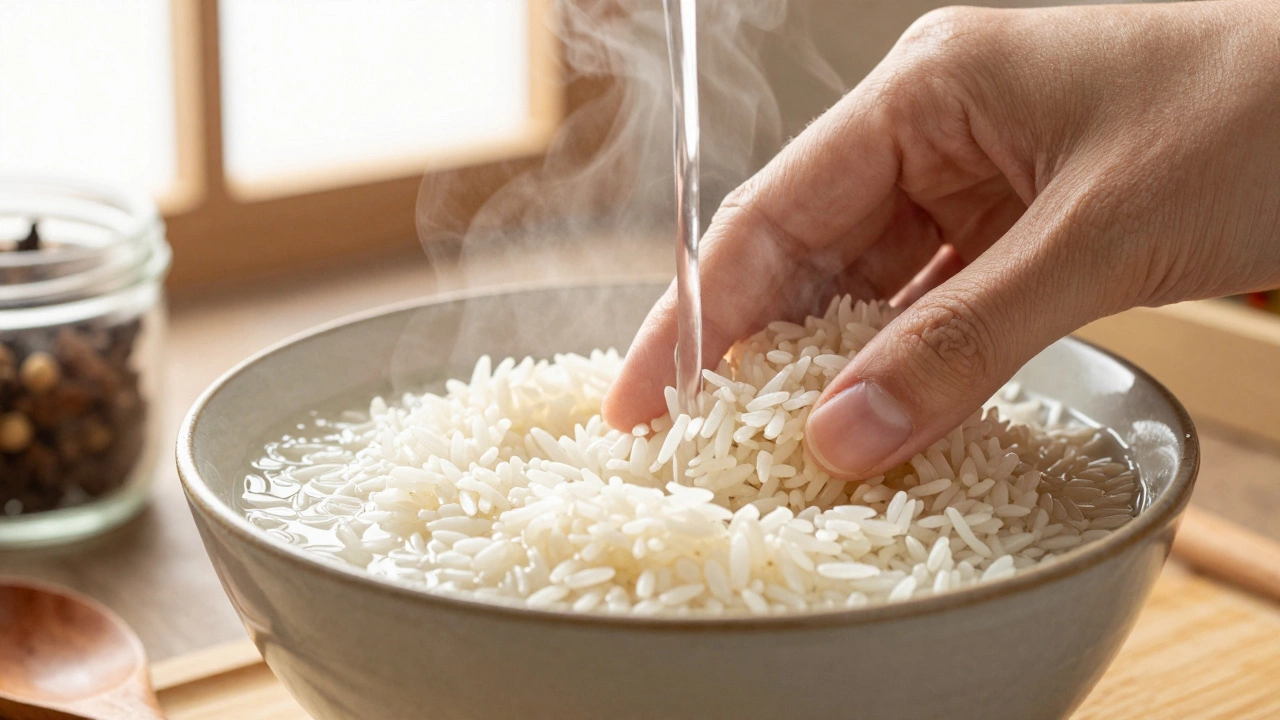
The foundation of any great biryani is the rice. Basmati is non-negotiable. But not all basmati is the same. Look for aged basmati-ideally one to two years old. Older rice has less moisture, which means it cooks up longer, fluffier, and less sticky. Rinse it until the water runs clear, then soak it for 30 minutes. Don’t skip this. Soaking lets the grains absorb water evenly, so they don’t break when you cook them later.
When boiling, use salted water-not just enough to taste, but enough to mimic seawater. You want the rice to be seasoned from the inside out. Cook it 70% done. That’s right. It should still have a tiny bite in the center. You’ll finish cooking it later with the steam. If you cook it fully now, it’ll turn mushy when layered and steamed.
Marinate like a pro
Chicken, lamb, or even vegetables-whatever your protein, marinate it for at least 4 hours, but overnight is better. The marinade isn’t just yogurt and spices. Add a tablespoon of lemon juice and a teaspoon of sugar. The acid tenderizes, the sugar helps with browning. And don’t just toss in garam masala. Build the flavor in layers.
Start with ground cumin and coriander. Add a pinch of asafoetida (hing) for depth. Then, use whole spices: green cardamom, cloves, cinnamon, and bay leaves. Toast them lightly in a dry pan before grinding. That step unlocks oils you can’t get from pre-ground spices. Mix in fresh ginger-garlic paste, not powdered. Fresh makes all the difference.
Layering isn’t just stacking-it’s engineering
Layering your biryani isn’t about putting rice on top of meat. It’s about creating heat zones. Start with a thin layer of fried onions (birista) at the bottom of the pot. This prevents sticking and adds sweetness. Then, spread half the rice. Add half the meat. Sprinkle saffron milk and a few strands of saffron over it. Then, add chopped mint and coriander. A handful of fried cashews or raisins here adds texture and contrast.
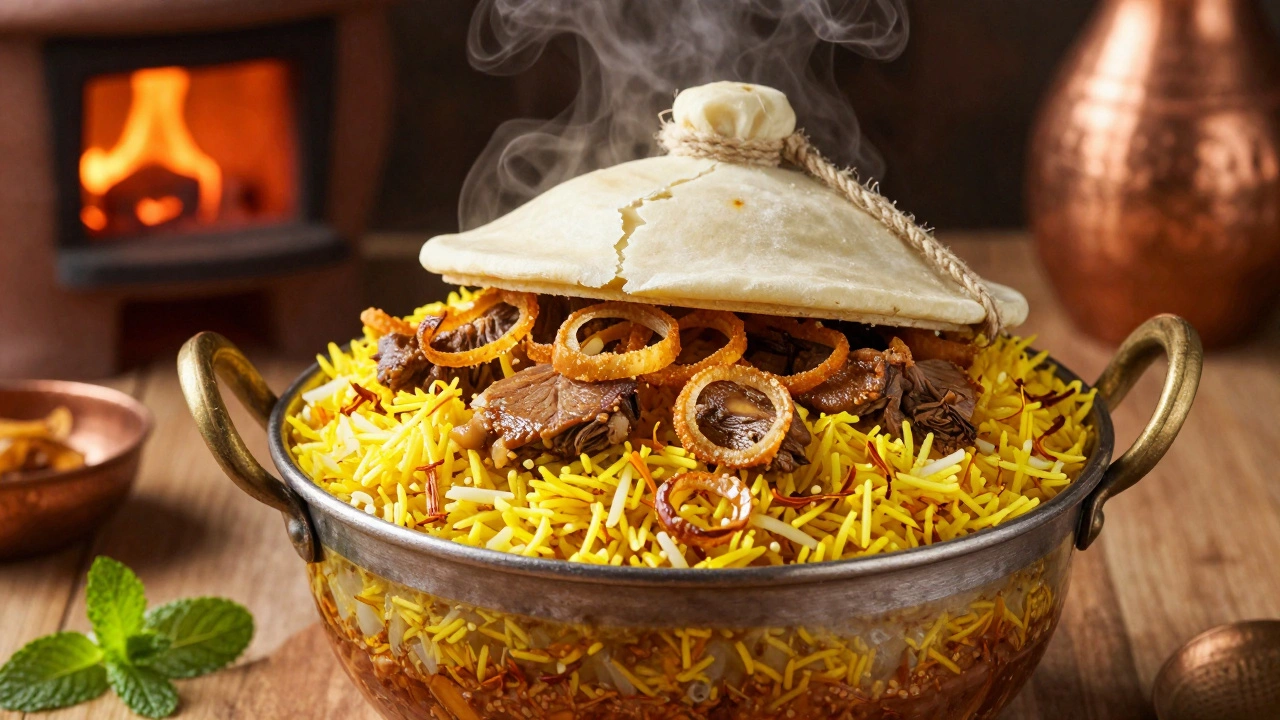
Repeat the layers. Top with the remaining rice. Now, the secret: seal the pot. Use dough made from flour and water, rolled into a rope and pressed around the lid. Or use a damp cloth under the lid. This traps steam like a pressure cooker. No steam escape means flavor stays locked in.
Steam time is sacred
Don’t rush this. Once sealed, cook on low heat for 30 to 40 minutes. No peeking. Opening the lid releases the steam-and the soul of the dish. The heat should be gentle. You want the rice to finish cooking slowly, absorbing the juices from the meat and spices below. If you’re using an oven, set it to 160°C. If you’re on the stove, use a diffuser. A direct flame will burn the bottom.
Let it rest for 10 minutes after turning off the heat. This lets the flavors meld. It’s not optional. This is when the magic happens. The rice soaks up the fat, the spices settle, and the aromas blend into something deeper than the sum of their parts.
Spices: less is more, but quality is everything
Most people overdo garam masala. It’s not the hero. The real stars are the whole spices you toast and grind yourself. Cinnamon, cardamom, cloves-these should sing, not shout. Use them sparingly. One cinnamon stick, six green cardamoms, four cloves. That’s enough for a pot serving six.
Saffron is the crown jewel. Soak 10-15 strands in two tablespoons of warm milk. Don’t use powdered saffron. It’s fake. Real saffron has a floral, honey-like note. Add it at the end of layering. Heat destroys its delicate flavor.
And never, ever use pre-mixed biryani masala. It’s a shortcut that kills complexity. You want to taste the individual spices-not a blended mystery.
Don’t forget the garnish
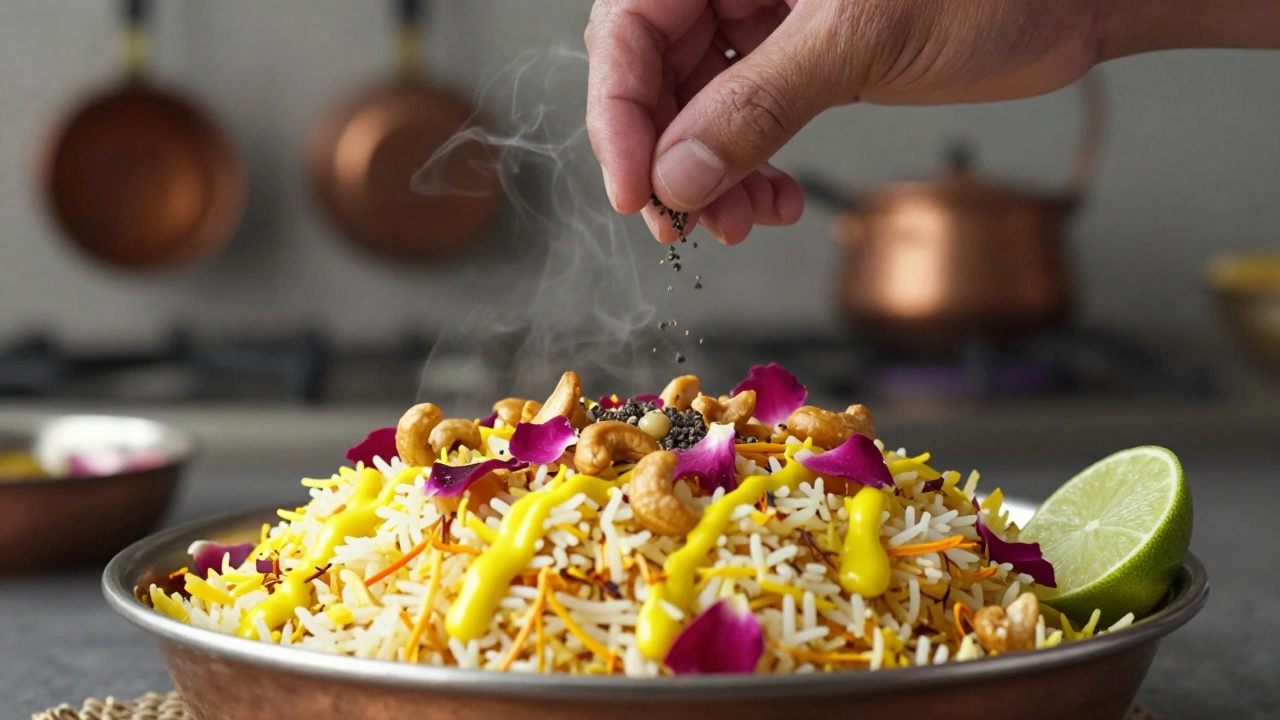
Just before serving, sprinkle a little more saffron milk over the top. Add a few fried cashews, a pinch of edible rose petals, and a dusting of ground black pepper. Black pepper? Yes. It cuts through the richness and wakes up the palate. A squeeze of fresh lime juice over the top just before serving brightens everything. It’s not traditional everywhere, but it’s a game-changer.
Water quality matters
This one’s rarely talked about. Hard water ruins biryani. It makes rice tough and dulls spice flavors. If your tap water is hard, boil it first and let it cool. Or use filtered water. In Birmingham, where water is moderately hard, I always boil and chill mine before using it for rice. It makes the grains softer and more aromatic.
Leftovers? Don’t reheat them
If you have leftovers, don’t microwave them. That turns the rice into a sticky mess. Instead, spread it in a shallow dish, drizzle a teaspoon of ghee over it, cover with foil, and warm it in a 150°C oven for 15 minutes. The steam from the ghee revives the texture. Add a few fresh mint leaves on top before serving.
Common mistakes that ruin biryani
- Using fresh (unaged) basmati-leads to sticky rice
- Boiling rice fully before layering-makes it mushy
- Skipping the marination time-meat tastes flat
- Using pre-ground spices-loses aroma and depth
- Opening the pot too early-steam escapes, flavor fades
- Overloading on garam masala-masks the spice balance
- Using tap water without boiling-hard water affects texture
What makes biryani taste different in different regions?
Hyderabadi biryani uses kewra water and fried onions as the main flavor base. Lucknowi biryani is subtle, with slow-cooked meat and minimal onion. Kolkata biryani includes boiled egg and potato. These differences come from how they layer, what they steam with, and how long they rest. The real secret? It’s not the region-it’s the patience.
If you want your biryani to taste like it came from a restaurant or a home kitchen in India, you don’t need fancy tools. You need time, attention, and respect for each step. Skip one, and you’ll taste it. Get all of them right, and people will ask for the recipe.