Dal Nutritional Calculator
Calculate the macros for your daily dal intake based on type and serving size.
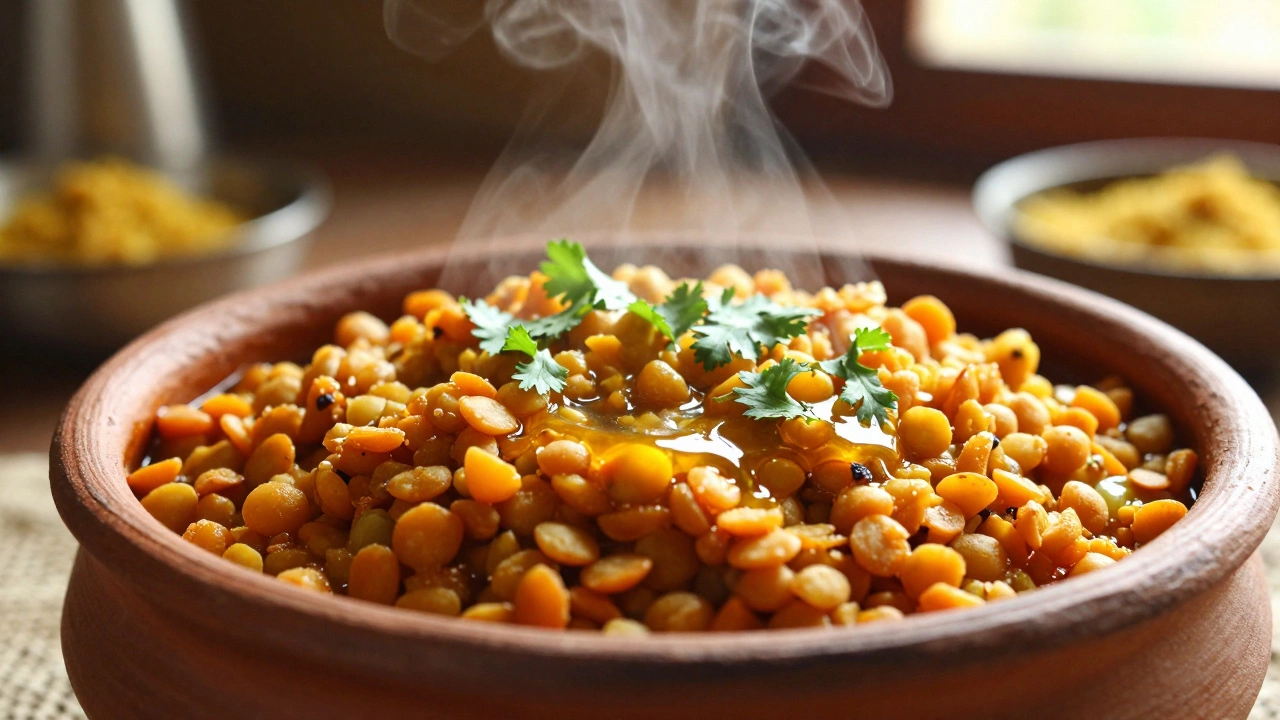
Picture this: You’re sitting down to a steaming bowl of Dal, a staple Indian dish made from cooked lentils, split peas, or beans. It’s comforting, it’s cheap, and it’s on almost every dinner table across the subcontinent. But if you’re tracking your macros for fitness, managing diabetes, or just trying to eat cleaner, one question keeps popping up in your head: Is dal actually protein, or is it mostly carbs?
The short answer? It’s both. And that’s exactly why it’s such a powerful food.
If you’ve been told to avoid carbs to lose weight, or if you’re a vegetarian struggling to hit your protein goals, understanding the nutritional profile of dal is crucial. Let’s break down exactly what’s inside that bowl, how different types of dal compare, and how you can fit them into your diet without guessing.
The Macro Reality: Protein vs. Carbs in Dal
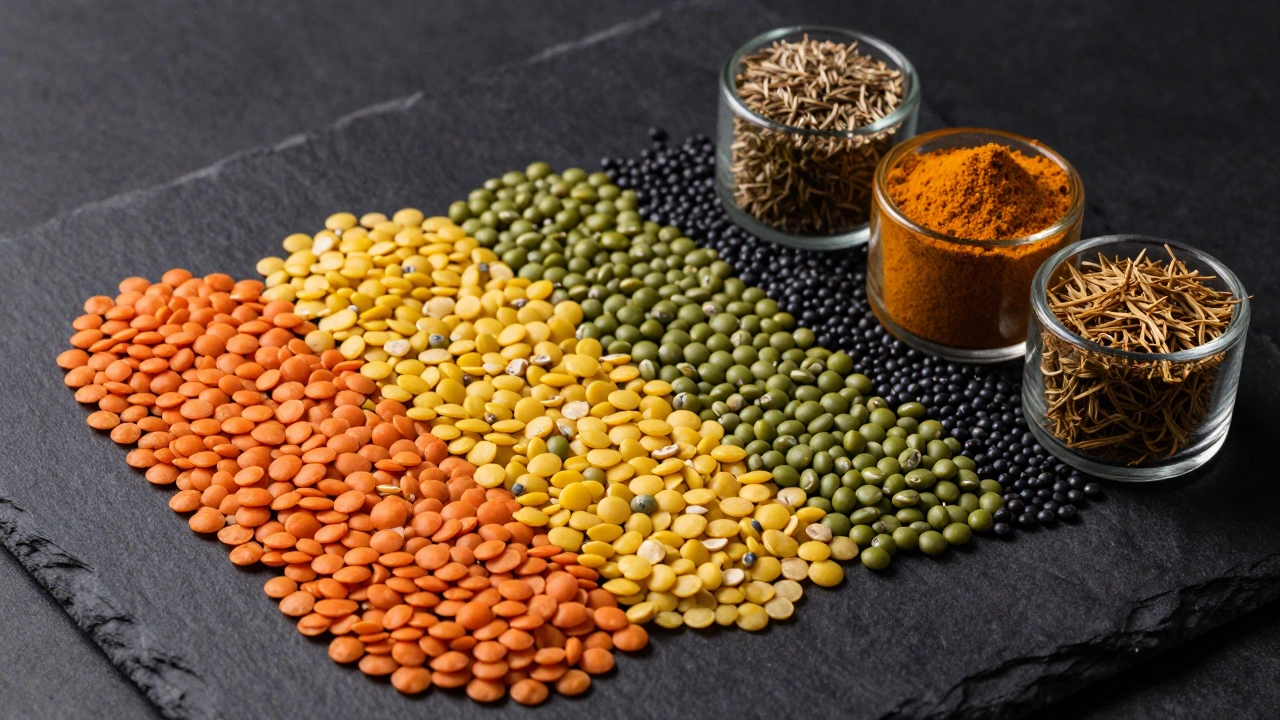
When we talk about "dal," we aren’t talking about one single ingredient. We are talking about a family of legumes. This includes red lentils (masoor), yellow split peas (chana dal), black gram (urad dal), pigeon peas (toor/arhar dal), and kidney beans (rajma). While they all fall under the culinary umbrella of "dal," their nutritional profiles vary slightly.
However, there is a general rule of thumb for most common dals when cooked with water (no added cream, ghee, or sugar):
- Protein: Roughly 7-9 grams per 100 grams of cooked dal.
- Carbohydrates: Roughly 20-25 grams per 100 grams of cooked dal.
- Fat: Very low, usually less than 1 gram per 100 grams.
- Fiber: A significant 3-5 grams per 100 grams.
So, is it protein or carb? Technically, by weight, it has more carbohydrates. But here is the catch: Not all carbs are created equal. The carbs in dal are complex carbohydrates paired with high fiber. This means they digest slowly, providing sustained energy rather than a sugar spike. Meanwhile, the protein content is substantial enough to make it a primary protein source for millions of vegetarians worldwide.
Why Fiber Changes the Game
If you look at the numbers above, you might think, "Wait, 20 grams of carbs is a lot!" If you were eating white rice or pasta, those would be "empty" carbs that spike your blood sugar quickly. Dal is different because of its fiber content.
Fiber is a type of carbohydrate that your body cannot digest. When calculating "net carbs" (the carbs that actually impact your blood sugar and insulin levels), many nutritionists subtract the fiber from the total carb count.
Let’s do the math for a standard serving of Toor Dal:
- Total Carbs: 22g
- Fiber: 4g
- Net Carbs: 18g
This lower net carb load, combined with the protein, gives dal a low Glycemic Index (GI). Foods with a low GI release glucose slowly into your bloodstream. This makes dal an excellent choice for people with type 2 diabetes or anyone looking to maintain stable energy levels throughout the day. In Birmingham, where I see so many folks balancing busy work lives with health goals, swapping refined grains for dal is often the simplest switch that yields the biggest results.
Comparing Common Types of Dal
Not all dals are nutritionally identical. Some are higher in protein, while others are easier to digest. Here is how the most popular varieties stack up against each other.
| Type of Dal | Protein (g) | Total Carbs (g) | Fiber (g) | Best For |
|---|---|---|---|---|
| Masoor Dal (Red Lentil) | 9.0 | 20.0 | 3.0 | Quick cooking, easy digestion |
| Toor Dal (Pigeon Pea) | 8.5 | 22.0 | 4.0 | Balanced macros, everyday staple |
| Chana Dal (Split Chickpea) | 8.8 | 27.0 | 7.6 | High fiber, satiety |
| Urad Dal (Black Gram) | 8.0 | 24.0 | 6.0 | Strength building, heavier meals |
| Rajma (Kidney Bean) | 8.7 | 22.8 | 5.4 | Heart health, iron boost |
Notice how Chana Dal has significantly more fiber? That makes it incredibly filling. If you are trying to control portion sizes, Chana Dal or Urad Dal might be your best friends. On the other hand, Masoor Dal cooks in minutes and is very gentle on the stomach, making it ideal for beginners or those with sensitive digestive systems.
Dal as a Protein Source for Vegetarians
In Western diets, meat is the default protein. In Indian cuisine, dal fills that role. But does it really pack enough punch?
A typical cup of cooked dal provides about 18 grams of protein. To put that in perspective, a 3-ounce serving of chicken breast has about 26 grams of protein. So, dal isn’t quite as dense as meat, but it’s far superior to most plant-based options like quinoa (8g per cup) or brown rice (5g per cup).
The key challenge with plant proteins is that they are often "incomplete." This means they might lack one or more essential amino acids-the building blocks your body needs. However, dal solves this problem easily when paired with whole grains. This concept is called "complementary proteins."
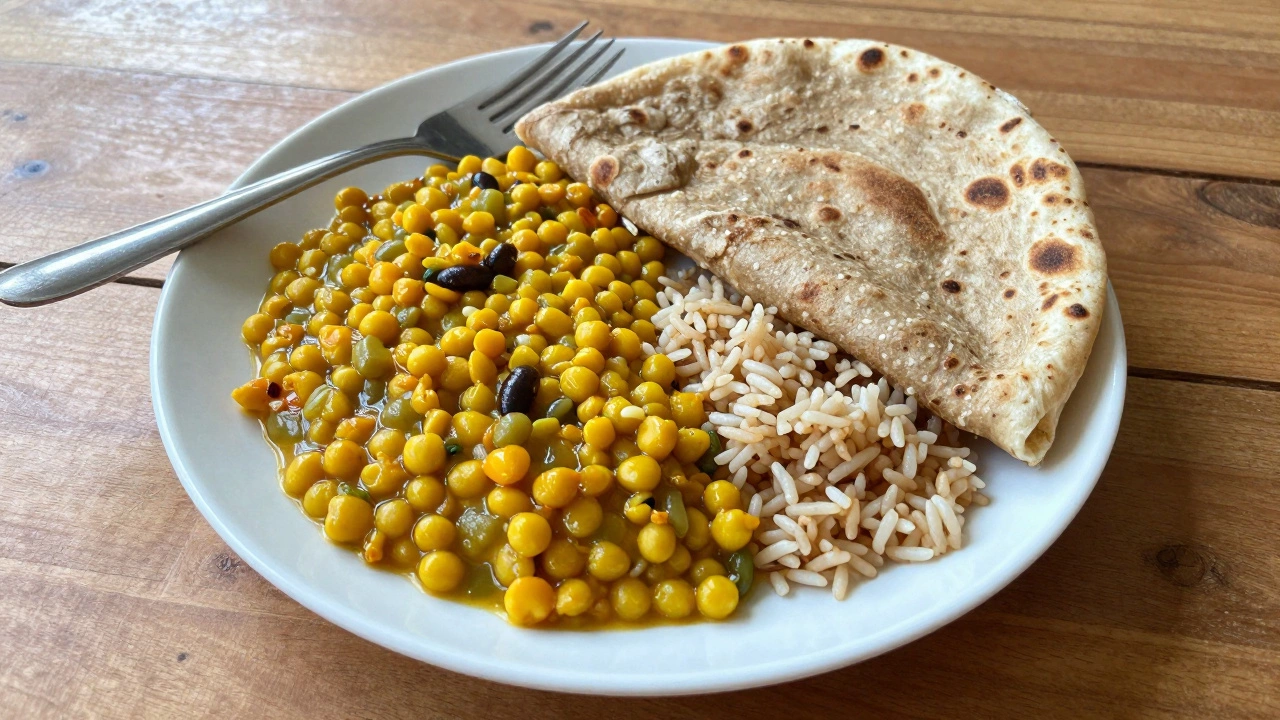
When you eat dal with rice (khichdi) or roti (wheat bread), you create a complete amino acid profile. This combination rivals the protein quality of eggs or meat. This is why traditional Indian meals naturally balance nutrition without needing a degree in biochemistry. You don’t need to obsess over combining foods in the same meal; just ensure you eat a variety of grains and legumes throughout the day.
How Cooking Methods Change the Nutrition
The base ingredient matters, but how you cook it matters just as much. Many people assume dal is inherently healthy, but a restaurant-style preparation can change the equation entirely.
Consider the difference between these two scenarios:
- Homestyle Dal: Cooked with minimal oil, turmeric, cumin, and garlic. This retains the low-fat, high-fiber benefits.
- Restaurant Dal Makhani: Often cooked with heavy cream, butter, and excessive salt. This turns a heart-healthy legume into a calorie-dense indulgence.
If your goal is weight loss or blood sugar management, watch out for the "tempering" (tadka). Tempering involves frying spices in oil or ghee and pouring it over the dal. While delicious, adding two tablespoons of ghee adds roughly 240 calories and 27 grams of saturated fat to your dish. It doesn’t change the protein or carb count of the lentils themselves, but it drastically changes the total caloric load.
Tip: Use a spray bottle of olive oil for tempering instead of pouring it from the pan. You get the flavor with a fraction of the fat.
Dal for Specific Health Goals
Depending on what you are trying to achieve, dal can be tailored to support your objectives.
For Weight Loss
Dal is highly satiating. The combination of protein and fiber keeps you full longer than refined carbs. Studies have shown that including legumes in your diet can reduce overall calorie intake because you feel satisfied sooner. Replace half your rice portion with dal, and you’ll likely consume fewer calories without feeling deprived.
For Diabetes Management
As mentioned earlier, the low glycemic index is key. Dal prevents rapid spikes in blood glucose. Additionally, lentils contain magnesium and chromium, minerals that play a role in insulin sensitivity. Consistent consumption of dal has been linked to better long-term blood sugar control in diabetic patients.
For Muscle Building
If you are vegan or vegetarian and lifting weights, you need volume. Since dal has less protein per gram than whey powder or steak, you may need to eat larger portions. Pairing dal with a side of quinoa or buckwheat can help you hit those post-workout protein targets without relying solely on supplements.
Common Myths About Dal
There are several misconceptions floating around social media regarding dal and nutrition. Let’s clear them up.
Myth 1: "Dal causes gas, so I should avoid it."
While legumes can cause bloating due to oligosaccharides (complex sugars), this is manageable. Soaking dried lentils before cooking, sprouting them, or using spices like asafoetida (hing) and cumin can significantly reduce gas production. Your gut bacteria also adapt over time. If you rarely eat fiber, start with small portions of well-cooked Masoor Dal and gradually increase.
Myth 2: "All carbs are bad for weight loss."
This is outdated advice. Complex carbs from whole foods like dal provide essential energy and nutrients. Cutting them out completely can lead to fatigue and nutrient deficiencies. The issue is never the carb itself, but the lack of fiber and presence of added sugars in processed foods.
Myth 3: "You need to soak all dals for hours."
Split dals like Masoor, Toor, and Moong do not require soaking. They cook in 15-20 minutes. Whole beans like Rajma or Kabuli Chana definitely need soaking (or pressure cooking) to become digestible and to reduce anti-nutrients like phytic acid.
Practical Tips for Adding More Dal to Your Diet
If you want to reap the benefits of dal but aren’t sure how to incorporate it beyond a traditional curry, try these simple swaps:
- Dal Soup Base: Instead of a cream-based soup, use blended Masoor Dal as a base for vegetable soups. It adds thickness and protein without dairy.
- Sandwich Filling: Mix cooled Chana Dal with onions, tomatoes, and chaat masala. It makes a fantastic, high-protein sandwich spread.
- Bowl Topping: Add a scoop of Urad Dal to your grain bowls or salads for extra heft and nutrition.
- Breakfast Khichdi: Don’t save dal for dinner. A light Moong Dal khichdi is a perfect, easy-to-digest breakfast that fuels you until lunch.
Remember, consistency beats perfection. You don’t need to eat dal every single day, but aiming for 3-4 servings a week can significantly improve your overall nutrient intake.
Is dal considered a high-protein food?
Yes, relative to other plant-based foods, dal is considered a good source of protein. One cup of cooked dal provides approximately 18 grams of protein. While it is not as dense as meat or whey protein, it is one of the best non-animal sources available and forms the backbone of vegetarian diets globally.
Can I eat dal on a keto diet?
It depends on your strictness. Dal contains about 18-20 grams of net carbs per cup. If your daily limit is 20-50 grams of carbs, a small serving of dal might fit, but it will take up a large portion of your allowance. Traditional keto dieters often avoid legumes, but some modified low-carb plans include small amounts of lentils for their fiber and micronutrient benefits.
Which dal has the highest protein content?
Masoor Dal (red lentils) and Chana Dal (split chickpeas) generally have the highest protein content among commonly used dals, offering around 9 grams of protein per 100 grams of cooked product. Soybeans (often used in Indian cooking as 'soya chunks') have even higher protein, but they are technically a bean, not a traditional dal.
Does dal raise blood sugar levels?
Dal has a low Glycemic Index (GI), meaning it raises blood sugar slowly and steadily compared to white rice or bread. The high fiber and protein content slow down digestion. For diabetics, dal is an excellent food choice, provided it is not prepared with excessive sugar or fried in too much oil.
How much dal should I eat per day?
A standard serving size is about half a cup to one cup of cooked dal per meal. Most nutritionists recommend consuming legumes like dal 3 to 5 times a week for optimal health benefits. Listening to your body’s digestive response is key; if you experience bloating, reduce the portion size and increase water intake.