Healthy Indian Snack Matcher
Not sure what to eat? Answer three simple questions to get a personalized healthy Indian snack recommendation that fits your body's needs.
It is 3 PM. Your stomach is growling, your energy has dipped, and you are staring at the fridge. The old instinct kicks in: grab a packet of chips or a sugary biscuit. But what if that snack could actually fuel your afternoon instead of dragging it down? For anyone navigating the rich landscape of Indian cuisine, which is often associated with heavy gravies and fried treats, finding a genuinely healthy bite can feel like searching for a needle in a haystack. However, traditional Indian pantry staples offer some of the most nutrient-dense snacks available, provided you know how to prepare them without drowning them in oil and sugar.
The core problem with most "snacking" is that we treat it as a break from eating, rather than a strategic refuel. When you choose the wrong snack, you trigger a blood sugar spike followed by a crash, leaving you hungrier an hour later. The healthiest thing to eat depends entirely on your body's current needs-protein for satiety, fiber for digestion, or healthy fats for sustained energy. Let’s look at the specific Indian ingredients that deliver these benefits effectively.
Why Traditional Indian Ingredients Are Snack Powerhouses
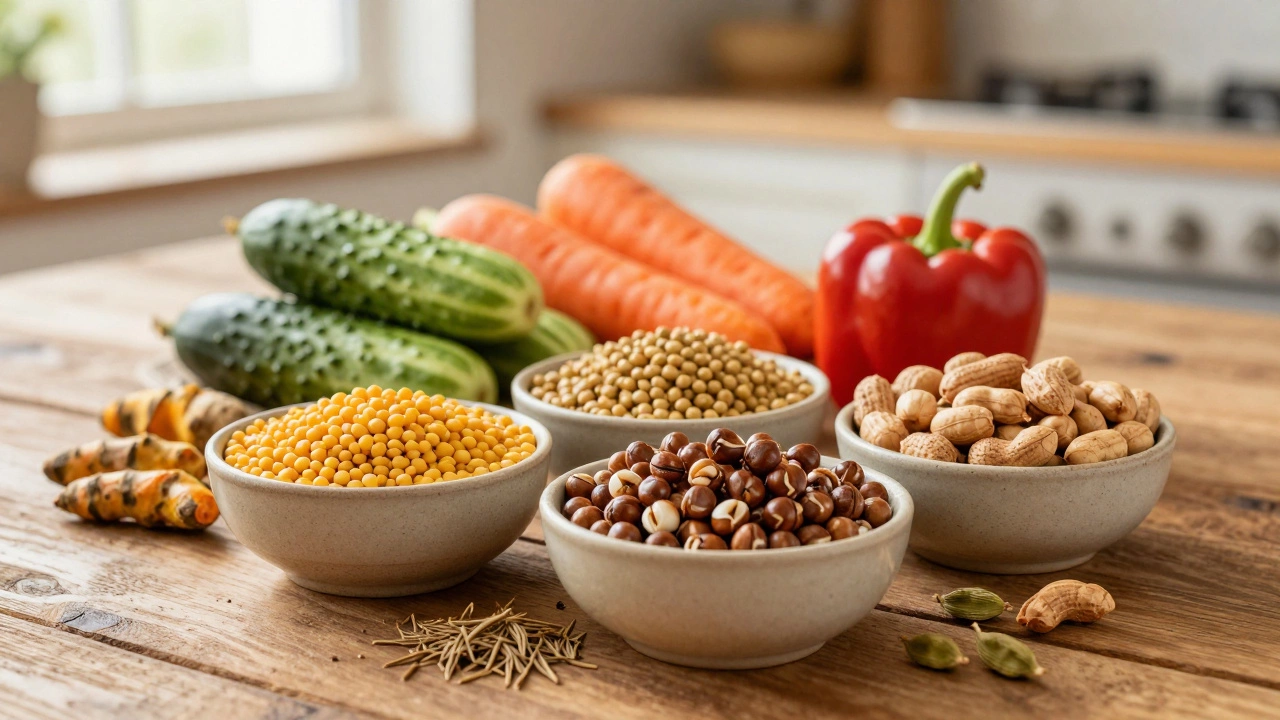
We often overlook the nutritional density of ingredients that have been part of the Indian diet for centuries. These aren't superfoods imported from exotic lands; they are the humble legumes, seeds, and vegetables sitting in your kitchen cupboard. Understanding their nutritional profile helps you build better snacks.
| Ingredient | Primary Benefit | Key Nutrient | Approximate Value (per 100g) |
|---|---|---|---|
| Chana Dal (Bengal Gram) | Sustained Energy & Satiety | Protein & Fiber | 19g Protein, 17g Fiber |
| Makhana (Fox Nuts) | Low-Calorie Crunch | Antioxidants & Magnesium | 314 kcal, 9.7g Protein |
| Roasted Chana | Muscle Repair & Digestion | Fiber & Iron | 18g Protein, 11g Fiber |
| Peanuts | Healthy Fats & Energy | Monounsaturated Fat | 49g Fat, 26g Protein |
The secret lies in preparation. A bowl of boiled chana is healthy; a bowl of deep-fried bhujia made from the same chickpeas is not. By focusing on roasting, boiling, or air-frying, you retain the nutrients while keeping calories manageable. This approach transforms ordinary ingredients into functional foods that support your metabolism.
Top High-Protein Snacks for Satiety
If your goal is to stop hunger pangs before they start, protein is your best friend. It takes longer to digest, keeping you full for hours. Here are three high-protein options that are easy to make at home.
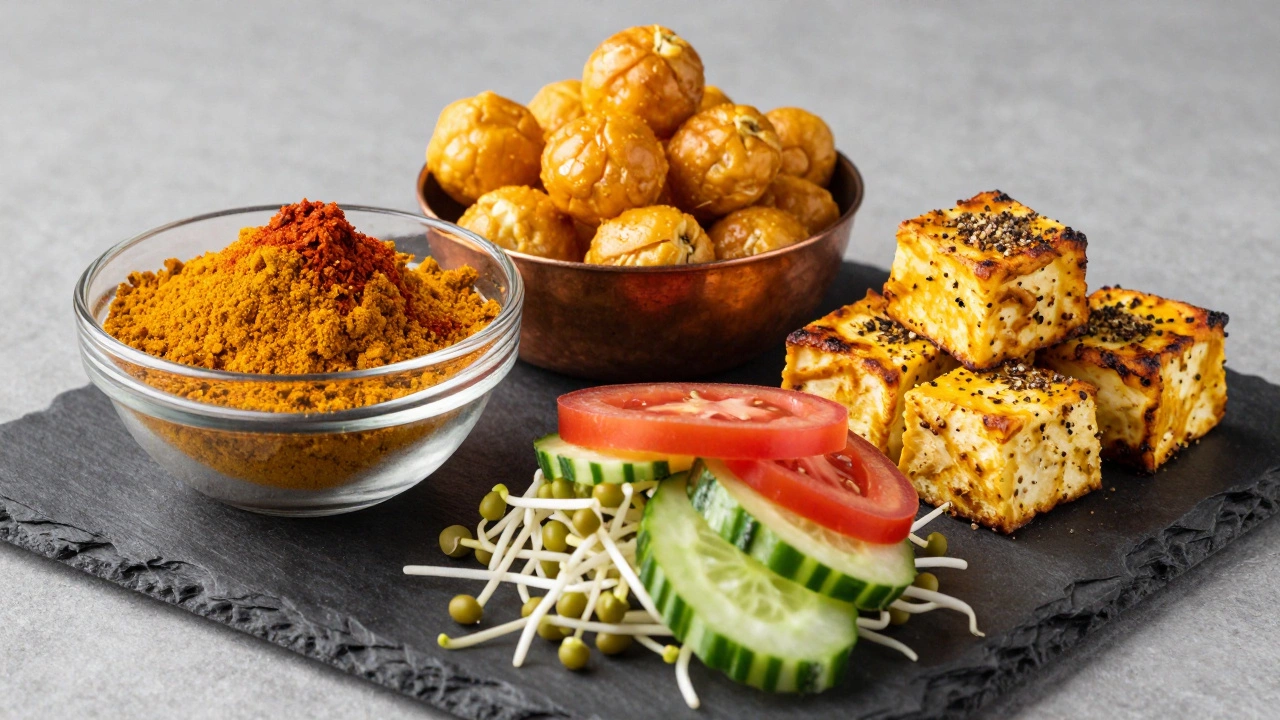
- Roasted Chana: This is arguably the king of Indian healthy snacks. Unlike chickpeas that require soaking for days, roasted chana uses split Bengal gram. You simply roast them with a pinch of salt, turmeric, and red chili powder until crisp. They provide about 19 grams of protein per 100 grams. Keep a jar in your bag for instant access.
- Paneer Cubes: Skip the fried pakoras. Instead, grill small cubes of low-fat paneer with black pepper and cumin. Paneer is a complete protein source, meaning it contains all nine essential amino acids. Eating five or six cubes provides a solid protein boost without the heaviness of a meal.
- Sprouted Moong Salad: Sprouting mung beans increases their vitamin C content and makes the protein more bioavailable. Mix sprouted moong with chopped cucumber, tomato, lemon juice, and a little chaat masala. It’s refreshing, hydrating, and packed with plant-based protein.
These options work particularly well if you have a sedentary afternoon ahead. They prevent the mid-afternoon slump by stabilizing blood sugar levels, ensuring you stay focused on your tasks.
Low-Calorie Crunch Alternatives to Chips
Craving something crunchy? You don’t need to reach for processed chips. Indian cuisine offers natural alternatives that satisfy the texture craving without the empty calories and trans fats.
- Makhana (Fox Nuts): Also known as lotus seeds, makhana is incredibly light. Roast them with a tiny drizzle of ghee and spices. One cup of roasted makhana has only about 300 calories but fills up your stomach due to its volume. It is also rich in magnesium, which supports muscle function.
- Veggie Sticks with Hummus-style Dip: Cut carrots, cucumbers, and bell peppers into sticks. Serve them with a dip made from blended yogurt and roasted gram flour (besan). This mimics the creaminess of cheese dips but with probiotics and fiber.
- Air-Fried Papadums: Traditional papadums are often deep-fried. Using an air fryer reduces the oil content by nearly 80%. Sprinkle with lime and chili powder for a tangy kick. Just watch the portion size, as they are still refined flour products.
The key here is volume eating. You want to consume a larger physical amount of food that weighs very little on the scale. Makhana and raw vegetables allow you to chew more, which signals fullness to your brain faster than soft, processed foods.
Natural Sweet Treats Without the Sugar Crash
When the sweet tooth strikes, reaching for a chocolate bar leads to a rapid insulin spike followed by fatigue. Indian desserts are notoriously rich, but there are lighter ways to satisfy this craving using natural sugars found in fruits and nuts.
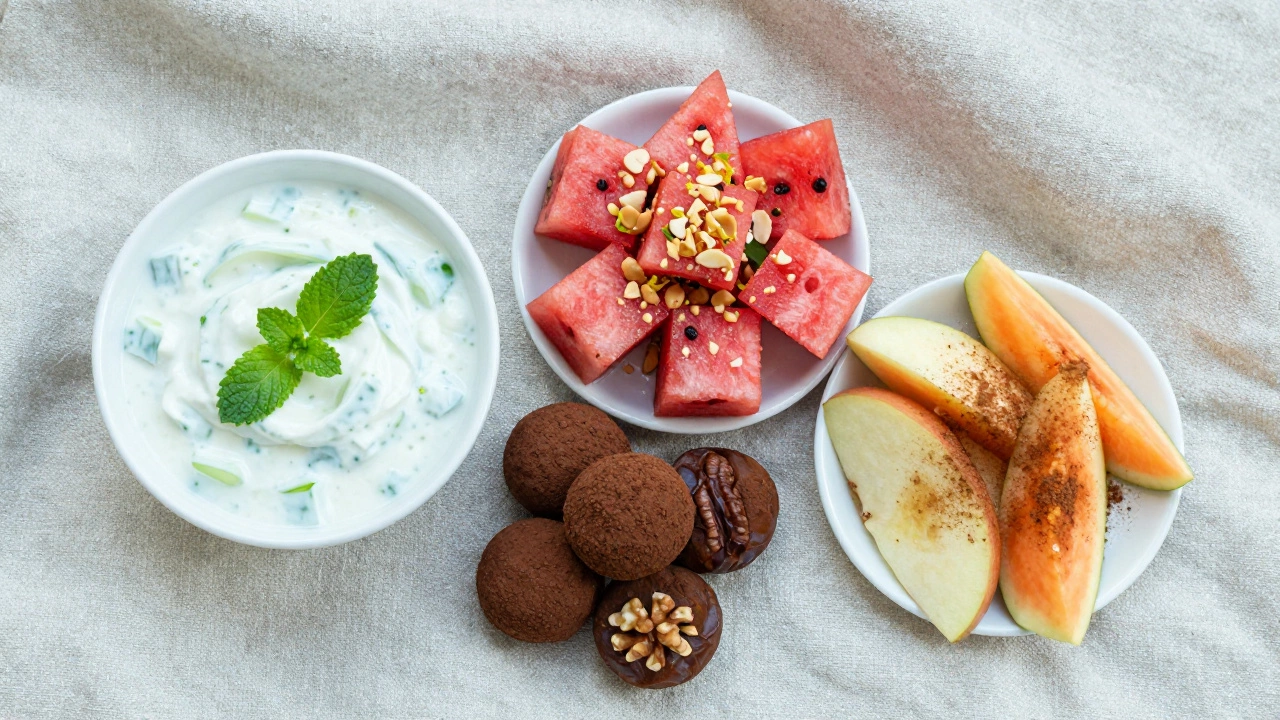
Date and Walnut Balls: Blend two Medjool dates with four walnuts and a teaspoon of cocoa powder. Roll them into small balls. Dates provide quick energy and fiber, while walnuts offer omega-3 fatty acids that support brain health. This combination creates a slow-release energy source rather than a spike.
Spiced Fruit Salad: Take seasonal fruits like apple, pear, or papaya. Toss them with a sprinkle of cinnamon and cardamom. Cinnamon helps regulate blood sugar levels, making it an excellent pairing with fruit. Add a handful of pumpkin seeds for extra crunch and zinc.
Avoid adding honey or jaggery unless necessary. The natural sweetness of ripe dates and seasonal fruits is usually sufficient when paired with the richness of nuts. This method respects the body's metabolic response to fructose by pairing it with fat and fiber.
Hydrating Snacks for Warm Weather
In Birmingham, where summers can be surprisingly warm, hydration is crucial. Dehydration often masks itself as hunger. Choosing water-rich snacks helps maintain fluid balance while providing nutrients.
Cucumber and Mint Raita: Grate cucumber finely and mix it with plain yogurt, fresh mint leaves, and a pinch of roasted cumin powder. Cucumber is over 95% water and contains silica, which is good for skin health. Yogurt provides probiotics for gut health. This snack cools the body and aids digestion simultaneously.
Watermelon Chaat: Cube watermelon and top it with a squeeze of lime, a pinch of black salt, and crushed peanuts. Watermelon contains lycopene, a powerful antioxidant. The addition of peanuts adds protein, turning a simple fruit into a balanced mini-meal.
These snacks are particularly useful post-workout or during hot afternoons. They replenish electrolytes lost through sweat without the artificial additives found in sports drinks.
Common Pitfalls to Avoid
Even healthy ingredients can become unhealthy depending on how they are prepared. Here are three common mistakes people make when trying to snack healthier.
- Over-Roasting with Oil: Many store-bought "roasted" snacks are actually shallow-fried. Always check the label or make them at home using dry roasting methods. If you use oil, stick to heart-healthy options like mustard oil or cold-pressed coconut oil, and limit it to a teaspoon.
- Ignoring Portion Sizes: Nuts and seeds are healthy, but they are calorie-dense. A handful of almonds is great; a whole bowl is not. Stick to one ounce (about 23 almonds) per serving. Use small bowls to serve yourself rather than eating directly from the package.
- Relying on "Light" Processed Foods: Products labeled "low fat" often contain added sugar to compensate for flavor loss. Read the ingredient list. If sugar, glucose syrup, or high-fructose corn syrup is in the top three ingredients, put it back.
Being mindful of these details ensures that your snacking habits support your long-term health goals rather than undermining them. Consistency matters more than perfection.
Building a Sustainable Snacking Routine
To make healthy snacking a habit, you need to remove friction. If healthy options are hidden in the back of the fridge, you will likely choose the convenient junk food. Prepare your snacks in advance.
On Sunday evening, roast a batch of chana and makhana. Wash and cut vegetables for the week. Store pre-portioned nuts in small containers. This "decision fatigue" reduction strategy means that when hunger strikes, the healthy choice is the easiest choice. Over time, your palate adjusts, and you may find that you crave the clean flavors of spices and natural ingredients over salty, processed ones.
Remember, the healthiest snack is the one you will actually eat consistently. Experiment with different spice combinations-try ajwain with makhana or peri-peri with paneer-to keep things interesting. Your body will thank you for the steady stream of nutrients rather than the erratic spikes of processed sugar and salt.
Is makhana better than popcorn?
Yes, makhana is generally considered healthier than popcorn, especially movie-theater style popcorn. Makhana is gluten-free, lower in calories, and higher in antioxidants like polyphenols. Popcorn can be healthy if air-popped without butter, but it is often eaten with high-calorie toppings. Makhana provides a similar crunch with fewer calories and more magnesium.
Can I eat roasted chana every day?
Absolutely. Roasted chana is an excellent daily snack. It is rich in fiber, which aids digestion, and protein, which keeps you full. It also has a low glycemic index, making it suitable for people managing blood sugar levels. Just ensure you drink enough water, as high-fiber foods require adequate hydration for optimal digestion.
What is the best time to eat a healthy snack?
The best time to snack is between meals, typically 2-3 hours after lunch or dinner. This prevents overeating at your next main meal. Another good time is before or after a workout. Pre-workout snacks should be carb-focused for energy, while post-workout snacks should include protein for muscle recovery.
Are Indian pickles healthy snacks?
Traditional Indian pickles are not recommended as regular snacks. They are extremely high in sodium and often preserved in large amounts of oil. While they add flavor to meals, eating them as a standalone snack can lead to dehydration and increased blood pressure. Opt for fresh vegetable sticks with yogurt dip instead.
How do I make snacks tasty without adding sugar?
Use spices and herbs to enhance flavor. Turmeric, cumin, coriander, black pepper, and chaat masala add depth without calories. Citrus juices like lemon or lime provide brightness. Dried herbs like oregano or mint can also elevate simple snacks like roasted nuts or vegetables. Focus on umami and tangy flavors to satisfy cravings naturally.