Indian Diet & Menu Decoder
India is diverse! Use this tool to explore what people eat by region or learn how to spot meat in your order.
You walk into an Indian restaurant in Birmingham. The waiter hands you a menu that looks like a wall of text. Half the items have a green dot next to them. You assume everyone in India is vegetarian. Then your friend orders a butter chicken. Confusion sets in. Is Indian food typically vegetarian? The short answer is no, but the long answer is where it gets interesting.
India is not a monolith. It’s a continent-sized country with distinct culinary identities. While vegetarianism has deep roots here, meat consumption varies wildly by region, religion, and caste. To understand what’s actually on the plate, you need to look past the stereotypes.
The Myth of the Vegetarian Nation
Western media often portrays India as a land where cows roam freely and people eat only lentils and rice. This image comes from a grain of truth amplified by marketing. Hinduism, practiced by about 80% of Indians, considers the cow sacred. Many Hindus are lacto-vegetarian, meaning they eat dairy but avoid meat, eggs, and sometimes onions and garlic. However, being Hindu does not automatically make someone vegetarian. In states like West Bengal, Kerala, and Goa, fish and pork are staples even among Hindu communities.
Data backs this up. According to the National Family Health Survey (NFHS-5), roughly 39% of Indians identify as vegetarians. That means over 60% eat meat. If you’re visiting India or eating at an authentic spot, expect to see non-veg dishes prominently featured. The idea that "Indian food = veg" is a simplification that ignores half the population.
Regional Differences: North vs. South vs. East
Geography dictates diet more than religion does. Let’s break down how different parts of India eat.
North India: Think Punjab, Haryana, Rajasthan. This region loves wheat-based breads like naan and roti. Dairy products-ghee, paneer, yogurt-are central to the cuisine. While there is a strong vegetarian tradition, especially among Rajputs and Jats who historically hunted, the everyday home-cooked meal might include mutton or chicken. Street food here is heavily vegetarian because it’s easier to sell cheaply and quickly.
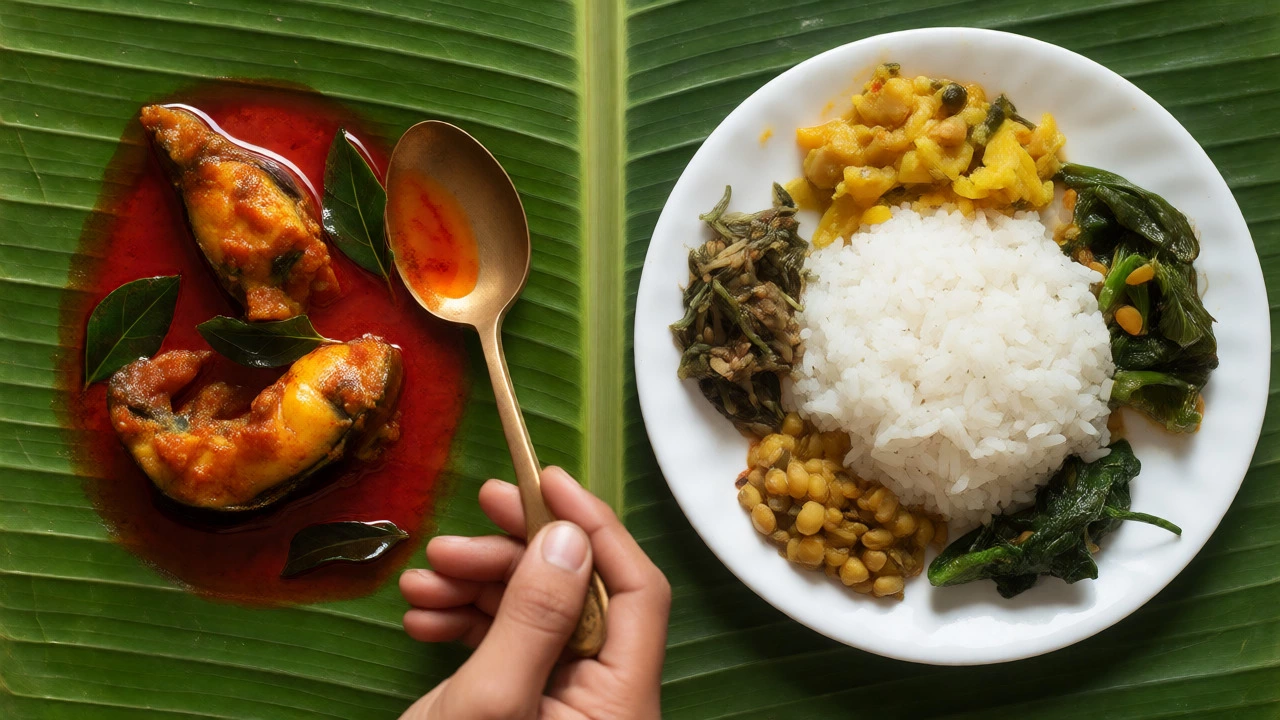
South India: Tamil Nadu, Karnataka, Andhra Pradesh. Rice is king here. Coconut, tamarind, and curry leaves define the flavor profile. South India has a high concentration of Brahmin communities who are strictly vegetarian. But look at coastal areas like Kerala or Mangalore, and you’ll find massive consumption of seafood. Fish curry is as common as sambar in these regions.
East India: West Bengal, Odisha. Fish is not just food; it’s culture. Bengalis say, "Machhe Bhaate Bangali" (Fish and rice make a Bengali). Meat consumption is high, including goat, chicken, and duck. Vegetarian options exist but are secondary in many households.
West India: Gujarat and Maharashtra. Gujarat is famous for its pure vegetarian thalis. Jain influence is strong here, leading to diets that exclude root vegetables. Maharashtra has a mix; coastal areas eat fish, while inland areas lean toward vegetarian meals or poultry.
Religion and Diet: Who Eats What?
Religious laws shape dietary habits significantly. Understanding these helps you navigate menus without offending anyone or getting surprised by ingredients.
| Community/Region | Typical Diet | Key Restrictions |
|---|---|---|
| Gujarati Jains | Strict Vegetarian | No root veggies (onion, garlic, potato) |
| Punjabi Sikhs | Mixed | No Halal meat; prefer local sourcing |
| Kerala Muslims | Non-Vegetarian | No pork; beef consumption varies |
| Bengali Hindus | Non-Vegetarian | Cow slaughter banned in some states |
| Southern Brahmins | Lacto-Vegetarian | No eggs; often no onion/garlic |
Jainism takes vegetarianism the furthest. Jains avoid all root vegetables because pulling them out kills tiny organisms in the soil. They also filter water meticulously. If you order a "Jain" dish, it won’t have onion or garlic, which changes the flavor profile completely. It relies on spices like asafoetida (hing) for depth.
Islam prohibits pork and alcohol. Beef consumption varies by state law and community preference. In places like Uttar Pradesh or Bihar, buffalo meat is common, while in Kerala, beef is a delicacy. Christianity in India, particularly in Goa and Northeastern states, has fewer dietary restrictions, so pork and beef are widely eaten.
Why Does the Vegetarian Stereotype Persist?
If most Indians eat meat, why do we think otherwise? Two main reasons: export bias and street food economics.
When Indian restaurants opened in the UK and US in the 1970s and 80s, they catered to Western palates and health trends. Butter Chicken and Tikka Masala became global icons, but so did Palak Paneer and Chana Masala. These dishes travel well. They don’t spoil easily, and they appeal to the growing vegetarian demographic in the West. Restaurants learned that offering robust vegetarian options was good business. So, the menu skewed veg-heavy.
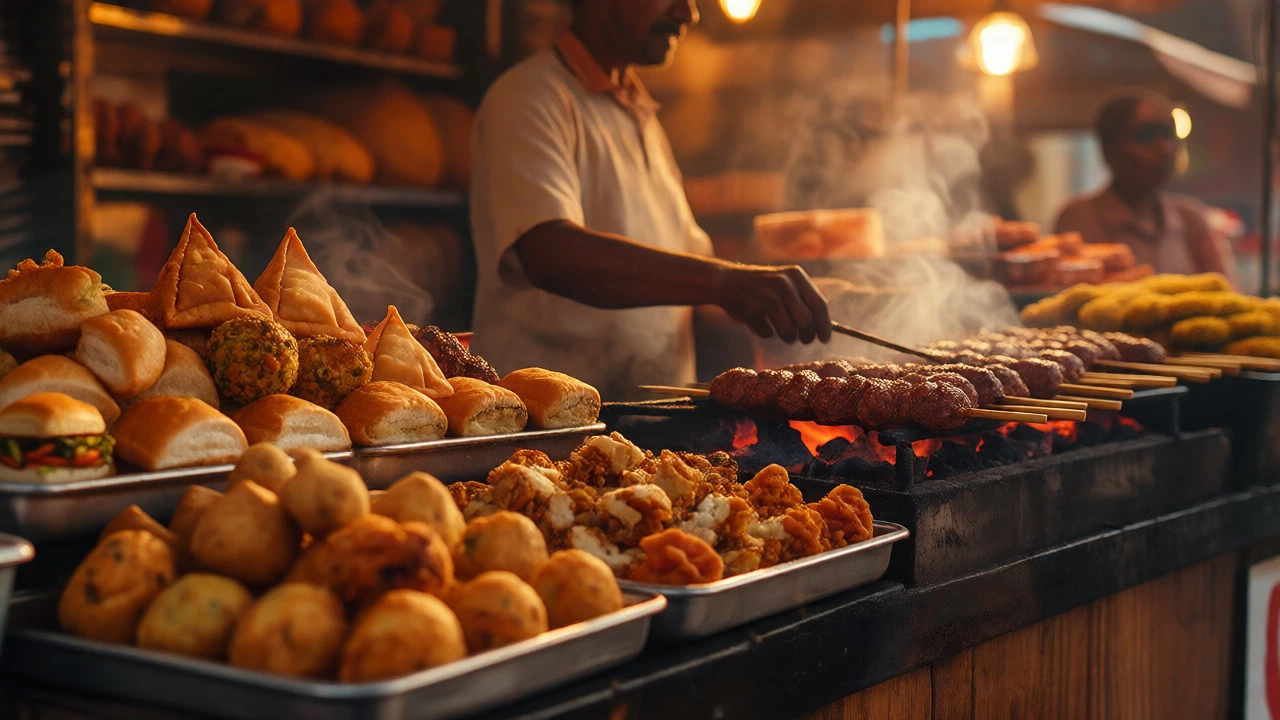
Secondly, street food. In cities like Delhi or Mumbai, street vendors sell chaat, dosa, and vada pav. These are inherently vegetarian because they’re cheap, fast, and don’t require complex refrigeration for meat. Tourists eat street food first. They see mountains of fried snacks and lentil curries. They conclude, "Wow, India is vegetarian." They miss the dhabas (roadside eateries) serving mutton rogan josh or the homes cooking chicken curry for dinner.
How to Navigate Menus Like a Pro
If you’re ordering Indian food, whether in Birmingham or Bangalore, here’s how to tell if a dish is truly vegetarian or if it’s hiding meat.
- Look for the Dot: By law in India, packaged foods must display a green dot (veg) or red/brown dot (non-veg). Many restaurants adopt this symbol on menus too. Green means no meat, eggs, or animal-derived rennet. Red means it contains animal products.
- Ask About Stock: Some vegetable curries are cooked in chicken or mutton stock for flavor. Always ask, "Is this made with vegetable stock?"
- Check for Hidden Ingredients: Gelatin is rarely used in traditional Indian cooking, but ghee is everywhere. If you’re vegan, specify "no ghee." Also, watch out for cream in rich gravies if you want a lighter option.
- Understand "Pure Veg": If a sign says "Pure Veg," it usually means lacto-vegetarian. No eggs, no meat. Sometimes it implies no onion/garlic, but that’s specific to Jain or Satvik diets. Ask if unsure.
In the UK, labels are clearer due to EU/UK food standards. "Suitable for Vegetarians" is legally protected. In India, trust your eyes and ask questions. The cook will never mind clarifying.
Modern Trends: Is Vegetarianism Growing?
Interestingly, the trend is shifting. Young urban Indians are increasingly adopting flexitarian or vegan diets. Reasons include environmental concerns, animal welfare awareness, and health issues like diabetes and heart disease. Apps like Zomato and Swiggy now have dedicated "Vegan" filters. Brands like Amul are launching plant-based milks and cheeses.
However, this is an elite trend for now. For the majority, meat remains affordable and culturally significant. Festivals involve feasting. Weddings serve biryani with chicken or mutton. Rejecting meat can sometimes be seen as rejecting tradition. But change is happening slowly, one avocado toast at a time.
So, is Indian food typically vegetarian? No. It’s diverse. It’s a spectrum ranging from strict Jain asceticism to hearty meat-eating traditions. Both sides are equally valid and delicious. Next time you order, don’t assume. Explore the whole menu. Try the fish fry if you’re feeling adventurous, or stick to the dal if you prefer comfort. The beauty of Indian cuisine is its variety, not its uniformity.
Do all Hindus eat vegetarian food?
No. While many Hindus are vegetarian, millions consume meat, particularly fish, chicken, and goat. Regional culture plays a bigger role than religion alone. For example, Hindus in West Bengal commonly eat fish, while those in Gujarat may be strictly vegetarian.
Is Indian food vegan-friendly?
It can be, but you must be careful. Traditional recipes use ghee (clarified butter) and dairy cream extensively. You need to specifically request dishes made with oil instead of ghee and coconut milk or cashew paste instead of cream. Dishes like Dal Tadka (if made with oil) and Chana Masala are often naturally vegan.
Why is Indian street food mostly vegetarian?
Street food is designed for speed, low cost, and hygiene simplicity. Vegetarian ingredients like potatoes, chickpeas, and lentils are cheaper and safer to keep warm in large batches than meat. Additionally, vegetarian snacks appeal to a wider cross-section of the public, including religious groups who avoid meat during certain times.
What is the difference between 'Veg' and 'Pure Veg' on menus?
In most contexts, they mean the same thing: no meat or eggs. However, 'Pure Veg' can sometimes imply a stricter standard, excluding eggs entirely and potentially avoiding onion and garlic if the establishment follows Jain or Satvik principles. Always check if the kitchen uses separate utensils to avoid cross-contamination if you are strict.
Which Indian state eats the most meat?
States like Nagaland, Mizoram, and Meghalaya in Northeast India have very high meat consumption rates, often exceeding 90%. Coastal states like Kerala and West Bengal also have high meat intake, primarily fish and seafood. Northern states generally have lower per-capita meat consumption compared to the Northeast and South.