Build Your Perfect Thali
A basic Indian meal is about balance, not complexity. Select one item from each category below to build your virtual Thali plate.
Roti/Rice
Dal/Curry
Sabzi
Raita/Salad
Pickle
Your Meal Analysis
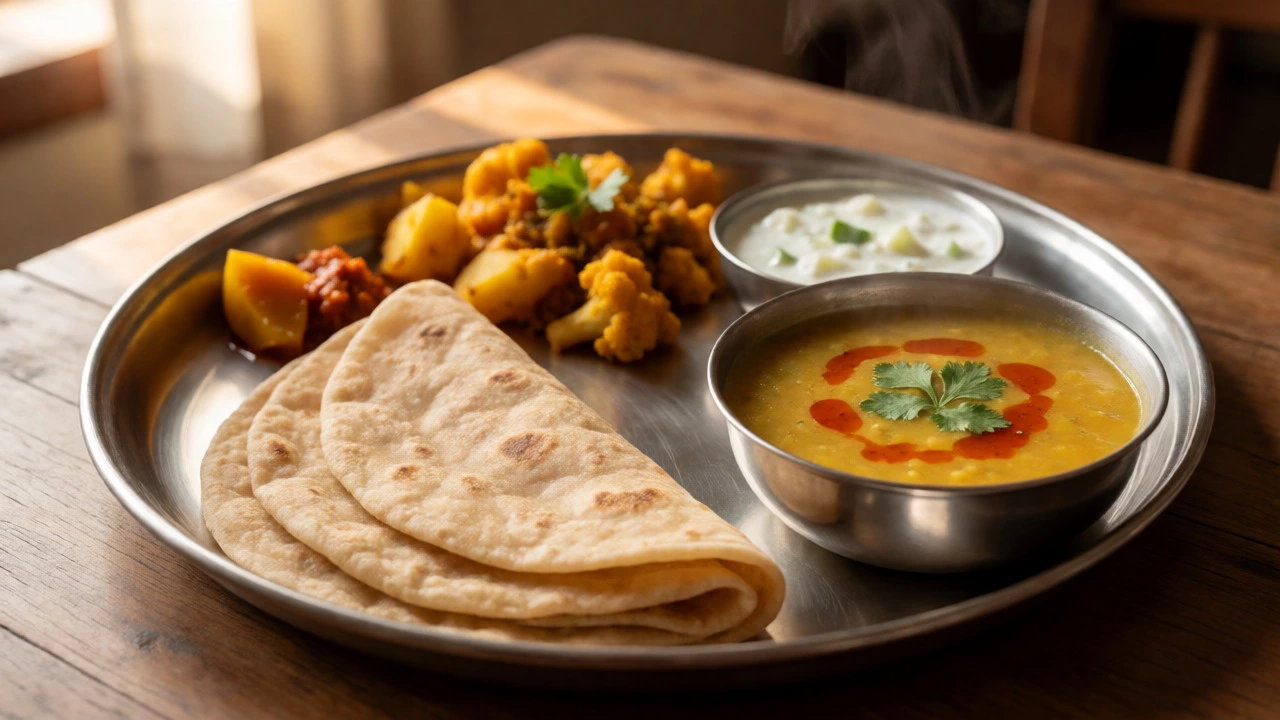
You walk into an Indian home at lunchtime. The air smells of cumin and fresh coriander. On the table sits a round metal plate-thali, a traditional platter containing a balanced assortment of dishes served in small bowls called katoris. It looks intimidating if you are new to the cuisine. Too many colors. Too many textures. But here is the secret: it is actually simpler than a Western roast dinner.
A basic Indian meal isn't about complexity. It is about balance. It is designed to hit every taste bud simultaneously while keeping your stomach happy for hours. If you want to understand what people actually eat on a Tuesday night in Delhi or Mumbai, this is it. No fancy restaurant tricks. Just real food.
The Anatomy of a Thali
Think of a thali as a nutritional equation. You need specific components to make it complete. Missing one element makes the meal feel unfinished. Here is what goes on that plate:
- Carbohydrate Base: Usually roti (flatbread) or rice. This is the vehicle for everything else.
- Protein Source: Typically dal (lentils), chickpeas, paneer, or meat curry.
- Vegetable Side: A dry sabzi (vegetable dish) like spiced potatoes or cauliflower.
- Fresh Element: Raw salad, onion slices, or a cooling yogurt-based raita.
- Flavor Enhancer: Pickle (achar) or chutney for acidity and heat.
Why does this work? Because Indian cooking relies on layering flavors. The blandness of rice balances the spice of the dal. The crunch of raw onions cuts through the richness of ghee. It is engineering, not just cooking.
Dal: The Heartbeat of the Plate
If there is one item that defines a basic Indian meal, it is dal. A stew made from lentils, split peas, or beans, seasoned with spices like turmeric, cumin, and garlic. It is cheap, nutritious, and endlessly versatile.
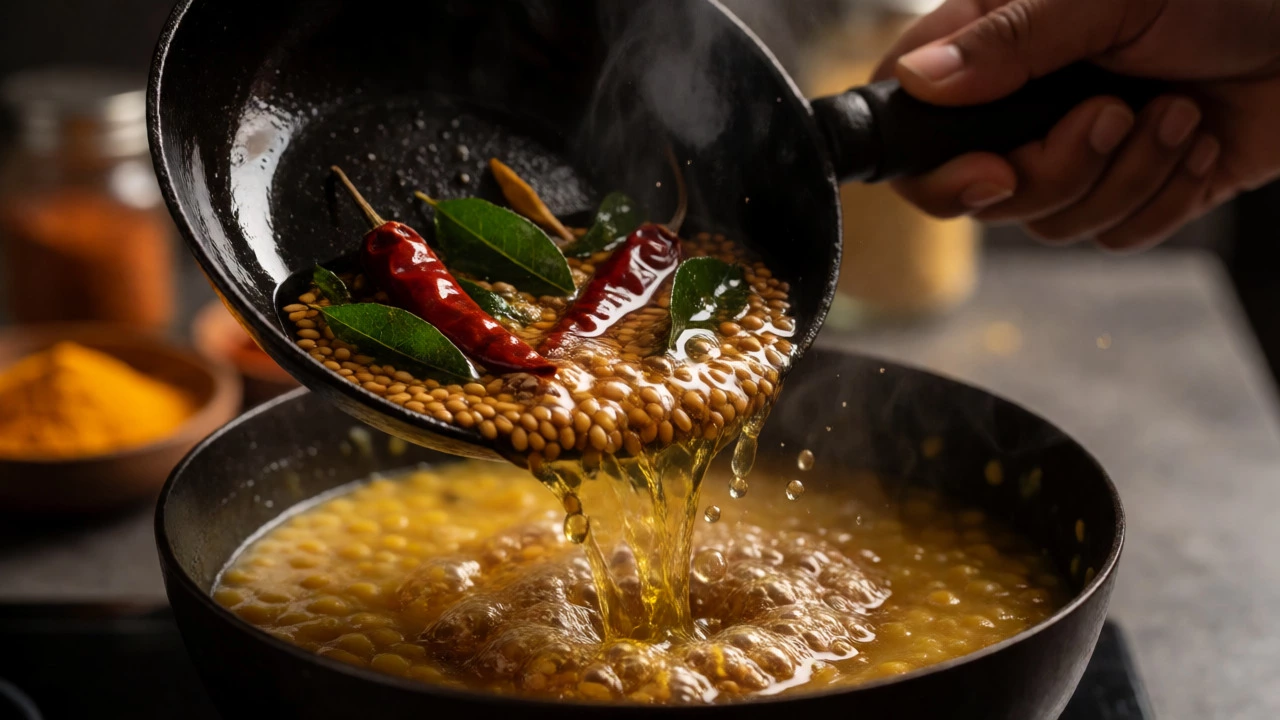
Don't confuse dal with soup. It has body. When cooked properly, lentils break down into a creamy consistency. In North India, you might get Dal Tadka, where whole spices are fried in oil and poured over the lentils at the end. That sizzling tempering releases essential oils that you can smell across the room. In South India, sambar serves a similar role but includes tamarind and vegetables, giving it a tangy kick.
Making dal takes patience. You soak the lentils for thirty minutes. You cook them until they are soft enough to mash between your fingers. Then comes the tadka-the magic step. Heat ghee or oil. Add mustard seeds, dried red chilies, and curry leaves. Wait for the pop. Pour it over the dal. Instantly, a humble bowl of yellow mush transforms into a fragrant, complex dish.
Breads vs. Rice: The Carb Choice
Should you eat roti or rice? This debate happens in kitchens across India daily. The answer depends on where you live and what you are eating.
| Item | Region Preference | Texture & Use | Nutritional Note |
|---|---|---|---|
| Roti / Chapati | North & West India | Soft, pliable wheat flatbread. Used to scoop up curries. | High fiber, lower glycemic index than white rice. |
| Basmati Rice | Punjab & Biryani regions | Long-grain, aromatic, fluffy. Eaten with spoon or hands. | Higher carb load, pairs well with rich gravies. |
| Idli / Dosa | South India | Fermented rice-lentil cakes or crepes. Light and airy. | Easily digestible, probiotic benefits from fermentation. |
In Birmingham, where I live, you will see both. My neighbor eats roti with his evening dal. Another friend prefers jeera rice with sambar. Neither is wrong. Roti provides a neutral canvas that lets the curry shine. Rice adds sweetness and texture. For beginners, rotis are easier to manage portion-wise because they fill you up faster due to the fiber content.
Sabzi: More Than Just Boiled Veggies
Westerners often think Indian vegetables are overcooked and soggy. That is a misconception. A good sabzi (dry vegetable dish) should have bite. Think stir-fry, not boil.
Take Aloo Gobi (potato and cauliflower). You fry cubed potatoes until golden. You add cauliflower florets. You toss in turmeric, salt, and dry mango powder (amchur). You cover it and let it steam in its own moisture. The result? Tender but distinct pieces coated in earthy spices. No cream. No heavy sauces. Just fire and seasoning.
Seasonality matters here. In winter, you eat palak paneer (spinach with cheese). In summer, you eat bhindi masala (okra). Using fresh, local produce changes the flavor profile entirely. Frozen spinach works in a pinch, but nothing beats the vibrant green of fresh spinach wilted quickly in hot oil.
The Cooling Agents: Raita and Salad
Spice builds heat. Your mouth needs relief. Enter raita and kachumber.
Raita is yogurt mixed with grated cucumber, mint, and roasted cumin powder. It cools the palate instantly. If you ate something too spicy, a spoonful of raita resets your taste buds. It also aids digestion. Yogurt contains probiotics that help process the heavy spices.
Kachumber is a simple salad of diced cucumbers, tomatoes, onions, and lemon juice. It adds crunch and acidity. Without this fresh element, a meal feels heavy. Imagine eating only bread and stew. Now add a crisp apple slice. Same principle. The contrast keeps you interested in each bite.
Putting It All Together: A Sample Menu
Let’s build a realistic Tuesday dinner. You don’t need five hours in the kitchen. You need strategy.
- Start the Dal: Soak moong dal (yellow lentils) while you prep other things. Cook it in a pressure cooker with turmeric and salt. Set aside.
- Make the Sabzi: Dice two potatoes and half a head of cabbage. Fry them with cumin seeds and chili powder. Cover and cook for 10 minutes.
- Prepare the Bread: While the veggies cook, roll out three chapatis. Cook them on a hot pan. Keep them warm in a cloth.
- Assemble the Extras: Chop a cucumber and tomato. Mix with yogurt for raita. Slice some raw onion rings. Open a jar of mango pickle.
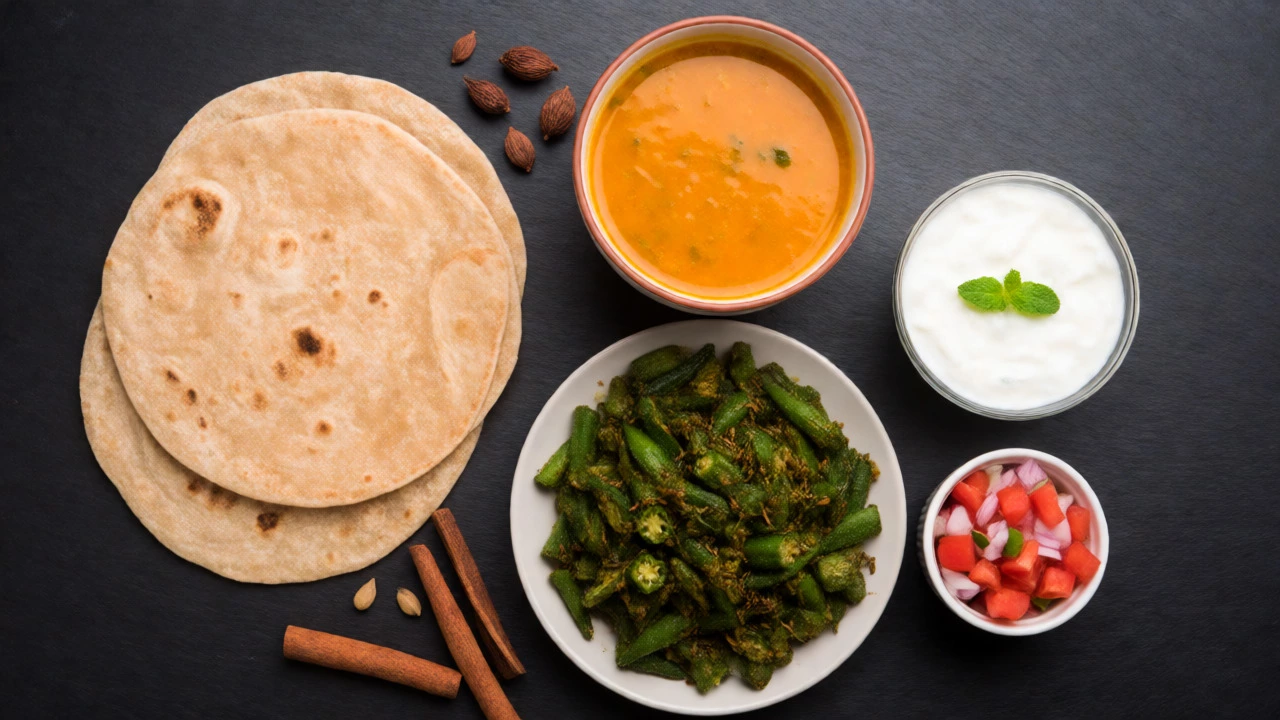
- Serve: Place one roti, a ladle of dal, a serving of cabbage sabzi, a spoon of raita, and a wedge of pickle on the plate.
Total active time: 45 minutes. Total cost: Under £5 for two people. Nutritional value: Complete protein, fiber, healthy fats, vitamins.
Regional Variations You Should Know
India is vast. What counts as "basic" changes by geography.
In Gujarat, the thali might include sweet elements. A touch of jaggery in the dal. Sweet coconut chutney alongside savory dishes. Gujaratis believe food should be a journey of flavors, ending on a sweet note.
In Kerala, the base is always rice. Coconut oil is used instead of ghee. Fish curry replaces dal often. Banana chips accompany the meal for extra crunch.
In Punjab, portions are generous. Butter chicken might replace dal if it’s a weekend treat. But even then, the structure remains: starch, protein, veg, acid, freshness.
Common Mistakes Beginners Make
I’ve seen many people try to replicate a thali and fail. Here is why:
- Skipping the Fat: Indian food needs fat to carry flavor. Skimping on ghee or oil makes the dish taste raw and dusty. Don’t fear calories; use quality fats.
- Under-Salting: Spices mask saltiness. Always taste before serving. If it tastes flat, add salt. Then add more if needed.
- Cooking Everything at Once: Timing is key. Dal cooks slow. Sabzi cooks fast. Bread cooks instant. Plan accordingly so everything hits the plate warm.
Why This Matters for Health
A basic Indian meal is naturally balanced. You aren’t counting macros. You are eating whole foods. Lentils provide plant-based protein. Vegetables offer micronutrients. Fermented elements like idli or yogurt support gut health. Spice blends like turmeric and ginger have anti-inflammatory properties proven by modern science.
Compare this to a typical fast-food burger. One item. High sodium. Low fiber. High saturated fat. The thali offers variety within a single plate. You control the portions. You choose the ingredients. It is flexible yet structured.
Is a basic Indian meal vegetarian?
Not necessarily, but most daily meals are. Meat is often reserved for special occasions or specific regional diets. However, dal and paneer provide ample protein for vegetarians. Many households eat vegetarian four days a week simply for economic and digestive reasons.
How do I keep rotis soft?
The secret is steam. After cooking each roti, wrap them immediately in a clean cotton cloth. The trapped steam softens the edges. Also, ensure your dough is hydrated enough-it should feel slightly tacky, not dry. Adding a teaspoon of oil to the dough helps too.
Can I freeze dal for later?
Yes, dal freezes exceptionally well. Cool it completely before storing. It lasts up to three months in the freezer. When reheating, add a splash of water as it thickens upon cooling. Freshen it up with a new tadka (tempering) of garlic and cumin to revive the aroma.
What is the difference between curry and gravy?
In Western terms, "curry" is a catch-all. In India, we distinguish between dry sabzis (stir-fried) and wet gravies (saucy). A gravy usually involves onions, tomatoes, and cashews blended into a smooth base. Dry dishes rely on whole spices and minimal liquid. Both are part of a meal, but they serve different textural roles.
Do I need special equipment?
No. A pressure cooker speeds up dal cooking significantly, saving gas and time. A tawa (flat griddle) is ideal for rotis, but a non-stick skillet works fine. A mortar and pestle helps grind spices, but a blender is acceptable for beginners. Start with what you have.