Chutney Temperature Guide
Select a chutney type below to discover its ideal serving temperature and the culinary science behind it.
Choose Your Chutney
Select a Chutney
Click on a chutney type on the left to see its recommended serving temperature and scientific reasoning.
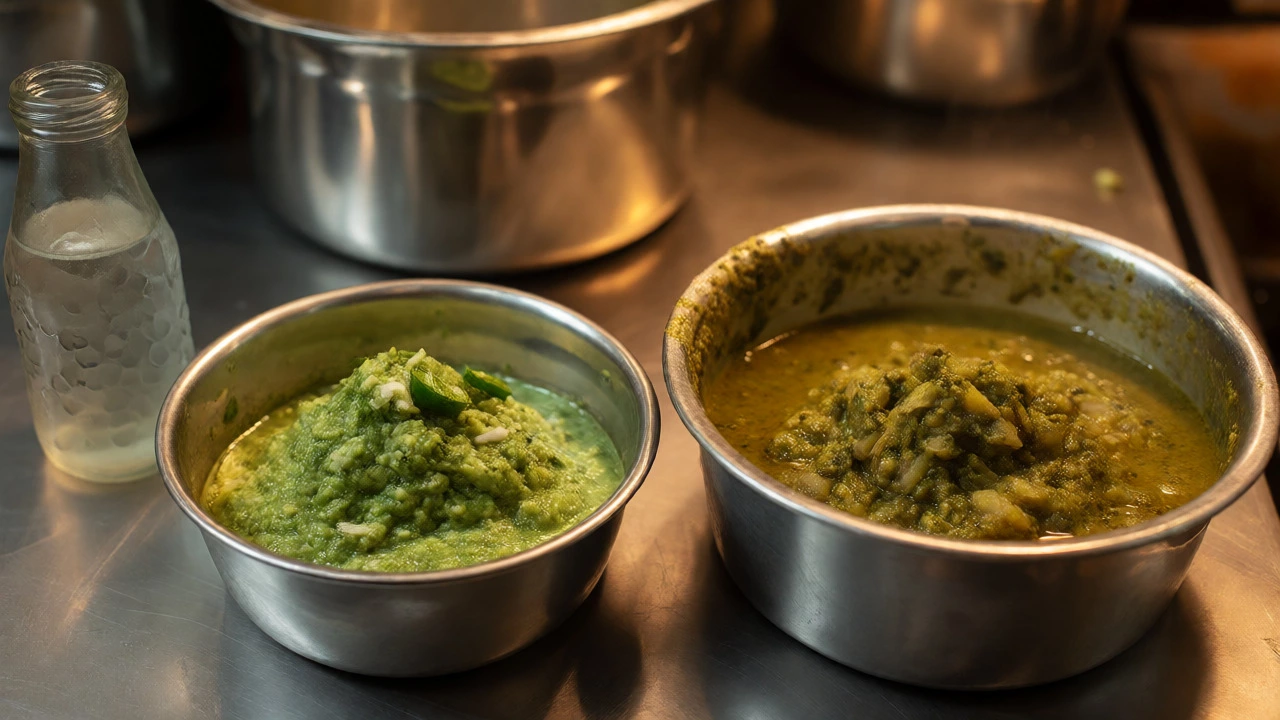
Walk into any dosa stall in Birmingham or Mumbai, and you will see two distinct piles of green paste. One is fresh, raw, and chilled straight from the fridge. The other has been simmered with oil, mustard seeds, and curry leaves until it turns a deep, glossy olive. They look similar, but they are different beasts entirely. Asking "do you eat chutney hot or cold?" isn't just about preference; it’s about understanding chemistry, tradition, and flavor profiles.
The short answer? It depends on what kind of chutney you’re holding. But that’s too simple. Let’s break down why some chutneys demand heat to shine, while others lose their soul if you warm them up. We’ll look at the science behind the flavors, the regional traditions that dictate these rules, and how you can use temperature to elevate your home cooking.
The Great Divide: Raw vs. Cooked Chutneys
To decide whether to serve your chutney hot or cold, you first need to identify its category. In Indian cuisine, chutneys generally fall into two camps: raw (fresh) and cooked (tempered).
Raw chutneys, like the classic coconut chutney or mint-coriander raita-style dips, are made by grinding fresh ingredients together without applying heat. These rely on the crispness of herbs, the sweetness of fresh coconut, and the sharp bite of raw ginger or green chilies. If you heat these, you kill the vibrant green color and turn the fresh herbal notes into something muddy and wilted. You want to eat these cold or at room temperature to preserve that burst of freshness.
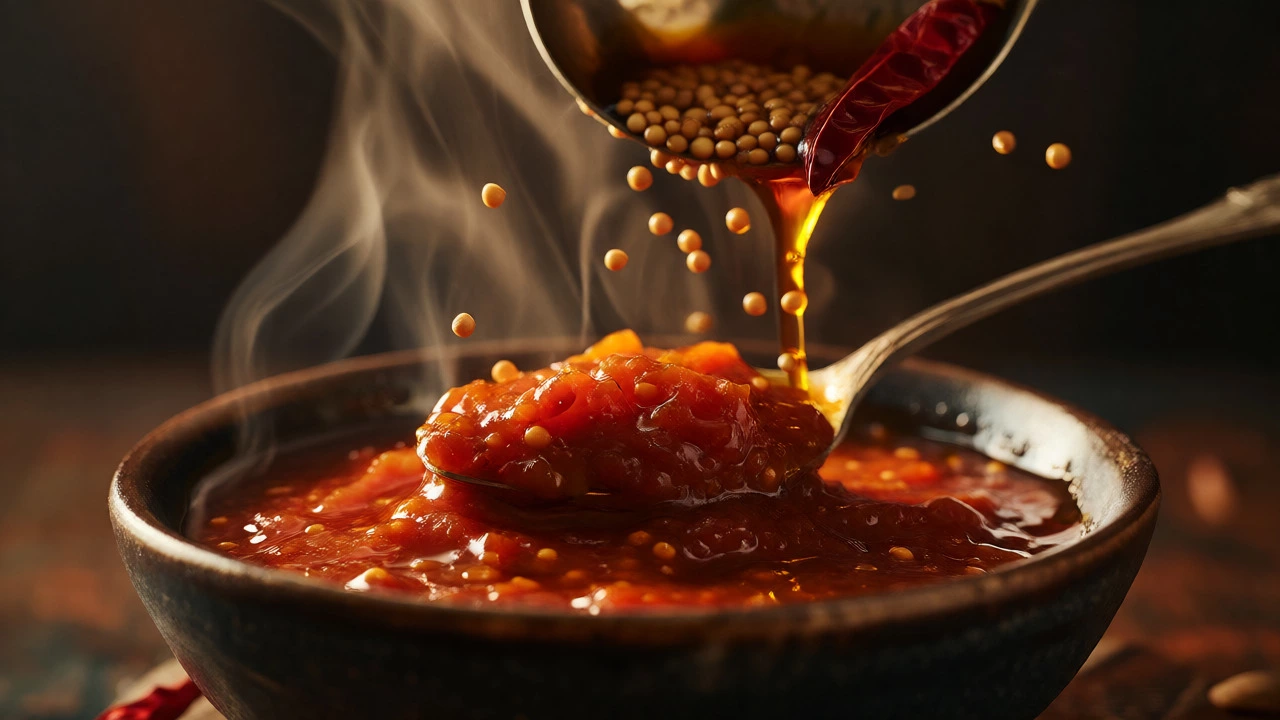
On the other hand, Cooked chutneys involve a process called tadka or tempering. This is where you pour hot oil infused with mustard seeds, dried red chilies, and asafoetida over the ground paste. The heat cooks the spices, releasing essential oils that raw grinding simply cannot extract. These chutneys often taste better when served warm because the aromatic compounds from the tempered spices are volatile-they evaporate quickly as the dish cools. Think of tomato-onion chutney or the fiery garlic chutney used in South Indian meals.
| Chutney Type | Key Ingredients | Best Served | Why? |
|---|---|---|---|
| Coconut Chutney | Fresh coconut, green chili, lentils | Cold / Room Temp | Preserves fresh herb aroma and prevents browning. |
| Tomato Onion Chutney | Tomatoes, onions, tamarind, spices | Warm / Hot | Heat activates spice oils and thickens texture. |
| Mint Coriander Chutney | Mint, coriander, lemon, yogurt | Cold | Heat destroys chlorophyll (color) and fresh zing. |
| Peanut Chutney | Roasted peanuts, garlic, dry chili | Room Temp / Warm | Roasting happens before grinding; gentle warming enhances nuttiness. |
| Tamarind Chutney | Tamarind pulp, jaggery, dates | Room Temp | Sweet-sour balance is stable; heat can make it overly syrupy. |
Why Heat Changes Everything: The Science of Flavor
You might think heating a sauce just makes it hot. But scientifically, it changes how your nose perceives flavor. About 80% of what we call "taste" is actually smell. When you heat a chutney containing spices like cumin, mustard, or fenugreek, you trigger chemical reactions that release volatile organic compounds. These compounds travel through the back of your mouth to your olfactory receptors.
If you serve a tempered tomato chutney cold, those aromatic molecules are trapped. You get the sourness of the tomato and the salt, but you miss the complex, smoky depth that defines the dish. Conversely, if you heat a mint chutney, you break down the delicate cell structures of the mint leaves. The result? A loss of that refreshing, cooling menthol sensation. Instead of a palate cleanser, you get a dull, grassy paste.
This is why my grandmother would always scold me for putting leftover mint chutney in the microwave. She wasn’t being picky; she was protecting the integrity of the ingredient. Fresh herbs are fragile. Spices are robust. Treat them accordingly.
Regional Rules: North vs. South India
Geography plays a huge role in this debate. In South India, particularly in Tamil Nadu and Karnataka, the culture of sambar and rasam means meals are often served very hot. Here, chutneys act as counterpoints. Coconut chutney is usually served cool to balance the piping-hot sambar. However, the tomato pachadi or onion chutney is almost always served warm, right off the stove. The contrast between the hot rice, hot sambar, and slightly cooled coconut chutney creates a sensory experience that is central to the meal.
In North India, the approach is different. Chutneys like imli ki chutney (tamarind) or pudina chutney (mint) are typically served at room temperature alongside snacks like samosas or pakoras. These are dipping sauces meant to cut through the grease of fried food. Heating them up would make them runny and less effective as a dip. The goal here is viscosity and coating power, not aromatic complexity.
Then there is the East. Bengali cuisine loves sweet-sour profiles. Their kasundi (mustard sauce) is fermented and served at room temperature. Heating it would alter the fermentation profile and potentially curdle the natural emulsification of the mustard oils. Always respect the local context. If you are eating street food in Kolkata, don’t ask for heated kasundi. It’s not done.
Practical Tips for Home Cooks
So, how do you handle this in your own kitchen? Here are some heuristics I’ve picked up after years of experimenting with recipes in my Birmingham kitchen.
- The Tadka Rule: If your recipe calls for pouring hot oil over the chutney at the end, serve it immediately. Do not let it sit for more than 15 minutes. The sizzle is part of the appeal. If you must store it, reheat gently in a pan, not a microwave, to restore the aroma.
- The Herb Check: If your chutney is primarily leafy greens (mint, coriander, spinach), keep it cold. Store it in an airtight container with a layer of plastic wrap pressed directly onto the surface to prevent oxidation (browning). Serve it straight from the fridge for maximum refreshment.
- The Nut Factor: Peanut and sesame seed chutneys are interesting hybrids. The nuts are roasted before grinding, so they already have a cooked flavor. These are best served at room temperature. Warming them can enhance the nutty scent, but overheating can make them bitter. A quick stir in a warm pan is enough.
- Texture Matters: Hot chutneys tend to thin out as they cool. Cold chutneys thicken. If you prefer a pourable consistency for drizzling over idlis, serve warm. If you want a thick spread for sandwiches, serve cold.
Pairing Temperatures with Food
Think about the main dish you are serving. The temperature of your chutney should complement, not clash with, the food.
When serving idlis (steamed rice cakes), which are neutral and soft, a warm tomato-onion chutney adds punch and warmth. But pair it with a cold coconut chutney for balance. This dual-chutney setup is standard in many South Indian households because it covers all bases: heat, cold, spicy, and mild.
For fried snacks like vada or samosas, which are oily and hot, a cold mint-coriander chutney is non-negotiable. The cold temperature cuts through the fat and cleanses the palate between bites. Imagine biting into a hot, greasy samosa and then getting a hit of icy, tangy mint. That contrast is why we love street food.
What about breakfast? For dosa, especially the crispy masala dosa, the coconut chutney is traditionally served cool. The heat of the dosa contrasts beautifully with the cool, creamy chutney. Some people add a dollop of butter to the chutney, which melts slightly from the dosa's heat, creating a rich, comforting blend.

Storage Myths and Realities
A common question I get is: "Can I just microwave any chutney before serving?" The answer is no. Microwaving fresh chutneys often leads to uneven heating and a rubbery texture. The water content in fresh vegetables boils rapidly, separating the liquid from the solids. You end up with a watery mess instead of a smooth paste.
Instead, plan ahead. Make your raw chutneys fresh daily if possible. They last only 2-3 days in the fridge anyway due to oxidation. Cooked chutneys, however, have a longer shelf life-up to a week in the refrigerator-because the cooking process reduces microbial load and the oil acts as a preservative barrier. If you make a big batch of tomato chutney on Sunday, you can safely reheat portions throughout the week.
Freezing is another option, but again, choose wisely. Freeze cooked chutneys in ice cube trays. Thaw them in a pan over low heat. Never freeze fresh mint chutney; it will turn black and lose all flavor upon thawing.
Final Thoughts: Trust Your Tongue
While there are traditional guidelines, food is personal. If you prefer your coconut chutney warmed slightly because you live in a colder climate like the UK, go for it. There is no police force checking your chutney temperature. The key is understanding why things are done a certain way so you can break the rules intentionally, not accidentally.
Next time you make chutney, pause before serving. Ask yourself: Is this reliant on fresh herbs? Keep it cold. Does it rely on tempered spices? Keep it warm. Is it a mix? Serve it at room temperature. By paying attention to these details, you transform a simple side dish into a thoughtful component of your meal.
Is it safe to eat chutney that has gone brown?
It depends on the type. If fresh coconut or mint chutney has turned brown, it has oxidized. It is safe to eat but may taste stale or metallic. Discard it if it smells sour or looks slimy. Cooked chutneys naturally darken over time due to caramelization and oxidation, which is normal and safe.
Can I reheat coconut chutney?
You can, but it is not recommended. Heating fresh coconut chutney causes the proteins to separate and the texture to become grainy. It also loses its fresh, raw aroma. If you must warm it, do so very gently in a pan, not a microwave, and expect a change in texture.
Why does my tomato chutney taste better when hot?
Tomato chutney relies heavily on tempered spices (tadka). The heat releases volatile oils from mustard seeds, urad dal, and dried chilies. As the chutney cools, these aromas dissipate, leaving mostly the sour and salty notes. Reheating revives these aromatic compounds.
How long does chutney last in the fridge?
Fresh/raw chutneys (coconut, mint) last 2-3 days. Cooked chutneys (tomato, onion) last 5-7 days. Tamarind chutney can last up to 2 weeks due to its high acidity and sugar content. Always use a clean, dry spoon to scoop chutney to prevent bacterial growth.
Does adding lemon juice help preserve chutney color?
Yes. Acid slows down oxidation. Adding a squeeze of lemon juice to mint or coconut chutney helps maintain the bright green or white color for longer. It also adds a fresh tang that complements the herbs.