Indian Junk Food Impact Calculator
Select Your Snack
Total Calories
0 kcal
Daily Limit Usage (2000 kcal diet)
💡 Did You Know?
Most street vendors reuse cooking oil multiple times to save costs, creating trans fats harmful to heart health. Look for vendors advertising "Virgin Oil Used" or make safer versions at home using baking methods.
Walking down the busy lanes of Mumbai or Delhi, you cannot escape the aroma of fried batter and spiced water. It is everywhere. When people ask me which junk food is most eaten in India, the answer is never just one single dish. It changes based on the region, the time of day, and your pocket money. But there is a shortlist that dominates the charts year after year.
The Undisputed Champion: Instant Noodles
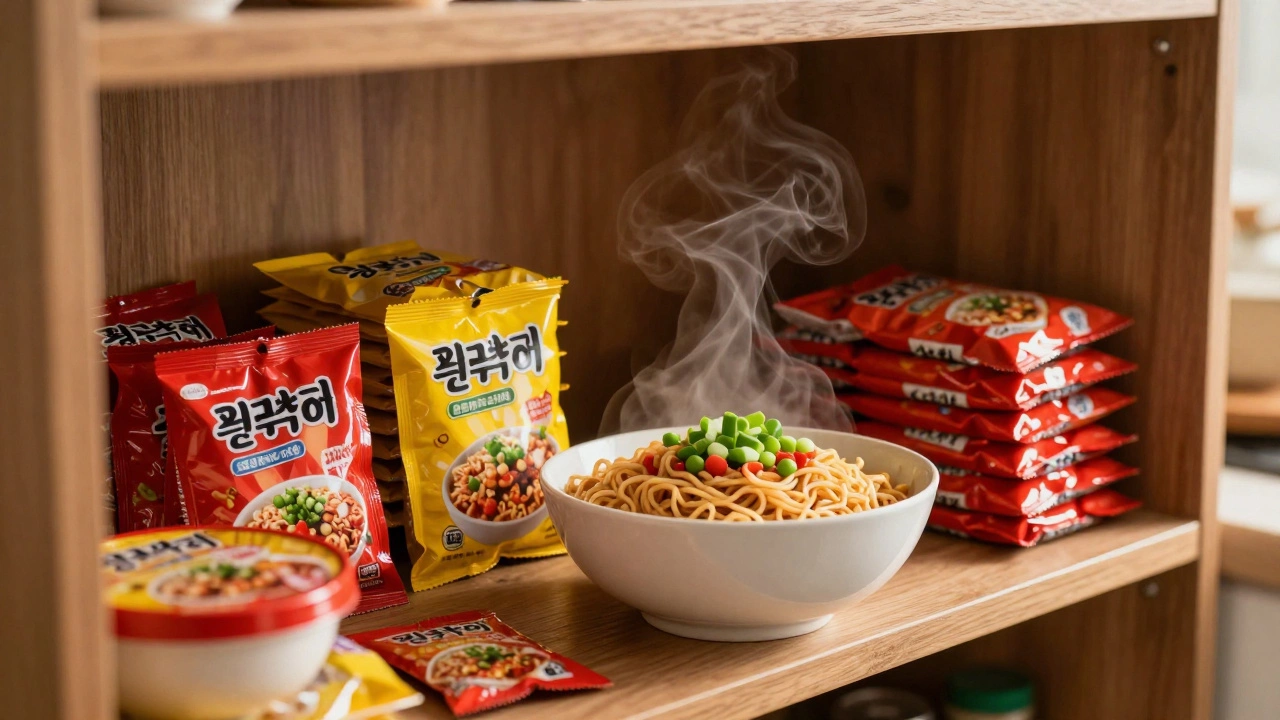
If you want to talk about sheer volume, nothing beats instant noodles. We are talking about Maggi is a brand of instant noodle produced by the Nestlé India. It is not just food; it is a childhood ritual for millions across the nation. In 2015, the brand faced a ban due to lead and MSG concerns, which nearly broke the market, but it returned stronger. Today, you can find variants like Masala, Corn Flakes, and Paneer flavor packets sitting in almost every household pantry.
Families often treat this as a quick dinner solution when time is scarce. A mother might boil two packets for her children before school runs late, or a student keeps them handy for exam nights. The taste profile is distinct-salty, savory, and chewy. While nutritionists frown upon the sodium content, the convenience factor keeps sales high. In 2026, brands have started introducing lower-sodium versions, yet the classic red-and-yellow packet remains the king of the shelves.
The Street Food Giants
While Maggi rules the kitchen counter, the streets belong to the deep-fried heroes. Two names stand out above the noise: Samosa is a popular pastry filled with spiced potatoes, peas, and onions, served hot.
You find stalls selling thousands of these daily in almost every city. The crispy golden shell is broken to reveal steaming potatoes inside. Often dipped in tamarind chutney or coriander sauce, they offer a mix of salty and sweet flavors. A common variation involves boiling the samosa and dipping it in thick chickpea flour batter, known as "chaat." This increases the oil intake but makes it a satisfying comfort food during monsoon rains or festive gatherings.
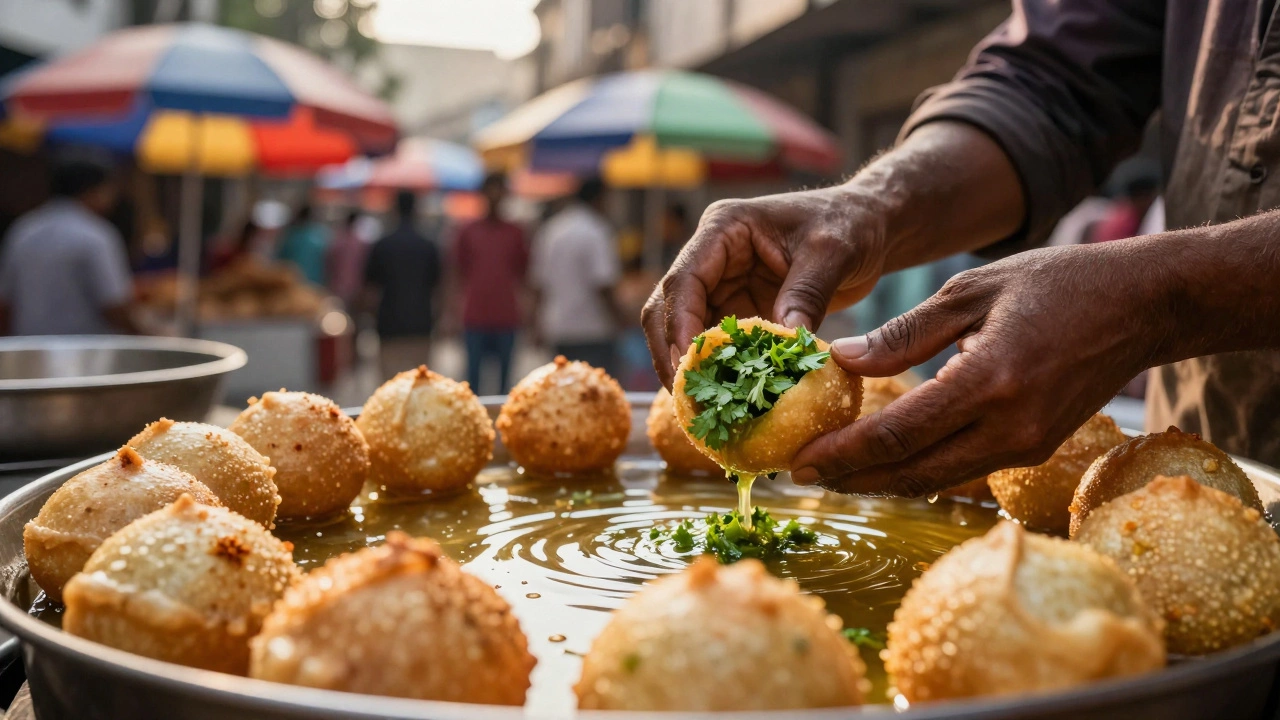
Closely following the samosa is Pani Puri is a hollow fried dough sphere filled with potato, chickpeas, and spicy tamarind water.
This snack requires zero chewing. You pop the entire thing in your mouth, and the burst of liquid spices floods your senses. There are three types based on the shape and filling style: Golgappa, Puchka, and Pani Puris. The vendor prepares the masala water fresh using mint, cumin, chili powder, and garlic. The calorie count per piece is low, but people tend to eat twenty in one sitting. It is the ultimate summer refresher because of the cooling mint infusion, despite the heat from the chilies.
Regional Variations: North vs. South
India is massive, so what constitutes junk food shifts geographically. In Northern states like Punjab and Uttar Pradesh, butter-laden snacks dominate. Kulfi is a traditional South Asian frozen dairy dessert denser than ice cream serves as a sweet indulgence. It is rich in calories and sugar, often sold at roadside stands next to savory carts. People pair it with Jalebi is a spiral-shaped sweet made from fermented batter and soaked in syrup. These sweets contain high amounts of refined carbohydrates, yet they remain a staple at weddings and festivals.
Down south in cities like Chennai or Hyderabad, the scene changes slightly. Goshtab is a meatball curry, often considered a delicacy in Kashmiri cuisine is rare for casual snacking, but Bonda is a deep-fried rice flour ball stuffed with spicy potato or lentils takes center stage. Similar to Vada Pav but often lighter in texture, Bondas are packed tightly with filling. They are commonly paired with tea from small clay cups called kulhads. This combination provides enough energy to last until lunchtime.
| Item | Approx Calories | Main Ingredient | Common Pairing |
|---|---|---|---|
| Maggi (1 serving) | ~300 kcal | Wheat Flour | Chutney |
| Samosa (1 piece) | ~260 kcal | Potato Filling | Tamarind Chutney |
| Vada Pav (1 set) | ~400 kcal | Potato Patty | Purple Chili Chutney |
| Pani Puri (10 pcs) | ~250 kcal | Rice Batter | Lemon Water |
The Western Takeover
You cannot ignore the impact of international franchises. Since the early 2000s, burgers and pizzas became accessible to the middle class. However, they were adapted for local tastes. McDonald's India is a fast-food chain offering vegetarian and chicken options, no beef removed pork and beef entirely from their menu to respect cultural norms. Their McVeggie burger uses paneer instead of meat. Similarly, pizza places introduced toppings like Peppy Corn and Paneer Tikka.
Despite these adaptations, home-cooked junk food still outsells chains in many areas due to cost. A plate of Vada Pav costs ten rupees, while a fast-food burger costs two hundred. For students and daily wage earners, the street stalls win on price alone. The younger generation, growing up with disposable income, prefers the mall experience. They view visiting a food court as entertainment, not just hunger relief.
Nutritional Reality Check
Eating these foods occasionally brings joy, but habitually consumes too much oil and salt. Most street vendors reuse cooking oil multiple times to save costs. This creates trans fats, which are dangerous for heart health. Studies from government health bodies highlight that urban Indians consume significantly more sugar and saturated fat compared to rural counterparts.
The issue lies in portion control and hygiene standards. Many open-air stalls lack visible washing stations or gloves. To mitigate risks, buyers learn to observe the frequency of oil changes and the freshness of the raw ingredients. Some vendors now advertise "Virgin Oil Used" as a selling point to attract health-conscious buyers. Others add steaming vegetables to balance the fried elements.
Homemade Alternatives for Home Cooks
Living away from India, like in Birmingham, you miss those flavors intensely. The good news is that making safer versions at home is simple. You can recreate the taste using baked versions or smaller portions of frying.
- Baked Samosas: Coat the dough with olive oil spray and bake at 180°C until crisp. Fillings remain the same.
- Whole Wheat Wraps: Replace the flatbread in rolls with multigrain wraps for extra fiber.
- Steamed Momos: Skip the fried skins and opt for steaming dumplings to cut down calorie counts.
These tweaks maintain the core taste while reducing the hidden dangers. It allows you to enjoy the crunch of a samosa without the heavy digestion issues later. If you are planning a party, offering a mix of baked and fried options shows consideration for different guests.
Future of Snacking
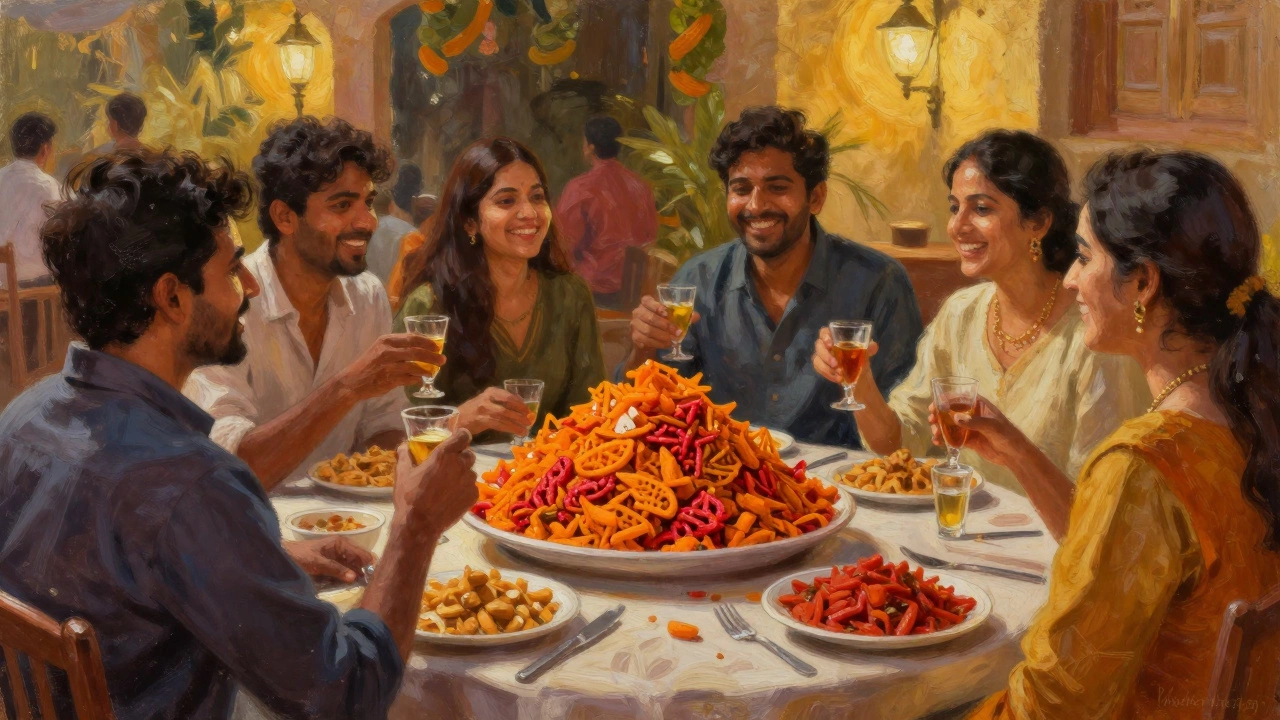
As we move further into 2026, the demand for cleaner labels is rising. Startups are launching ready-to-eat chips with minimal processing. Traditional brands are reformulating to remove artificial preservatives. However, the soul of the junk food experience remains the community aspect. Sharing a plate of Bhelpuri with friends is less about the food and more about the gathering.
Ultimately, moderation is key. Knowing what you eat helps you make better choices. Whether it is the humble Pani Puri cart or the modern burger joint, the variety reflects the diverse palate of the country. Keep exploring, try a new recipe this week, and enjoy the feast in balance.
What is the cheapest junk food in India?
The cheapest option is typically Pani Puri or Bhel Puri. A street vendor usually sells a plate for around 20 to 50 rupees, which is very affordable for students and workers.
Is Maggi allowed in schools now?
Yes, it has been widely allowed again since regulations regarding MSG and lead were resolved. However, some schools limit its frequency due to high sodium levels.
Which city has the most street food vendors?
Delhi and Mumbai top the lists. Markets like Chandni Chowk in Delhi and Bandra Kings Cross area in Mumbai are famous hubs for hundreds of vendors.
Are vegetarian options common in fast food?
Absolutely. Due to the large vegetarian population, brands prioritize paneer, mushroom, and vegetable fillings over meat products.
How can I make healthy versions of Vada Pav?
You can bake the vada instead of frying it and serve it on whole wheat bread instead of white pav to increase fiber content and reduce oil absorption.