Biryani Recipe: How to Make Perfect Biryani with Rice, Spices, and Meat
When you think of biryani, a layered rice dish from India with spices, meat, and slow-cooked flavor. Also known as biryani rice dish, it’s more than just a meal—it’s an event. This is the dish that turns family gatherings into celebrations and street stalls into destinations. What makes biryani different from other rice dishes? It’s the way the rice is cooked just right, the spices are layered, and the whole thing is sealed and slow-cooked—called dum cooking, a method where food is sealed in a pot and cooked over low heat to trap steam and flavor. This technique lets the meat tenderize slowly while the rice absorbs every drop of spice and aroma.
You can’t make good biryani without basmati rice, a long-grain rice known for its fragrance and ability to stay separate when cooked. It’s not just any rice—it’s the backbone of the dish. The rice needs to be soaked, boiled just until 70% done, then layered with marinated meat, fried onions, saffron, and herbs. Then comes the dum cooking, a method where food is sealed in a pot and cooked over low heat to trap steam and flavor. This is where the magic happens. The steam from the rice cooks the meat further, the spices meld, and the whole thing becomes one deep, rich flavor.
Chicken biryani is the most popular version, but you’ll also find lamb, goat, vegetable, and even egg biryani across India. Each region has its twist—Hyderabadi uses more saffron and dried fruit, Lucknowi is milder and more aromatic, and Kolkata biryani adds boiled eggs and potatoes. But no matter where you go, the core stays the same: perfect rice, bold spices, and slow cooking.
What trips people up? Overcooking the rice, skipping the soak, or not sealing the pot well. You don’t need fancy tools—just a heavy-bottomed pot, a tight lid, and patience. The rice should be fluffy, not mushy. The meat should fall off the bone. And the aroma? It should follow you from the kitchen to the dining table.
Below, you’ll find real, tested tips from home cooks who’ve nailed this dish. From the exact time to boil the rice to how to fix dry biryani, you’ll see what works—and what doesn’t. No guesswork. Just clear steps, common mistakes, and the little tricks that make all the difference.
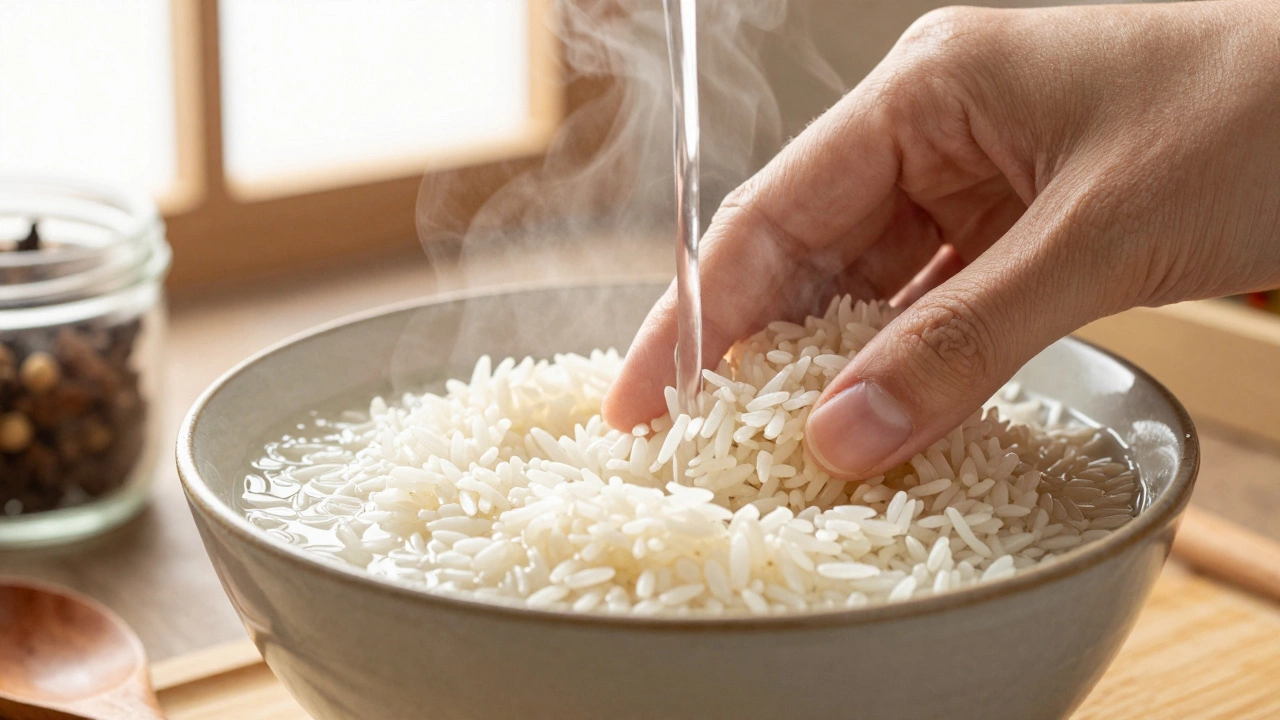
How to Make Biryani Tastier: Pro Tips for Richer Flavor and Perfect Texture
Learn how to make biryani tastier with simple, proven tips on rice prep, spice layering, steaming, and marinating. These techniques transform average biryani into something unforgettable.
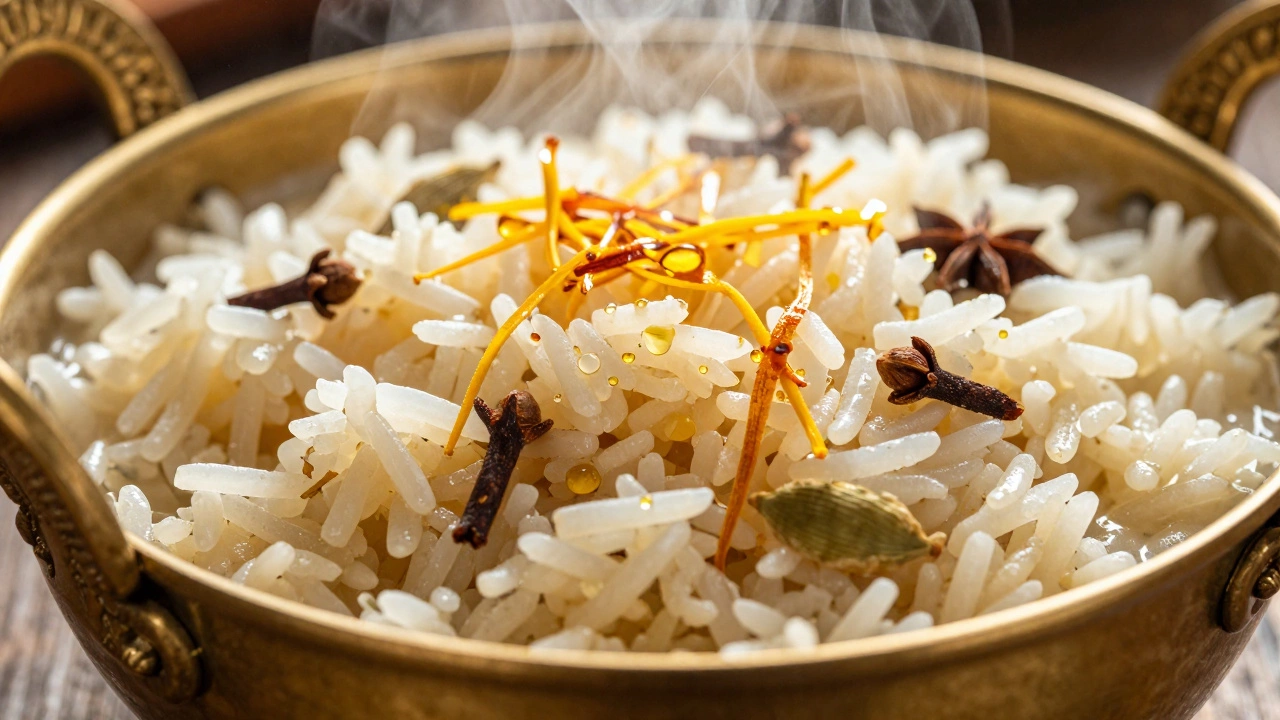
What Is the Sweet Thing in Biryani? The Secret Ingredient Explained
The sweet note in biryani doesn't come from sugar-it's from caramelized onions, saffron, dried fruits, and the natural sugars in basmati rice. Learn how these ingredients create balance and depth in every bite.

Biryani Recipe: What’s the Small Black Thing in Biryani?
Ever wondered what that small black thing is hiding in your biryani? It's not burnt rice, and it's definitely not something to toss aside. This article breaks down the mystery ingredient, explains why it’s there, and shares simple tips on enjoying your biryani without missing out on the authentic flavor. Get ready for some fun facts and helpful cooking advice, whether you’re making or just eating this classic dish. You'll never see biryani the same way again.

Biryani Without Meat: What’s It Really Called?
Curious about what biryani without meat is called? You’re not alone. This article breaks down the names, varieties, and common misconceptions around meatless biryani. Get tips on making your own flavorful vegetarian biryani at home. Discover regional differences, fun facts, and how to upgrade your next veg biryani plate. Perfect if you want all the flavor without the meat!

How to Make Biryani Juicy: Easy Tricks for Perfect Results
Ever wondered why your biryani turns out dry instead of juicy and mouthwatering? This guide cracks the secret code to getting every grain of rice bursting with flavor. Explore key tips for locking in moisture, from marinating meat the right way to using the perfect liquid-rice ratio. Learn what really matters when layering and steaming. With these tricks, your biryani won’t just look good—it’ll be full of taste and juiciness with every bite.
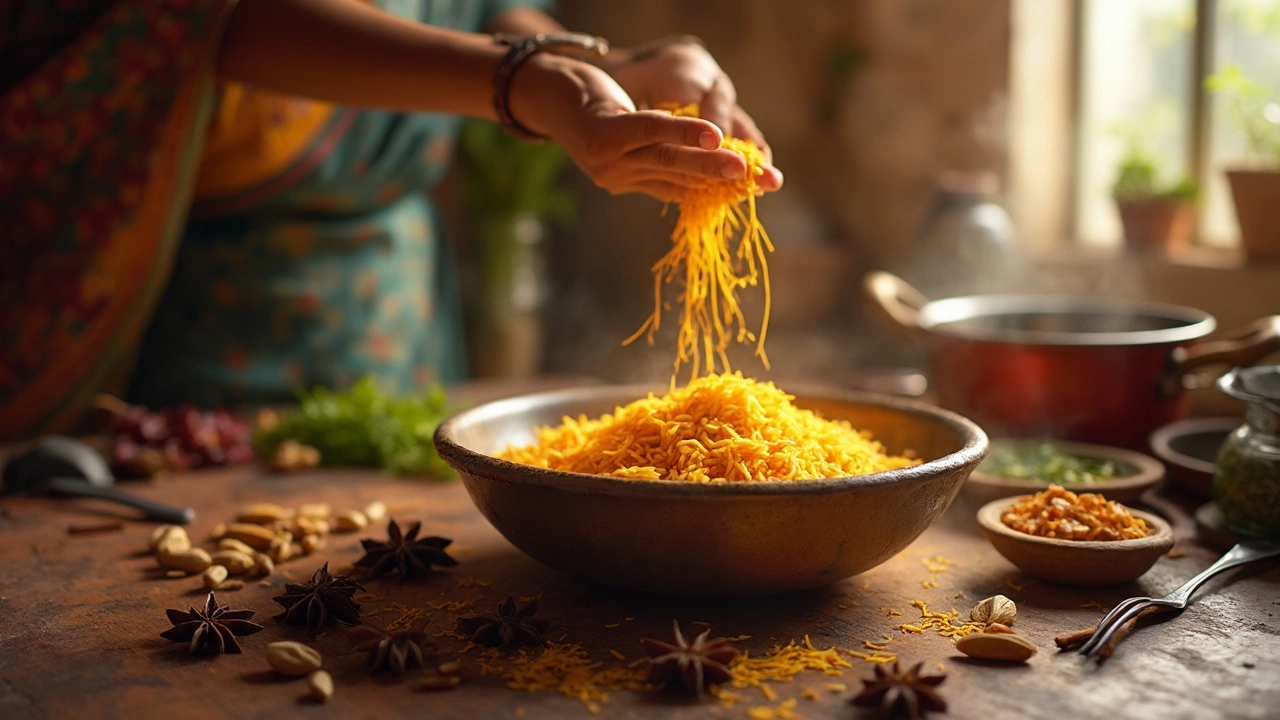
Most Important Ingredient in Biryani: The Real Secret to Awesome Flavor
Ever wondered what actually makes biryani taste so special? This article digs into the single ingredient that brings biryani to life, backed by insights from home cooks and chefs. Expect honest advice on what to focus on, useful tips for buying and using the key ingredient, plus a few surprising facts. Whether you’re new to biryani or want to up your game, this guide covers what matters most—no fluff, just what works. Walk away knowing what ingredient you really can’t skip and how to make it shine in your own kitchen.

Why Biryani Is Not Tasty? Common Mistakes Everyone Makes
Ever wondered why that homemade biryani just doesn't hit the spot? This article uncovers the real reasons biryani might taste bland or disappointing, from overlooked spices to common kitchen slip-ups. Get practical advice for fixing these mistakes and learn easy hacks for consistently flavorful results. With some small tweaks, you'll finally get biryani that's packed with taste. It's time to save your next batch from being just okay.

Exploring the World's Tastiest Biryani
Biryani is a culinary masterpiece adored worldwide, each regional variation a vibrant tale of indulgence. From the tender Hyderabadi variety to the fragrant Thai adaptations, the quest for the tastiest version is both exhilarating and delicious. This exploration delves into the intricate tapestry of spices, aromas, and traditions, examining what makes a biryani truly remarkable. By uncovering not just recipes but the stories behind them, the article offers a flavorful journey worthy of savoring.