Roti Making Tips: Perfect Flatbreads Every Time
When you’re making roti, a soft, unleavened Indian flatbread made from whole wheat flour and water. Also known as chapati, it’s the backbone of countless Indian meals—from dal and curry to sabzi and chutney. It’s simple, but getting it right takes more than just mixing flour and water. Too much flour on the rolling surface? Your roti turns stiff. Too little kneading? It tears. Too hot a tava? It burns before it puffs. These aren’t just mistakes—they’re fixable habits.
Most people think roti is just bread. But it’s really about dough, the foundation of every good roti, made from atta (whole wheat flour), water, and a pinch of salt. The texture comes from how you mix and rest it. Let it sit for at least 20 minutes after kneading—this lets the gluten relax so the dough rolls out smoothly without springing back. And don’t use cold water. Lukewarm water helps the flour hydrate evenly, giving you a pliable, forgiving ball of dough.
Then there’s the tava, the flat griddle used to cook roti, traditionally made of cast iron or steel. A properly heated tava is non-negotiable. Too cool? The roti won’t puff. Too hot? It chars before it cooks through. Test it with a drop of water—it should sizzle and evaporate in under a second. And don’t oil it. A dry tava is key. The steam trapped inside the dough is what makes it balloon up, not grease.
Rolling matters too. Start from the center and rotate the dough as you roll, keeping it even. Don’t press down hard—let the roller do the work. If your roti is thick in the middle and thin at the edges, you’re not rotating enough. And when you flip it on the tava, wait for those first bubbles to form before flipping again. That’s when the steam starts building. Press gently with a cloth or spatula—just enough to help it puff. You’ll hear it crackle. That’s the sound of perfect roti.
People say roti is easy. But the difference between okay and amazing comes down to these small, repeatable steps. It’s not about fancy tools or secret ingredients. It’s about consistency in dough, heat, and technique. If your roti is coming out dry, chewy, or flat, it’s not your recipe—it’s your method. And once you fix that, you’ll start making roti that’s soft enough to wrap around spicy curries, fluffy enough to soak up dal, and warm enough to eat straight off the tava.
Below, you’ll find real tips from home cooks who’ve mastered this. No fluff. No theory. Just what works—whether you’re making roti for the first time or trying to fix a stubborn batch that won’t puff.
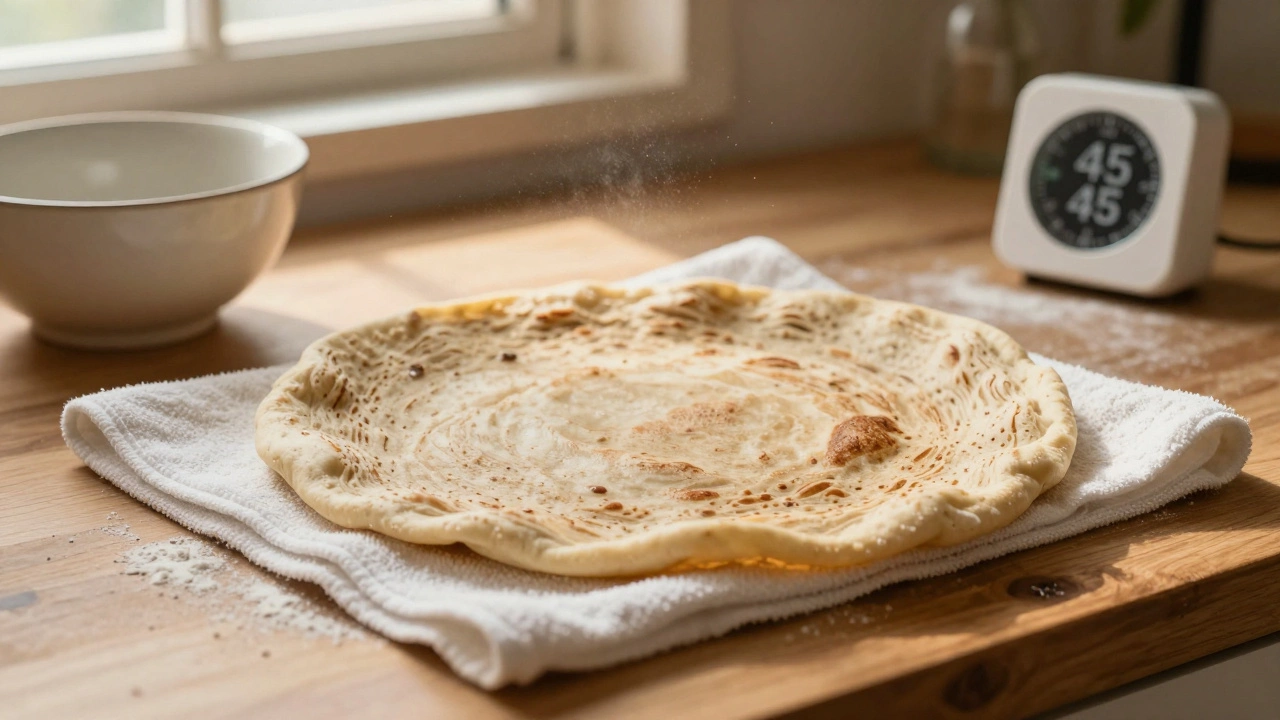
How Long Should Roti Dough Rest? The Secret to Soft, Fluffy Rotis Every Time
Resting roti dough for at least 30 minutes transforms tough dough into soft, fluffy rotis. Learn why timing matters, how temperature affects hydration, and pro tips for perfect results every time.

How to Make Perfectly Round Roti Every Time
Learn how to make perfectly round roti with simple steps, dough tips, rolling tricks, and cooking secrets that work every time. No more lopsided chapatis-just soft, fluffy, and beautifully shaped bread.
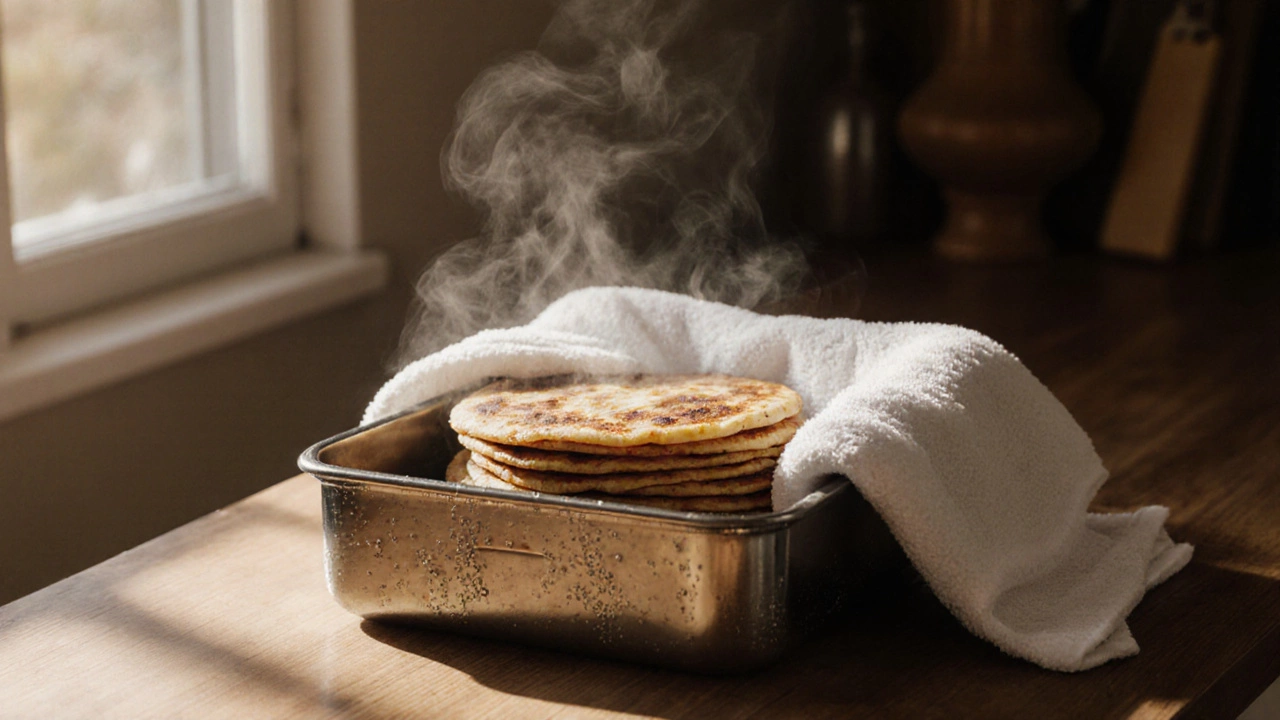
How to Keep Roti Soft for Days: Simple Tricks That Actually Work
Learn how to keep roti soft for days with simple steps: proper dough, perfect cooking, smart wrapping, and smart reheating. No preservatives needed.

What is the Secret to Making Soft Chapatis? Simple Roti Making Tips
If your chapatis always turn out hard or chewy, you're not alone. Soft chapatis depend on small but important tricks, like dough consistency, resting time, and cooking technique. This article breaks down the real secrets to pillowy chapatis that stay soft for hours. It also busts a few myths and shares quick fixes for common problems. Anyone can master soft chapatis with a few simple changes.