Soft Roti: How to Make Perfectly Fluffy Indian Bread Every Time
When you think of soft roti, a thin, round, unleavened flatbread made from whole wheat flour and water, commonly eaten across India. Also known as chapati, it's not just bread—it’s the quiet hero of every Indian meal, wrapping dal, curries, and veggies with warmth and simplicity. Most people think soft roti is about the flour or the kneading time. But the real secret? It’s in the heat, the roll, and the touch.
What makes roti soft isn’t butter or milk—it’s steam. When you press that hot tawa or griddle, the water in the dough turns to steam, puffing the bread from the inside. That’s why a cold tawa gives you hard, flat rotis. And why letting the dough rest for even 20 minutes makes a difference. The gluten relaxes. The flour hydrates. The roti becomes forgiving. You don’t need fancy equipment. Just a clean surface, your hands, and a little patience. A roti roller, a simple cylindrical tool used to flatten roti dough evenly helps, but you can do it with a glass or bottle. The real skill? Rolling it thin without tearing. Too thick? It’s doughy. Too thin? It cracks. The sweet spot is just under 1/8 inch—round, even, and light as a whisper.
And then there’s the flip. Many skip the second side, but that’s where the magic happens. A quick press on the open flame—just a second or two—gives you those beautiful charred spots and locks in the softness. That’s not burn. That’s flavor. That’s texture. That’s what makes roti feel like home. You’ll find recipes online that add yogurt, oil, or baking soda. Some work. But if you master the basics—dough consistency, resting time, rolling pressure, and heat control—you won’t need them. The Indian bread, a category of unleavened flatbreads including roti, chapati, naan, and paratha, central to daily meals across South Asia tradition has stayed strong for centuries because it doesn’t need tricks. It needs attention.
Below, you’ll find real tips from people who’ve made thousands of rotis. Not theory. Not Instagram-perfect shots. The kind of advice you get from your aunt who’s been cooking since she was ten. How to fix sticky dough. Why your roti shrinks after cooking. How to keep them soft for hours. And yes—how to make them perfectly round, every single time.
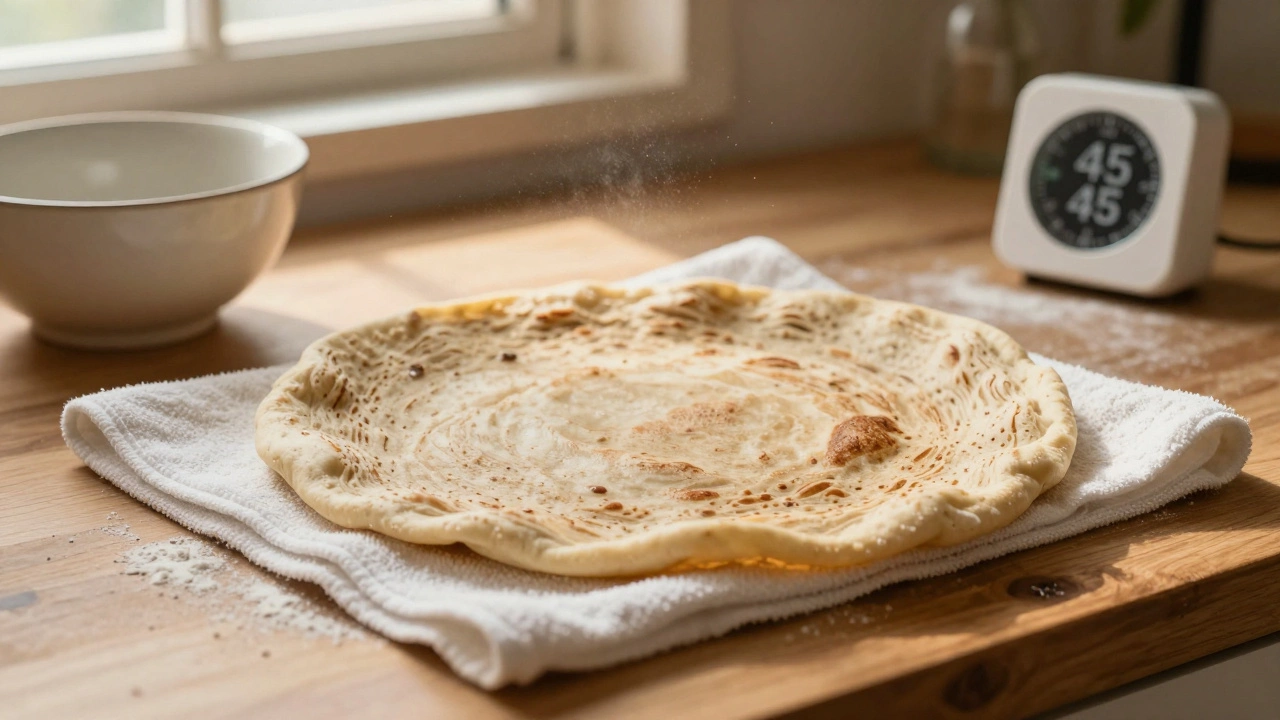
How Long Should Roti Dough Rest? The Secret to Soft, Fluffy Rotis Every Time
Resting roti dough for at least 30 minutes transforms tough dough into soft, fluffy rotis. Learn why timing matters, how temperature affects hydration, and pro tips for perfect results every time.
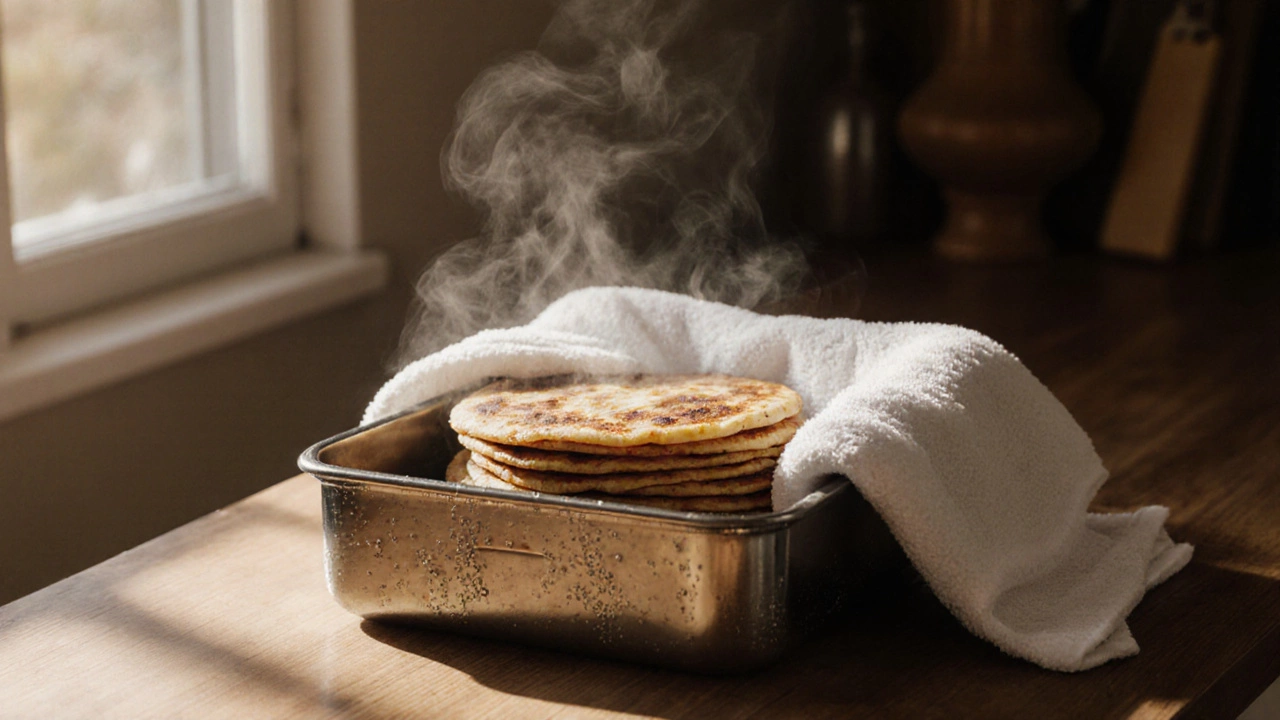
How to Keep Roti Soft for Days: Simple Tricks That Actually Work
Learn how to keep roti soft for days with simple steps: proper dough, perfect cooking, smart wrapping, and smart reheating. No preservatives needed.
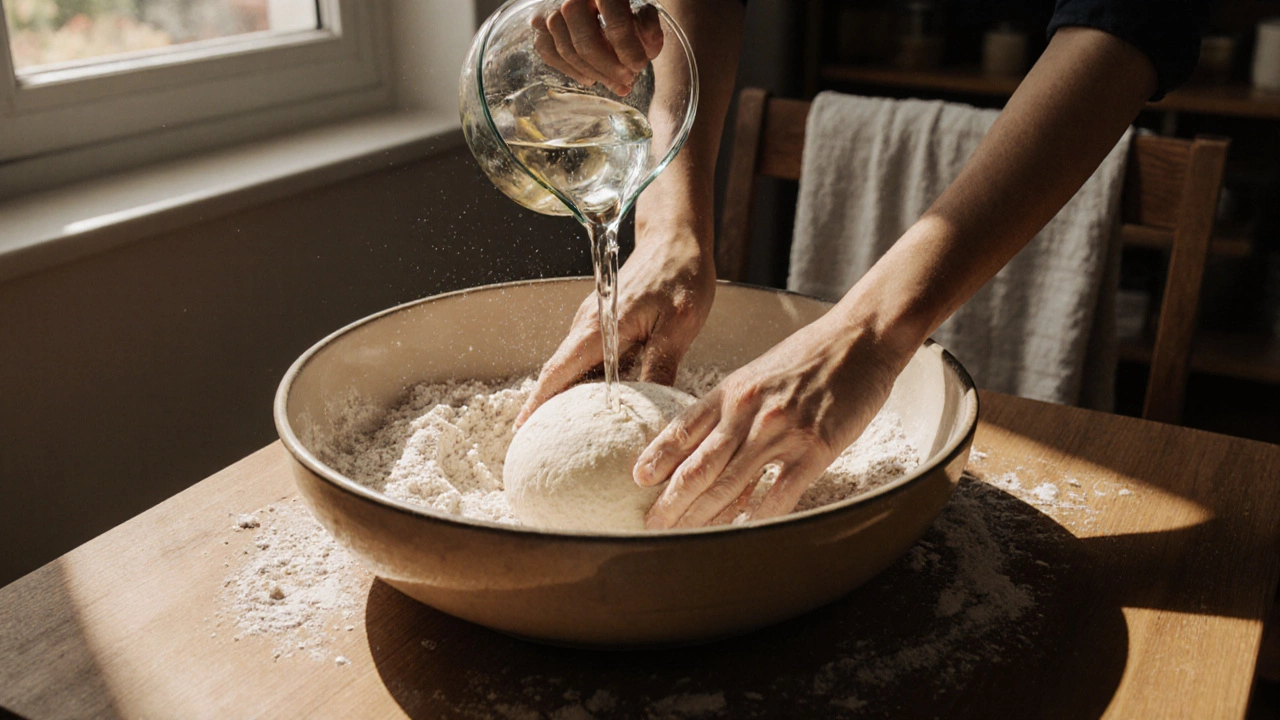
Soft Roti Made Easy: The Secret Trick
Learn the single trick-30‑minute rest and steam burst-that guarantees soft, fluffy roti every time. Step‑by‑step guide, common mistakes, and FAQs.