Indian Chutney Pairing Guide & Recipe Calculator
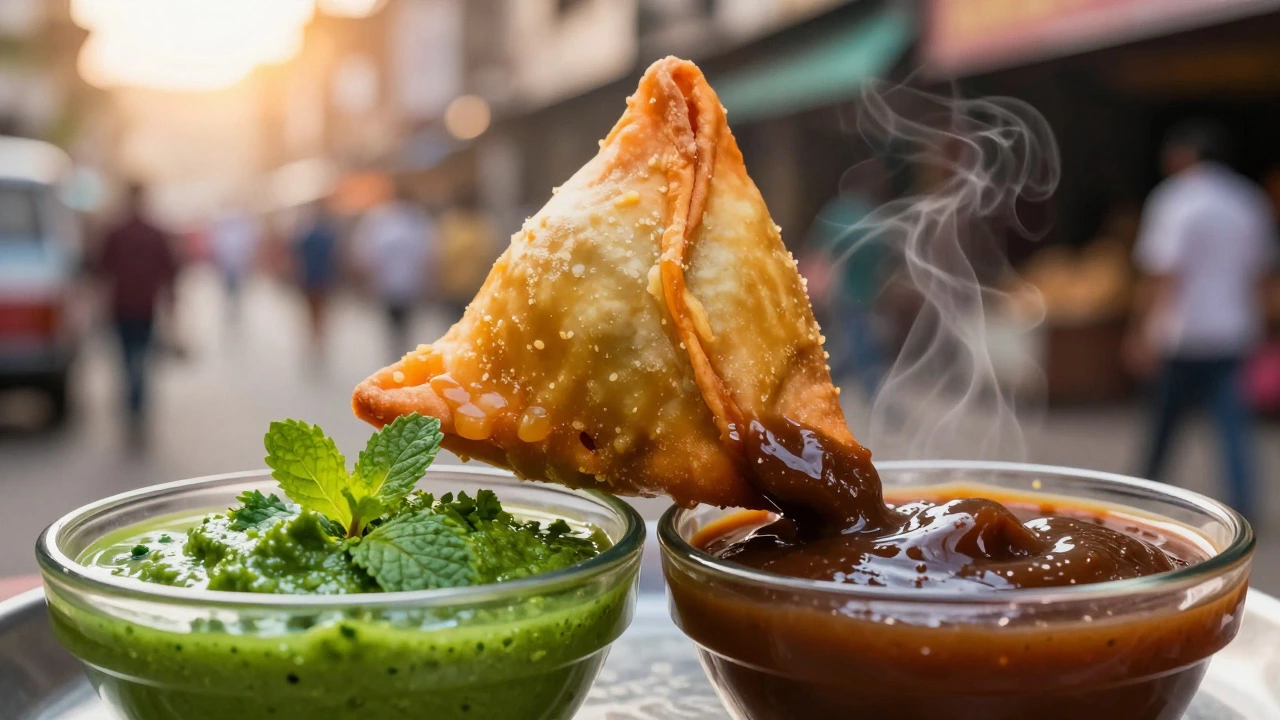
Imagine biting into a hot, crispy samosa. It’s delicious, but something is missing. That “something” is almost always a dollop of bright green mint chutney or tangy tamarind sauce. In India, chutney is not just a condiment; it is the soul of the meal. It cuts through grease, adds freshness, and provides the acidic punch that balances heavy spices. But if you are new to Indian cuisine, you might wonder: what exactly do people put this stuff on?
The short answer is: pretty much everything savory. From street-side snacks to elaborate family dinners, chutney acts as the universal glue holding flavors together. Whether you are in Mumbai, Delhi, or Chennai, you will find different types of chutneys paired with specific foods. Understanding these pairings unlocks a deeper appreciation for Indian food culture. Let’s break down the most common combinations so you can eat like a local.
The Holy Trinity: Snacks, Breads, and Rice
If there is one rule in Indian dining, it is this: fried things need chutney. When you order pakoras (vegetable fritters) or samosas, they are rarely served alone. The heat from the oil demands the cooling effect of coriander-mint chutney or the sweet-sour kick of tamarind-date chutney. This isn’t just tradition; it is flavor science. The acidity in the chutney neutralizes the fat on your tongue, allowing you to eat more without feeling weighed down.
- Samosa: Typically paired with both green (mint-coriander) and brown (tamarind) chutneys for a complex flavor profile.
- Pakora: Onion, potato, or spinach fritters are dipped in spicy red chili chutney or tangy green chutney.
- Vada Pav: The famous Mumbai street burger comes with a side of fiery garlic-chili chutney that transforms the humble potato patty.
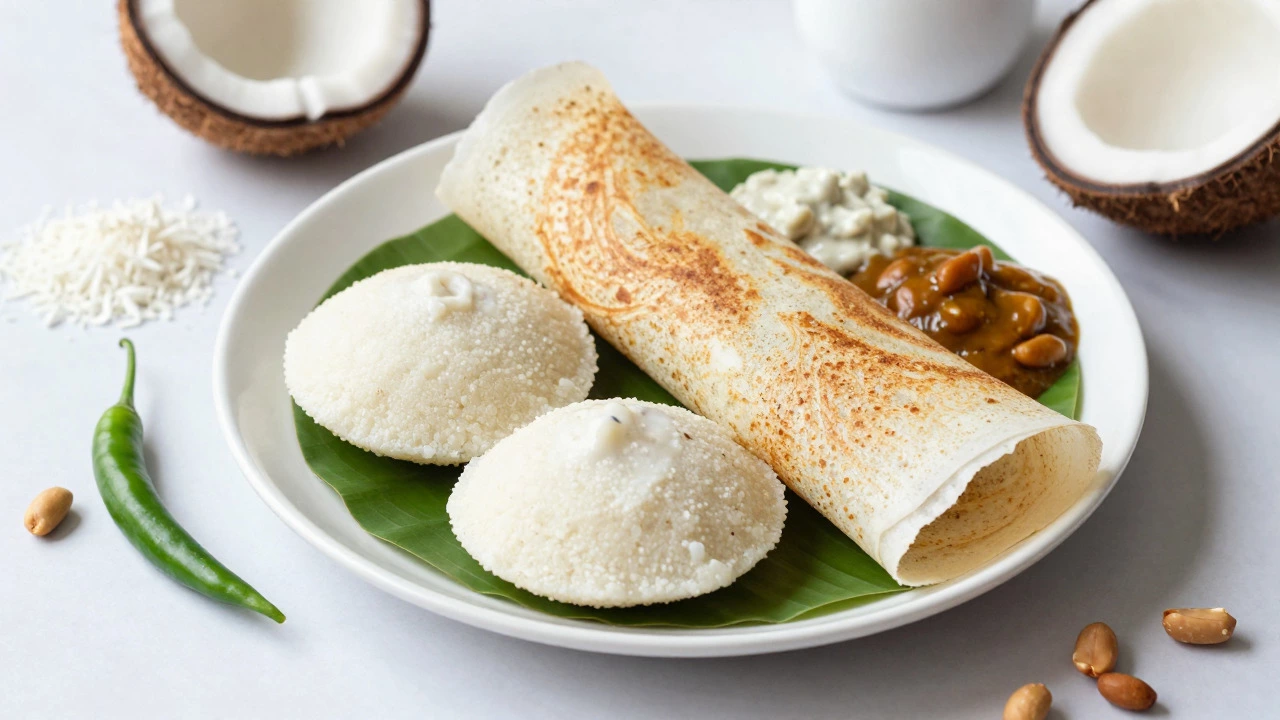
Breads are another major partner for chutney. You don’t just dip bread; you often spread chutney inside it. Take the Dosa, a thin fermented crepe from South India. While sambar (lentil stew) is the standard accompaniment, chutney is non-negotiable. Coconut chutney is the classic choice for its creamy texture, but tomato-onion chutney or peanut chutney offers a drier, crunchier contrast. Similarly, Paratha (layered flatbread) stuffed with potatoes or paneer is often sliced and drizzled with yogurt-based chutney or simple butter-chive mixtures.
Regional Variations: North vs. South
India is vast, and its geography dictates its palate. If you travel from north to south, the chutney pairings change dramatically. In the North, where wheat is king, chutneys tend to be thicker and used as dips for breads like Naan and Roti. A popular combination here is Aloo Tikki (spiced potato patties) served with a trio of chutneys: green, tamarind, and sometimes a yogurt-based white chutney.
In the South, rice and lentils dominate. Here, chutney is part of the main course structure. A typical South Indian breakfast includes idli (steamed rice cakes) and dosa. These bland, spongy canvases are designed specifically to absorb strong flavors. Coconut chutney is the star here, made fresh with grated coconut, roasted chana dal, and green chilies. It provides the moisture and richness that the dry idli lacks. Another southern favorite is Peanut chutney, which adds a nutty depth and protein boost to the meal.
| Region | Primary Staple | Signature Chutney | Typical Dish |
|---|---|---|---|
| North India | Wheat Bread | Mint-Coriander (Green) | Samosa, Pakora |
| South India | Rice & Lentils | Coconut | Idli, Dosa |
| West India (Mumbai) | Street Snacks | Tamarind-Date (Brown) | Vada Pav, Bhel Puri |
| East India | Rice & Fish | Mustard Seed | Fish Curry, Luchi |
Chutney as a Salad Substitute
In many Western diets, we rely on leafy greens or vinaigrettes to add freshness to a meal. In India, chutney often plays this role. Think of it as an edible salad. For example, Kachumber is a chopped salad of onions, tomatoes, and cucumbers, but it is frequently dressed with a lemon-cumin chutney rather than oil and vinegar. This gives the salad a sharper, more aromatic punch.
Another unique pairing is with curries. While you might not dip curry directly into chutney, you will often find them served side-by-side. A mild Dal Tadka (lentil soup) is balanced by a spoonful of spicy ginger-chili chutney on the side. The diner mixes them according to their taste preference. This allows each person to control the heat level and acidity of their own bowl, making the meal interactive and personalized.
Unexpected Pairings: Sweets and Fruits
You might assume chutney is only for savory dishes, but that is a common misconception. In certain regions, particularly in the West and South, chutneys bridge the gap between sweet and sour. Tamarind chutney, for instance, is naturally sweet due to the addition of jaggery (unrefined cane sugar). It is often eaten with Bhel Puri, a chaat dish that mixes savory puffed rice with sweet tamarind sauce and spicy chutney. The result is a chaotic but harmonious explosion of all five basic tastes: sweet, sour, salty, bitter, and umami.
Even fruits get a chutney makeover. In summer, ripe mangoes are sometimes sprinkled with a mixture of salt, chili powder, and lime juice-a dry form of chutney seasoning. This enhances the natural sweetness of the fruit while adding a metabolic kick. It is a refreshing way to enjoy seasonal produce without cooking it.
How to Choose the Right Chutney
If you are hosting an Indian dinner or trying to navigate a menu, here is a quick guide to matching chutneys with your food:
- For Fried Foods: Always choose Green Chutney (mint/coriander) or Tamarind Chutney. The acid cuts the oil.
- For Steamed Foods (Idli/Dosa): Go with Coconut Chutney. The creaminess complements the soft texture.
- For Rich Curries: Use a Yogurt-Based Chutney or a simple Lemon-Ginger dip. It lightens the heavy gravy.
- For Street Food (Chaat): Mix multiple chutneys. The complexity matches the mix of ingredients.
Avoid pairing heavy, oily chutneys with already greasy dishes unless you want a very rich experience. Instead, opt for watery, herbaceous blends. Also, remember that freshness matters. Freshly ground chutney has a vibrant color and intense aroma. Bottled versions often lack the zing needed to balance strong spices, so try to make yours at home if possible.
DIY Quick Chutney Recipes
Making chutney is easier than you think. You just need a blender and fresh ingredients. Here are two essential recipes to keep in your repertoire.
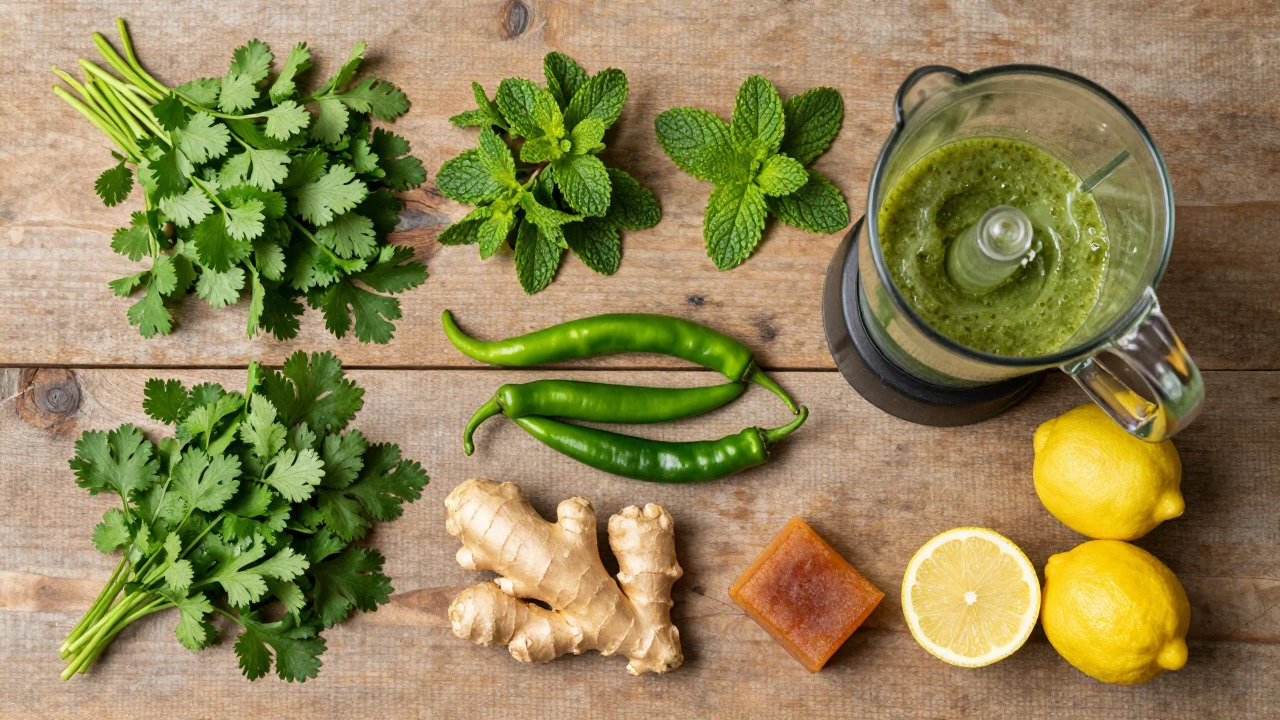
Basic Green Chutney:
- 1 cup fresh cilantro leaves
- 1/2 cup fresh mint leaves
- 1 green chili (adjust for heat)
- 1 inch ginger piece
- Juice of 1/2 lemon
- Salt to taste
- A splash of water to blend
Blend all ingredients until smooth. Store in the fridge for up to 3 days. The lemon juice acts as a preservative and keeps the color bright green.
Quick Tamarind Chutney:
- 2 tbsp tamarind paste
- 1 tsp jaggery or brown sugar
- 1/2 tsp cumin powder
- Pinch of asafoetida (hing)
- Warm water to dilute
Mix the tamarind paste with warm water to create a thick syrup. Stir in the jaggery, cumin, and asafoetida. Let it cool before serving. This pairs perfectly with vada pav and samosas.
Can I eat chutney every day?
Yes, chutney is generally healthy. Fresh herb-based chutneys are packed with vitamins and antioxidants. However, store-bought versions may contain high amounts of sodium or preservatives. Homemade chutneys are the best option for daily consumption.
Why does my green chutney turn brown?
Oxidation causes the color change. To prevent this, add a squeeze of lemon juice immediately after blending and store it in an airtight container in the refrigerator. Using a glass jar instead of metal can also help maintain the color.
Is chutney vegan?
Most traditional chutneys are vegan, made from herbs, fruits, nuts, and spices. However, some variations use yogurt or ghee (clarified butter), so always check the ingredients if you have dietary restrictions.
What is the difference between chutney and salsa?
While both are dips, chutney typically uses Indian spices like cumin, mustard seeds, and asafoetida, whereas salsa relies on Latin American ingredients like lime, cilantro, and jalapeños. Chutney can be smoother or chunkier, but the spice profile is distinctively Indian.
How long does homemade chutney last?
Freshly made chutney lasts about 3 to 5 days in the refrigerator. Adding lemon juice or a little oil on top can extend its shelf life slightly. For longer storage, freeze it in ice cube trays and transfer to a bag.