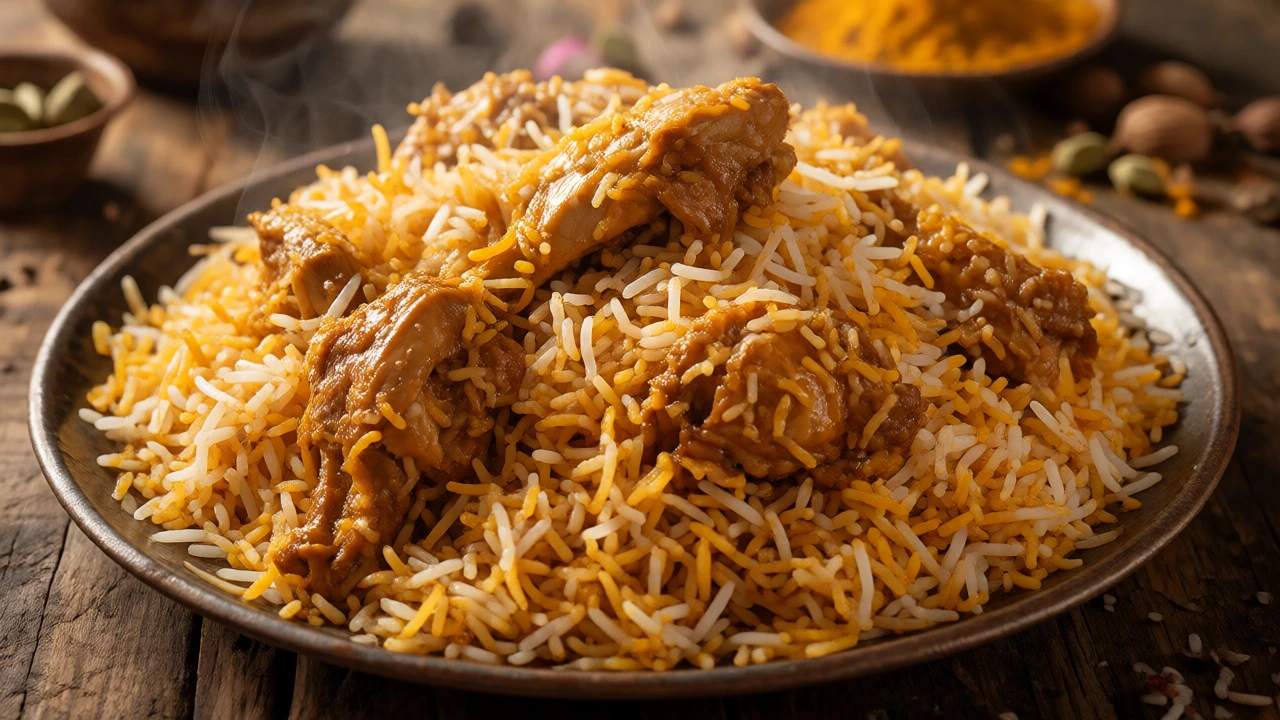
Biryani Calorie & Health Impact Estimator
Curious about the hidden calories in your favorite dish? Adjust the settings below to see how preparation methods affect nutritional value.
Customize Your Plate
Estimated Nutrition
~42% of Daily Intake*
💡 Quick Tip
To reduce calories by ~150 kcal, skip the fried onions (birista) or ask for less ghee.
You just finished a plate of Hyderabadi chicken biryani. It was fragrant, spicy, and absolutely delicious. But then that familiar heaviness hits you. Your clothes feel tight, your energy dips, and you wonder: why is biryani considered so unhealthy? You’re not imagining it. For many people, this iconic dish is a dietary minefield. It’s not necessarily the ingredients themselves that are the problem-it’s how they’re prepared and how much we eat.
Biryani sits in a weird spot in nutrition science. On one hand, it has protein from meat or paneer, complex carbs from basmati rice, and spices with anti-inflammatory properties like turmeric and ginger. On the other hand, traditional recipes rely heavily on refined oils, excessive ghee, and massive portion sizes. If you’re trying to manage weight or blood sugar, understanding the mechanics behind why biryani can be tough on your body is key. Let’s break down exactly what happens when you dig into that pot.
The Calorie Bomb: Portion Sizes Matter Most
Let’s talk numbers. A standard restaurant serving of chicken biryani isn’t a modest side dish; it’s often a calorie-dense main event. Depending on the region and the chef’s generosity with oil, a single plate can range from 500 to over 1,000 calories. That’s half-or more-of an average adult’s daily requirement in one sitting.
The culprit isn’t always the meat. Basmati rice is a carbohydrate powerhouse. When cooked with layers of oil and butter, its caloric density skyrockets. Think about it: plain steamed rice has about 130 calories per cup. But biryani rice? Because it’s fried or sautéed before simmering, plus soaked in fatty marinades, that same cup can easily hit 250+ calories. Multiply that by the three or four cups most people eat at a buffet, and you’ve got a carb overload before you even touch the gravy.
| Component | Plain Steamed (per cup) | Traditional Biryani (est.) | Primary Driver |
|---|---|---|---|
| Rice | ~130 kcal | ~250-300 kcal | Frying in oil/ghee |
| Meat (Chicken) | ~165 kcal | ~200-250 kcal | Marinade fats/skin |
| Add-ons (Ghee/Nuts) | N/A | ~100-150 kcal | Pure fat addition |
| Total Plate Estimate | ~400 kcal | 800-1,000+ kcal | Cumulative Fats |
The Fat Factor: Ghee and Refined Oils
If there’s one ingredient that defines authentic biryani, it’s fat. Specifically, ghee (clarified butter) and refined vegetable oils. In many commercial kitchens, cost-cutting means using cheaper refined oils which are high in Omega-6 fatty acids. While our bodies need some fat, an excess of Omega-6 without enough Omega-3 promotes inflammation.
Ghee adds flavor, yes, but it’s almost pure saturated fat. A tablespoon of ghee contains around 120 calories and 14 grams of fat. Recipes often call for half a cup or more for a family-sized pot. When you eat that biryani, you’re consuming a significant amount of saturated fat in one go. For individuals with high cholesterol or heart disease risks, this sudden spike in saturated fat intake can impact lipid profiles over time. It’s not about banning ghee; it’s about recognizing that “authentic” often equals “high-fat.”
Sodium Overload: The Silent Pressure Riser
Have you ever felt thirsty immediately after eating biryani? That’s sodium doing its job. To make the dish flavorful enough to stand up to strong spices and rich meats, cooks use substantial amounts of salt. This happens in two places: the marinade and the rice water.
The rice is often boiled in heavily salted water to ensure each grain is seasoned. Then, the masala paste itself contains salt. By the time the dish is layered and dum-cooked, the sodium concentration is high. One serving can easily exceed 1,000mg of sodium, which is nearly half the recommended daily limit for adults (2,300mg). High sodium intake leads to water retention, bloating, and increased blood pressure. If you’re prone to hypertension, that post-biryani puffiness in your face or fingers is a direct result of this sodium spike.
Refined Carbs and Blood Sugar Spikes
Basmati rice is generally considered a lower-glycemic index (GI) grain compared to sticky white rice, which is good news. However, the preparation method changes the game. When rice is cooked with fats and served in large quantities, the overall glycemic load increases. Furthermore, many modern variations use parboiled or even slightly overcooked rice to prevent mushiness during layering, which can alter digestion rates.
For diabetics or those with insulin resistance, a plate of biryani can cause a sharp rise in blood glucose levels. The combination of high carbs from the rice and high fat from the ghee creates a "slow burn" effect-the fat delays gastric emptying, keeping blood sugar elevated for longer periods. This isn’t just uncomfortable; it puts stress on the pancreas. Pairing biryani with a sugary dessert like gulab jamun or a sweet lassi compounds this issue, turning a meal into a metabolic rollercoaster.
Lack of Fiber: The Missing Nutrient
Here’s a critical oversight in most biryani preparations: where are the vegetables? Traditional Hyderabadi or Lucknowi biryanis are meat-and-rice centric. Any vegetables present are usually minimal-perhaps a few pieces of potato or carrots buried deep in the pot.
Fiber is essential for slowing down digestion, regulating blood sugar, and promoting satiety. Without adequate fiber, you digest the heavy carbs and fats quickly, leading to faster hunger returns later. Moreover, the lack of fibrous veggies means you’re missing out on micronutrients like Vitamin C, potassium, and magnesium, which help balance the high sodium and fat content. Eating biryani alone is like driving a car with no brakes; it moves fast but lacks control. Adding a side salad or raita helps, but if you skip them, the nutritional profile remains unbalanced.
Digestive Discomfort: Spice and Oil Interaction
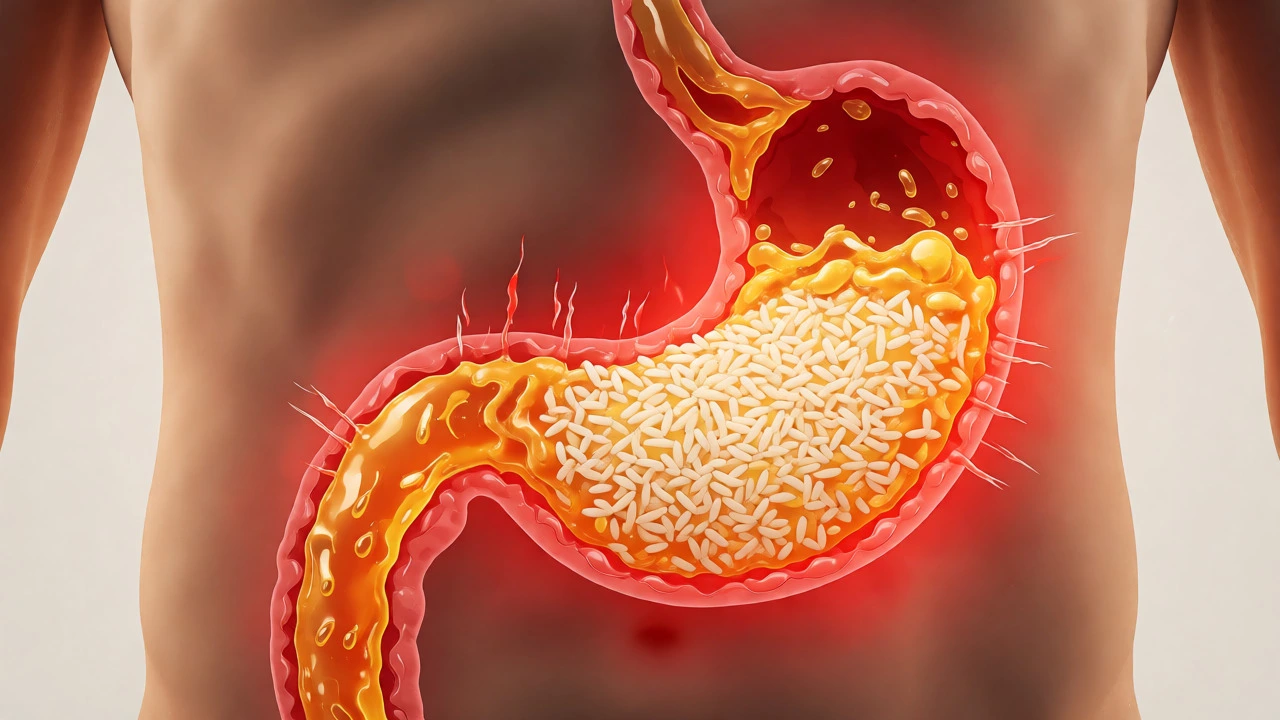
Not everyone handles biryani well physically. The combination of heavy spices (chili, garam masala), high fat content, and acidic components (yogurt in marinades, tomatoes) can trigger acid reflux or GERD (Gastroesophageal Reflux Disease) in sensitive individuals. Fat slows down stomach emptying, meaning food stays in your stomach longer. If you lie down shortly after eating, gravity doesn’t help keep stomach contents down, leading to heartburn.
Additionally, the sheer volume of food consumed during festive occasions often exceeds normal capacity. This distends the stomach, causing discomfort and lethargy. The body diverts significant energy to digestion, leaving you feeling tired rather than energized. This "food coma" is a real physiological response to high-calorie, high-fat meals.
Is All Biryani Created Equal?
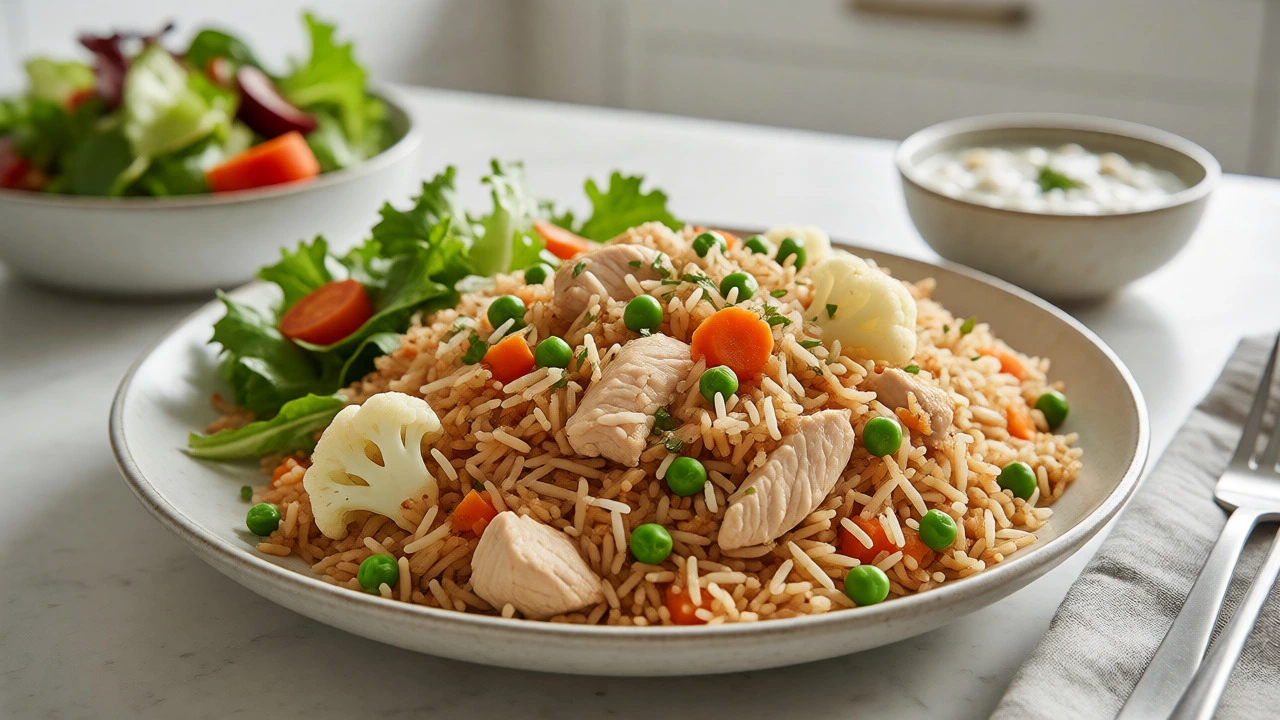
Before you banish biryani from your life forever, consider the source. Homemade biryani is vastly different from restaurant or frozen versions. At home, you control the oil quantity. You can choose skinless chicken breast instead of thighs. You can double the vegetable ratio. You can use brown basmati rice for extra fiber.
Restaurants, however, prioritize taste and shelf-life. They add more oil to prevent sticking and enhance mouthfeel. They use cheaper cuts of meat with higher fat content. They serve larger portions because value perception drives sales. Understanding these differences empowers you to make smarter choices. It’s not that biryani is inherently evil; it’s that the default preparation method leans heavily toward indulgence rather than nourishment.
How to Make Biryani Healthier
You don’t have to give up your favorite dish. Small tweaks can transform biryani from a cheat meal into a balanced dinner:
- Cut the Oil: Reduce the amount of ghee and oil by 50%. Use non-stick pots to minimize sticking.
- Add Veggies: Bulk up the dish with cauliflower, peas, carrots, and bell peppers. Aim for a 1:1 ratio of veggies to meat/rice.
- Watch Portions: Serve biryani as a side, not the main course. Fill half your plate with a green salad first.
- Choose Lean Protein: Opt for chicken breast, turkey, or lean mutton cuts. Trim visible fat.
- Skip the Extras: Avoid adding fried onions (birista) on top if you’re watching calories, or use baked onion slices instead.
Is chicken biryani healthier than mutton biryani?
Generally, yes. Chicken, especially breast meat, is leaner than mutton, which tends to have higher saturated fat content. However, the total healthiness depends heavily on the cut used and the amount of oil added during cooking. Skinless chicken biryani will typically have fewer calories and less saturated fat than mutton biryani prepared with generous ghee.
Can I eat biryani if I am diabetic?
Yes, but with caution. Choose a small portion size and pair it with high-fiber sides like a large salad or dal. Opt for brown basmati rice if possible. Monitor your blood sugar response, as the high carb and fat content can cause prolonged elevation. Avoid pairing it with sugary drinks or desserts.
Does homemade biryani have fewer calories?
Almost always. Homemade versions allow you to control oil, salt, and portion sizes. Restaurants often use more oil for flavor and texture, and serve larger portions. Making it at home lets you use leaner meats, more vegetables, and less ghee, significantly reducing the calorie count per serving.
Why does biryani make me feel sleepy?
This is due to the high carbohydrate and fat content. Large amounts of carbs trigger serotonin production, which promotes relaxation and sleepiness. Additionally, the high fat content slows digestion, diverting blood flow to the digestive system and away from the brain and muscles, contributing to feelings of lethargy.
Is veggie biryani healthy?
Veggie biryani can be healthier if loaded with diverse vegetables, providing fiber and vitamins. However, it still carries the same risks regarding refined oils, ghee, and high-carb rice. Without careful portion control and reduced oil usage, it can be just as calorie-dense as meat-based versions.