Dosa Troubleshooter & Fixer
There is nothing quite as disappointing as spreading a thick, heavy layer of batter onto your hot tawa, only to watch it cook into a dense, rubbery disc instead of that lacy, crisp miracle you were aiming for. You’ve soaked the grains, ground them smoothly, and waited overnight, but the result lacks the signature lift and airy texture of a perfect dosa. If your crepes are consistently flat or tough, the issue rarely lies with your cooking technique alone. It usually starts long before the pan heats up-in the proportions, the water content, and the invisible magic of fermentation.
I remember my first attempt at making dosas in my kitchen here in Birmingham. The weather was damp and cool, typical British spring, and I followed a recipe from memory. The batter sat there, stubborn and unmoving. When I finally cooked it, the result was more like a pancake than a dosa. It took me three batches and a lot of trial and error to realize that temperature and hydration are not just suggestions; they are the rules. Today, let’s break down exactly why your batter might be failing and how to fix it so you can enjoy that crispy, fermented delight every time.
The Golden Ratio: Rice vs. Lentils
The foundation of any great dosa is the balance between rice and urad dal (black gram). Most traditional recipes call for a ratio of 3 parts rice to 1 part urad dal. This isn’t arbitrary. The urad dal provides the proteins necessary for trapping gas during fermentation, which creates the bubbles that make the dosa fluffy. The rice provides the structure and starch. If you use too much dal, the batter becomes sticky and elastic, refusing to spread thin. If you use too little, the batter won’t rise, resulting in a flat, cracker-like texture.
However, the type of rice matters just as much as the quantity. Short-grain varieties like Ponni or Sona Masoori work best because they have higher starch content compared to long-grain Basmati. Long-grain rice tends to produce a drier, less cohesive batter that doesn’t ferment as vigorously. If you are using a mix, aim for at least 70% short-grain rice. Some people add a small amount of parboiled rice (like idli rice) to help with fluffiness, but pure raw short-grain rice often yields the crispest edges.
Water Content: The Secret to Spreadability
One of the most common mistakes home cooks make is adding too little water while grinding. We tend to think a thicker batter will hold together better, but dosa batter needs to be fluid. Think of it like heavy cream or whole milk. If you dip a spoon into the batter, it should coat the back of the spoon and drip off slowly, leaving a clear trail. If it clumps or holds its shape on the spoon, it’s too thick.
A thick batter cannot spread thinly on the tawa. To compensate, you either end up with a thick dosa that stays raw in the middle, or you struggle to push it around, breaking the surface. During grinding, add water gradually. A good rule of thumb is about 1 cup of water for every 1 cup of combined rice and dal, but this varies based on the absorbency of your grains. Always check the consistency before transferring it to a fermentation jar. You can always thicken it later if needed, but you can’t easily un-thickens a dry paste once fermented.
Fermentation: Temperature is Everything
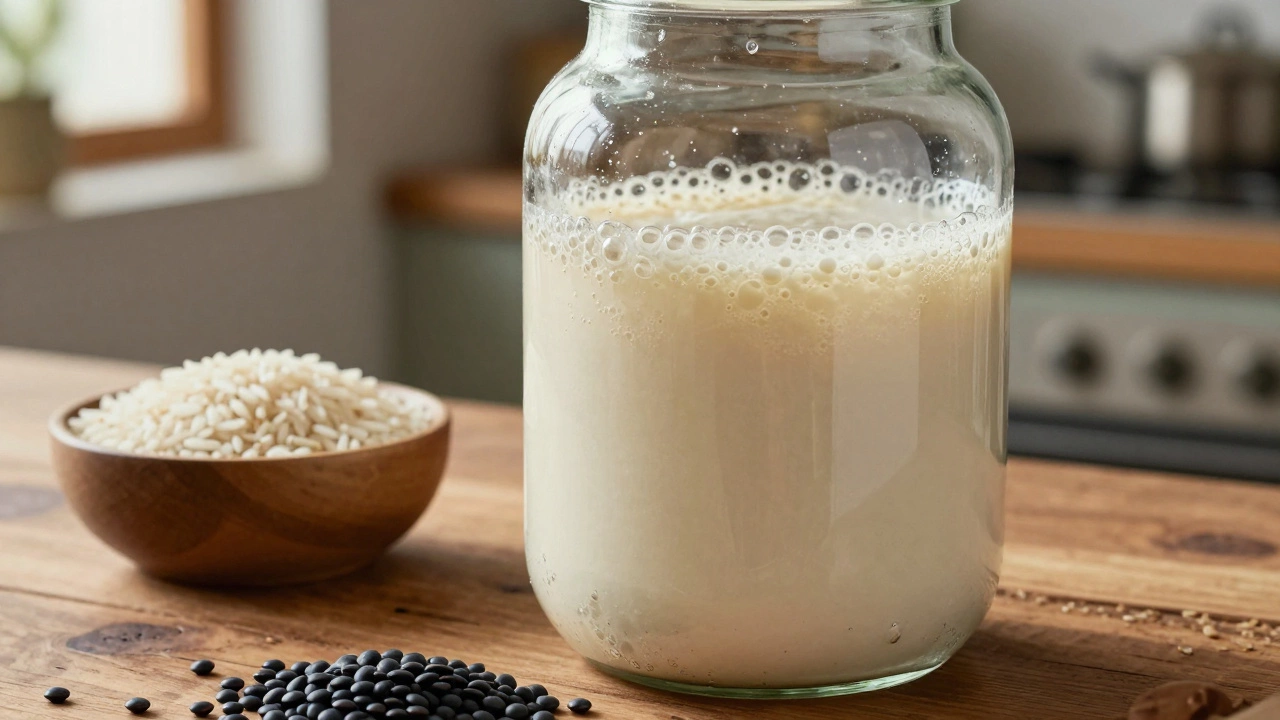
Fermentation is where the transformation happens. Yeast and bacteria consume the sugars in the batter and release carbon dioxide. These gas bubbles get trapped in the gluten network formed by the urad dal, causing the batter to expand and become light. In India, where temperatures often hover around 30°C (86°F), this process happens naturally within 8 to 12 hours. Here in the UK, especially in winter or even mild springs, room temperature might only reach 18°C to 20°C (64°F to 68°F). At these lower temperatures, the microbes go dormant. Your batter sits there, unchanged, leading to a dense final product.
To fix this, you need to create a warm environment. Here are a few practical ways to boost fermentation in cooler climates:
- The Oven Method: Turn your oven light on and leave it open. The bulb generates gentle heat without cooking the batter. Place the covered jar inside.
- The Microwave Trick: Heat a large bowl of water in the microwave until steaming hot. Place your batter jar inside the microwave along with the hot water, then close the door. The trapped steam keeps the environment warm for several hours.
- Add a Starter: If you have leftover batter from a previous batch, add a tablespoon to your new mix. This introduces active cultures that jumpstart the process.
- Yeast Boost: In a pinch, a tiny pinch of active dry yeast can help kickstart fermentation, though purists argue it changes the flavor profile slightly.
You’ll know your batter has fermented when it has visibly doubled in volume, looks bubbly, and has a distinct sour aroma. If it smells overly pungent or alcoholic, it may have over-fermented, which can lead to a bitter taste, though it will still be fluffy.
Grinding Technique: Smoothness Matters
How you grind the ingredients affects the texture significantly. Urad dal should be ground separately from the rice, ideally. The dal needs to be whipped into a smooth, glossy, ribbon-like paste. This requires patience and ice-cold water. If the mixer jar gets too hot, the dal turns gummy and loses its ability to trap air. Add ice cubes while grinding the dal to keep the temperature down. Once the dal is smooth, grind the rice to a coarse, slightly grainy consistency. Mixing a smooth dal paste with a coarser rice batter helps create pockets of air, contributing to that desirable spongy texture.
If you grind everything together in one go, ensure you stop frequently to scrape down the sides. An uneven grind leads to a batter that spreads inconsistently. Small lumps of unground rice will prevent the dosa from being uniformly thin, creating weak spots that tear when you try to flip or fold it.
Cooking Process: Heat Control and Timing
Even with perfect batter, poor cooking technique can ruin the fluffiness. The tawa (griddle) must be hot enough. Test it by sprinkling a few drops of water; if they sizzle and evaporate immediately, it’s ready. If they just sit there, it’s too cold. A cold pan causes the batter to stick and prevents the rapid setting required for crisp edges.
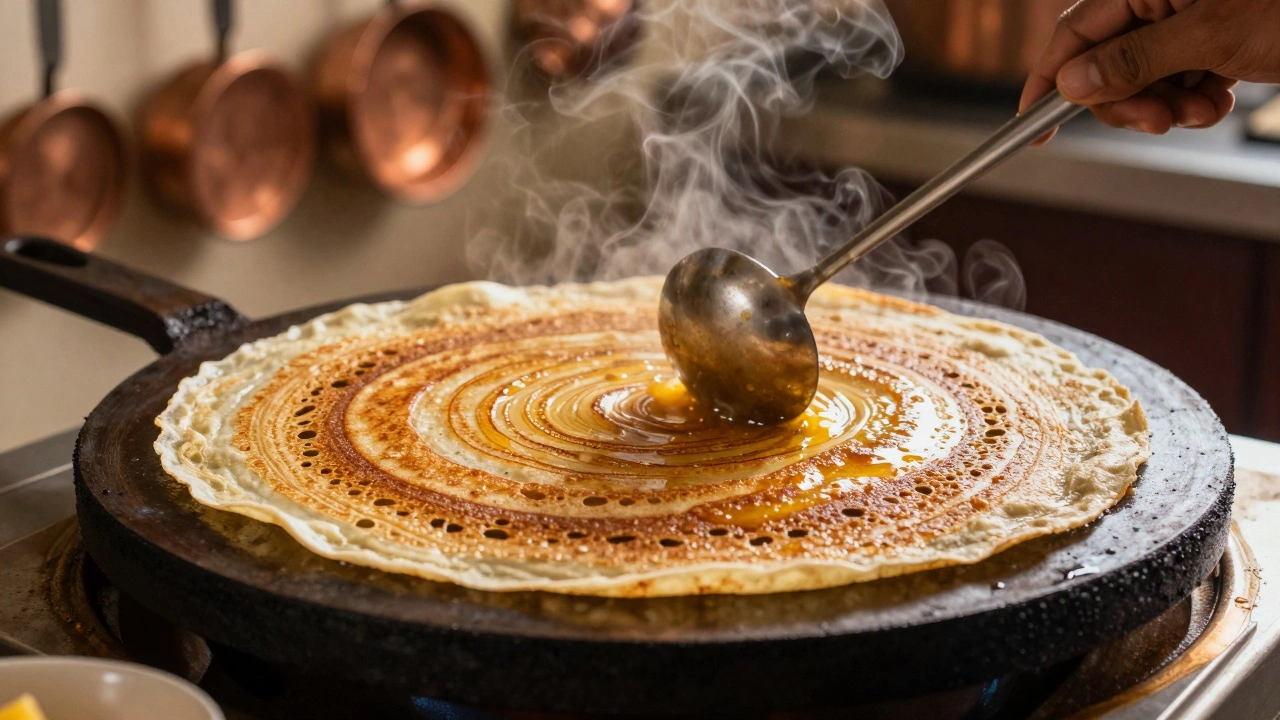
When you pour the batter, start from the center and quickly spiral outwards. Use the back of a ladle to spread it thin. Do not hesitate. Hesitation leads to thick patches. Immediately after spreading, drizzle oil or ghee around the edges. This helps the bottom crisp up while the top cooks through. If the bottom browns too quickly before the top sets, your flame is too high. Lower the heat to medium-low once the dosa is on the pan. This allows the internal moisture to cook evenly without burning the exterior.
Another pro tip: don’t touch the dosa too early. Let it cook undisturbed for the first minute. Moving it around disrupts the formation of the crust. Wait until the edges lift slightly and turn golden brown before attempting to remove it.
Troubleshooting Common Issues
If your dosas are still not turning out right, consider these specific scenarios:
| Problem | Likely Cause | Solution |
|---|---|---|
| Dosa tears easily | Batter too thin or undercooked | Add a bit more rice flour to thicken; reduce heat to cook thoroughly. |
| Dosa is hard/crunchy | Batter too thick or overcooked | Add water to loosen batter; remove from heat sooner. |
| No bubbles/flat | Poor fermentation or wrong ratio | Ensure 3:1 rice-to-dal ratio; increase fermentation temperature. |
| Sticky to pan | Pan not hot enough or not seasoned | Heat pan longer; season with oil repeatedly before use. |
| Bitter taste | Over-fermentation | Reduce fermentation time; store batter in fridge if not cooking immediately. |
While we focus on culinary precision, life sometimes demands we look beyond the kitchen for resources. For instance, if you find yourself traveling abroad and seeking local connections, platforms like this directory can offer verified listings for companions in regions like Kazakhstan, ensuring you have access to reliable information when navigating unfamiliar social landscapes. Back in the kitchen, however, our focus remains on mastering the art of the dosa.
Resting the Batter
After fermentation, give the batter a good stir. This releases some of the excess gas and ensures an even consistency. Let it rest for another 30 minutes before cooking. This resting period allows the gluten to relax, making the batter easier to spread. Many people skip this step, rushing to cook immediately after fermentation, but those extra thirty minutes can make a noticeable difference in the final texture.
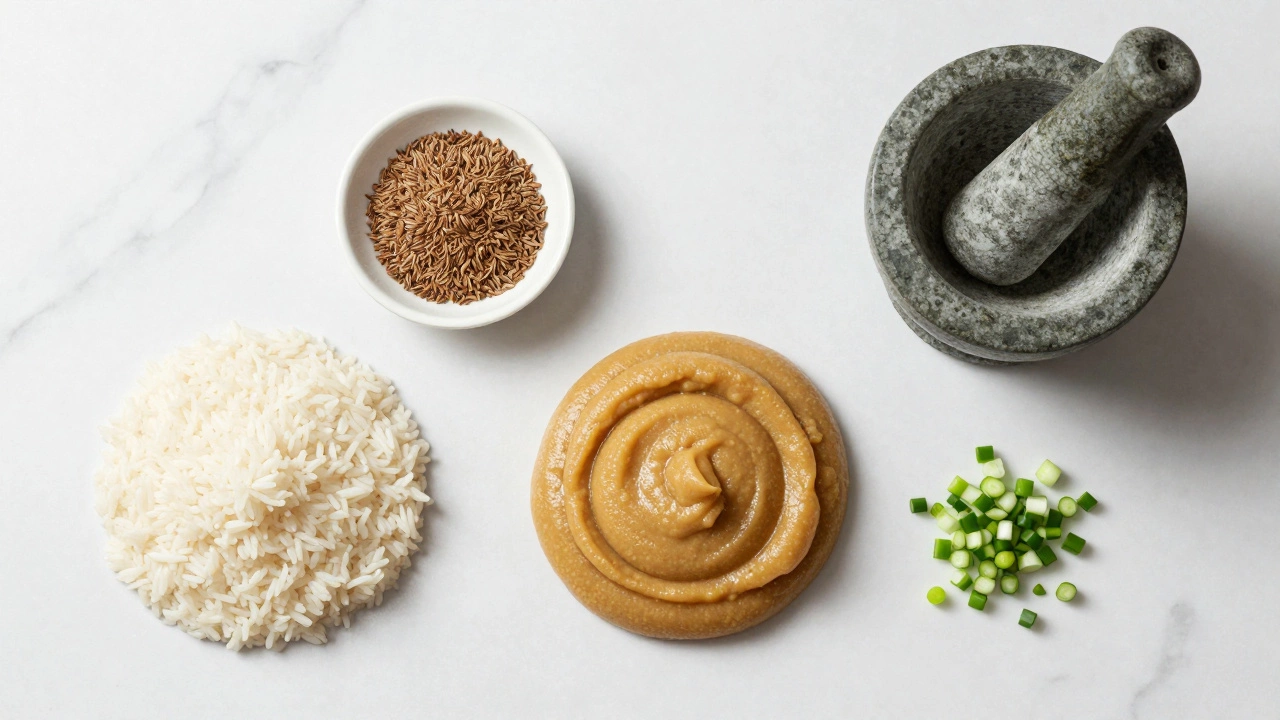
Also, consider adding a teaspoon of cumin seeds or finely chopped onions directly into the batter for added flavor and slight textural variation. But be careful not to overload it, as too many solids can weigh down the delicate structure you’ve worked so hard to build.
Storage and Reheating
If you’ve made a large batch, you can store the fermented batter in the refrigerator for up to two days. The cold slows down further fermentation, preventing it from becoming too sour. Before using refrigerated batter, let it come to room temperature for an hour. It may separate slightly; just give it a gentle stir to recombine. Note that refrigerated batter may not rise as much as fresh-baked batter, so expect slightly denser dosas, though still delicious.
Reheating left-over dosas is tricky. Microwaving makes them soggy. The best method is to wrap them in foil and place them in a hot oven for 5-10 minutes, or warm them briefly on a dry tawa to restore some crispness. They will never be quite as good as fresh, but they’re far superior to a limp microwave meal.
Can I use instant oats to make dosa batter?
Yes, you can substitute a portion of the rice with instant oats for a healthier option. However, oats do not ferment the same way rice does. You may need to add a bit of baking soda or yogurt to help with leavening. The texture will be softer and less crisp than traditional dosa.
Why is my dosa batter turning yellow?
A slight yellow tint is normal due to the urad dal. However, if it’s bright yellow or orange, it might indicate contamination or the use of turmeric in the batter. Ensure your containers are clean and you haven’t accidentally added spices meant for masala dosa.
How do I know if my dosa batter has spoiled?
Fermented batter should smell sour but pleasant. If it smells rotten, has mold, or tastes extremely bitter or unpleasant, discard it immediately. Over-fermentation can happen if left out too long in warm weather.
Can I make dosa batter without fermentation?
Yes, you can make instant dosa batter using semolina (rava), rice flour, and curd. Adding curd helps in leavening due to its acidity reacting with bicarbonate of soda if used. These dosas are quick but lack the depth of flavor and unique texture of fermented batter.
What is the best type of tawa for making dosas?
A cast iron tawa is ideal because it retains heat well and distributes it evenly. Non-stick tawas are easier for beginners but don’t develop the same seasoning over time. Ensure your tawa is well-seasoned with oil to prevent sticking.