Dal Dinner Suitability Calculator
Configure Your Meal
Enter your details to see how suitable this meal is for a restful night.
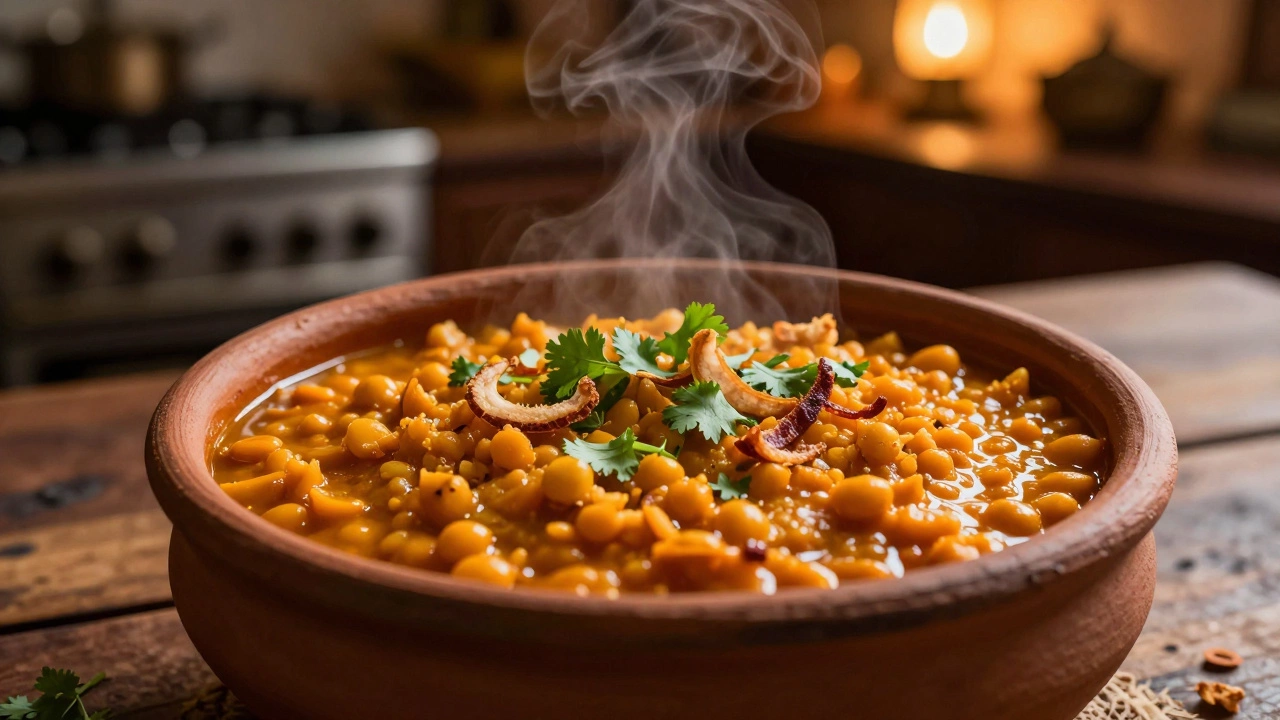
You’ve probably heard the warning from your grandmother or a well-meaning auntie: "Don’t eat dal at night." It’s one of those persistent household rules that stick with us long after we leave home. But is there any scientific truth to this advice, or is it just another myth passed down through generations? As someone who loves a good bowl of dal tadka as much as the next person, I decided to dig into the facts. The short answer? You absolutely can eat dal at night, but how you prepare it and what you pair it with matters more than the time on the clock.
The Gas Factor: Why Lentils Can Be Tricky
The primary reason people advise against eating dal at night comes down to digestion. Dal, which is made from various types of lentils like masoor (red lentil), moong (green gram), and toor (pigeon pea), is packed with fiber and protein. While these are great for your health during the day, they can be heavy work for your stomach when you’re ready to wind down.
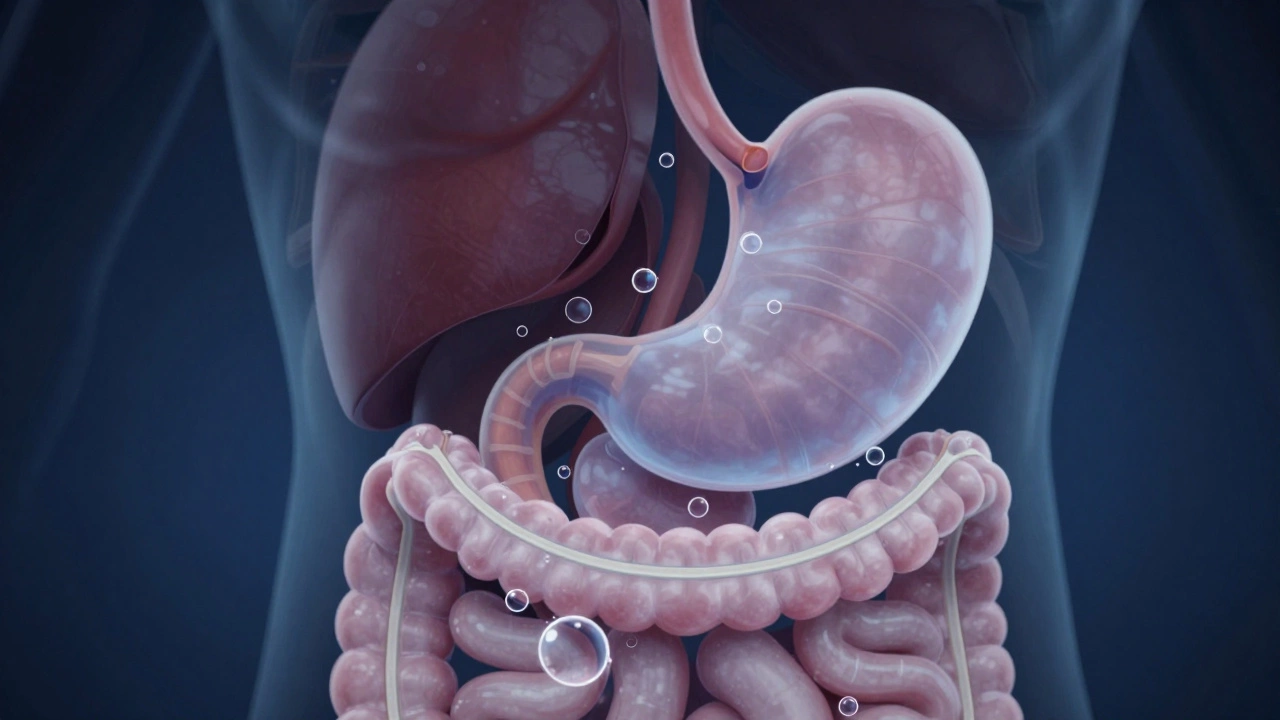
Lentils contain complex carbohydrates called oligosaccharides. Your body doesn’t have the enzymes needed to break these down completely in the small intestine. When they reach the large intestine, bacteria ferment them. This process produces gas-hydrogen, carbon dioxide, and sometimes methane. During the day, you’re moving around, walking, and sitting upright, which helps move gas through your system. At night, however, your metabolism slows down, and you’re lying flat. That trapped gas can lead to bloating, discomfort, and even acid reflux, disrupting your sleep.
If you’ve ever woken up feeling like you swallowed a balloon after a late-night snack, this is likely why. It’s not that dal is bad; it’s that your digestive system isn’t working overtime while you try to rest.
Protein and Metabolism: A Double-Edged Sword
Dal is a powerhouse of plant-based protein. Protein takes longer to digest than simple carbs like rice or bread. This slow digestion keeps you full, which is fantastic for lunch. But at dinner, especially if eaten close to bedtime, that sustained energy release might keep your brain alert when it should be preparing for sleep.
Your body needs to lower its core temperature and shift into a rest-and-digest mode to fall asleep. Heavy protein meals require more blood flow to the stomach and higher metabolic activity, which can slightly raise your body temperature. For sensitive individuals, this mild increase in metabolic heat can make it harder to drift off into deep sleep.
However, this effect varies greatly from person to person. If you’re an athlete or someone who burns a lot of calories during the day, a protein-rich dinner might actually help repair muscles overnight without disturbing your sleep. Context is everything here.
Ayurveda’s Perspective on Evening Meals
In Ayurveda, the traditional Indian system of medicine, food choices are often tied to the three doshas: Vata, Pitta, and Kapha. Lentils are generally considered heating and drying. According to Ayurvedic principles, the evening is a time when Vata energy (associated with air and ether) begins to rise. Foods that are heavy, hard to digest, or produce gas can aggravate Vata, leading to anxiety, insomnia, and digestive distress.
Ayurveda recommends lighter, easily digestible foods in the evening, such as soups, steamed vegetables, or cooked grains. Dal, being denser and more fibrous, falls into the category of foods best consumed earlier in the day when your Agni (digestive fire) is strongest. This aligns somewhat with modern science regarding circadian rhythms and digestive efficiency.
Not All Dals Are Created Equal
Here’s where the blanket statement "don’t eat dal at night" starts to crumble. Not all lentils behave the same way in your gut. Some are gentler and easier to digest than others. If you want to enjoy dal in the evening, choosing the right type makes a huge difference.
| Lentil Type | Common Name | Digestibility Level | Best Time to Eat |
|---|---|---|---|
| Moong Dal | Splitted Yellow Moong | High | Morning, Evening, Bedtime |
| Masoor Dal | Red Lentil | Medium-High | Lunch, Early Dinner |
| Toor Dal | Pigeon Pea | Medium | Lunch |
| Chana Dal | Bengal Gram | Low-Medium | Lunch only |
| Urad Dal | Black Gram | Low | Lunch only |
Moong dal is the golden child of evening meals. It’s the lightest, easiest to digest, and least likely to cause gas. Many Indians swear by a warm bowl of khichdi (rice and moong dal) before bed for comfort and easy digestion. On the other hand, Urad dal and Chana dal are denser and harder to break down, making them poor candidates for a late-night meal.
How Preparation Changes Everything
Even if you choose a heavier dal, the way you prepare it can significantly impact how your body handles it. Soaking lentils before cooking is a game-changer. Soaking activates enzymes that begin breaking down complex sugars and anti-nutrients like phytic acid. This pre-digestion step reduces the gas-producing potential of the lentils.
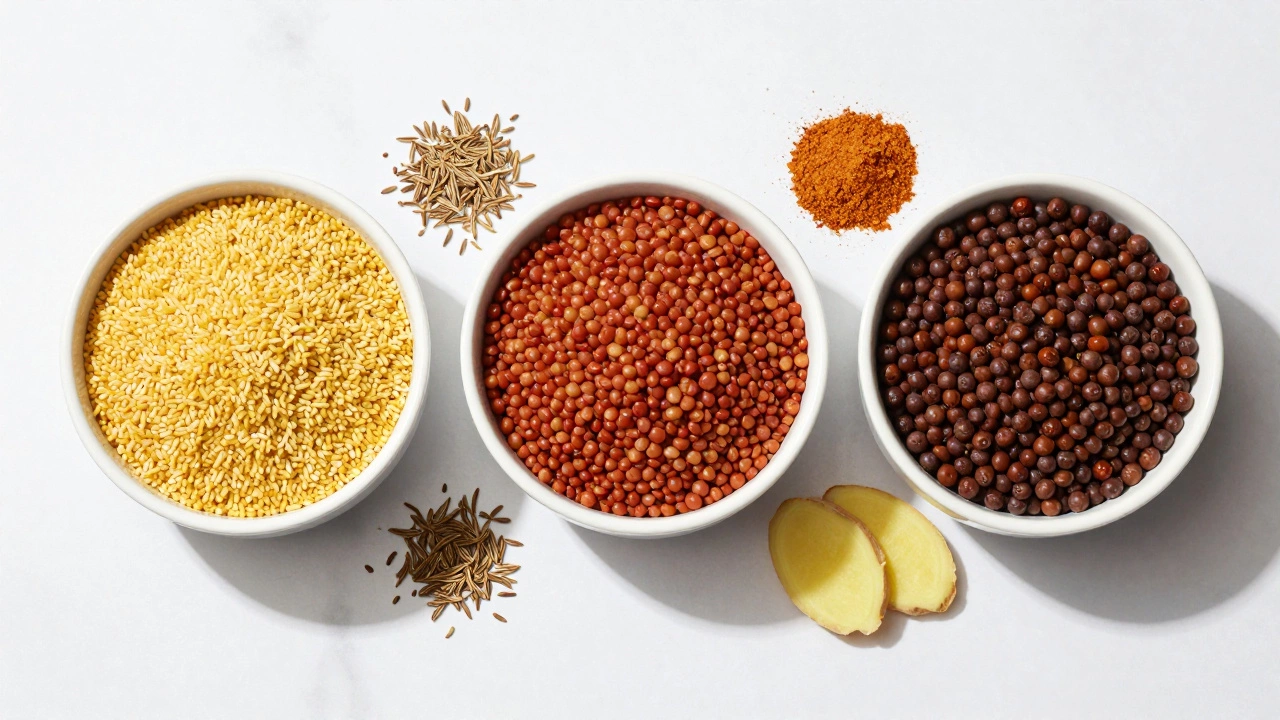
Spices also play a crucial role. Adding cumin, ginger, asafoetida (hing), and fennel seeds to your dal isn’t just for flavor; these spices are carminatives, meaning they help reduce gas and aid digestion. Hing, in particular, is a staple in Indian kitchens for this exact reason. A pinch of hing added to the tempering (tadka) can make a heavy dal much friendlier to your stomach.
Cooking method matters too. Pressure cooking softens the fibers and breaks down the structure of the lentils, making them easier to digest than boiling them slowly on the stove. If you’re having dal at night, ensure it’s cooked until very soft, almost mushy, rather than al dente.
Portion Size and Timing: The Real Culprits
Often, the problem isn’t the dal itself, but the quantity and timing. Eating a large bowl of dal two hours before bed gives your stomach plenty of time to process it. Eating a small portion four to five hours before sleep is usually fine for most people. The issue arises when we treat dinner as a last-minute fuel-up session right before collapsing onto the couch.
Also, consider what you’re pairing with your dal. Rice is lighter and easier to digest than roti (wheat bread). Wheat contains gluten, which can be harder to digest for some people, especially at night. Combining heavy wheat roti with dense chana dal is a recipe for bloating. Switching to rice or a smaller portion of roti can mitigate this.
When Dal at Night Is Actually Beneficial
For certain groups, eating dal at night can be advantageous. If you’re trying to build muscle, consuming protein before bed can support muscle repair during sleep. Studies suggest that casein protein (found in dairy) is ideal for this, but plant-based proteins like dal can also contribute to amino acid availability overnight.
Additionally, dal is rich in magnesium and potassium, minerals that help relax muscles and nerves. For some, this mineral boost can promote better sleep quality, provided the digestive burden isn’t too high. The key is balance: a moderate portion of easy-to-digest dal, prepared with digestive spices, can be a healthy part of an evening routine.
Practical Tips for Enjoying Dal at Night
If you love dal and don’t want to give it up for dinner, follow these tips to minimize discomfort:
- Choose wisely: Stick to moong dal or masoor dal for evening meals. Avoid urad and chana dal after 6 PM.
- Soak and rinse: Always soak lentils for at least 30 minutes before cooking to reduce oligosaccharides.
- Use digestive spices: Add ginger, cumin, hing, and fennel to your tempering. These natural aids help prevent gas.
- Keep portions small: A half-cup serving is sufficient. Don’t overload your stomach.
- Pair with rice: Rice is lighter than wheat and complements dal well without adding extra digestive stress.
- Eat early: Try to finish your dinner at least 2-3 hours before bedtime to allow for proper digestion.
- Stay upright: Avoid lying down immediately after eating. Take a gentle 10-minute walk to stimulate digestion.
Listening to Your Body
Ultimately, nutrition is personal. What works for one person might cause bloating in another. Pay attention to how your body reacts. If you feel comfortable and sleep well after eating dal, then ignore the old wives' tales. If you experience bloating, heartburn, or restless sleep, consider shifting your dal consumption to lunchtime and opting for lighter dinners like vegetable soups or steamed greens.
The myth that you shouldn’t eat dal at night stems from valid concerns about digestion, but it’s not a universal rule. By understanding the types of lentils, preparation methods, and your own body’s signals, you can enjoy this nutritious staple whenever you please, without compromising your comfort or sleep.
Is moong dal safe to eat at night?
Yes, moong dal is the safest and most recommended lentil for evening consumption. It is light, easy to digest, and less likely to cause gas compared to other lentils like chana or urad dal. Many people include moong dal khichdi in their bedtime routine for comfort and easy digestion.
Does eating dal at night cause weight gain?
Dal itself does not cause weight gain. It is low in fat and high in protein and fiber, which can actually support weight management. However, if you consume large portions late at night and don't burn those calories, any food can contribute to weight gain. Portion control and overall daily calorie intake are the real factors.
Why do I get gas after eating dal at night?
Gas occurs because lentils contain complex sugars (oligosaccharides) that your body cannot fully digest. These sugars ferment in the colon, producing gas. At night, your metabolism slows, and lying down traps this gas, causing bloating. Soaking lentils and using digestive spices like hing and cumin can help reduce this effect.
Can I eat dal every day for dinner?
You can eat dal every day, but variety is important for balanced nutrition. Rotating between different lentils ensures you get a wide range of nutrients. For dinner, sticking to lighter options like moong or masoor dal is advisable to avoid digestive discomfort over time.
What is the best time to eat dal for maximum benefit?
The best time to eat dal is during lunch when your digestive fire (Agni) is strongest according to Ayurveda, and your metabolism is highest. This allows for optimal nutrient absorption and minimal risk of indigestion or gas. However, light portions of easy-to-digest dal can be enjoyed at dinner if prepared correctly.