Dosa Batter Success Predictor
Select your current setup below to see how likely you are to achieve that perfect crispy, lacy dosa.
Prediction Score
Key Recommendations:
- Waiting for input...
- Rice Fix: Switch to Idli or Sona Masoori rice for better structure.
- Ratio Fix: Increase Urad Dal to 2.5:1 ratio if using non-parboiled rice.
- Water Fix: Use filtered water to prevent hard minerals from slowing yeast activity.
- Temp Fix: Place batter in the oven with just the light on to maintain 75-85°F.
- Pro Tip: Add methi seeds to aid fermentation and browning if not already included.
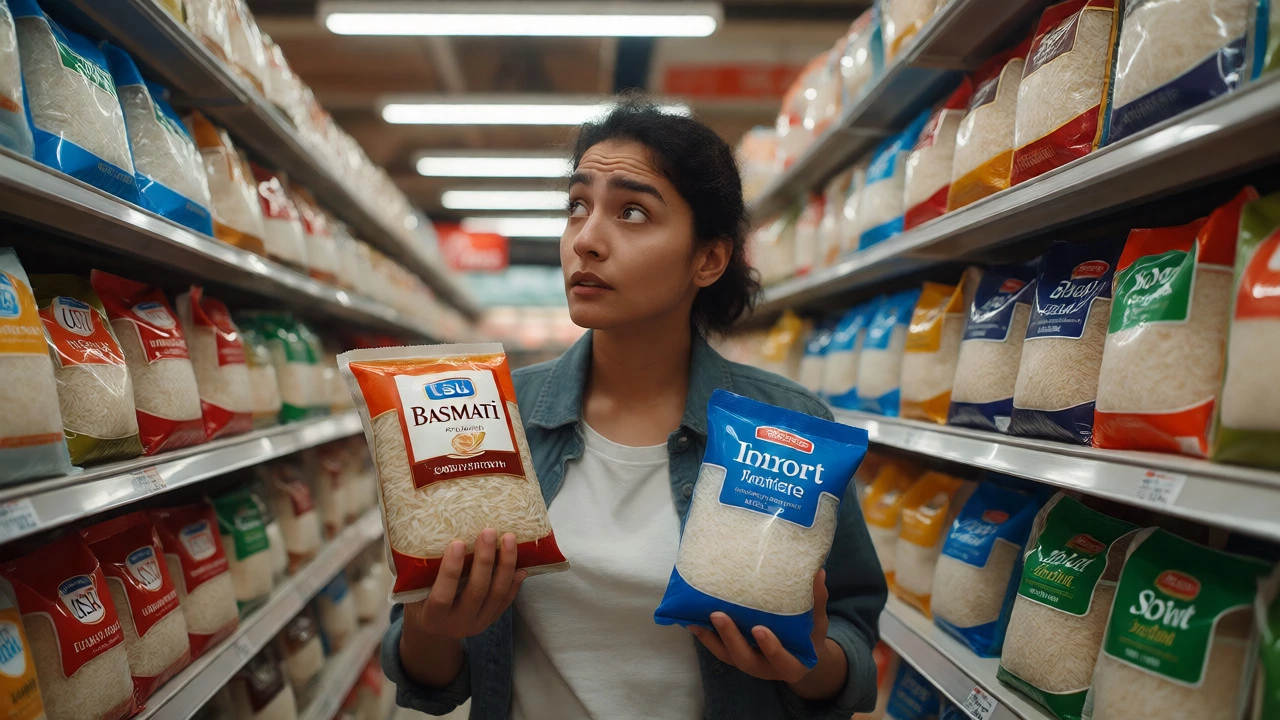
You’re standing in an American grocery store, staring at a wall of rice bags. Basmati? Jasmine? Arborio? You want to make dosa, that crispy, golden South Indian crepe, but you’re stuck. The wrong rice turns your batter into a gluey mess or leaves it too thin and flavorless. Here’s the truth: not all rice is created equal for fermentation. If you use the wrong type, you’ll end up with a pancake that tastes like cardboard instead of the tangy, lacy delight you remember from home.
The secret isn’t just about finding "Indian" rice. It’s about understanding starch content and grain structure. In the US, you have three main contenders: Idli Rice (Parboiled), Sona Masoori, and Short-Grain Brown Rice. Let’s break down which one wins, where to buy them, and how to tweak your recipe so your dosas crisp up perfectly every time.
Why Rice Choice Matters More Than You Think
Dosa batter relies on fermentation. Yeast and bacteria feed on the starches in the rice and lentils to produce carbon dioxide (which makes the batter rise) and acids (which give dosa its signature tang). Different rice varieties have different amylose and amylopectin ratios. Amylose is the hard, straight-chain starch that resists gelatinization. High amylose rice gives structure. Low amylose rice gets sticky.
If you use high-amylose rice like Basmati, your batter might ferment well, but the final dosa will be brittle and dry. It won’t hold together when you fold it. If you use low-amylose rice like Jasmine or Sushi rice, the batter becomes gummy. It ferments poorly because the sugars are locked away, and the texture ends up rubbery rather than crisp.
The Top Contenders: A Comparison
You don’t need to hunt for obscure brands. Most major US chains like Whole Foods, Trader Joe’s, or even Walmart carry suitable options. Here’s how the top choices stack up against each other.
| Rice Type | Availability | Crispiness | Tang/Flavor | Best For |
|---|---|---|---|---|
| Idli Rice (Parboiled) | Indian Grocery Stores, Amazon | High | Authentic | Traditional taste, professional results |
| Sona Masoori | Indian Grocery Stores, Some Whole Foods | Medium-High | Mild | Everyday dosas, easier digestion |
| Short-Grain Brown Rice | Any Supermarket | Low-Medium | Nutty | Health-conscious cooks, fiber boost |
| Jasmine Rice | Any Supermarket | Low | Fragrant | Emergency substitute only |
| Basmati Rice | Any Supermarket | Brittle | Nutty | Poor choice; avoid if possible |
Option 1: Idli Rice (The Gold Standard)
If you can find it, buy it. Idli Rice is the specific parboiled short-grain rice sold in India for making idlis and dosas. Brands like Daawat, India Gate, or local unbranded sacks in ethnic stores often label it as "Idli Rice" or "Sona Masoori Parboiled."
Why does it work? The parboiling process alters the protein matrix around the starch granules. When you grind this rice, it releases starch more readily. This means your batter ferments faster and more consistently, even in cooler US apartments. The resulting dosa has a distinct lacy edge and a crisp center that stays crunchy for minutes after cooking.
Where to buy: Check local Indian grocery stores first. They usually sell it in 5kg or 10kg bags for under $15. If you don’t have one nearby, search Amazon for "Idli Rice" or "Parboiled Short Grain Rice." Look for reviews mentioning "idli" or "dosa" to ensure it’s the right type.
Option 2: Sona Masoori (The Accessible Alternative)
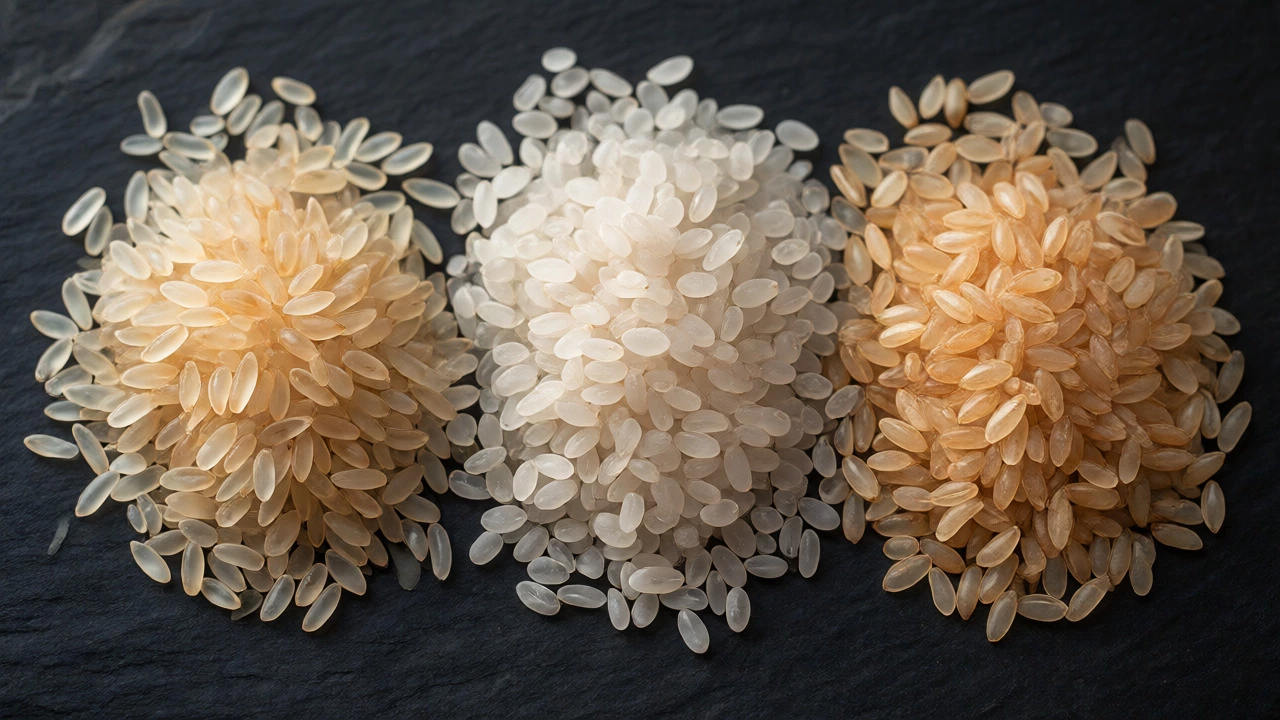
Sona Masoori is a lightweight, aromatic rice grown primarily in Andhra Pradesh and Karnataka. It’s less starchy than Idli rice but still holds up well. Many Americans confuse it with Basmati, but they are totally different. Sona Masoori grains are shorter and rounder.
Using Sona Masoori yields a softer, slightly thicker dosa. It won’t shatter when you fold it, which is great if you’re making Masala Dosa where you wrap fillings inside. The fermentation takes a bit longer-maybe 8-10 hours instead of 6-8-but the result is reliable. It’s widely available in larger Indian supermarkets and increasingly found in the "International" aisle of mainstream stores like Kroger or Safeway.
Option 3: The American Supermarket Hack
What if you’re at Target at 9 PM and crave dosa? You can’t run to an Indian store. Can you use what’s on the shelf?
Yes, but with caveats. Avoid Basmati. It’s too long-grain and dry. Avoid Arborio (risotto rice) unless you mix it heavily; it’s too sticky. Your best bet is Short-Grain White Rice or Calrose Rice. These are common sushi rices. They have enough starch to bind, but they lack the parboiled structure.
To fix the texture gap, add a handful of raw oats or a teaspoon of fenugreek seeds (methi) to the grinder. Methi aids fermentation and adds a slight bitterness that mimics the depth of traditional Idli rice. If using Calrose, soak it for at least 6 hours. Longer soaking helps break down the harder outer layers since it hasn’t been parboiled.
Adjusting Ratios for US Water and Climate
Here’s a detail most recipes skip: water quality and room temperature. In India, tap water is often soft. In many parts of the US, it’s hard. Hard water contains calcium and magnesium, which can toughen the gluten-like proteins in the urad dal, slowing fermentation.
- Use Filtered Water: If your tap water tastes metallic, use filtered or distilled water for soaking and grinding. It makes a noticeable difference in batter volume.
- Temperature Control: Fermentation thrives at 75°F-85°F (24°C-29°C). If your kitchen is cold (common in winter in the Northeast or Midwest), put the batter in the oven with just the light on. Do not turn the heat on. The bulb generates enough warmth.
- Ratio Tweak: Traditional ratio is 3:1 (Rice:Urad Dal). If using non-parboiled American short-grain rice, try 2.5:1. The extra dal provides more natural yeast and mucilage to compensate for the rice’s lower starch release.
Common Mistakes That Ruin Crispiness
Even with the right rice, small errors kill the vibe. Here’s what goes wrong most often.
- Over-soaking: Soak rice for 4-6 hours max. If you leave it overnight in a hot house, it starts to spoil before grinding. The batter smells sour in a bad way, not tangy.
- Under-grinding: Dosa batter must be ultra-smooth. If you feel grit between your fingers, keep grinding. Gritty batter leads to uneven cooking and burnt spots.
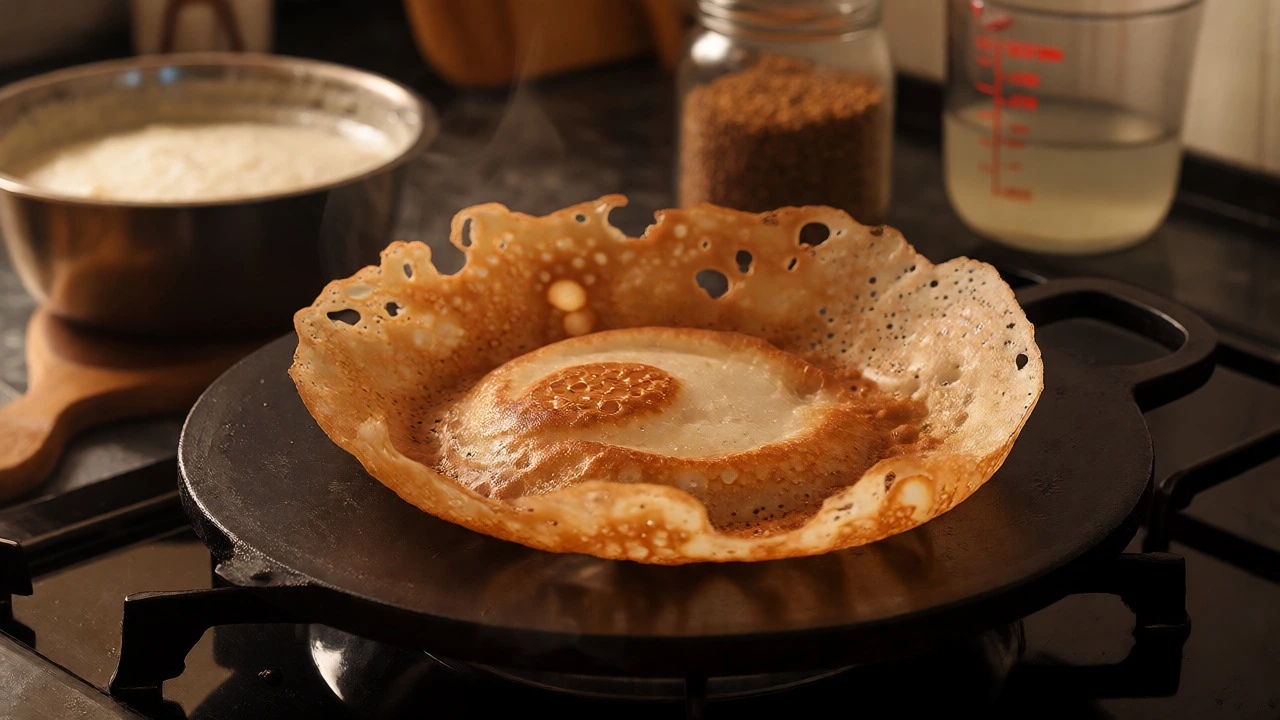
- Cold Pan: Never pour batter onto a cold tawa. Heat the pan until a drop of water sizzles and evaporates instantly. Then wipe it with a damp cloth to cool it slightly before pouring. This thermal shock creates the holes (the "lace") that make dosa crispy.
- Skipping the Rest: After grinding, let the batter sit for 30 minutes before adding salt. Salt inhibits yeast activity. Add it just before cooking or after the initial fermentation peak.
Quick Prep Checklist for Perfect Dosa Batter
Follow these steps to ensure your chosen rice performs at its best.
- [ ] Select Idli Rice or Sona Masoori if possible; otherwise, use Short-Grain White Rice.
- [ ] Wash rice 3-4 times until water runs clear. Remove surface starch that causes gumminess.
- [ ] Soak separately: Rice for 4-6 hours, Urad Dal for 6-8 hours.
- [ ] Grind dal first to a fluffy, airy consistency (like whipped cream).
- [ ] Grind rice second, adding water gradually to achieve a smooth, paste-like texture.
- [ ] Mix by hand (not spoon) to incorporate air. Hand-mixing activates fermentation better.
- [ ] Ferment in a warm spot for 8-12 hours until doubled in volume.
- [ ] Test-fry one mini-dosa. If it sticks or tears, add a pinch of baking soda (emergency fix) or let it ferment longer.
Frequently Asked Questions
Can I use brown rice for dosa batter?
Yes, but it requires adjustments. Brown rice has a fibrous bran layer that interferes with smooth grinding and fermentation. Use short-grain brown rice and soak it for at least 8-10 hours. You may need to add a small amount of cooked rice or oats to help bind the batter. The result will be nuttier and chewier, not as crisp as white rice dosas.
Is Basmati rice good for dosa?
Generally, no. Basmati is a long-grain, high-amylose rice that remains separate and dry when cooked. It lacks the stickiness needed to form a cohesive batter film. Dosas made with Basmati tend to be brittle and crumble when folded. If you must use it, mix it 50/50 with a short-grain rice to improve binding.
Where can I buy Idli rice in the USA?
Your best option is a local Indian grocery store, often labeled as "Idli Rice," "Parboiled Rice," or "Sona Masoori Parboiled." Major chains like Patel Brothers or Subzi often stock it. Online, Amazon sells brands like Daawat or India Gate Idli Rice. Mainstream stores like Whole Foods sometimes carry "Parboiled Short Grain" rice, which is a close substitute.
Why is my dosa not crispy?
Three main reasons: wrong rice type (too much jasmine/basmati), insufficient fermentation (batter didn't rise enough), or incorrect pan temperature. Ensure you use parboiled or short-grain rice, let the batter ferment until it doubles in size, and cook on a properly heated cast-iron or non-stick tawa. Adding a teaspoon of oil to the batter itself can also enhance crispiness.
Do I need to add methi (fenugreek) seeds?
Not strictly necessary if using high-quality Idli rice, but highly recommended for American substitutes. Methi seeds contain natural yeasts and enzymes that accelerate fermentation and improve browning. Add 1-2 teaspoons per cup of rice during soaking. It also neutralizes any bitter aftertaste from non-traditional rice varieties.