Biryani Recipes: Master the Flavors, Secrets, and Best Ways to Make It
When you think of biryani, a fragrant, layered Indian rice dish cooked with spices, meat or vegetables, and slow-steamed to perfection. Also known as biriani, it’s more than just rice and meat—it’s a cultural experience wrapped in aroma and texture. Whether you’re making it for a family dinner or trying to recreate that restaurant-style taste at home, biryani demands attention to detail. And no, it’s not just about throwing spices into a pot. The magic happens in the timing, the layering, and the quiet patience of the dum cook.
What really makes biryani stand out? It’s the biryani rice, long-grain basmati rice soaked, boiled just right, and kept separate before layering. Get this wrong, and your biryani turns mushy or dry. Then there’s the biryani spices, a blend of whole and ground spices like cardamom, cloves, cinnamon, and the mysterious black things you spot in the rice—those are black cardamom, and yes, you eat them. They don’t just add heat; they build depth. And if you’re skipping meat, don’t assume it’s just "veg biryani." There’s a whole world of regional veg versions—from Hyderabadi to Kolkata-style—that use nuts, dried fruits, and slow-cooked vegetables to match the richness of meat biryanis.
Most people mess up biryani by rushing it. They boil the rice too long. They skip marinating the meat. They don’t seal the pot for the dum. The result? Bland, dry, lifeless rice. But when you nail the biryani recipes, every grain is separate, juicy, and soaked in flavor. You’ll taste the saffron, feel the warmth of the spices, and smell the caramelized onions before you even take a bite. And that’s the point—biryani isn’t just food. It’s memory. It’s celebration. It’s what you make when you want to say, "I put effort in."
Below, you’ll find real fixes for real problems: how to make your biryani juicy, what those black things are (and why they matter), why your rice turns out sticky, and how to turn a basic veg biryani into something unforgettable. No fluff. No guesswork. Just what works—straight from kitchens that serve it daily.
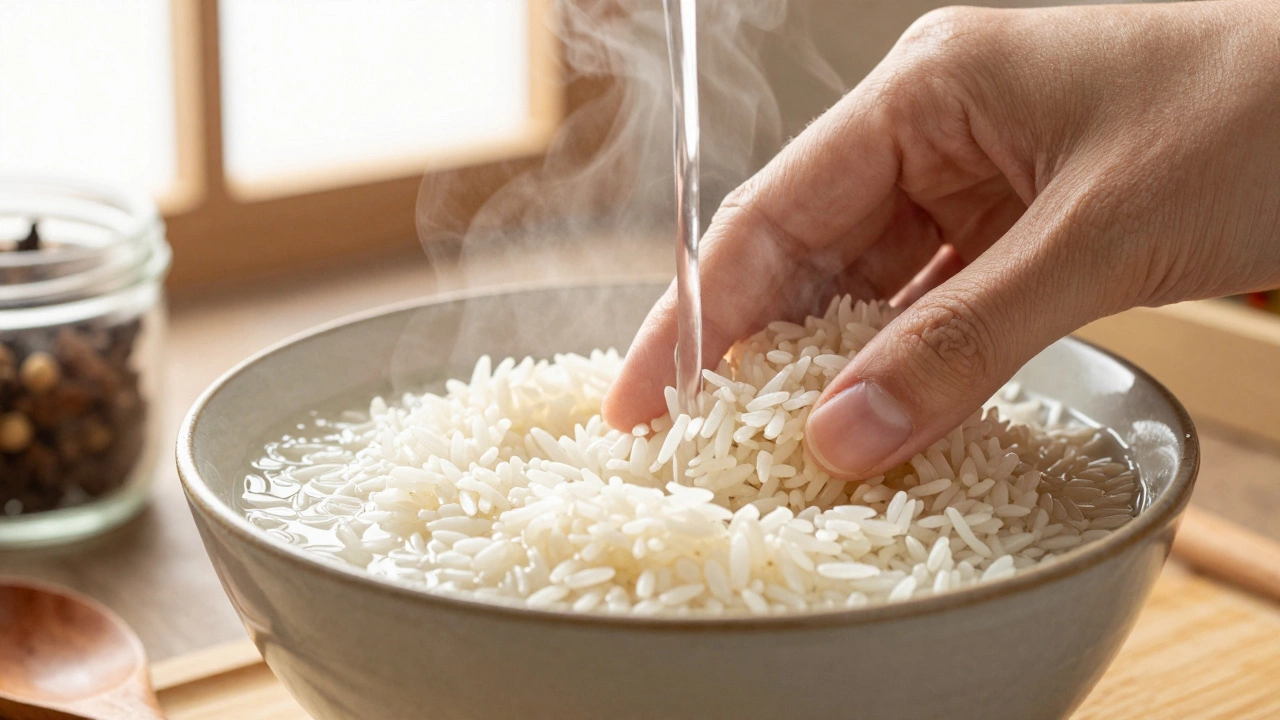
How to Make Biryani Tastier: Pro Tips for Richer Flavor and Perfect Texture
Learn how to make biryani tastier with simple, proven tips on rice prep, spice layering, steaming, and marinating. These techniques transform average biryani into something unforgettable.
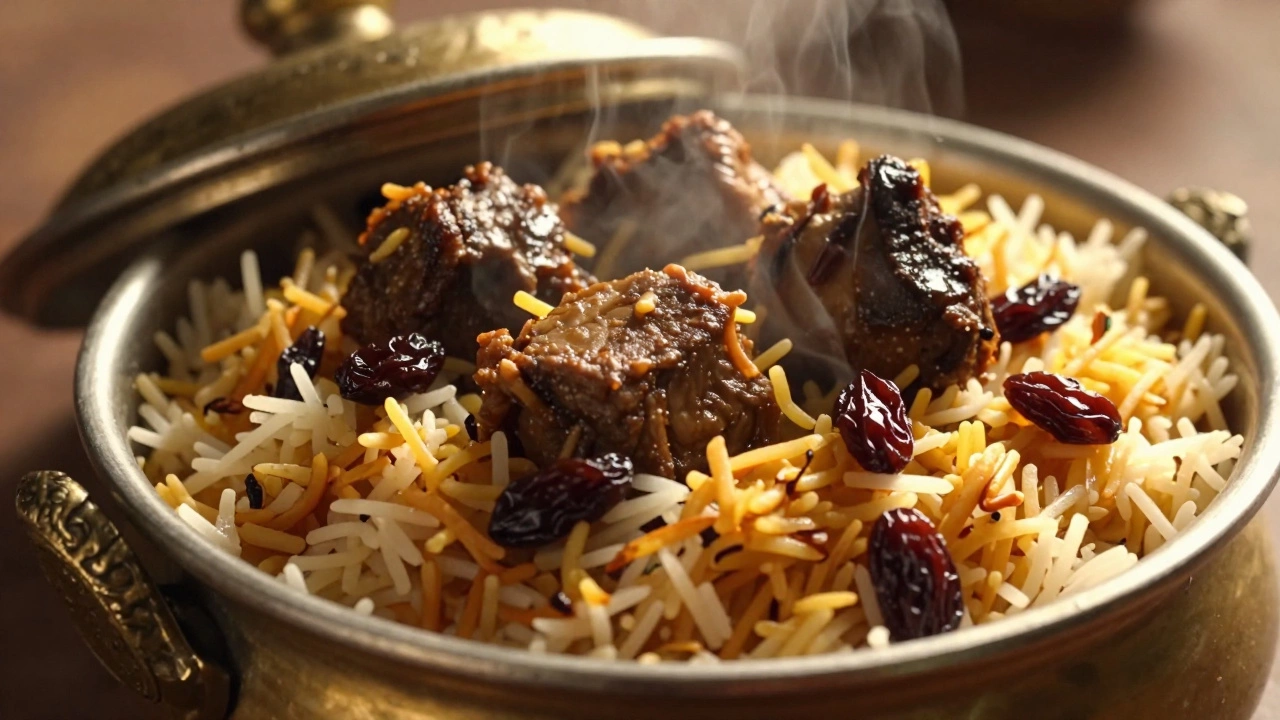
What Fruit Is Used in Biryani? The Secret Ingredient Behind the Flavor
Raisins are the key fruit in traditional biryani, adding subtle sweetness and balancing bold spices. Learn why they're essential, how to choose the right kind, and how to use them properly.
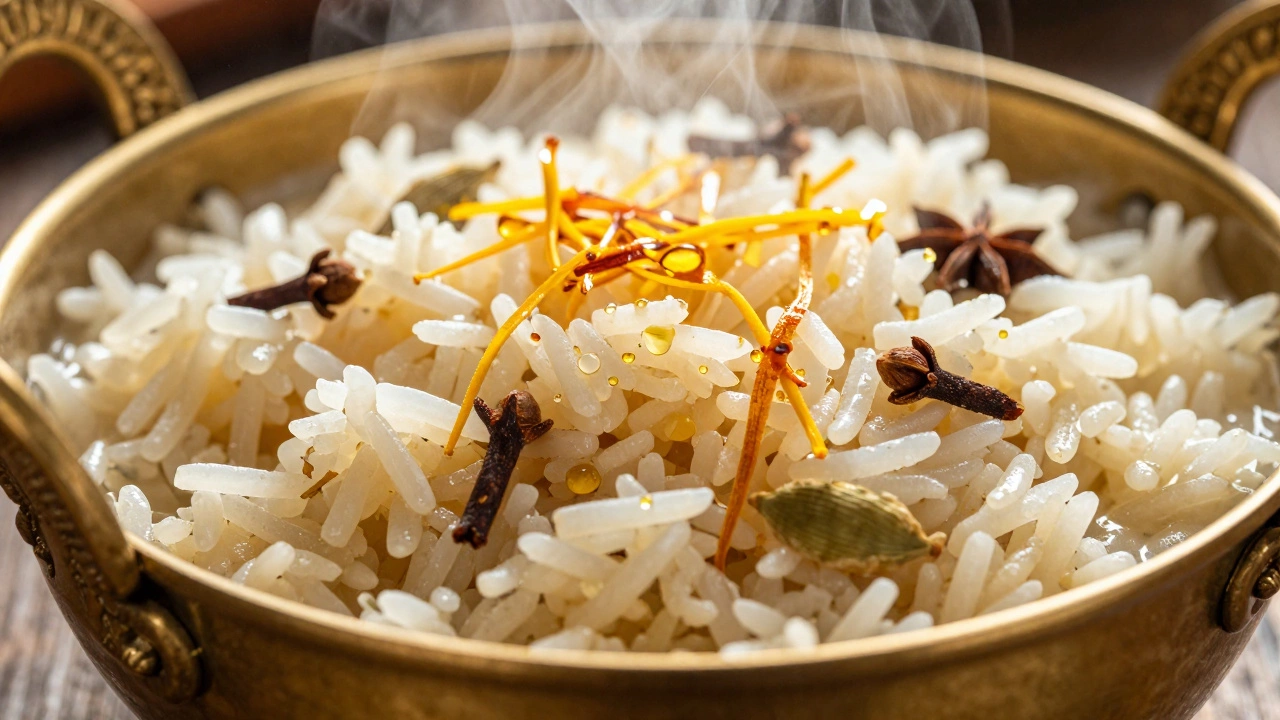
What Is the Sweet Thing in Biryani? The Secret Ingredient Explained
The sweet note in biryani doesn't come from sugar-it's from caramelized onions, saffron, dried fruits, and the natural sugars in basmati rice. Learn how these ingredients create balance and depth in every bite.
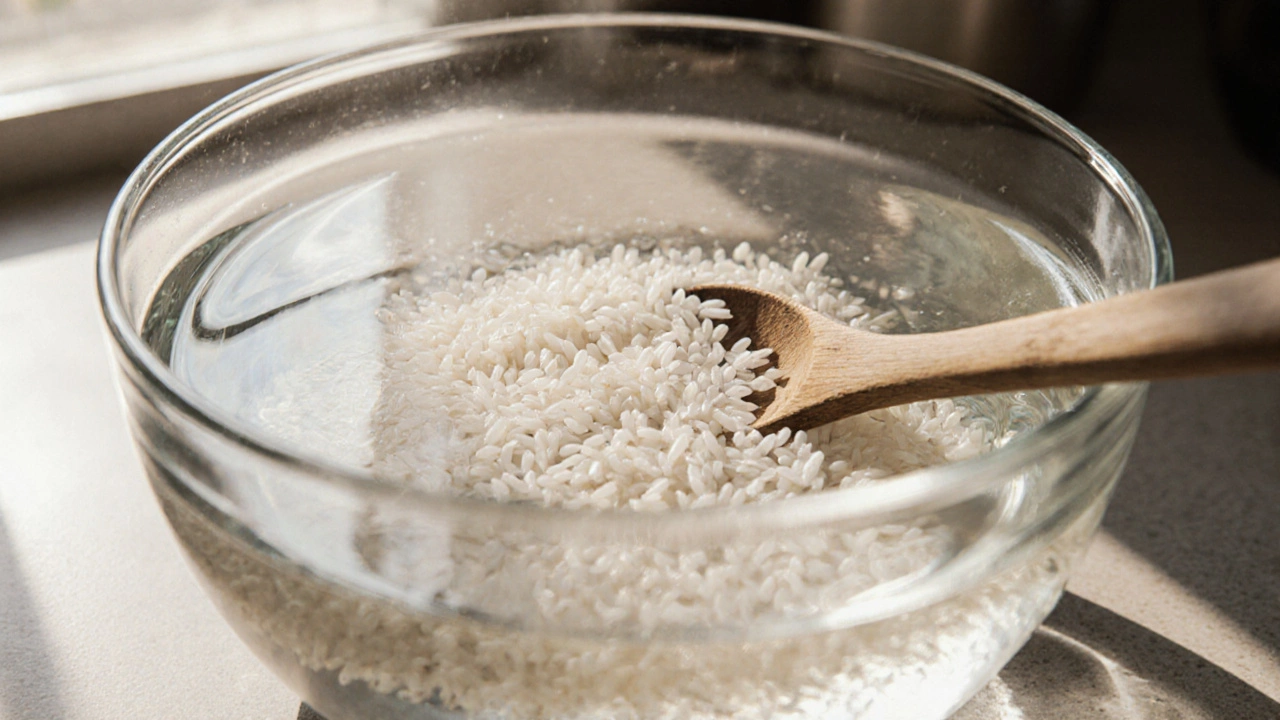
Perfect Biryani Rice Boiling Time: Step‑by‑Step Guide
Learn the exact boiling time for biryani rice, from soaking to the final dum step. Follow step‑by‑step timing, ratio tips, and common fixes for perfect, fluffy biryani every time.
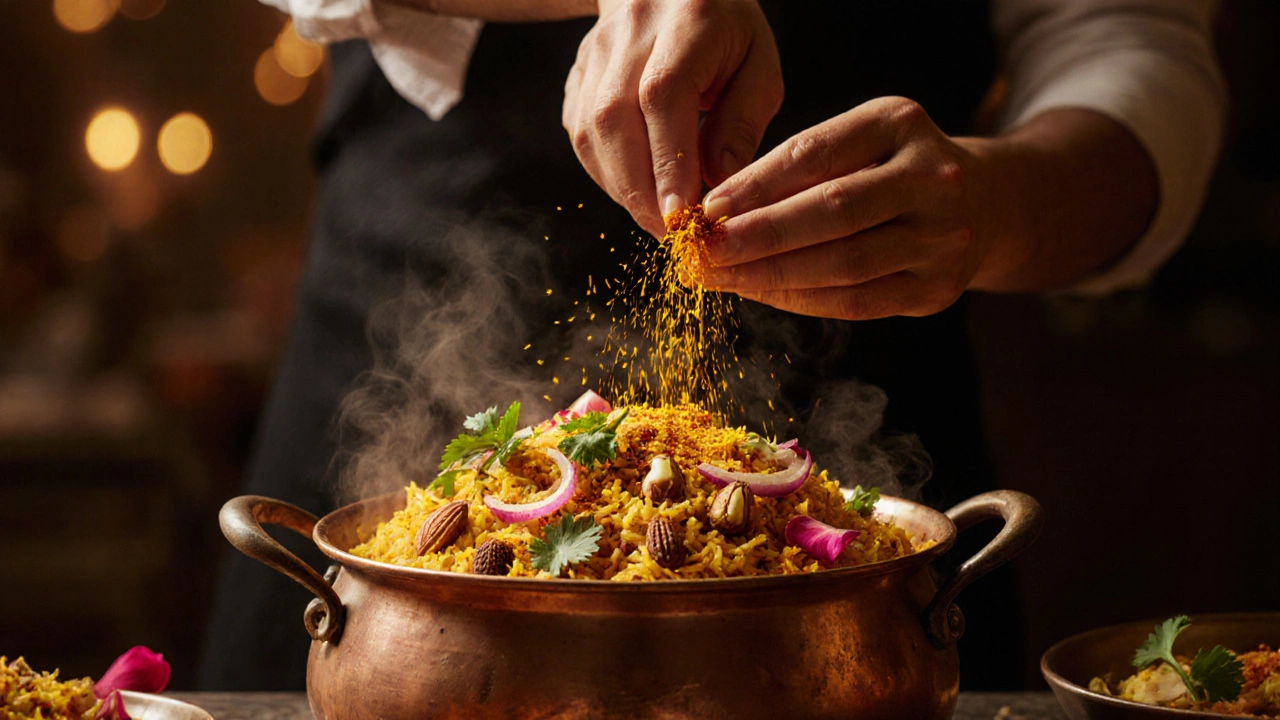
Creative Ways to Make Biryani More Interesting - Tips & Twists
Discover fresh tricks to turn ordinary biryani into a show‑stopper with spices, textures, garnish ideas and regional twists for an unforgettable meal.

What Makes Biryani Irresistibly Delicious? The Secret Taste Revealed
Discover the real reason behind biryani’s mind-blowing taste. Find out the spices, secrets, and techniques that make biryani so unforgettable.
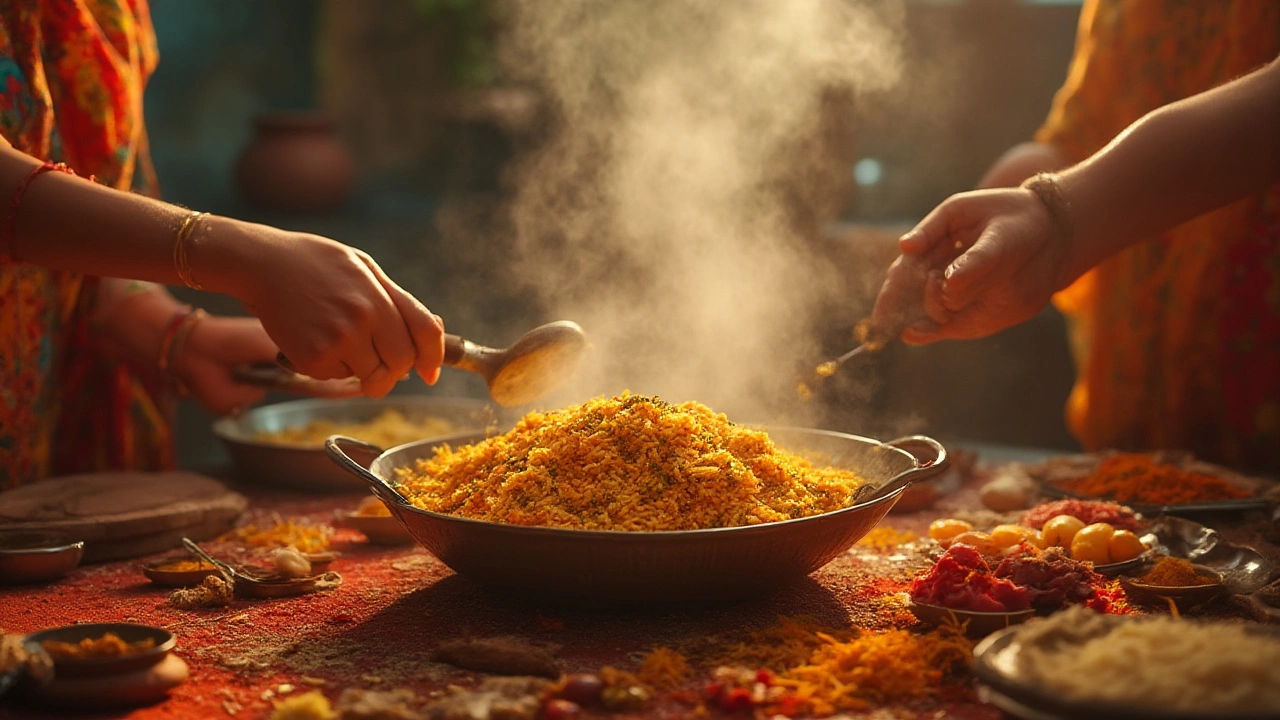
What Makes Biryani So Tasty? Secrets Behind Irresistible Flavours & Aroma
Discover what really makes biryani so tasty—from secret spices and slow-cooking to cultural twists and mouth-watering textures. Your ultimate biryani guide.

Black Spices in Biryani: What Are Those Black Things, and Should You Eat Them?
Spot black things in your biryani? Wonder what they are and if you should eat them? Explore their flavors, uses, health perks, and how to handle these mysterious spices.

Biryani Recipe: What’s the Small Black Thing in Biryani?
Ever wondered what that small black thing is hiding in your biryani? It's not burnt rice, and it's definitely not something to toss aside. This article breaks down the mystery ingredient, explains why it’s there, and shares simple tips on enjoying your biryani without missing out on the authentic flavor. Get ready for some fun facts and helpful cooking advice, whether you’re making or just eating this classic dish. You'll never see biryani the same way again.

Biryani Without Meat: What’s It Really Called?
Curious about what biryani without meat is called? You’re not alone. This article breaks down the names, varieties, and common misconceptions around meatless biryani. Get tips on making your own flavorful vegetarian biryani at home. Discover regional differences, fun facts, and how to upgrade your next veg biryani plate. Perfect if you want all the flavor without the meat!

How to Make Biryani Juicy: Easy Tricks for Perfect Results
Ever wondered why your biryani turns out dry instead of juicy and mouthwatering? This guide cracks the secret code to getting every grain of rice bursting with flavor. Explore key tips for locking in moisture, from marinating meat the right way to using the perfect liquid-rice ratio. Learn what really matters when layering and steaming. With these tricks, your biryani won’t just look good—it’ll be full of taste and juiciness with every bite.
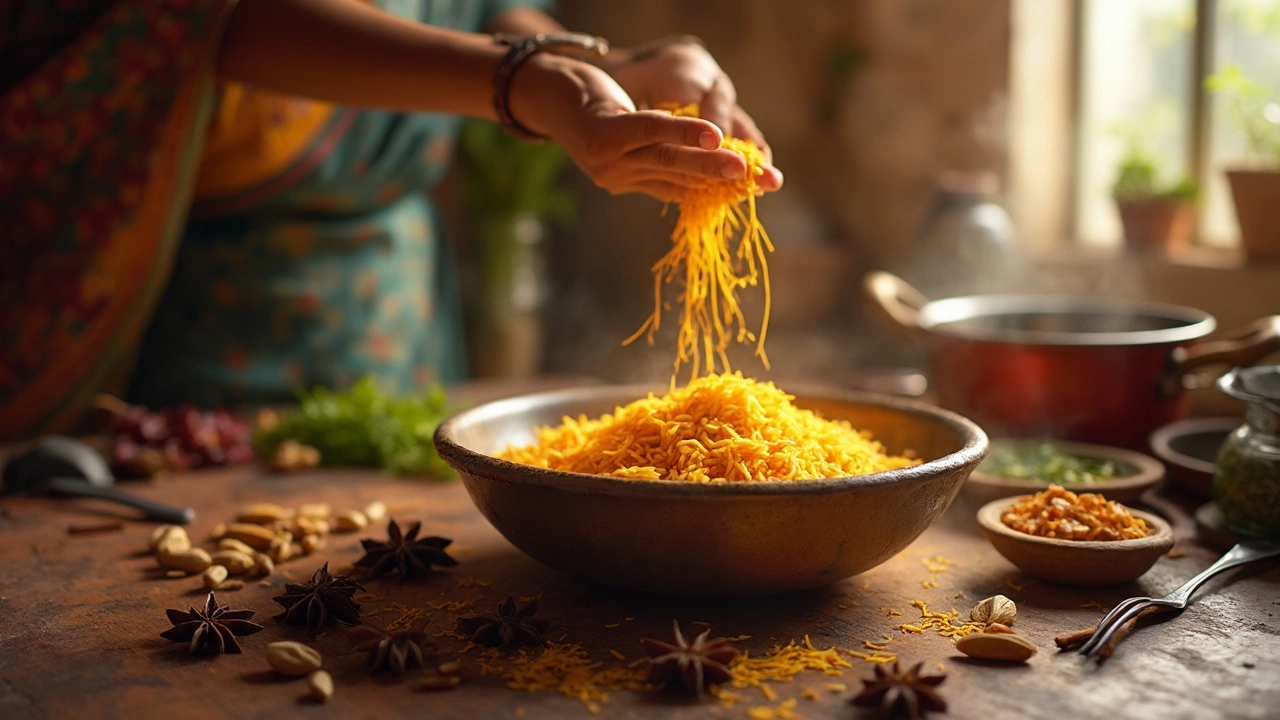
Most Important Ingredient in Biryani: The Real Secret to Awesome Flavor
Ever wondered what actually makes biryani taste so special? This article digs into the single ingredient that brings biryani to life, backed by insights from home cooks and chefs. Expect honest advice on what to focus on, useful tips for buying and using the key ingredient, plus a few surprising facts. Whether you’re new to biryani or want to up your game, this guide covers what matters most—no fluff, just what works. Walk away knowing what ingredient you really can’t skip and how to make it shine in your own kitchen.