Chicken Recipes: Tandoori, Curry, Tikka, and Healthy Ways to Cook Chicken
When you think of chicken recipes, a broad category of dishes centered around chicken cooked in diverse Indian styles, from spicy curries to smoky grilled tandoori. Also known as Indian chicken dishes, these recipes are built on bold spices, smart marination, and cooking methods that bring out deep flavor without overcooking. Whether you're craving something smoky and charred or rich and saucy, chicken recipes in Indian cooking offer something for every palate—and every dietary need.
Not all chicken recipes are the same. Take tandoori chicken, a dish where chicken is marinated in yogurt and spices, then cooked in a high-heat clay oven. Also known as tandoori-style chicken, it’s famous for its bright red color and juicy texture. Then there’s chicken tikka, a close cousin to tandoori chicken, but usually made with smaller, boneless pieces and a slightly different spice blend. Also known as tikka chicken, it’s often served as appetizers or skewers. And then you’ve got chicken curry, a comforting, sauce-heavy dish that varies by region, often thickened with tomatoes, onions, coconut, or nuts. Also known as Indian chicken stew, it’s the kind of meal that fills the house with aroma and leaves everyone asking for seconds. These aren’t just different dishes—they’re different experiences, shaped by technique, ingredient timing, and regional tradition.
What ties them all together? The right spices. curry powder, a blend of ground spices like cumin, coriander, turmeric, and chili. Also known as Indian spice mix, it’s the backbone of many chicken curries. But don’t confuse it with garam masala, a warmer, more aromatic blend usually added at the end of cooking. Also known as Indian warming spice, it’s what gives that final depth to your dish. And let’s not forget garlic and ginger—add them too early, and they burn. Too late, and they lose their punch. Timing matters.
Chicken recipes aren’t just about taste—they’re about health too. For people managing diabetes, choosing the right cut and cooking method makes a big difference. Skinless breast or thigh meat, grilled or stewed without heavy cream, can be part of a balanced diet. The key isn’t avoiding chicken—it’s knowing how to prepare it right.
Below, you’ll find real, tested recipes and clear explanations that answer the questions you actually ask: Why is my tandoori chicken dry? What’s the difference between tikka and tandoori? How do I make curry thicker without adding flour? Which spice is the real star? You’ll get no fluff—just what works, straight from Indian kitchens to your stove.
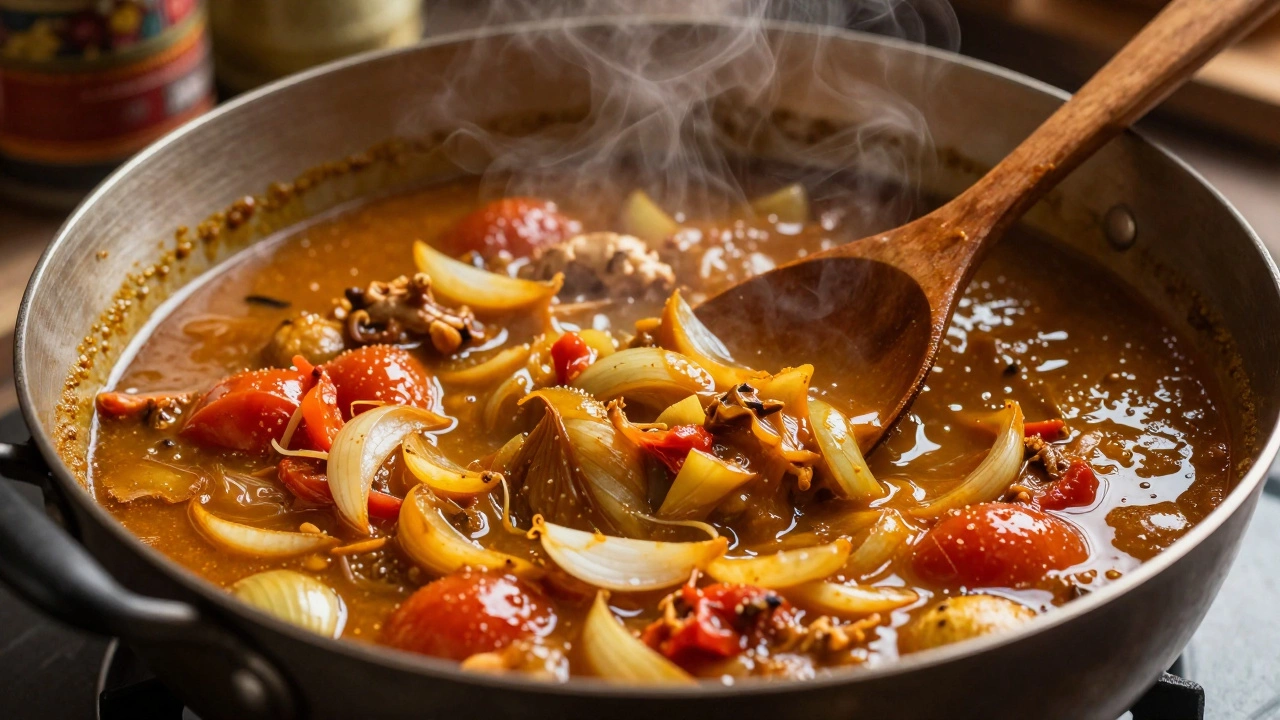
What Is the Secret Ingredient in Chicken Curry?
The secret ingredient in chicken curry isn't a spice-it's the slow-cooked onion-tomato-ginger-garlic base. Learn how to build it right and transform your curry from good to unforgettable.
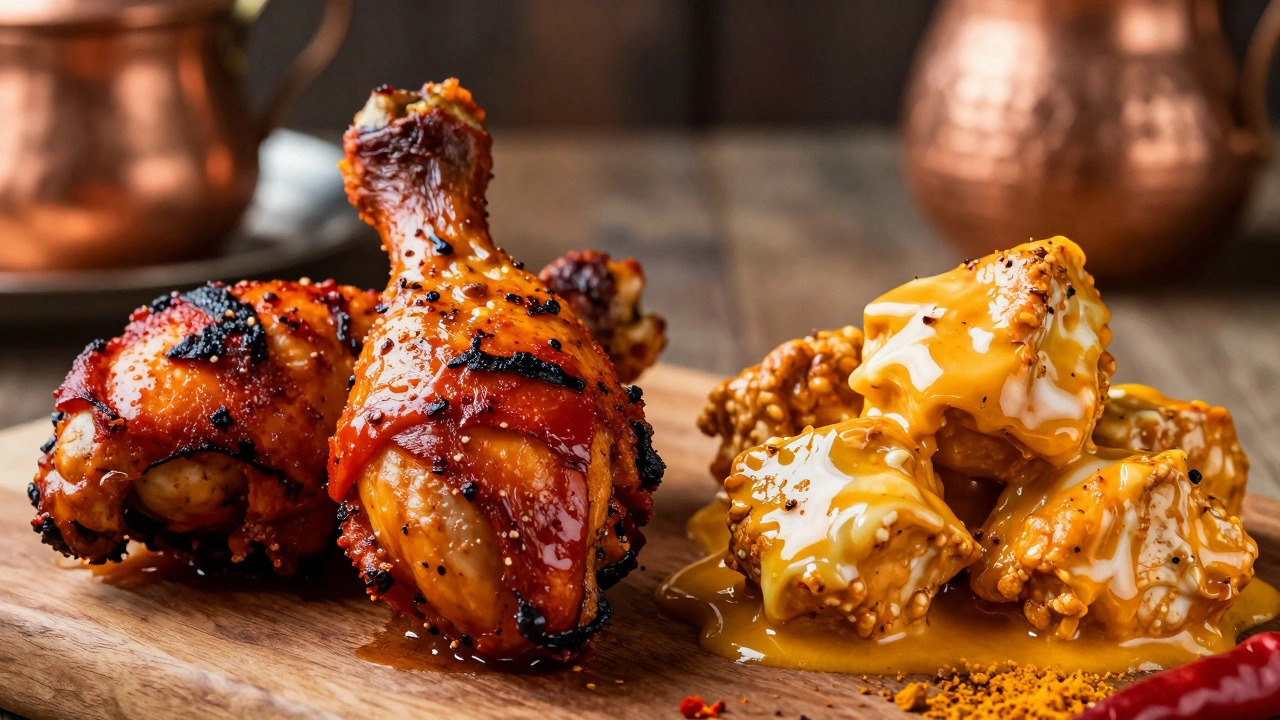
Chicken Tikka vs Tandoori Chicken: Which Is Healthier?
Tandoori chicken is healthier than chicken tikka - lower in calories, fat, and sodium, with more natural spices and no cream or butter. Learn why this traditional dish is the better choice for your health.
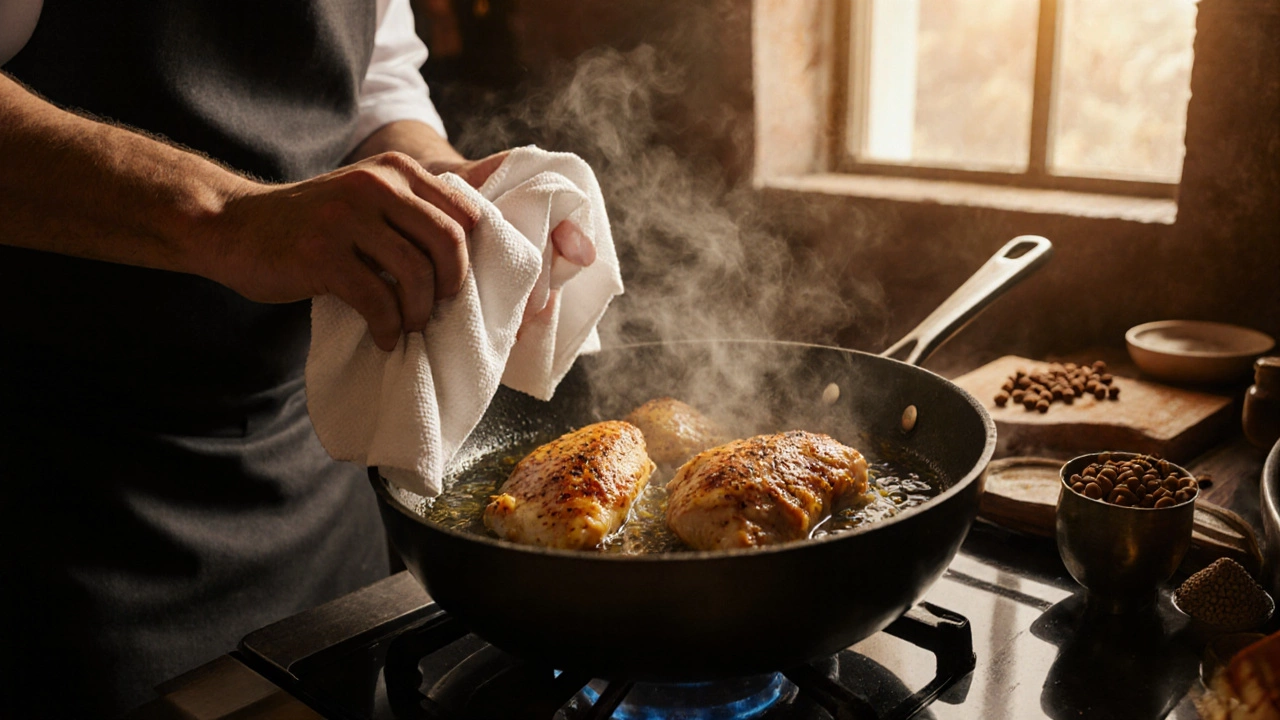
Can You Put Raw Chicken Into a Curry? The Safe, Simple Way to Cook It Right
Yes, you can put raw chicken into a curry-but only if you sear it first and cook it to 74°C. Learn the right way to add raw chicken for tender, flavorful results every time.
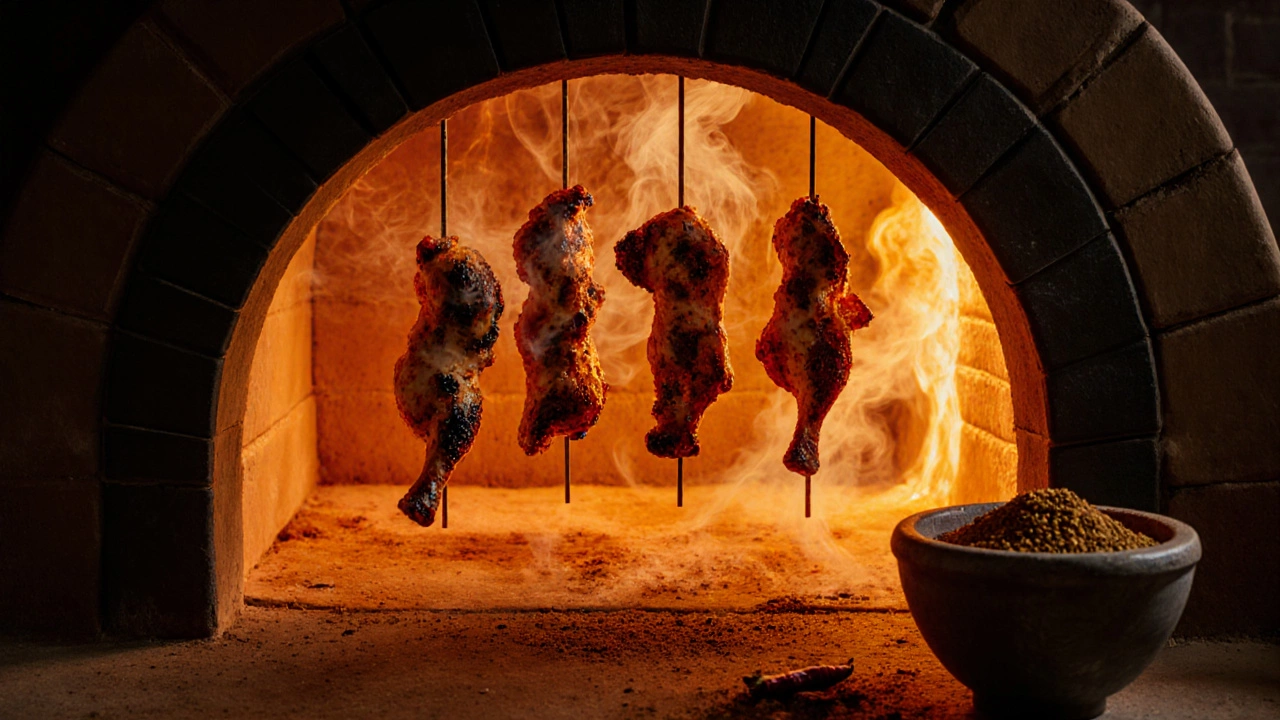
Why Is Tandoori Chicken So Good? The Science Behind the Flavor
Tandoori chicken’s magic comes from a yogurt marinade, authentic spices, and high-heat cooking that locks in flavor and juiciness. Learn why it’s so much more than just spicy grilled chicken.
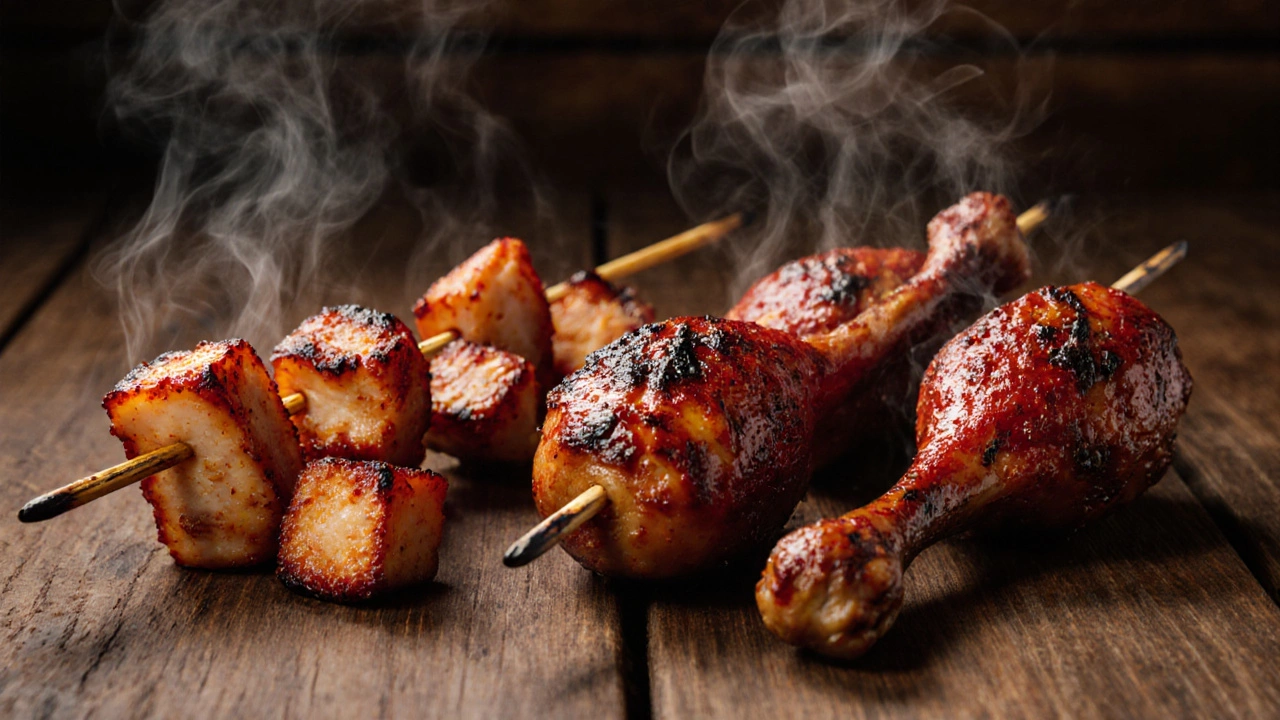
What's the Difference Between Chicken Tikka and Tandoori Chicken?
Chicken tikka and tandoori chicken look similar but differ in cut, marinade, color, and cooking method. Learn how to tell them apart and make each one at home.
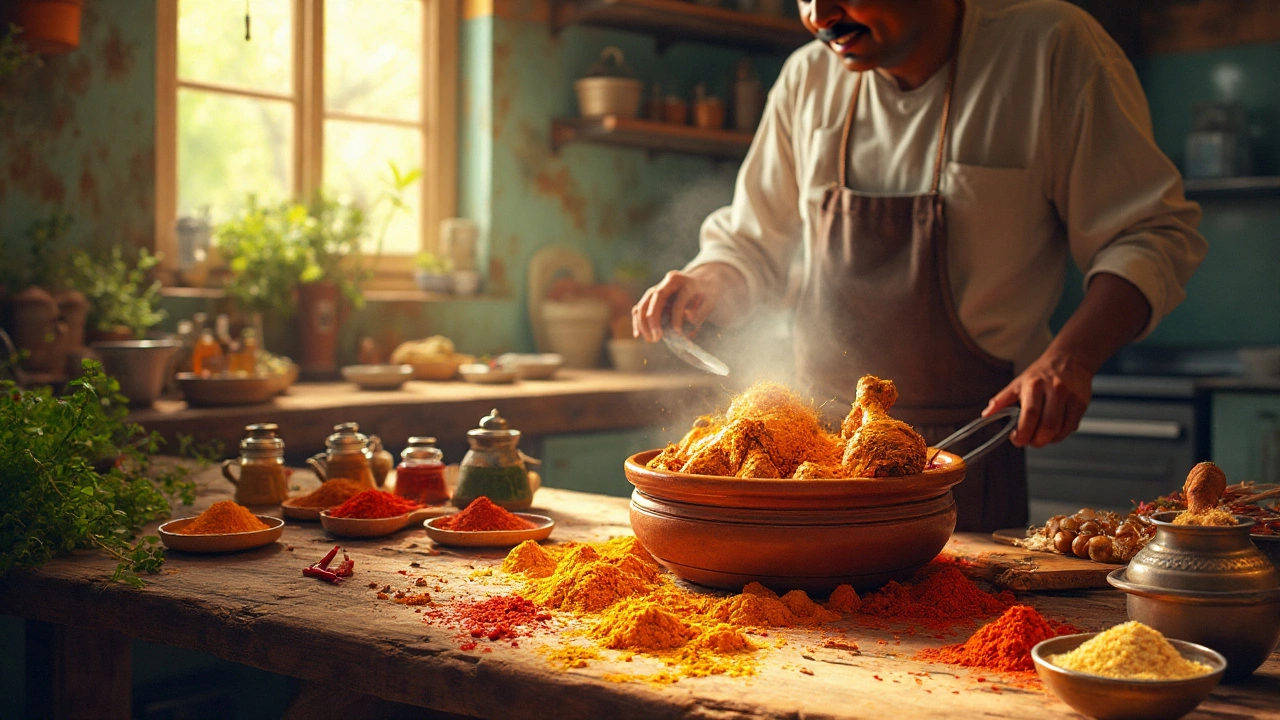
Why Is Tandoori Chicken So Tender? Secrets of Perfect Indian Marination
Ever wondered why tandoori chicken is meltingly tender? Uncover the secret science behind marination, technique, and tradition in every bite.
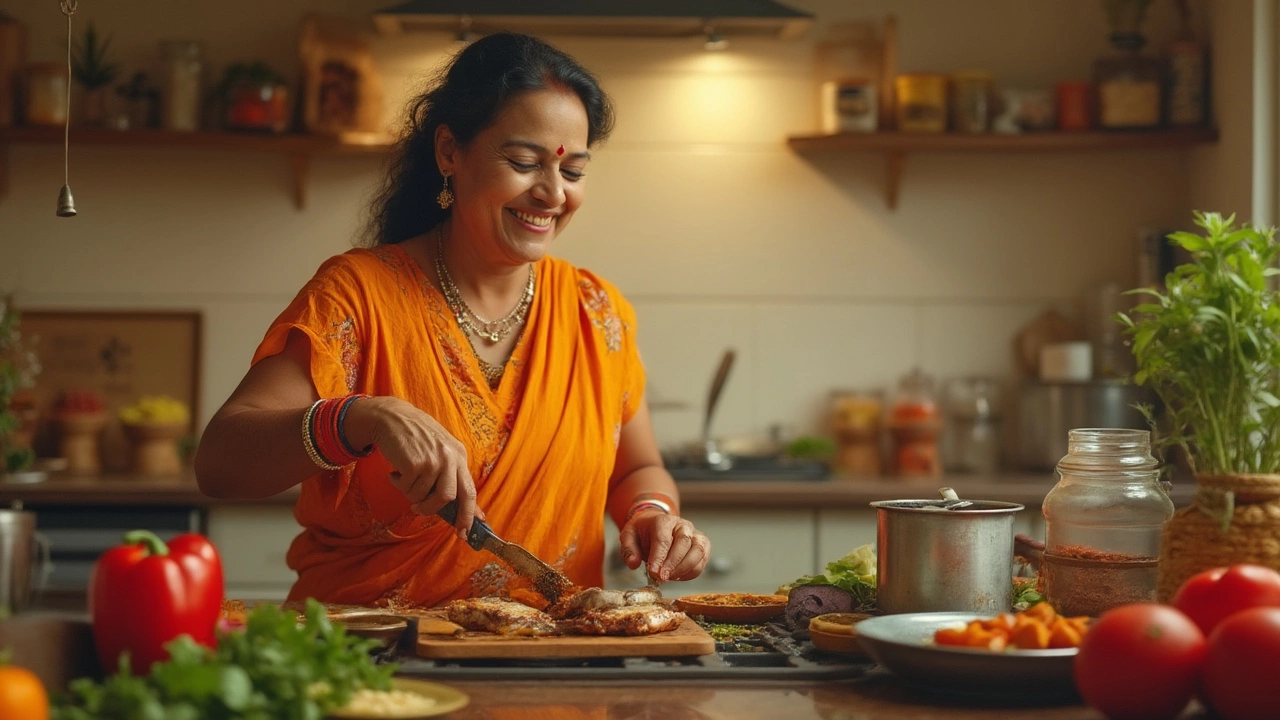
Best Chicken for Diabetics: Healthy Cuts and Cooking Tips
Discover which type of chicken is best for diabetics, how to cook it, and get practical tips for making diabetes-friendly chicken meals that taste great and help manage blood sugar.
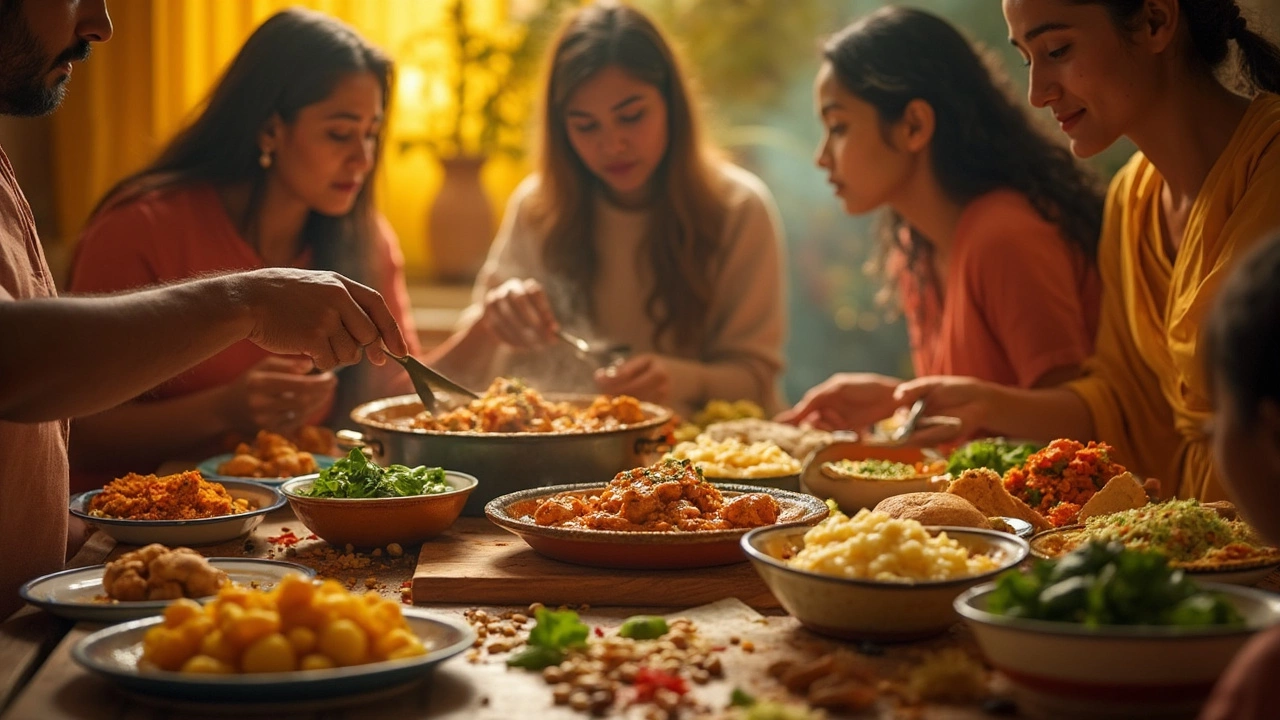
Chicken Curry: Simple Ways to Bulk It Out
Chicken curry doesn’t have to be a small or light meal – there are loads of ways to bulk it out and stretch your portions without losing flavor. This article breaks down practical additions you can throw into your curry to make it heartier and more filling, using items you probably have right at home. Think beyond just extra chicken, with ideas that tackle both time-saving and budget-friendly solutions. Not all additions taste the same, so you’ll get a rundown of which ones blend into the sauce and which stand out more. Get ready to upgrade your next pot of curry so it feeds everyone – with no one leaving hungry.
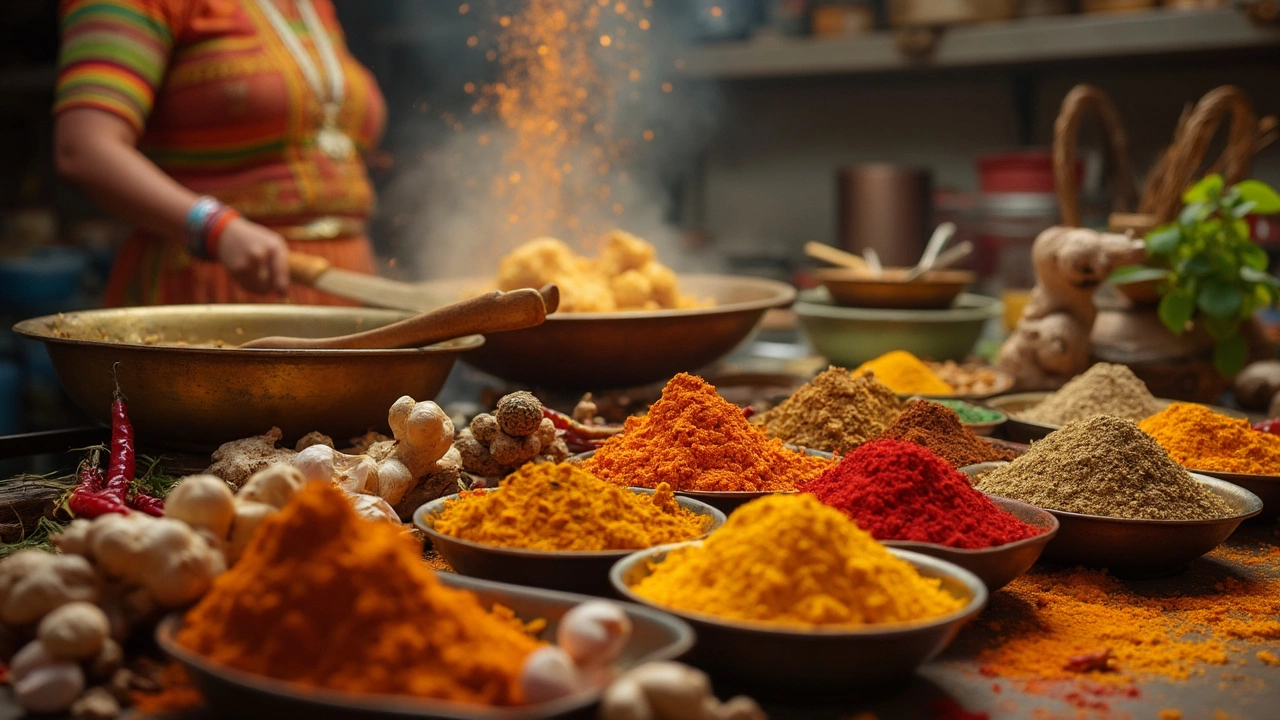
Curry Powder: The Popular Spice Behind Chicken Curry’s Magic
Discover what makes curry powder so popular in chicken curry, and learn about the key ingredients that give it the signature flavor. This article covers interesting facts, handy tips, and common mistakes when using curry spices. Understand the difference between curry powder and garam masala, and get ideas for making your own blend at home. Perfect for anyone wanting to up their curry game.
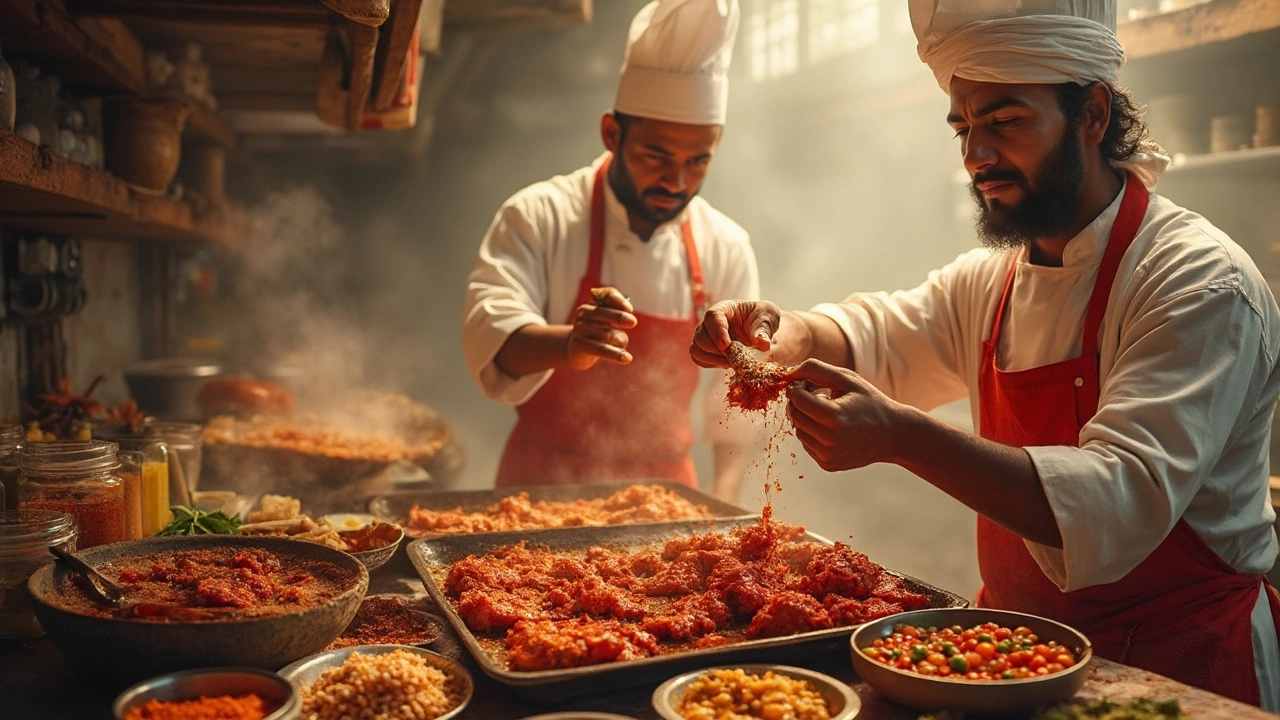
Are Tandoori and Tikka Paste the Same? Let's Unravel the Mystery
Tandoori and tikka pastes might seem interchangeable, but they each bring unique flavors to dishes. While both are key to achieving authentic Indian cuisine, they have distinct ingredients and uses. Dive into the world of these pastes to understand their differences and how to best use them in your cooking. Whether you're preparing a smoky tandoori chicken or a spicy tikka, this guide will help you make the perfect choice.

Unveiling the Key Spice in Chicken Curry
Curious about the most vital spice in chicken curry? This article uncovers the secret behind that mouth-watering aroma and flavor, exploring why one particular spice stands out. Discover interesting facts and practical cooking tips to elevate your dish. Dive into the history and regional variations that make curry such a beloved meal.
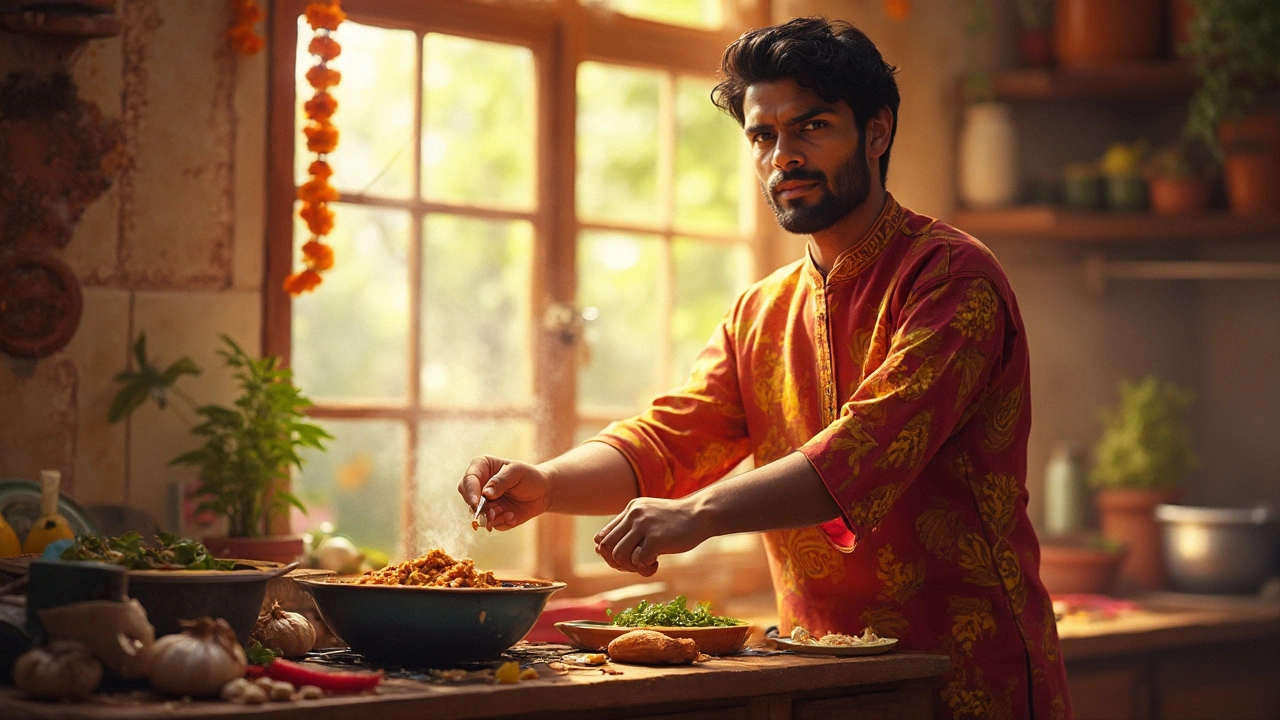
When to Add Garlic and Ginger to Chicken Curry
Garlic and ginger are essential in chicken curry, but knowing when to add them can make all the difference. This article explores the ideal moments to incorporate these ingredients to enhance flavor. It also includes tips for maximizing their aroma and potential health benefits. Learn how timing impacts the overall taste of your curry.