Chutney vs. Relish: The Ultimate Condiment Checker
Not sure if that jar in your pantry is a Chutney or a Relish? Answer these three questions about the condiment's characteristics to find out.
This condiment is a
Stand in the condiment aisle of a supermarket, and you might find yourself staring at two jars that look suspiciously similar. One is labeled "Mango Chutney," the other "Mango Relish." Both are chunky, both are sweet, and both promise to elevate your next meal. So, why do they have different names? Is it just marketing fluff, or is there a culinary reason for the distinction?
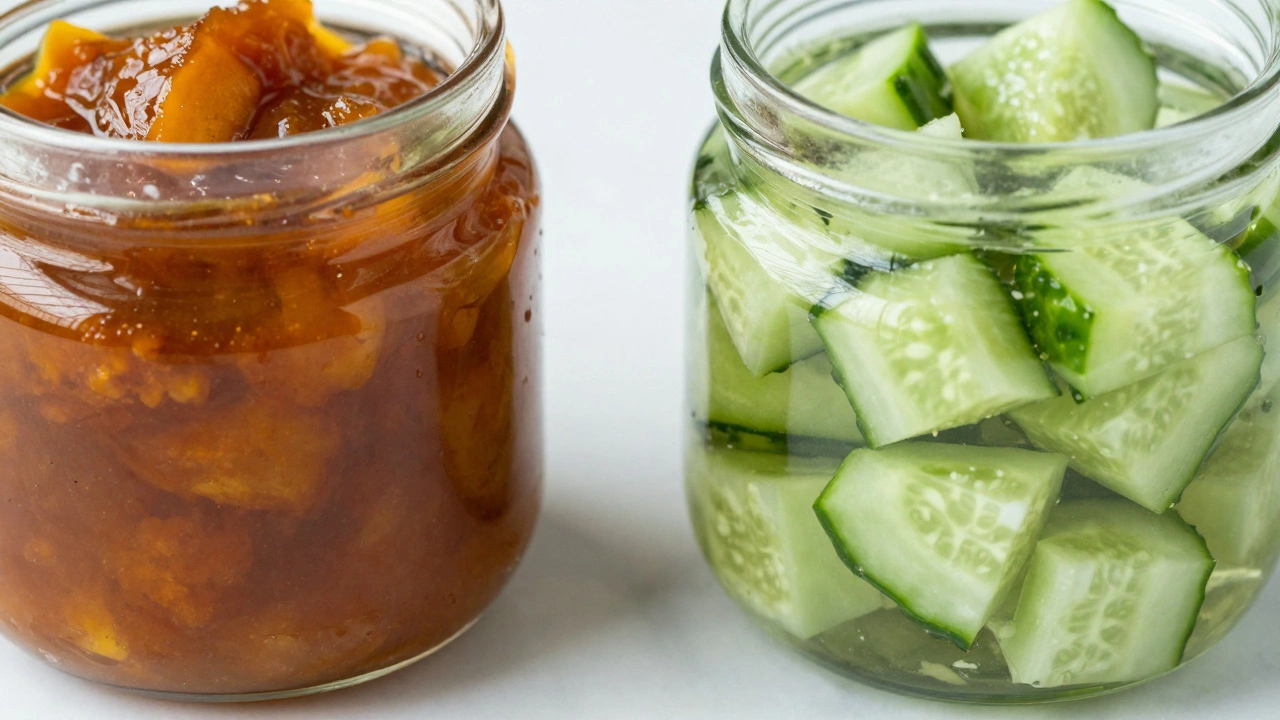
The short answer is geography and technique. While both chutney is a savory or sweet condiment originating from South Asia, typically made by cooking fruits or vegetables with vinegar, sugar, and spices and relish is a chopped vegetable condiment preserved in vinegar or brine, common in Western cuisine serve as flavorful accompaniments, their DNA is completely different. One relies on slow-cooked complexity and aromatic spices; the other depends on crisp texture and sharp acidity.
Understanding this difference isn't just about semantics. It changes how you cook. You wouldn't swap them out in a recipe without altering the final dish significantly. Let's break down exactly what makes each one unique, where they come from, and how to use them correctly in your kitchen.
The Origins: Spice Routes vs. Pantries
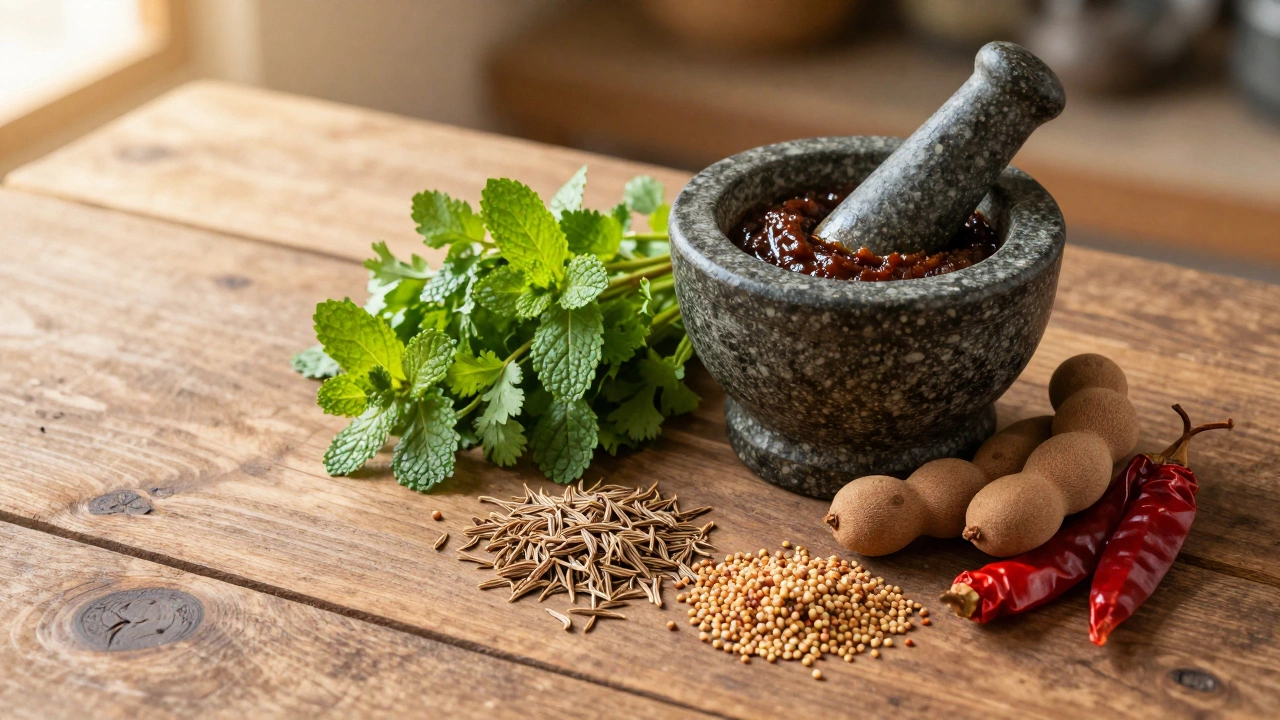
To understand the flavor profile, you first need to understand the history. Chutney has roots that stretch back thousands of years to the Indian subcontinent. The word itself comes from the Hindi "chatni" and the Sanskrit "tsatna," which means "to lick." Originally, chutneys were fresh mixtures of herbs, spices, and tamarind, often pounded in a mortar and pestle. Over time, British colonizers took these recipes home, adapted them using local ingredients like mangoes and apples, and introduced heavy amounts of sugar and vinegar to preserve them. This created the sweet, sticky, cooked chutney we know today.
Relish, on the other hand, is a distinctly Western concept, largely American and British in its modern form. It evolved from the tradition of pickling. Before refrigeration, people needed ways to keep vegetables edible through winter. By chopping them finely and submerging them in acidic solutions (vinegar or brine), they created relishes. Think of the classic cucumber relish served with hot dogs or the onion relish found in many European pantries. It’s about preservation and crunch, not complex spice blends.
Ingredients and Flavor Profiles
If you were to blindfold someone and feed them a spoonful of each, could they tell the difference? Most likely, yes. The ingredient lists reveal the core philosophy of each condiment.
Chutney Ingredients:
- Base: Fruits (mango, apple, pineapple) or vegetables (tomato, onion).
- Acidity: Vinegar, but often balanced with lime juice or tamarind.
- Sweetness: Sugar, jaggery, or honey. Sweetness is usually high.
- Spices: This is the key differentiator. Chutneys use warm, aromatic spices like cumin, coriander, mustard seeds, turmeric, ginger, garlic, and chili peppers.
- Texture: Often cooked down until jammy or smooth, though some retain chunks.
Relish Ingredients:
- Base: Vegetables (cucumber, beetroot, corn, peppers) or sometimes fruit (cranberry).
- Acidity: High vinegar content. The tang is the star.
- Sweetness: Variable. Some are sweet (cranberry), some are savory (onion), but rarely as sugary as chutney.
- Spices: Minimal. Usually just salt, pepper, maybe some celery seed or dill. No garam masala here.
- Texture: Crisp and chunky. The goal is to maintain the structural integrity of the vegetable.
The presence of spices like cumin and mustard seeds is the dead giveaway for chutney. If you taste those earthy, pungent notes, you’re eating chutney. If you taste pure vinegar bite with a hint of sweetness and no spice heat, it’s relish.
Preparation Methods: Cooking vs. Pickling
How you make them defines their shelf life and texture. Chutney is almost always cooked. You simmer the fruit or vegetable base with sugar, vinegar, and spices for a long period-sometimes hours. This process breaks down the pectin in the fruit, creating a thick, gel-like consistency. The cooking also melds the flavors, allowing the spices to infuse deeply into the fruit. Because of the high sugar and acid content, plus the cooking process, chutney preserves well but develops a soft, spreadable texture.
Relish preparation varies. Traditional relishes are often quick-pickled or fermented. You chop the vegetables small and submerge them in a boiling vinegar-sugar-salt solution, then jar them while hot. Or, you might ferment them in brine (like sauerkraut-style relishes). The goal is to soften the vegetables slightly but keep them crunchy. You don’t want a mushy relish. The cooking time is shorter, or non-existent in the case of fresh herb relishes.
Culinary Uses: Where Do They Belong?
Because their flavor profiles differ so much, they pair with different foods. Swapping them can ruin a dish if you aren't careful.
When to Use Chutney:
- With Cheese Boards: A spicy mango chutney cuts through the fat of aged cheddar or goat cheese perfectly.
- With Curries and Dals: In India, chutney is a staple side dish. Mint chutney or tamarind chutney accompanies samosas, pakoras, and dosas.
- In Sandwiches and Burgers: Chicken tikka burgers often use mint or tandoori chutney for moisture and heat.
- As a Glaze: Cooked chutney reduces further to make excellent glazes for pork chops or salmon.
When to Use Relish:
- On Hot Dogs and Burgers: Cucumber relish adds a cool, acidic crunch to fatty meats.
- With Cold Cuts: Beetroot or onion relish pairs well with smoked ham or turkey.
- In Salads: Corn relish or tomato relish can be tossed into green salads for extra texture.
- As a Topping: Cranberry relish is traditional on Thanksgiving turkey.
Notice the pattern? Chutney brings warmth and complexity. Relish brings brightness and crunch.
| Attribute | Chutney | Relish |
|---|---|---|
| Origin | South Asia (India) | Western Europe / North America |
| Primary Flavor | Sweet, Spicy, Savory | Tangy, Acidic, Mild |
| Key Ingredients | Fruit/Veg, Sugar, Vinegar, Spices (Cumin, Mustard) | Vegetables/Fruit, Vinegar, Salt, Herbs |
| Texture | Jammy, Smooth, or Soft Chunky | Crisp, Firm, Chunky |
| Cooking Method | Slow Simmered/Cooked Down | Quick-Pickled or Fermented |
| Best Pairing | Cheese, Curries, Grilled Meats | Hot Dogs, Sandwiches, Cold Cuts |
Common Confusions and Hybrids
It’s easy to get confused because manufacturers love to blur the lines. Have you ever seen "Sweet Pickle Relish"? That’s essentially a mild chutney in disguise. And what about "Green Goddess Dressing"? It’s technically a herb-based chutney emulsified with oil. The line gets fuzzy when fruits are involved. Apple chutney and apple relish can look identical in a jar. How do you tell?
Check the label for spices. If it lists cinnamon, cloves, or allspice, lean towards chutney. If it lists celery seed or dill, it’s relish. Also, look at the color. Chutneys tend to be darker, richer browns or reds due to caramelization during cooking. Relishes are often brighter, retaining the natural color of the vegetable because they haven’t been cooked as long.
There are also regional hybrids. In the UK, "brown sauce" is sometimes called a relish, but it’s closer to a thin chutney. In the US, "fruit relishes" are popular at holiday tables, but they are often just uncooked fruit salads dressed in vinegar, which is a very light form of relish.

Homemade Tips: Making Your Own
Making either at home is surprisingly easy and far superior to store-bought versions, which are often loaded with preservatives and excessive sugar.
For a Quick Mango Chutney:
- Dice ripe mangoes and onions.
- Sauté onions in oil with mustard seeds and curry leaves until golden.
- Add mangoes, sugar, vinegar, and a pinch of cayenne pepper.
- Simmer on low heat for 45 minutes until thickened.
- Let it cool; it will thicken further as it sets.
For a Classic Cucumber Relish:
- Dice cucumbers and bell peppers into small cubes.
- Bring vinegar, water, sugar, and salt to a boil.
- Pour the hot liquid over the vegetables in a sterilized jar.
- Seal and let it sit in the fridge for at least 24 hours before eating.
The beauty of homemade is control. You can adjust the spice level in chutney or the vinegar bite in relish to suit your palate. Store-bought chutney can be overwhelmingly sweet, while store-bought relish can be shockingly sour. Making your own ensures balance.
Storage and Shelf Life
Both condiments are preserved, but their storage needs differ slightly. Commercially canned chutney and relish can sit in the pantry for up to a year. Once opened, both should be refrigerated. Chutney, being thicker and sweeter, lasts longer in the fridge-up to 6 months. Relish, especially if it contains fresh herbs or less sugar, should be consumed within 3-4 months. Always use a clean spoon to scoop them out to prevent mold growth. If you see any fuzz or smell anything off, toss it immediately. The acidity protects them, but it’s not invincible.
So, the next time you’re planning a meal, think about the role the condiment plays. Do you need a warm, spicy kick to complement rich cheese? Reach for the chutney. Do you need a bright, crunchy contrast to cut through greasy meat? Grab the relish. Knowing the difference elevates your cooking from good to great.
Can I substitute chutney for relish in a recipe?
Generally, no. Chutney is sweeter and spicier, while relish is tangier and crunchier. Substituting chutney in a place where relish is expected (like on a hot dog) will make the dish too sweet and lack the necessary acidic bite. However, you can sometimes substitute relish for chutney in savory dishes if you add a bit of sugar and spices to mimic the chutney profile, but it won't be authentic.
Is chutney always sweet?
Not always. While commercial chutneys in the West are often sweet, traditional Indian chutneys can be savory, spicy, or sour. Mint chutney, coconut chutney, and tamarind chutney are primarily savory or tangy with little to no sugar. The sweetness depends on the specific type and region of origin.
What is the main difference in texture between chutney and relish?
Chutney is typically softer, jammy, or smooth because the ingredients are cooked down until they break down. Relish is designed to be crisp and chunky, maintaining the firm texture of the chopped vegetables or fruits through quick pickling rather than long cooking.
Which spices are commonly found in chutney but not relish?
Chutneys frequently contain cumin, coriander, mustard seeds, turmeric, ginger, garlic, and chili peppers. Relishes rarely contain these strong spices, opting instead for milder seasonings like black pepper, celery seed, dill, or bay leaves.
Can I make chutney without cooking it?
Yes, fresh chutneys exist. These are made by blending fresh herbs (like cilantro or mint), vegetables, and spices with lemon juice or vinegar. They are not preserved for long periods and must be refrigerated and consumed within a few days. Cooked chutneys, however, require simmering to achieve their characteristic thickness and shelf stability.