Indian Food Delivery Decision Helper
Stuck in decision paralysis? Use this tool to find the most popular or suitable dish for your current situation based on regional data and dining context.
Select your preferences and click the button to see what's trending or best suited for you.
You’re scrolling through a delivery app at 10 PM. Your thumb hovers over the "Biryani" tab, then drifts to "Pizza," and finally lands on "Chinese." It’s a familiar dilemma for millions of Indians every single night. But if we stripped away the personal cravings and looked strictly at the data-billions of orders processed by platforms like Swiggy and Zomato-what actually wins? Is it the creamy butter chicken that dominates Western menus, or something else entirely?
The answer might surprise you if you’re used to seeing North Indian curries everywhere. While Biryani is widely considered the national obsession, the reality of what gets ordered most often depends heavily on who you ask and where they live. Recent data from major food aggregators suggests a fierce battle between rice-based meals and quick snacks. Let’s break down the numbers, the regional divides, and why certain dishes consistently top the charts.
The Undisputed King: Why Biryani Rules Delivery Apps
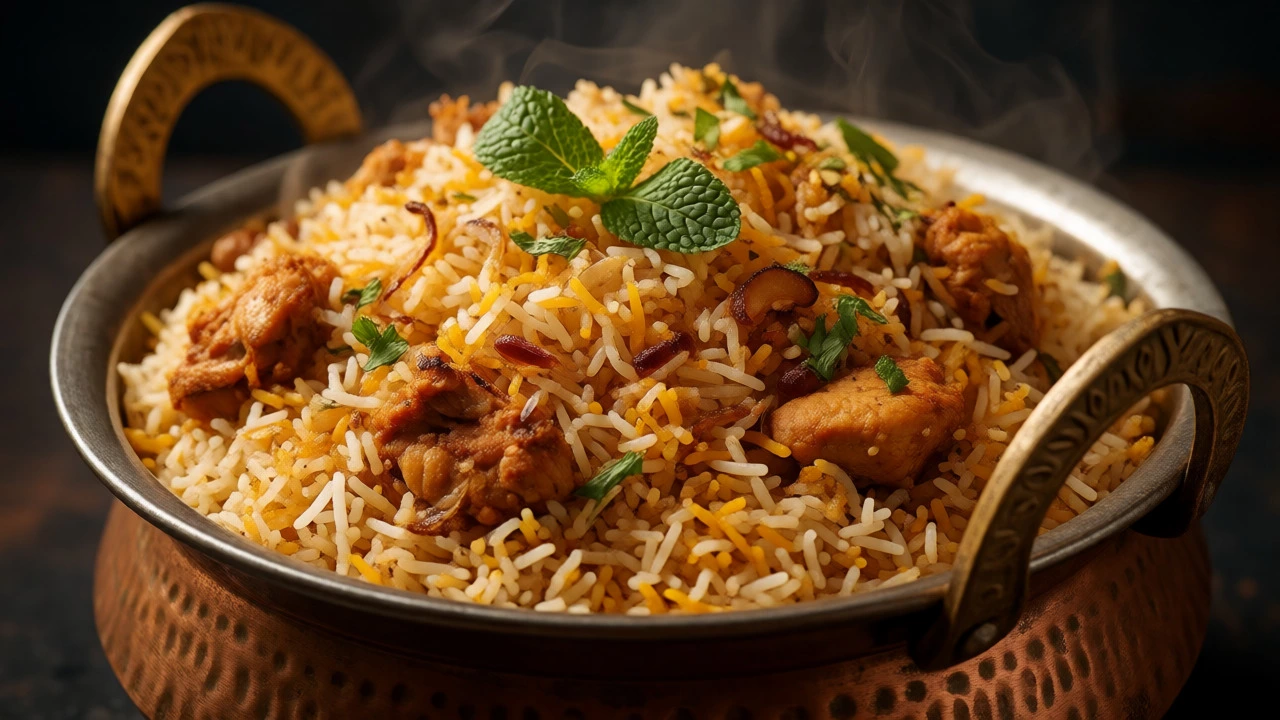
If you look at aggregate sales data across India’s largest cities, Biryani isn't just a dish; it's an event. For years, Hyderabadi and Lucknowi styles have dominated order volumes. Why? Because biryani is complete. It has protein, carbs, and spices all in one pot. It travels well (mostly), and it feels substantial enough to justify the delivery fee.
According to recent reports from Swiggy, biryani accounts for nearly 35% of all rice-based meal orders in metros like Hyderabad, Bangalore, and Chennai. In these regions, ordering biryani isn’t a special occasion choice; it’s Tuesday dinner. The dish’s dominance comes down to versatility. You can get a ₹250 plate of chicken biryani or a ₹800 premium mutton version. This price range accessibility keeps it accessible to students and CEOs alike.
But here’s the catch: while biryani has the highest revenue per order, it doesn’t always have the highest *frequency* of orders. People don’t eat heavy biryani every day. That’s where the real competition begins.
The Silent Leader: Snacks and Quick Bites
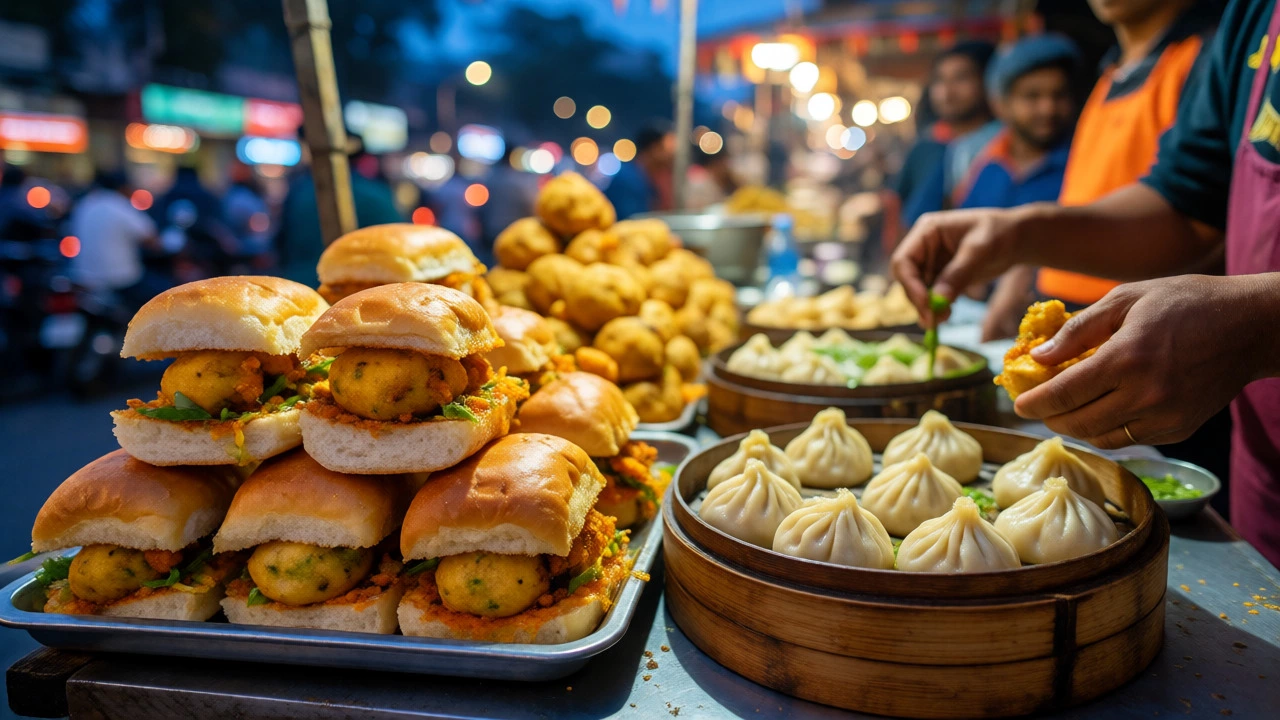
If we count the sheer number of transactions rather than total money spent, the crown shifts. The most frequently ordered items in India are actually snacks. Think about your own habits. Do you order a full thali every time you use an app? Probably not. You likely order chai, samosas, vada pav, or momos when you’re hungry but don’t want a full meal.
Vada Pav, often called the Mumbai burger, sees massive volume in Maharashtra. Similarly, Momos have exploded in popularity across Delhi-NCR and North India, becoming the go-to comfort food for late-night cravings. These items have low average order values (AOV) but incredibly high repeat rates. If you order momos three times a week, you’re generating more transaction data points than someone ordering biryani once a month.
This distinction matters. If you’re a restaurant owner trying to decide what to put on your menu, understanding this split is crucial. High-volume snacks bring traffic; high-value meals bring profit. The "most ordered" title changes depending on whether you mean "most frequent clicks" or "most cash exchanged."
Regional Rivalries: North vs. South vs. East
India isn’t a monolith, and its food preferences are fiercely regional. What flies off the virtual shelves in Kolkata looks very different from what sells in Pune.
| Region | Top Meal Order | Top Snack Order | Dominant Cuisine Type |
|---|---|---|---|
| North India (Delhi/Punjab) | Butter Chicken & Naan | Chole Bhature / Samosa | Mughlai & Punjabi |
| South India (Bangalore/Chennai) | Biryani & Dosa | Vada / Idli | Dravidian |
| West India (Mumbai/Pune) | Pav Bhaji / Thali | Vada Pav / Misal | Maharashtrian & Continental |
| East India (Kolkata) | Rolled Rice (Kathi Rolls) | Momo / Puchka | Bengali & Chinese Fusion |
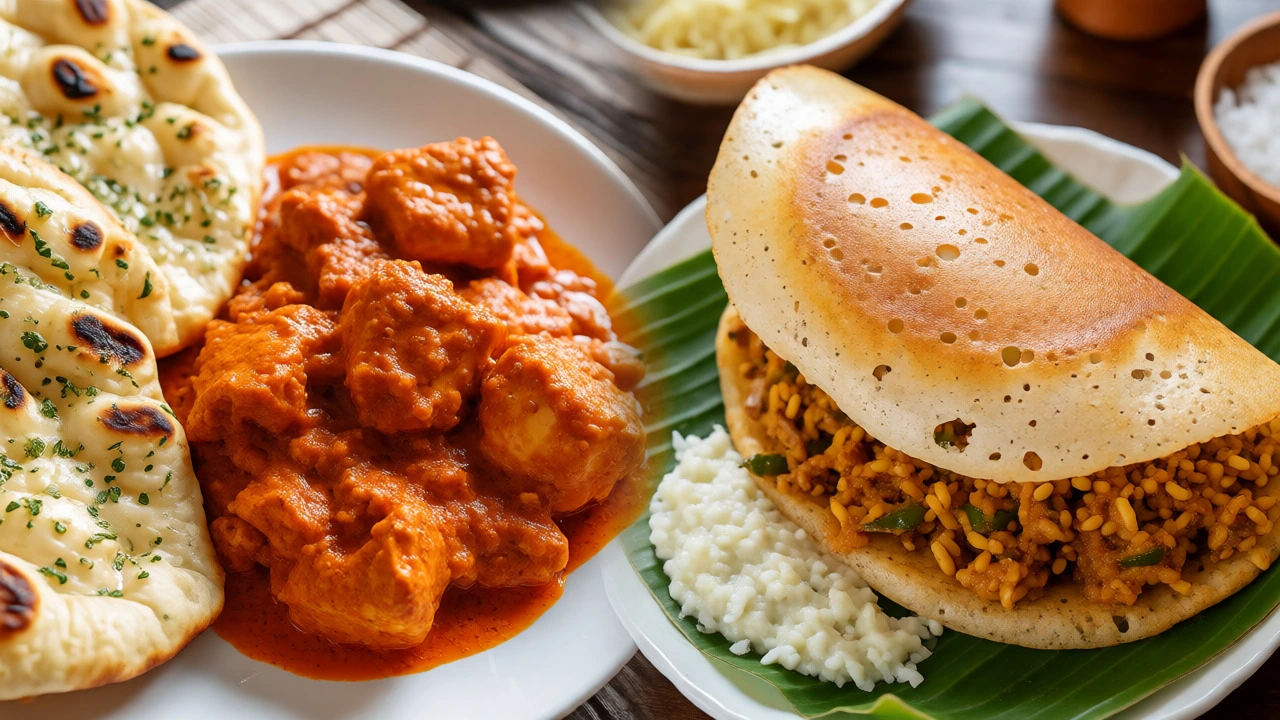
In North India, Butter Chicken remains a staple for family dinners. It’s rich, mild enough for kids, and pairs perfectly with garlic naan. However, in the South, particularly in tech hubs like Bangalore, biryani competes directly with dosa. Dosa is unique because it bridges the gap between breakfast and dinner. You can order a masala dosa at 9 AM or 9 PM, giving it a wider consumption window than most other dishes.
Kolkata offers a fascinating case study. Kathi rolls-meat or veg wrapped in paratha-are arguably the most iconic street food there, but their delivery logistics are tricky. Soggy parathas are a common complaint. Yet, people still order them in droves, proving that taste often outweighs texture concerns when the craving hits hard.
The Rise of "Comfort Classics": Pizza and Burger Adaptations
You might expect pizza to be the global winner, and in many ways, it is. Domino’s and Pizza Hut have localized their menus aggressively. Paneer Tikka Pizza and Tandoori Chicken Pizza are no longer novelties; they’re bestsellers. However, compared to traditional Indian staples, pizza usually ranks third or fourth in overall volume outside of tier-1 metro cores.
Burgers face a similar trajectory. McDonald’s and Burger King have adapted by offering McAloo Tikki and Veggie Delight options. These aren’t just side items; they drive significant traffic. But again, these are often viewed as "snack meals" rather than primary dinner choices for traditional households. The cultural preference for warm, spiced, home-style cooking keeps local dishes ahead in frequency.
Why Data Can Be Misleading
When we talk about "most ordered," we’re mostly talking about urban centers. Rural India, which constitutes a huge portion of the population, still relies heavily on home-cooked meals and local street vendors who may not be on apps. So, the "most ordered food" is really the "most ordered food among app users."
Another factor is time of day. Breakfast orders skew heavily toward idli, dosa, and poha. Lunch orders favor thalis and rice bowls. Dinner sees a spike in heavier proteins like biryani and non-veg curries. If you only look at evening data, you’ll miss the morning dominance of South Indian breakfast items.
How to Use This Info for Your Next Order
So, what should you order next time you’re stuck in decision paralysis? Here’s a simple heuristic based on current trends:
- For Group Dinners: Go with Biryani or Butter Chicken. They scale well, satisfy diverse palates, and feel like a treat.
- For Solo Late Nights: Momos or Vada Pav. Light, spicy, and easy to eat without utensils.
- For Healthy-ish Lunches: Dal Khichdi or a Vegetable Thali. These offer balanced nutrition and stay lighter than cream-heavy gravies.
- For Cravings: Chole Bhature or Kathi Rolls. High calorie, high satisfaction.
Ultimately, the "most ordered" food reflects convenience and familiarity. Biryani wins on prestige and flavor complexity. Snacks win on speed and price. And regional staples like dosa and butter chicken hold steady ground because they taste like home. There’s no single right answer, but knowing what everyone else is eating can help you join the majority-or rebel against it.
Is Biryani really the most ordered food in India?
In terms of revenue and visibility on delivery apps, yes, Biryani is often cited as the top performer, especially in South and West India. However, in terms of sheer number of transactions, snack items like momos, vada pav, and samosas often surpass it due to higher frequency of small orders.
Which city orders the most food online?
Bangalore and Hyderabad typically lead in per-capita online food orders, driven by large student populations and IT professionals who rely on delivery services. Delhi NCR also has massive volume due to its population size, though penetration rates vary by locality.
Are vegetarian dishes more popular than non-vegetarian ones?
It varies by region. In Gujarat and parts of Rajasthan, vegetarian orders dominate. In coastal areas and metros like Mumbai and Bangalore, non-vegetarian options like seafood and chicken biryani see higher volumes. Nationally, the split is fairly even, with vegetarian options having a slight edge in everyday lunch orders.
Why do momos become so popular for delivery?
Momos travel surprisingly well compared to other steamed foods. They retain heat and texture better than fried snacks, and they are customizable with various chutneys. Their bite-sized nature makes them ideal for snacking while working or watching TV, driving high repeat orders.
Does pizza beat traditional Indian food in delivery stats?
No, traditional Indian food generally outperforms pizza in total volume across the country. Pizza is strong in specific urban pockets and among younger demographics, but dishes like biryani, roti-curry combos, and regional thalis maintain broader appeal across age groups and income levels.