Healthy Indian Meal Builder
Estimated Total:
Your Meal Plan:
Walking into an Indian restaurant often feels like stepping into a maze of rich, creamy curries and deep-fried snacks. The aromas are intoxicating, but so is the hidden sugar and oil in many traditional recipes. You want to enjoy that authentic flavor without wrecking your diet or feeling sluggish for days. The good news? Indian cuisine is actually one of the most health-conscious cuisines in the world if you know where to look. It’s packed with spices that fight inflammation, legumes that boost protein, and vegetables that provide essential vitamins.
The secret isn’t avoiding Indian food; it’s knowing how to navigate the menu. Most unhealthy choices come from heavy cream bases, excessive ghee (clarified butter), and deep-frying techniques. By swapping these out for lighter cooking methods and broth-based sauces, you can have a delicious meal that supports your health goals. Here is exactly what to order, what to skip, and how to customize your dish for maximum nutrition.
Why Indian Food Can Be Surprisingly Healthy
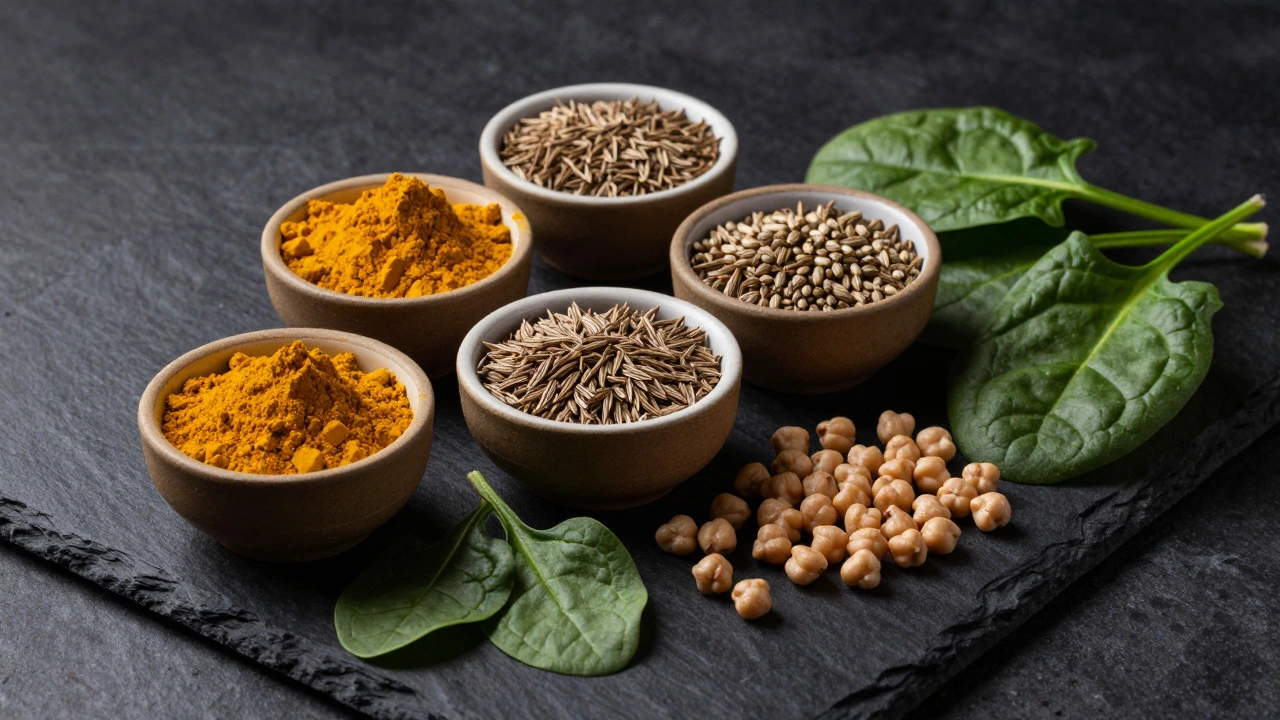
Before we dive into specific dishes, it helps to understand why Indian food has such a strong reputation for wellness. Traditional Indian cooking relies heavily on turmeric, which contains curcumin, a powerful anti-inflammatory compound. Cumin, coriander, and fenugreek are not just for flavor; they aid digestion and help regulate blood sugar levels. These spices turn every meal into a functional benefit for your body.
Furthermore, Indian diets are naturally high in fiber due to the extensive use of lentils and chickpeas. Unlike Western diets that often separate protein and carbs, Indian meals combine them in balanced ratios. A typical home-style meal includes a portion of dal (lentils), rice or roti, and a vegetable side. This combination provides sustained energy rather than the spike-and-crash cycle caused by refined carbohydrates alone. When you order at a restaurant, you’re looking to replicate this balance while minimizing added fats.
The Best Low-Calorie Dishes to Order
If you are scanning the menu for the healthiest options, focus on dishes that are cooked in tomato-onion bases or yogurt rather than cream or coconut milk. Here are the top contenders that deliver flavor without the guilt:
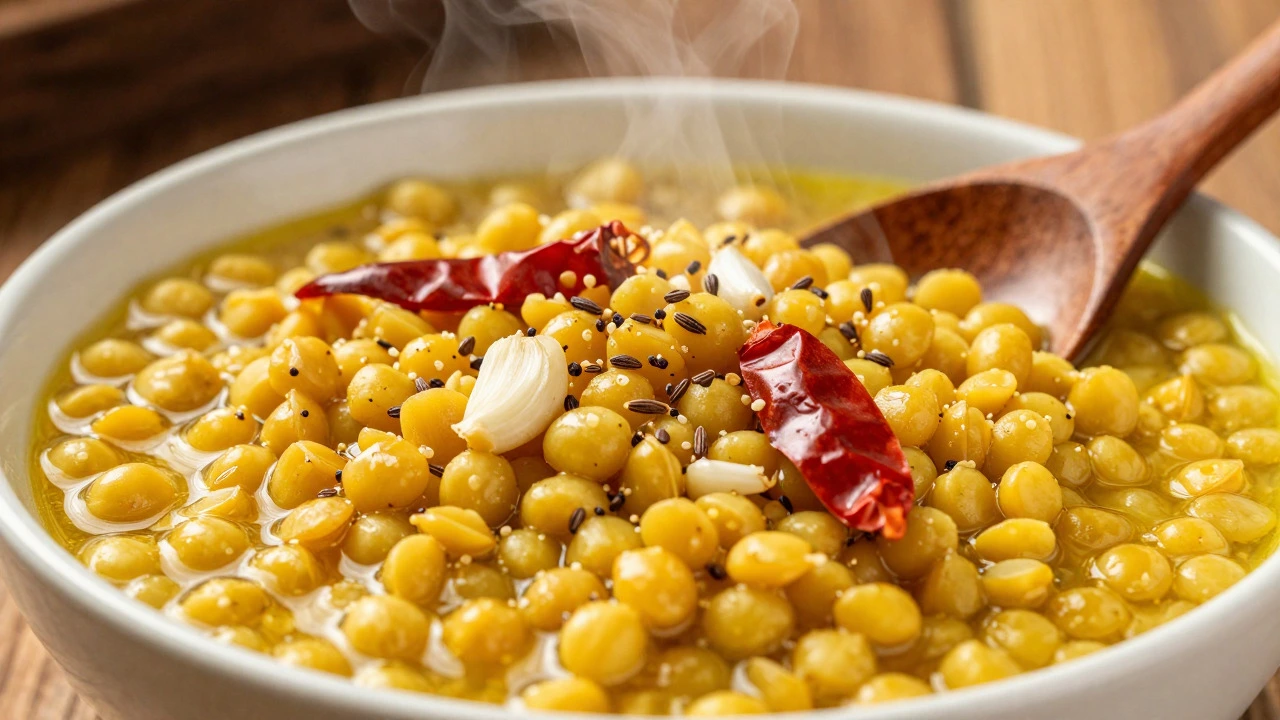
- Dal Tadka: This is arguably the gold standard for healthy Indian dining. It consists of yellow lentils simmered until soft, then topped with a tempering of cumin, garlic, and chili in a small amount of oil. It is high in protein, fiber, and iron, yet typically contains fewer than 300 calories per serving. It’s filling, nutritious, and incredibly comforting.
- Palak Paneer (Light Version): Spinach is a nutritional powerhouse, packed with iron, calcium, and vitamin K. Palak Paneer combines pureed spinach with cubes of paneer (Indian cottage cheese). While traditional versions use cream, many restaurants now offer "light" versions using skimmed milk or no dairy fat. Ask for extra spinach and less paneer to keep the calorie count down while boosting nutrients.
- Chana Masala: Chickpeas are another excellent source of plant-based protein and fiber. Chana Masala cooks chickpeas in a tangy, spiced tomato sauce. It’s robust, flavorful, and keeps you full for hours. Since it’s usually made with onions, tomatoes, and spices rather than heavy dairy, it’s a safe bet for almost any dietary goal.
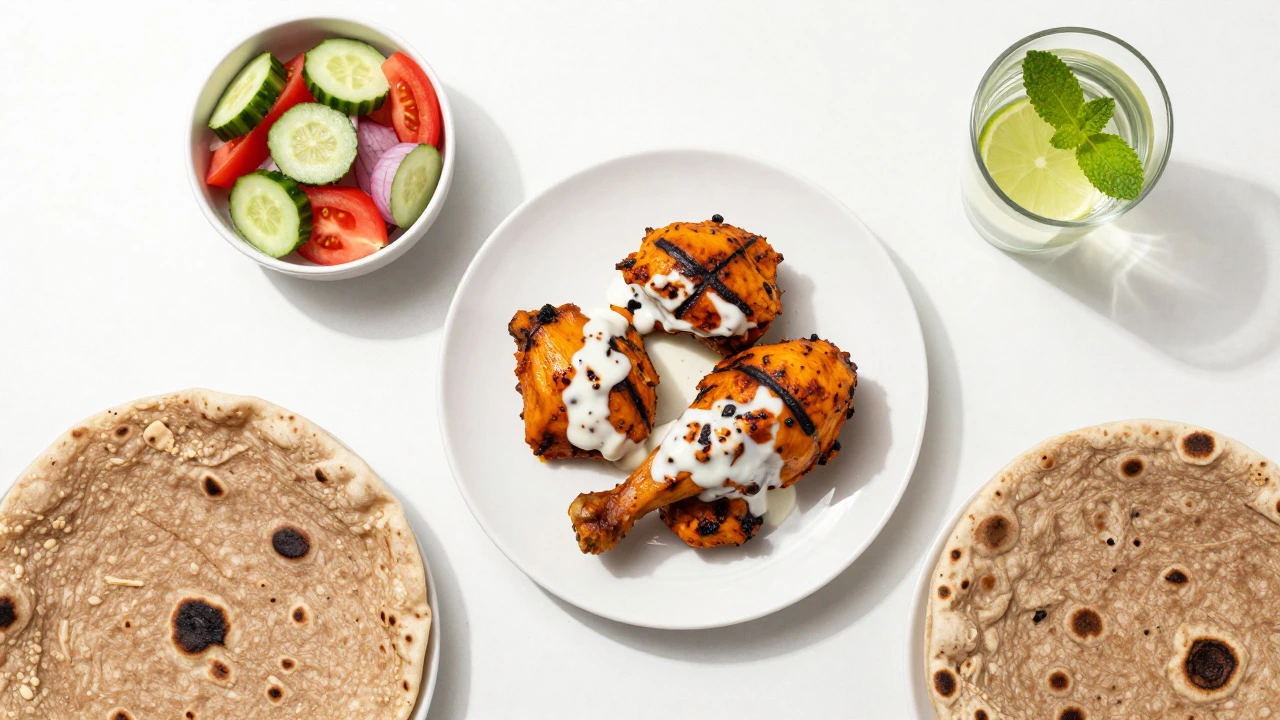
- Tandoori Chicken: If you crave meat, tandoori chicken is the way to go. The chicken is marinated in yogurt and spices, then roasted in a clay oven called a tandoor. Because it’s baked rather than fried, it retains its moisture without needing excess oil. One piece of tandoori chicken breast can provide over 25 grams of protein with minimal saturated fat.
Smart Swaps: Roti vs. Rice vs. Naan
Your choice of carbohydrate plays a huge role in the overall healthiness of your meal. Many people assume rice is the healthier option because it’s plain, but white rice has a high glycemic index, meaning it spikes blood sugar quickly. Instead, consider these alternatives:
| Option | Fiber Content | Glycemic Impact | Health Verdict |
|---|---|---|---|
| White Rice | Low | High | Avoid if watching weight/blood sugar |
| Butter Naan | Very Low | High | Calorie-dense, often brushed with ghee |
| Whole Wheat Roti | Medium-High | Medium | Best option for sustained energy |
| Multigrain Roti | High | Low-Medium | Ideal for maximum nutrient intake |
Always opt for whole wheat roti or multigrain roti. These breads are made from coarse flour that digests slower, keeping your blood sugar stable. If you love naan, ask for "plain" naan instead of garlic or butter naan, and share one with your table rather than eating two yourself. Even better, skip the bread entirely and eat your curry with a fork, using the sauce as a dip for steamed vegetables if available.
Hidden Traps: What to Avoid on the Menu
Even well-intentioned diners fall into traps set by indulgent menu items. Knowing what to avoid is just as important as knowing what to choose. Here are the biggest culprits for empty calories and unhealthy fats:
- Samosas and Pakoras: These deep-fried pastries and fritters are delicious starters but are essentially liquid calories. A single samosa can contain over 250 calories, mostly from the frying oil. They also tend to be low in nutritional value compared to their caloric density.
- Korma and Butter Chicken: Dishes with "korma," "makhani," or "butter" in the name are red flags. They are typically cooked in heavy cream, cashew paste, and large amounts of butter. While tasty, a single serving can easily exceed 600-800 calories. If you must order them, ask for the sauce on the side or split the portion.
- Raita with Cream: Raita is a yogurt-based side dish that sounds healthy, but some restaurants make it with thick cream instead of plain yogurt to enhance richness. Always check if it’s made with dahi (yogurt) and ask for it without added sugar or fried onions.
- Deep-Fried Fish: While fish is a great source of omega-3 fatty acids, the traditional method of coating it in batter and deep-frying negates those benefits. Look for grilled or tandoori fish instead.
How to Customize Your Order for Better Health
You don’t have to accept the default preparation of every dish. Most Indian restaurants are happy to accommodate requests, especially if you explain your dietary needs clearly. Here are some practical tips to hack your meal:
- Ask for "Less Oil": Chefs often finish dishes with a drizzle of ghee or oil for shine and flavor. Requesting "less oil" or "cooked lightly" can cut hundreds of calories from your plate without sacrificing taste.
- Swap Cream for Yogurt: If you want a creamy texture, ask if they can use Greek yogurt or skyr instead of heavy cream. This adds protein and probiotics while reducing saturated fat significantly.
- Add Extra Vegetables: Bulking up your meal with leafy greens or cauliflower increases volume and fiber. Fiber slows down digestion, helping you feel fuller longer and preventing overeating later.
- Choose Steamed Sides: Instead of fries or chips, ask for steamed broccoli, green beans, or cucumber salad. Many places serve a simple kachumber salad (cucumber, tomato, onion) that is refreshing and virtually calorie-free.
Drinks That Complement Your Meal
Your beverage choice can make or break your health goals. Lassi, a popular yogurt drink, is often loaded with sugar and served in large quantities. A single mango lassi can contain more sugar than a soda. Stick to water, herbal teas, or unsweetened chai. If you really want something special, try a fresh lime juice (nimbu pani) with salt instead of sugar. It hydrates you and aids digestion thanks to the citric acid and electrolytes.
Another great option is kokum sharbat, a drink made from the kokum fruit native to India. It’s naturally tart, cooling, and aids in digestion without the need for added sugars. Avoid sugary sodas and alcohol, which add empty calories and can dehydrate you, making you hungrier after the meal.
Portion Control Strategies
Restaurant portions in the UK and US are notoriously large. An entire main course might contain 1,000+ calories, which is more than half the daily recommended intake for many adults. To manage this, practice portion control right at the table.
Consider sharing a main dish with a friend or family member. This allows you to sample multiple flavors without consuming double the calories. Alternatively, box half your meal immediately before you start eating. Seeing the container filled halfway reminds you that you’ve already saved a significant amount of food for later. This strategy works wonders for maintaining discipline while still enjoying the experience.
Conclusion: Enjoying Indian Food Without Compromise
Eating healthy at an Indian restaurant doesn’t mean missing out on flavor. By choosing lentil-based dishes, grilled proteins, and whole grain breads, you can create a meal that is both satisfying and nutritious. Remember to watch out for hidden creams and oils, and don’t be afraid to ask for modifications. With these strategies, you can enjoy the vibrant tastes of Indian cuisine while supporting your long-term health goals.
Is Dal Tadka suitable for vegetarians?
Yes, Dal Tadka is traditionally vegetarian and vegan-friendly if prepared without ghee. It consists primarily of lentils, spices, onions, and tomatoes, making it a staple in Indian vegetarian diets.
Can I eat Indian food if I am gluten-free?
Absolutely. Rice, lentils, and most vegetable curries are naturally gluten-free. However, avoid naan and roti, which are made from wheat. Opt for basmati rice and ensure no cross-contamination occurs in the kitchen if you have celiac disease.
Which Indian dish has the least calories?
Dal Tadka and clear soups like Shorba are among the lowest-calorie options. Tandoori chicken is also very low in calories compared to fried or creamy curries. Always verify with the server about oil usage.
Is Paneer healthy?
Paneer is a high-protein, high-calcium food, but it is also high in saturated fat. It is healthy in moderation. For a lower-fat option, ask for tofu substitutes or reduce the portion size of paneer in dishes like Palak Paneer.
Are Indian spices healthy?
Yes, spices like turmeric, cumin, and ginger have potent anti-inflammatory and antioxidant properties. They enhance flavor without adding calories and support various bodily functions, including digestion and immune response.