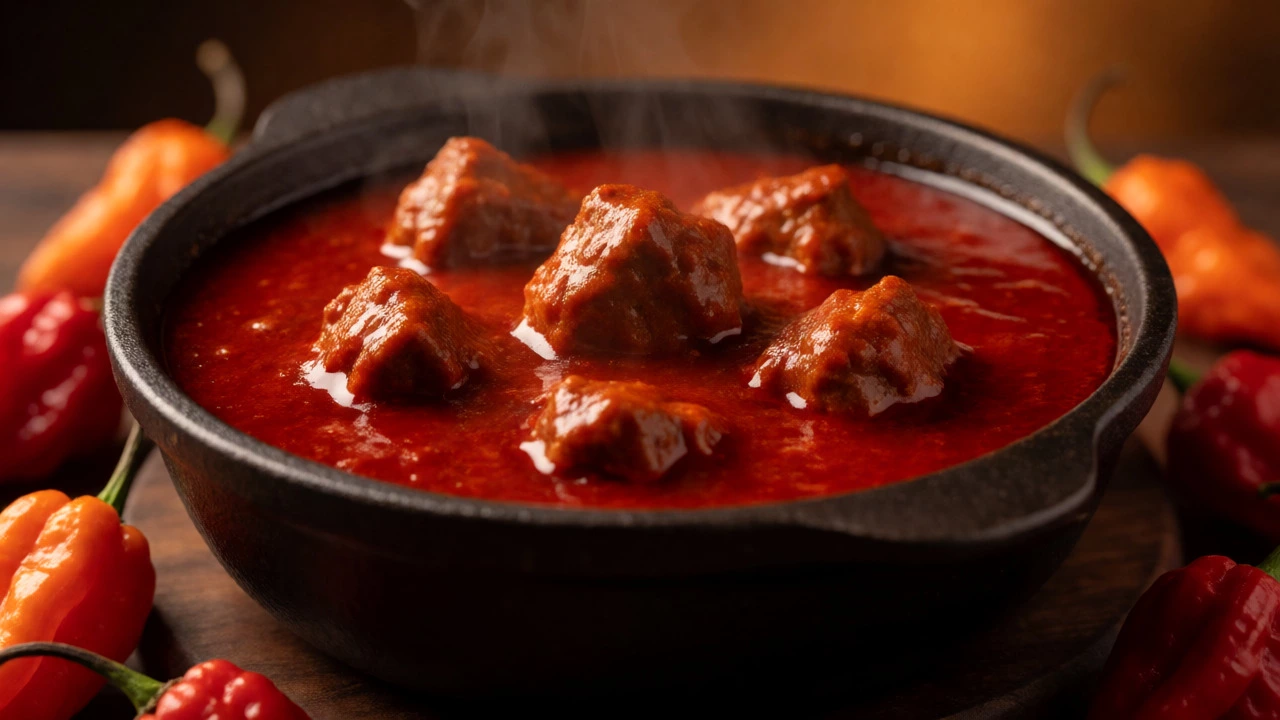
Curry Heat Challenge Calculator
Select a curry to see its estimated Scoville Heat Units (SHU) and how it compares to common peppers. Can you handle the Phaal?
Select a Curry
About this Dish
Click on a curry from the list to learn about its heat profile and origin.
Dairy is your shield. Capsaicin binds to casein in milk/yogurt. Water spreads the heat!
You think you know spicy food. You’ve eaten a vindaloo that made your eyes water. You’ve tackled a jalfrezi that left you sweating through your shirt. But if you haven’t tried a proper Phaal, you haven’t actually experienced the peak of Indian culinary heat. It’s not just about burning your tongue; it’s about understanding where that fire comes from and why some curries are designed to make grown adults cry in public.
The question "What is the hottest Indian curry called?" doesn’t have a single, simple answer because "hot" is subjective. However, in the world of British-Indian street food and restaurant menus, one name consistently tops the charts: Phaal is a curry originating from Birmingham, England, known for using extremely hot chili peppers like the Bhut Jolokia (Ghost Pepper) or Carolina Reaper. While traditional Indian regional dishes like Andhra Chilli Chicken or Naga Curry pack serious punches, the Phaal was literally engineered to be hotter than anything else on the menu.
Why Phaal Takes the Crown
Here’s the twist: Phaal isn’t an ancient recipe passed down through generations in Punjab or Kerala. It’s a modern invention. Created by restaurateurs in the UK who wanted to outdo the famous Vindaloo, Phaal uses chilies that aren’t even native to India. The Bhut Jolokia, often called the Ghost Pepper, originates from Northeast India but gained global fame for its extreme Scoville Heat Units (SHU). A standard Jalapeño sits around 5,000 SHU. A Bhut Jolokia hits over 1 million SHU. When you put that into a curry base with garlic, ginger, and oil, you get a dish that delivers heat slowly but relentlessly.
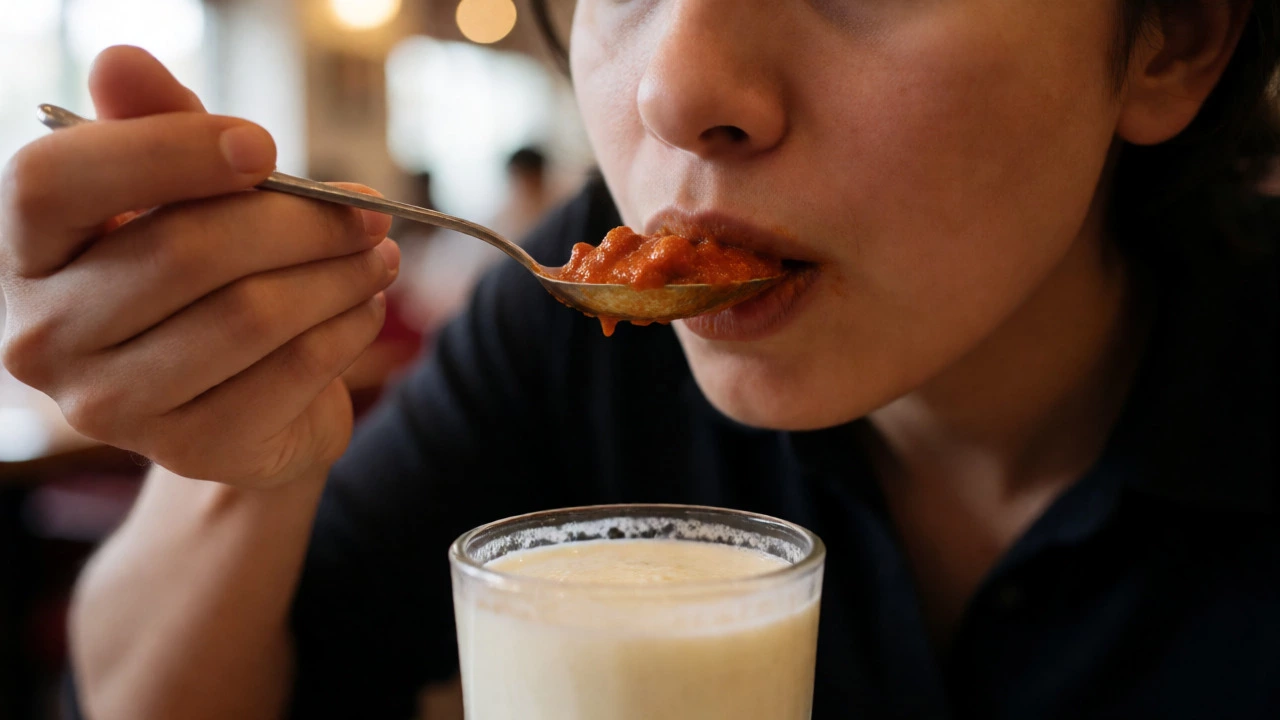
If you order a Phaal at a curry house in Birmingham or London, expect two things: a red-hot sauce that looks deceptively simple, and a warning from your server. This isn’t a curry you eat casually while chatting. It demands respect. The heat builds up. First, your lips tingle. Then your throat feels warm. Ten minutes later, you’re drinking milk, not water, because capsaicin-the chemical compound responsible for the burn-doesn’t dissolve in water. It dissolves in fat. That’s why yogurt-based raita or a glass of lassi is your best friend when tackling these dishes.
Vindaloo vs. Phaal: The Heat Battle
Many people assume Vindaloo is the hottest thing they can order. It’s certainly fiery, but it’s historically more about vinegar and pork (or lamb) than pure chili intensity. Goan Vindaloo, the original, uses Kashmiri chilies which provide color and flavor rather than overwhelming heat. The British adaptation added more green chilies and sometimes cayenne pepper, raising the temperature significantly. Yet, compared to a Phaal made with fresh Ghost Peppers, a Vindaloo is like a campfire next to a blowtorch.
| Curry Name | Primary Heat Source | Approx. Scoville Range | Origin |
|---|---|---|---|
| Phaal | Bhut Jolokia / Carolina Reaper | 100,000 - 1,000,000+ SHU | Birmingham, UK |
| Naga Curry | Naga Chili (Bhut Jolokia) | 80,000 - 1,000,000 SHU | UK / Bangladesh Border |
| Vindaloo (UK Style) | Cayenne / Green Chilies | 5,000 - 30,000 SHU | Goa, India (adapted in UK) |
| Andhra Chilli Chicken | Guntur Sannam Chilies | 15,000 - 40,000 SHU | Andhra Pradesh, India |
| Laal Maas | Kashmiri / Mathania Chilies | 10,000 - 25,000 SHU | Rajasthan, India |
Regional Contenders: The Real Indian Heavyweights
While Phaal wins the "hottest curry" title in Western contexts, you shouldn’t ignore the authentic heavy hitters from the Indian subcontinent. If you travel to Hyderabad or Vijayawada, you’ll encounter dishes that would humble most British curry houses. Take Hyderabadi Haleem, though not always super spicy, often served with significant amounts of green chilies and ginger, or better yet, Pachi Karam, a raw onion and chili salad often eaten alongside meals to boost heat intake.
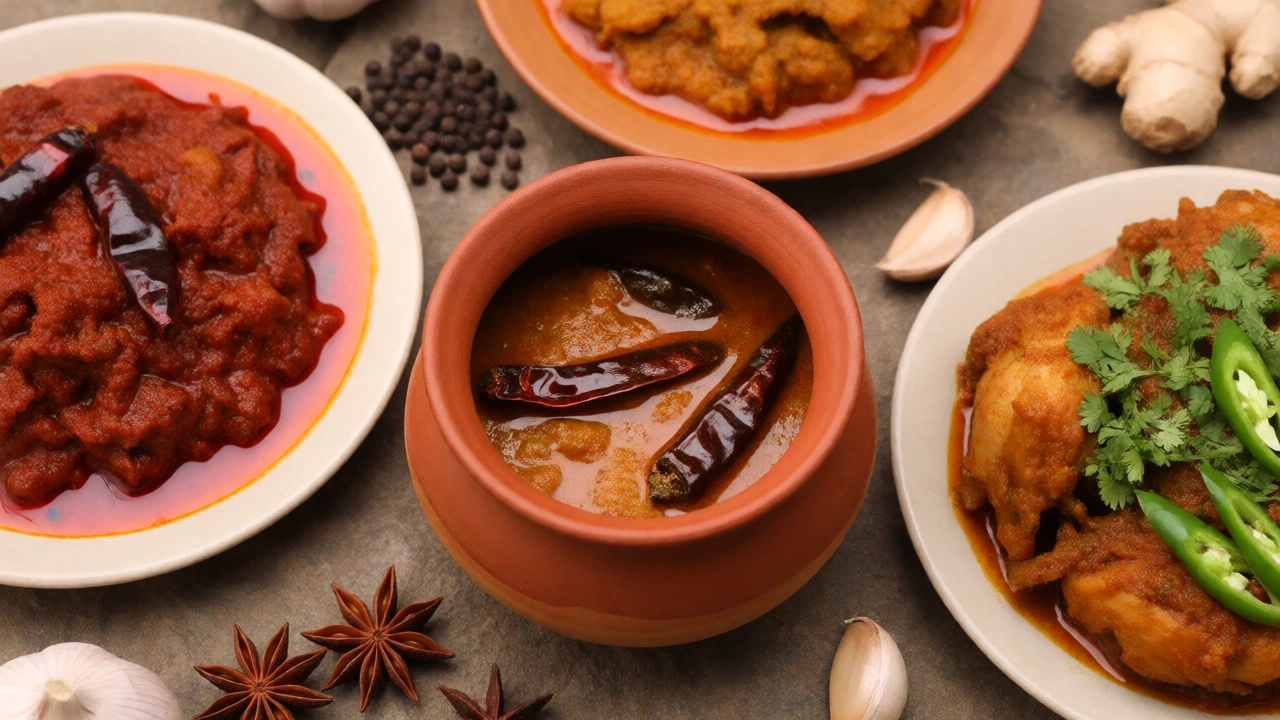
More specifically, look for Chettinad Cuisine from Tamil Nadu. Chefs here use black peppercorns, star anise, and dried red chilies roasted until nearly black. The heat isn’t just sharp; it’s deep and aromatic. Similarly, Naga Curry from the Sylhet region of Bangladesh (often grouped with Indian cuisine due to cultural overlap) uses the same Ghost Peppers as Phaal but tends to be more rustic and less refined than its Birmingham cousin.
In Rajasthan, Laal Maas is a mutton curry cooked with Mathania chilies, giving it a vibrant red color and a smoky, medium-to-high heat level. It’s not trying to kill you; it’s trying to wake you up. The difference between Laal Maas and Phaal is intent. One celebrates flavor complexity; the other tests your pain threshold.
How to Handle the Heat Like a Pro
If you’re brave enough to order the hottest curry on the menu, don’t go in blind. Here’s how to survive:
- Dairy is your shield. Capsaicin binds to casein, a protein found in milk and yogurt. Drink lassi or eat raita before the first bite. Water spreads the heat; milk absorbs it.
- Carbs soak it up. Plain basmati rice or butter naan helps dilute the concentration of chili oils in your mouth. Don’t eat the curry alone.
- Know your chili. Ask the waiter what pepper is used. If it’s "fresh ghost peppers," start with a small portion. If it’s "dried powder," the heat might be more consistent but less explosive.
- Don’t touch your eyes. After handling the chicken or dipping your bread, wash your hands thoroughly. Rubbing your eye after eating a Phaal is a mistake you only make once.
Also, consider the timing. Eating a super-spicy curry late at night might disrupt your sleep. The thermogenic effect raises your body temperature and metabolism, which is great for weight loss but terrible for drifting off peacefully.
Is Spiciness Healthy?
People often ask if eating this much chili is bad for them. Surprisingly, no. In moderation, capsaicin has benefits. It boosts metabolism, acts as an anti-inflammatory, and releases endorphins-that’s why some people feel a "runner’s high" after a spicy meal. However, excessive consumption can irritate the stomach lining, especially for those with acid reflux or IBS. If you experience heartburn regularly, stick to medium-spice options like Rogan Josh instead of chasing the Phaal dragon.
The key is balance. Indian cuisine, at its core, is about harmony. Even the hottest dishes usually include balancing agents like tomato, coconut milk, or yogurt. If your curry tastes only like fire, it’s poorly made. A good hot curry should still taste of garlic, ginger, cumin, and coriander beneath the burn.
Frequently Asked Questions
Is Phaal hotter than Vindaloo?
Yes, generally speaking. Phaal is specifically created to be hotter than Vindaloo, often using Ghost Peppers or Carolina Reapers, whereas Vindaloo typically relies on cayenne or standard green chilies.
Where did Phaal curry originate?
Phaal originated in Birmingham, England, in the late 20th century. It was invented by chefs wanting to create a challenge hotter than the popular Vindaloo, utilizing chilies from Northeast India and later the Americas.
What is the hottest chili used in Indian cooking?
The Bhut Jolokia, also known as the Ghost Pepper, is traditionally the hottest chili associated with Indian cuisine, particularly from Nagaland and Manipur. However, modern curries may use the Carolina Reaper, which is even hotter but not native to India.
Can eating too much spicy curry damage my stomach?
For most healthy individuals, no. Capsaicin does not cause ulcers. However, it can exacerbate symptoms in people with existing conditions like GERD, gastritis, or irritable bowel syndrome. Moderation is key.
What is the best drink to cool down after a hot curry?
Milk, yogurt-based drinks like Lassi, or ice cream are best. Alcohol and carbonated sodas can spread the capsaicin oil around your mouth, making the burn worse. Water provides only temporary relief.