Biryani Aroma Estimator
According to culinary science, the "secret smell" of biryani is a chemical masterpiece created by heat, fat, and volatile compounds. Use this tool to estimate how close your method comes to capturing that signature fragrance.
You walk past a restaurant or open your kitchen door, and suddenly you are transported. That heavy, intoxicating cloud of steam isn't just hot air; it's a chemical masterpiece. You might think it's just "spicy," but that misses the point entirely. The secret smell of biryani comes from a precise collision of heat, fat, and volatile compounds that most home cooks accidentally destroy before they even serve the plate.
If you've ever wondered why street-side Hyderabadi biryani hits different than your pot at home, it’s not magic. It’s chemistry. Specifically, it’s about how certain molecules survive the long, slow cook known as dum. This guide breaks down exactly what creates that signature nose-tingling fragrance, so you can stop guessing and start capturing that aroma in your own kitchen.
The Foundation: Why Basmati Rice Smells Like Flowers
Start with the grain. Not all rice smells the same when cooked. Ordinary long-grain rice gives off a starchy, plain scent. But Basmati rice is a long-grain aromatic variety primarily grown in India and Pakistan, known for its distinct nutty fragrance caused by high levels of 2-acetyl-1-pyrroline. This compound, 2-acetyl-1-pyrroline (2AP), is also found in pandan leaves and popcorn. It’s what gives Basmati that popcorn-like, floral note even before you add any spice.
Here is the trap many people fall into: overcooking the rice. If you boil Basmati until it’s mushy, the starches gelatinize too much, trapping those aromatic volatiles inside the sticky matrix instead of releasing them into the air. To keep the smell alive, par-boil the rice only to 70% doneness. Drain it immediately. When you layer it later, the remaining moisture finishes the cook via steam, keeping the grains separate and the aromas potent.
The Spice Symphony: Whole vs. Ground
Now, let’s talk about the backbone of the scent. Many recipes call for ground garam masala. While convenient, pre-ground spices lose their volatile oils within weeks of grinding. The secret smell relies on whole spices blooming in oil.
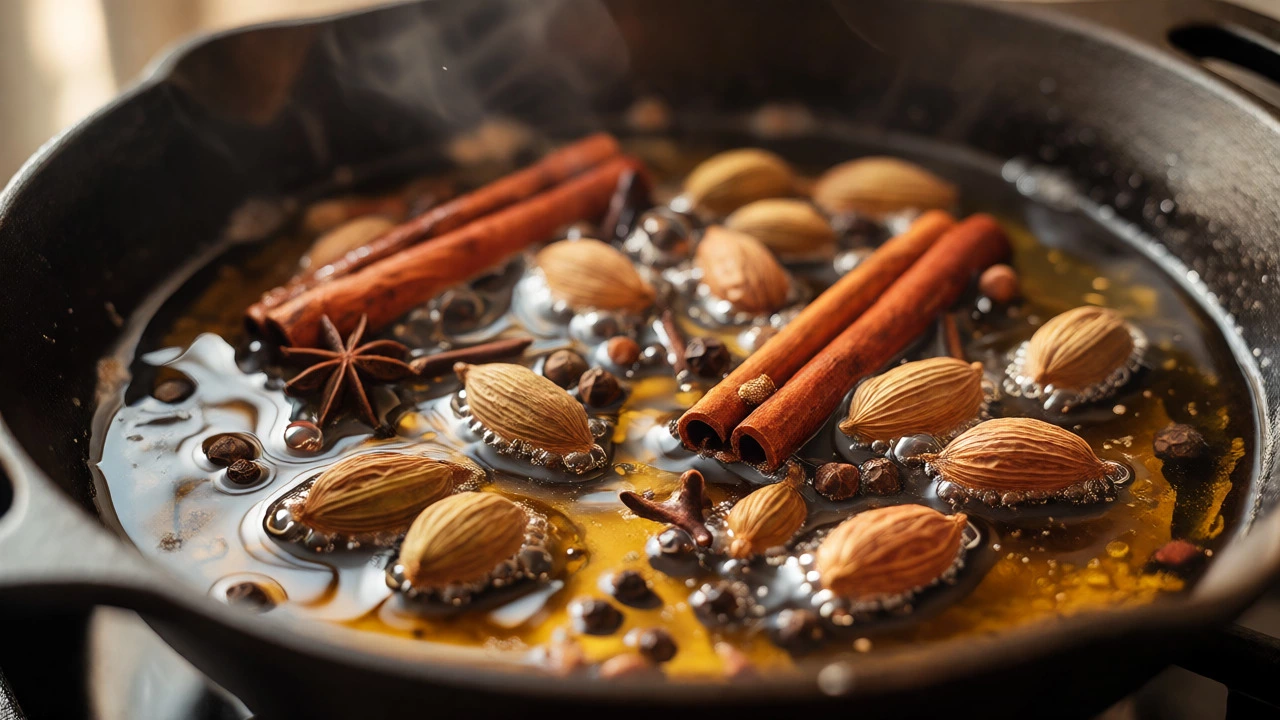
Garam Masala is a blend of warming spices common in Indian cuisine, typically including cardamom, cinnamon, cloves, black pepper, and cumin. When you toss these whole pods into hot ghee, the heat ruptures the cell walls, releasing essential oils directly into the fat. Fat carries flavor better than water. This is why authentic biryani always uses generous amounts of ghee or oil. The lipid molecules bind to the aromatic compounds, preserving them through the long cooking process.
Don’t skip the fried onions (birista). They aren't just for garnish. Deep-frying onions until dark brown triggers the Maillard reaction, creating hundreds of new flavor compounds, including pyrazines and furans. These contribute a sweet, savory depth that balances the sharp heat of green chilies. Without this step, your biryani smells like boiled meat and rice, not the complex dish you crave.
The Golden Thread: Saffron’s Role
You cannot replicate the premium aroma without Saffron is the dried stigmas of the Crocus sativus flower, prized for its unique metallic-honey aroma due to the compound crocin and picrocrocin. It is the most expensive spice in the world, but you only need a pinch. Saffron adds a subtle, hay-like sweetness that cuts through the heaviness of the meat and fat.
How you treat saffron matters. Never throw dry threads into the pot. Grind a small pinch with a little sugar or salt, then soak it in two tablespoons of warm milk or water for at least 15 minutes. This hydration releases the pigments and aromatics evenly. Drizzle this liquid over the top layer of rice during the final stage of dum. As the steam rises, it carries the delicate saffron scent upward, hitting your nose first when you lift the lid.
The Technique: Dum Cooking and Steam Trapping
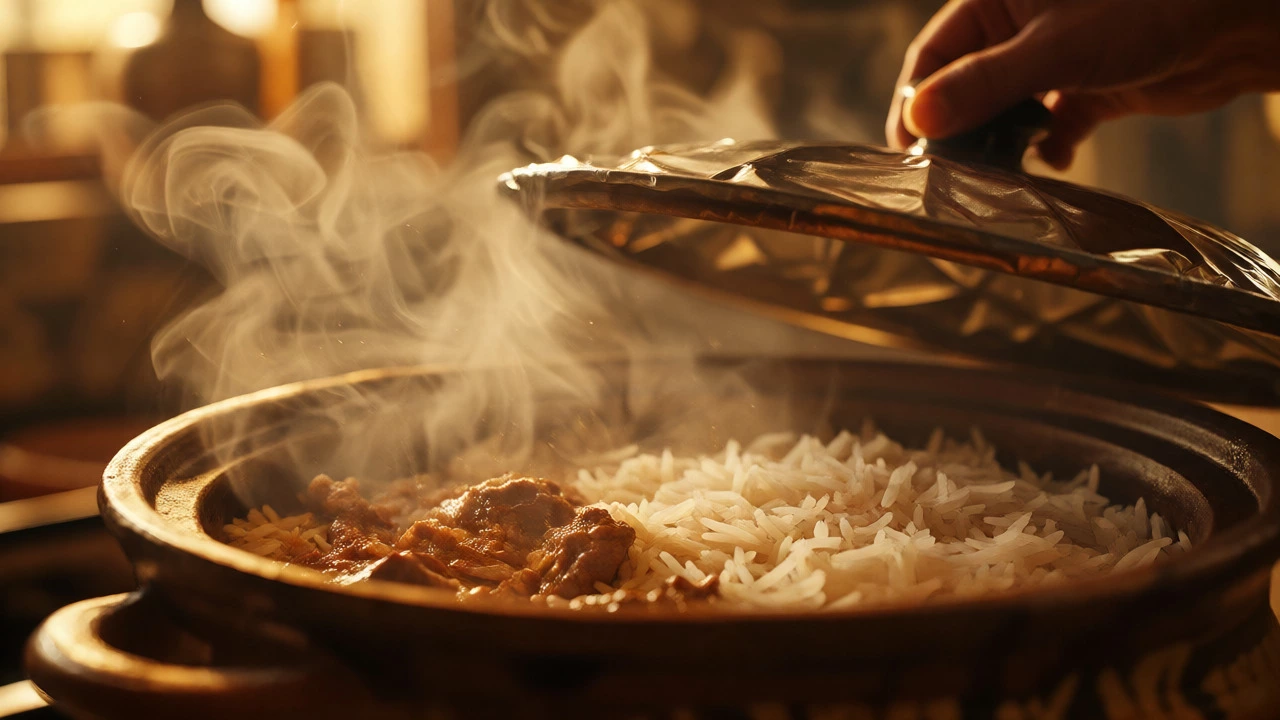
The method is where the smell is either saved or lost. Dum Pukht is a traditional slow-cooking technique where food is sealed in a pot and cooked over low heat using its own steam. In modern kitchens, we often use tight-lidded pots, but the seal must be perfect. Traditionally, chefs used wheat dough to seal the gap between the lid and the pot. Today, aluminum foil works well if wrapped tightly around the rim before placing the lid on.
Why does sealing matter? Volatile aromatic compounds escape easily. If steam leaks out, the pressure drops, and the temperature fluctuates. More importantly, you lose the aromatic clouds that define the experience. By trapping the steam, you force the flavors to circulate back into the rice and meat. The condensation dripping back down re-infuses the layers with concentrated essence.
| Ingredient | Key Aroma Compound | Release Method |
|---|---|---|
| Basmati Rice | 2-Acetyl-1-pyrroline | Steam release during par-boiling |
| Cinnamon & Cloves | Eugenol & Cinnamaldehyde | Blooming in hot ghee/oil |
| Saffron | Safranal | Milk infusion drizzled on top |
| Fried Onions | Pyrazines & Furans | Maillard reaction during frying |
| Green Chilies | Capsaicinoids (volatile) | Heat activation during marination/cook |
Regional Variations: How Geography Changes the Nose
Not all biryanis smell the same. The "secret" changes depending on where you are eating. In Hyderabad, the focus is on raw meat layered with raw rice (Kacchi style). The prolonged cooking time allows the meat juices to permeate the rice deeply, resulting in a heavier, meatier aroma dominated by yogurt and bone marrow fats.
In contrast, Lucknowi (Awadhi) biryani often uses the Pakki method, where meat and rice are cooked separately before layering. The result is lighter, more fragrant with rose water and kewra (screwpine) essences. If you live in Birmingham, like I do, you’ll notice many local spots lean towards the Lucknowi profile-floral, delicate, and less oily. Adjust your expectations and ingredients based on which regional style you are trying to emulate.
Common Mistakes That Kill the Aroma
You’ve bought the good Basmati. You have real saffron. Yet, your pot smells flat. Here is what usually goes wrong:
- Using old spices: Check the date on your cardamom and bay leaves. If they don’t snap crisply or smell strong when crushed, they are dead. Replace them.
- Skipping the marinade time: Yogurt-based marinades tenderize meat, but they also help spices penetrate. A 30-minute marinade won’t cut it. Aim for 4-6 hours, or overnight, for deeper aromatic penetration.
- Too much water: If there is excess water in the pot, you are boiling, not steaming. Boiling washes away surface aromatics. The dish should be moist, not soupy.
- Opening the lid too early: Patience is an ingredient. Every time you peek, you release a wave of precious aroma. Trust the timer.
Enhancing the Experience at Home
To truly capture the secret smell, consider adding fresh herbs at the very end. Coriander and mint leaves are standard, but try adding a few strands of edible rose petals or a splash of rose water. These floral notes interact with the savory base to create a multi-dimensional scent profile that feels luxurious.
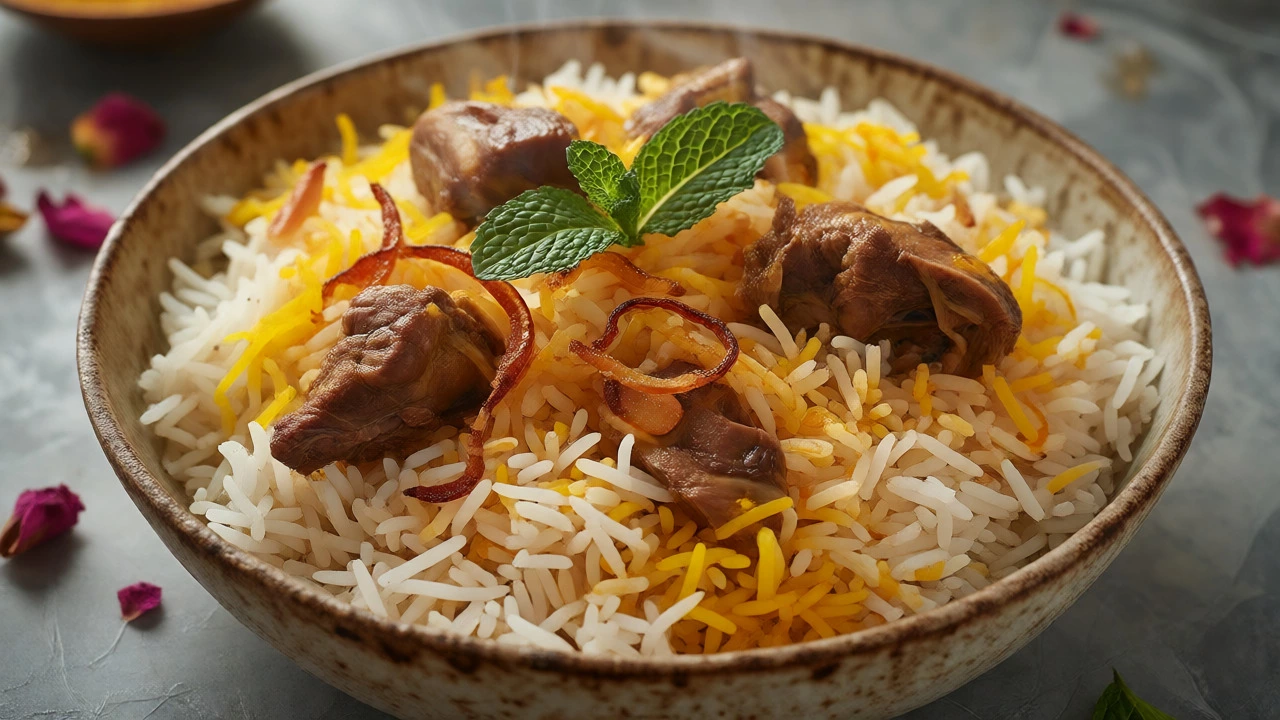
Also, presentation plays a role in perception. Serve the biryani in a deep bowl rather than a flat plate. The depth traps the steam longer, allowing the diner to inhale the aroma before taking the first bite. This psychological cue enhances the perceived flavor intensity.
Why does my homemade biryani lack aroma compared to restaurants?
Restaurants use commercial-grade burners that generate intense initial heat, rapidly volatilizing aromatic compounds before they dissipate. At home, electric or gas hobs may not provide the same immediate thermal shock. Additionally, restaurants often use aged Basmati rice (aged 1-2 years), which has a significantly stronger natural fragrance than fresh harvest rice sold in most supermarkets.
Can I use ground spices instead of whole ones for better smell?
No, whole spices are superior for aroma. Ground spices oxidize quickly and lose their volatile oils. Whole spices release their scent slowly during the cooking process, ensuring the fragrance lasts throughout the meal. If you must use ground spices, add them late in the cooking process to prevent burning and preserve their scent.
Does the type of pot affect the smell of biryani?
Yes. Clay pots (handis) are porous and retain heat evenly, promoting consistent steam circulation which enhances aroma development. Heavy-bottomed stainless steel or cast iron pots work well if sealed properly. Thin aluminum pans tend to create hot spots that can scorch the bottom layer, introducing a burnt smell that masks the delicate spice notes.
Is the smell of biryani healthy?
The aroma comes from essential oils in spices like turmeric, cumin, and cardamom, which have anti-inflammatory properties. However, the smell is also linked to high-fat content (ghee/butter) used to carry these aromas. While the scent itself is pleasant and appetizing, the nutritional value depends on the balance of fats and sodium used in the recipe.
How do I make my biryani smell more like Hyderabadi biryani?
Focus on the Kacchi method: marinate raw meat with yogurt, ginger-garlic paste, green chilies, and fried onions for several hours. Layer raw par-boiled rice over the raw meat. Use minimal water and seal the pot tightly. The key is the interaction between raw meat enzymes and rice starches during the slow cook, which produces a distinct, rich, meat-forward aroma distinct from the lighter Awadhi style.