The Perfect Chicken Curry Checklist
Follow these steps to transform your homemade curry from "fine" to "unforgettable." Click each step as you complete it.
🎉 You've mastered the basics!
Your curry should now have deep layers of flavor, balanced acidity, and a rich texture. Remember to let it rest before serving for even better results.
You know that moment when you taste your homemade chicken curry, and it’s... fine? Not bad, but not the rich, lip-smacking dish you had at your favorite restaurant. You followed the recipe. You used the right ingredients. So what’s missing?
The difference between "good" and "unforgettable" rarely lies in exotic ingredients. It’s usually about technique. It’s about how you treat your onions, when you add your water, and whether you respect the science of heat. Let’s break down exactly what transforms a basic curry into something special.
Key Takeaways for Better Curry
- Bloom your spices: Always fry whole and ground spices in oil or ghee before adding liquids to release fat-soluble flavors.
- Caramelize onions properly: Cook onions until they are deep golden brown, not just soft and translucent. This builds the base sweetness.
- Use acid strategically: Add tomatoes, yogurt, or lemon juice to balance richness and brighten heavy spices.
- Finish with fresh elements: A handful of fresh cilantro, a swirl of cream, or a pinch of garam masala added off-heat changes everything.
- Rest the curry: Like stew, chicken curry tastes better after sitting for a few hours as flavors meld together.
The Foundation: Building Flavor Layers
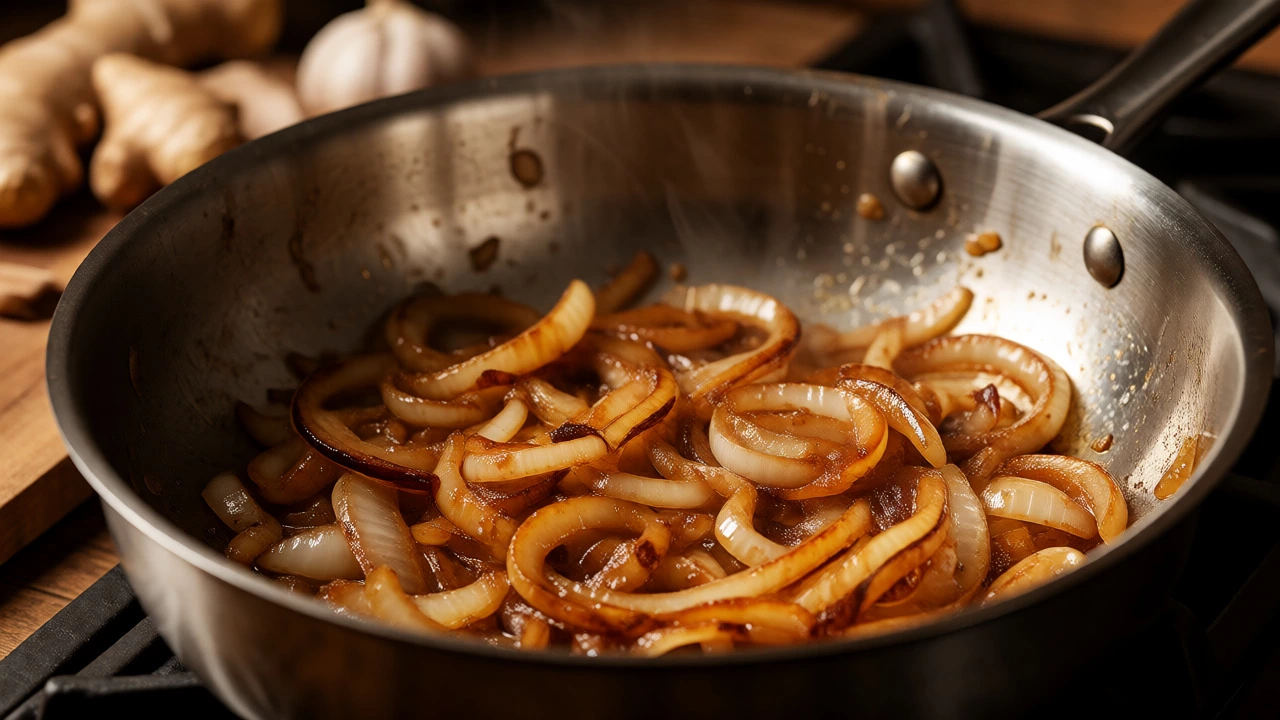
Think of your curry like a building. You wouldn’t put the roof on before laying the foundation. In Indian cooking, the foundation is almost always aromatics. Most beginners rush this step. They toss chopped onions into the pan, stir for two minutes until they look slightly clear, and move on. That’s a mistake.
To get real depth, you need patience. When you cook onions, you’re driving out water and triggering the Maillard reaction-that browning process that creates complex, savory flavors. If your onions are pale, your curry will taste watery and one-dimensional. Aim for a color similar to dark caramel. Yes, it takes time-often 15 to 20 minutes over medium-low heat. But this step alone can double the perceived richness of your dish without adding extra fat or calories.
Garlic and ginger come next. These shouldn’t be raw. Fry them gently in the same oil once the onions are done. Raw garlic tastes sharp and medicinal; cooked garlic becomes sweet and nutty. If you burn them, start over. Burnt garlic turns bitter and ruins the entire pot.
The Science of Spice Blooming
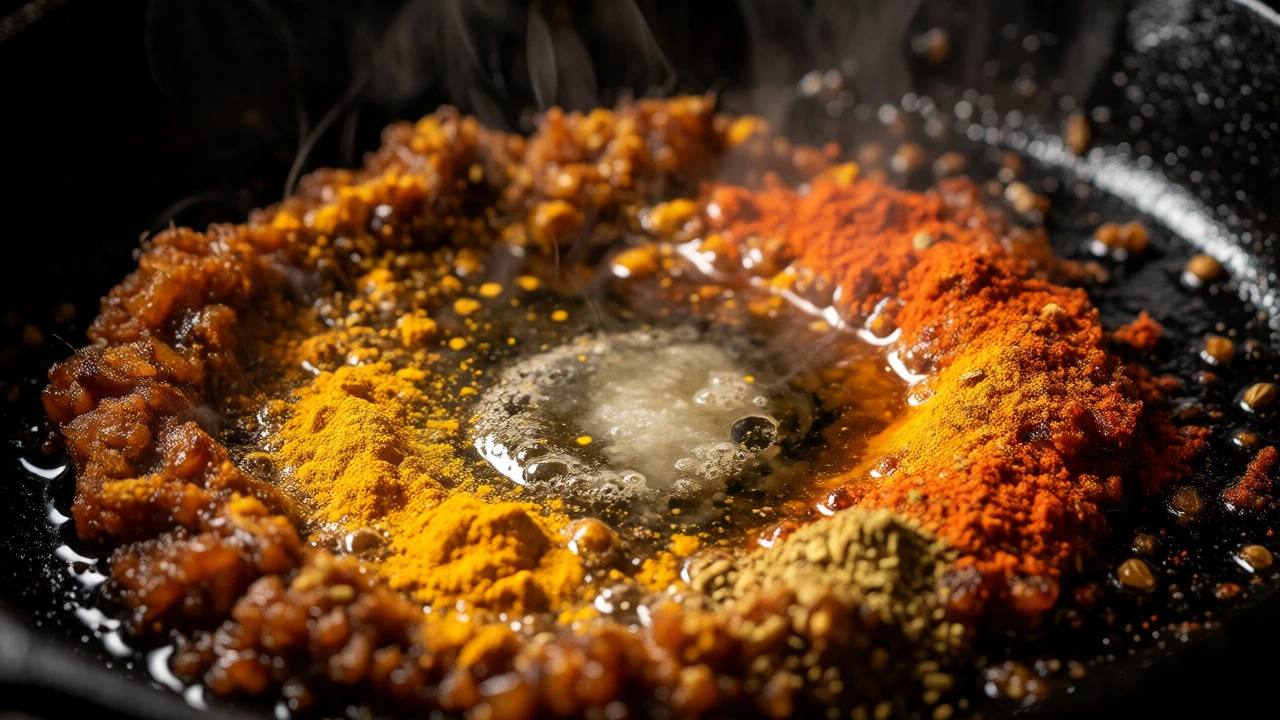
This is the biggest secret in professional kitchens. Many home cooks dump powdered spices directly into wet ingredients like tomato puree or yogurt. Here’s why that fails: most flavor compounds in spices like turmeric, cumin, and coriander are fat-soluble, not water-soluble. If you don’t fry them in oil first, those flavors stay trapped inside the powder particles. They never fully integrate into the sauce.
Instead, push your onion-garlic mixture to the side of the pan. Create a well of hot oil (or ghee) in the center. Add your ground spices there. Stir constantly for 30 to 60 seconds. You’ll smell an immediate explosion of aroma. That’s the blooming process working. The heat activates volatile oils, making the spices more potent and less dusty-tasting.
| Technique | Best For | Effect on Flavor |
|---|---|---|
| Dry Roasting Whole Spices | Garam Masala blends, Cumin seeds | Adds smoky, toasted notes before grinding |
| Blooming in Oil/Ghee | Turmeric, Chili Powder, Coriander | Releases fat-soluble aromas, removes raw taste |
| Adding Fresh Herbs Off-Heat | Cilantro, Mint, Fenugreek leaves | Preserves volatile top notes, adds freshness |
Balancing Heat and Acidity
A tasty curry isn’t just about heat. If your dish is only spicy, it’s boring. It needs contrast. This is where acidity plays a crucial role. Tomatoes are the classic source, but their impact depends on how you cook them. If you add tomato puree early, it breaks down completely, providing body and subtle tang. If you add chopped tomatoes later, they retain some texture and brighter acidity.
But sometimes, tomatoes aren’t enough. Or maybe you’re making a creamy korma-style chicken curry where tomatoes aren’t used. In these cases, use yogurt or cream carefully. Yogurt adds tang, but if you boil it too hard, it curdles. Lower the heat before stirring yogurt in. Alternatively, finish your curry with a squeeze of lemon juice or a splash of vinegar right before serving. This "lifts" the heavy spices. Try it on a bland dal or a flat butter chicken-the difference is night and day.
Texture Matters More Than You Think
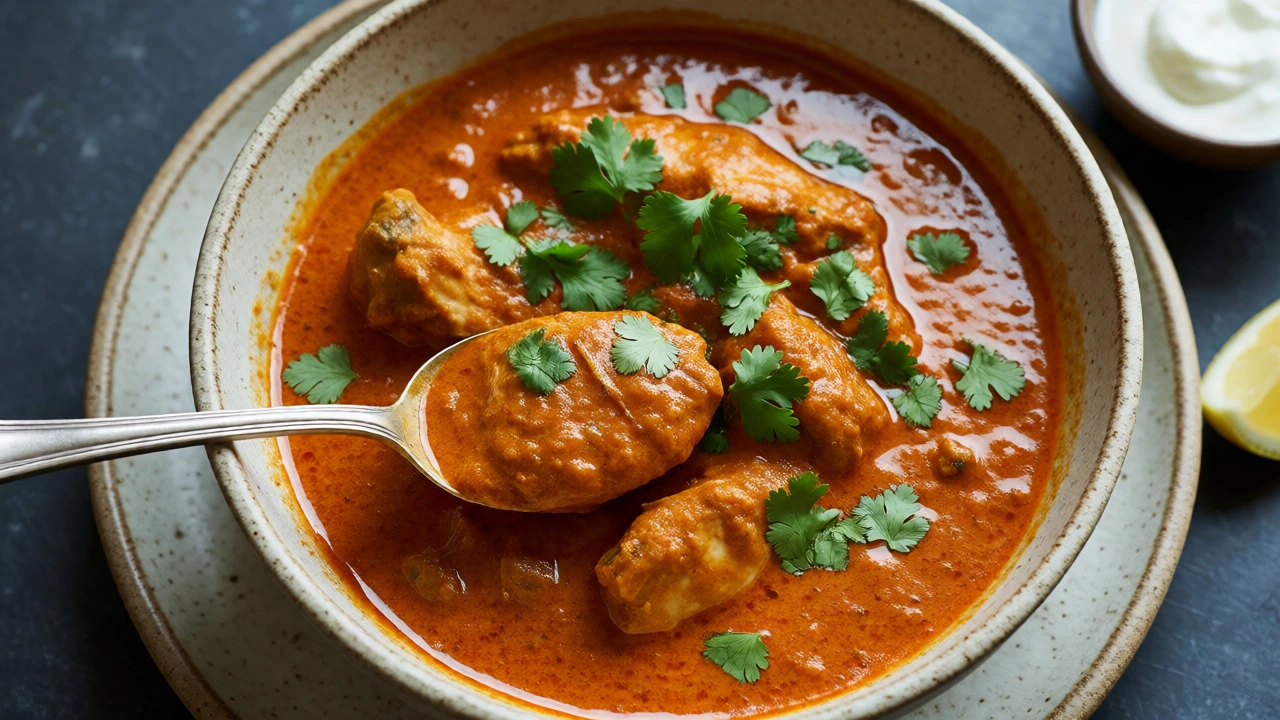
We often focus on taste, but mouthfeel is half the battle. A great chicken curry has a specific consistency. It shouldn’t be soupy, nor should it be paste-like. You want a gravy that coats the back of a spoon. How do you achieve this?
First, reduce your liquid. After adding water or stock, let the curry simmer uncovered. Evaporation concentrates the flavors. Second, consider thickening agents. Traditional methods include grinding cashews, poppy seeds, or melon seeds into a paste. These add richness without the heaviness of flour. Onion paste itself acts as a natural thickener if blended smooth before frying.
For chicken specifically, cut size matters. Too small, and the meat dries out before the sauce thickens. Too large, and the outside overcooks while the inside stays tough. Bone-in pieces generally yield a tastier curry because the marrow and collagen dissolve into the gravy, adding gelatinous body. If using boneless breast, marinate it in yogurt and spices for at least 30 minutes to keep it tender during cooking.
The Finishing Touches
You’ve built the layers. You’ve balanced the acids. Now, stop. Before you serve, do a final adjustment. This is where many cooks fail by stopping too early.
Add your finishing touches off the heat. Sprinkle garam masala now, not at the beginning. Garam masala contains delicate spices like cardamom and cloves that lose potency with long cooking. Adding it at the end preserves its aromatic punch. Similarly, fresh cilantro loses its vibrant green color and fresh scent if boiled. Stir it in just before plating.
Another pro tip: tempering (Tadka). Even if you’ve already cooked your spices, doing a quick second tempering with hot ghee, dried red chilies, and curry leaves poured over the finished dish adds a layer of intense, fresh aroma. It’s like garnishing with perfume.
Common Mistakes to Avoid
Let’s look at what usually goes wrong so you can steer clear.
- Using low-quality oil: Mustard oil has a pungent kick that works great in Bengali-style curries. Coconut oil suits South Indian dishes. Olive oil often clashes with traditional Indian spice profiles. Stick to neutral oils, ghee, or regional staples.
- Overcooking the chicken: Chicken continues to cook in residual heat. Remove it from the flame when it’s just barely cooked through. It will remain juicy.
- Neglecting salt timing: Salt helps draw moisture out of onions and tomatoes, aiding in breakdown. Add it early, but adjust again at the end. Taste as you go.
- Skipping the rest period: Curries made ahead often taste better. The starches settle, and the spice molecules bind with the fats more thoroughly. Make it the night before, reheat gently, and watch the magic happen.
Quick Troubleshooting Guide
Not happy with the result? Here’s how to fix common issues instantly.
| Problem | Likely Cause | Quick Fix |
|---|---|---|
| Too spicy | Excess chili powder or fresh chilies | Add dairy (cream/yogurt), sugar, or potato chunks to absorb heat |
| Too thin/watery | Too much water, insufficient reduction | Simmer uncovered longer, or add a cornstarch slurry/ground nuts |
| Raw spice taste | Spices not bloomed in oil | Make a quick tadka with hot oil and spices, pour over top |
| Bitter taste | Burnt garlic/onions or old spices | Add a pinch of sugar and extra cream; remove burnt bits if possible |
| Flat/bland | Lack of salt or acid | Add salt, then a squeeze of lemon or lime juice |
Frequently Asked Questions
Why does my chicken curry taste metallic?
A metallic taste usually comes from prolonged contact between acidic ingredients (like tomatoes) and reactive metals like aluminum or unlined copper pots. Use stainless steel, cast iron, or non-stick pans for acidic curries. Additionally, ensure your spices are fresh; old turmeric or fenugreek can sometimes develop off-flavors that mimic metal.
Can I make curry tasty without onions?
Yes, absolutely. While onions provide sweetness and body, you can substitute them with other aromatics. Try using fennel bulbs, leeks, or even carrots for sweetness. For body, use cashew paste, coconut milk, or tomato puree. Jain cuisine, which avoids onions and garlic, relies heavily on asafoetida (hing) and ginger to create deep, savory flavors.
How do I prevent yogurt from curdling in my curry?
Temperature shock is the main culprit. Always bring yogurt to room temperature before adding it. Whisk it smooth to remove lumps. Lower the heat of your curry to a gentle simmer before stirring in the yogurt. Do not boil vigorously after adding it. You can also stabilize it by mixing a teaspoon of cornstarch or gram flour (besan) into the yogurt before adding it to the pot.
Is ghee really better than oil for curry?
Ghee has a higher smoke point than butter and carries fat-soluble flavors exceptionally well, giving curry a distinct nutty richness that neutral oils lack. However, it’s heavier. For lighter diets, use a high-quality vegetable oil or mustard oil. For authentic North Indian flavor, ghee is superior. A mix of both is often a good compromise.
How long should I marinate chicken for curry?
Minimum 30 minutes is recommended for tenderizing and flavor penetration. Ideally, marinate overnight in the refrigerator. The enzymes in yogurt and the acidity in lemon juice help break down muscle fibers, resulting in juicier meat. If you are short on time, pounding the chicken lightly before marinating can speed up absorption.
Next Steps to Master Your Curry
Don’t try to change everything at once. Pick one element from this guide-maybe proper onion caramelization or blooming your spices-and focus on that for your next batch. Notice how the flavor profile shifts. Cooking is iterative. Once you master the basics, experiment with regional variations. Try a Kerala-style fish curry with coconut milk, or a Punjabi Rajma with kidney beans. Each teaches you different lessons about balancing fat, acid, and heat.